California homeowners can save hundreds of dollars a year on cooling costs by choosing the right roof. This guide breaks down cool roof vs traditional roofing California options so you can decide which one fits your home and budget.
What Is a Cool Roof and How Does It Work?
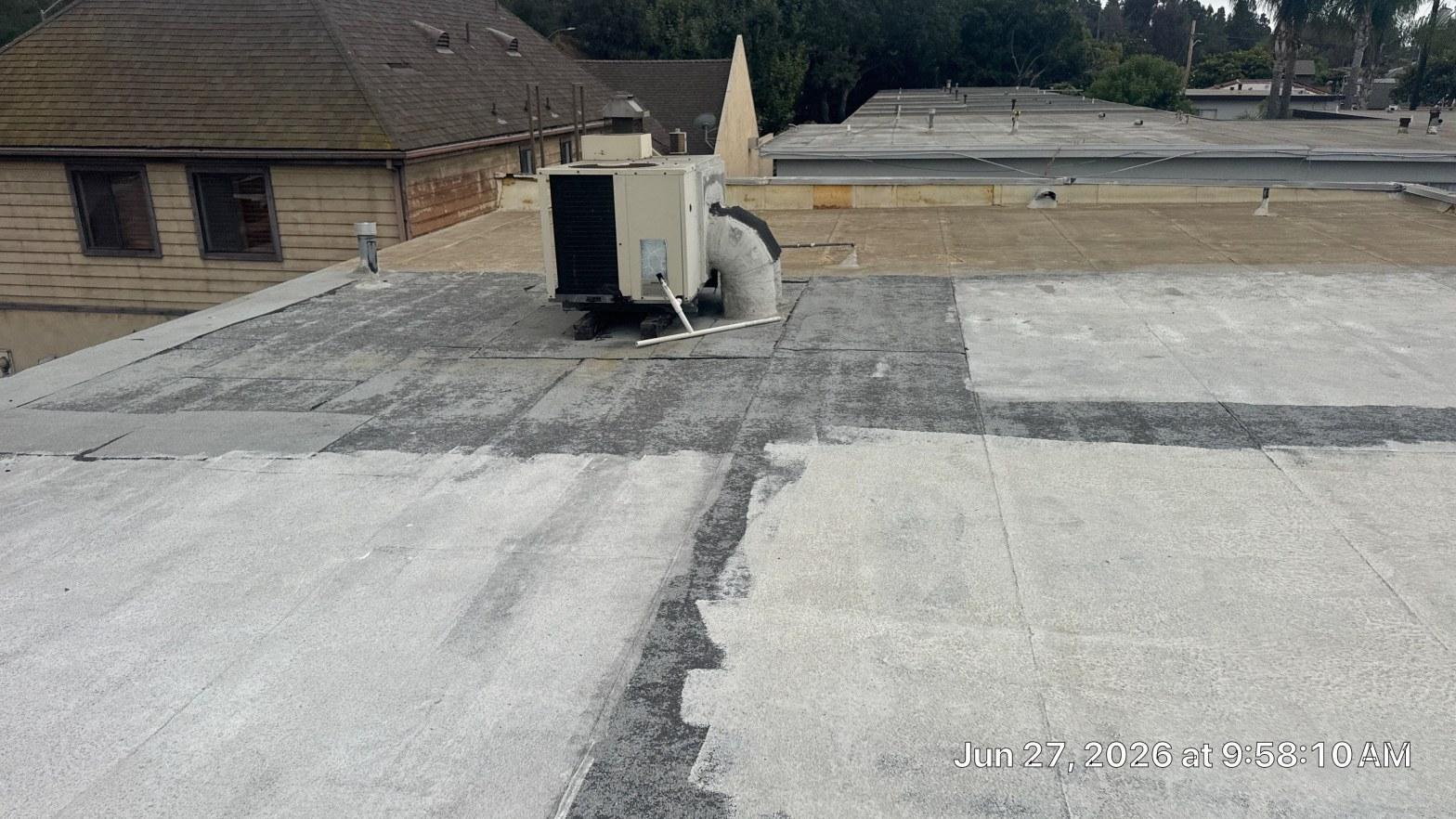
A cool roof is any roofing system designed to reflect more sunlight and absorb less heat than a standard roof. It stays cooler under direct sun, which means less heat transfers into your home. Traditional dark roofing materials can reach surface temperatures of 150°F or higher on a hot California afternoon. A cool roof surface under the same conditions typically stays 50°F to 80°F cooler.
Cool roofs achieve this through two measured properties: solar reflectance (how much sunlight bounces off) and thermal emittance (how quickly the surface releases absorbed heat). The U.S. Department of Energy notes that a highly reflective roof can have a solar reflectance of 0.65 or higher, compared to 0.05–0.15 for a standard dark asphalt shingle roof.
Cool roofs come in several forms: reflective coatings sprayed or rolled onto existing surfaces, specially manufactured shingles and tiles, and single-ply membranes used on low-slope commercial and residential roofs. All of them share the same core goal — keep heat out before it ever enters your living space.
Our team has measured attic temperatures on homes across Southern California before and after cool roof coating applications. In most cases, attic temps drop 30–50°F within the first full summer season, which directly reduces the load on air conditioning systems.
Cool Roof vs Traditional Roofing California: A Side-by-Side Cost Breakdown
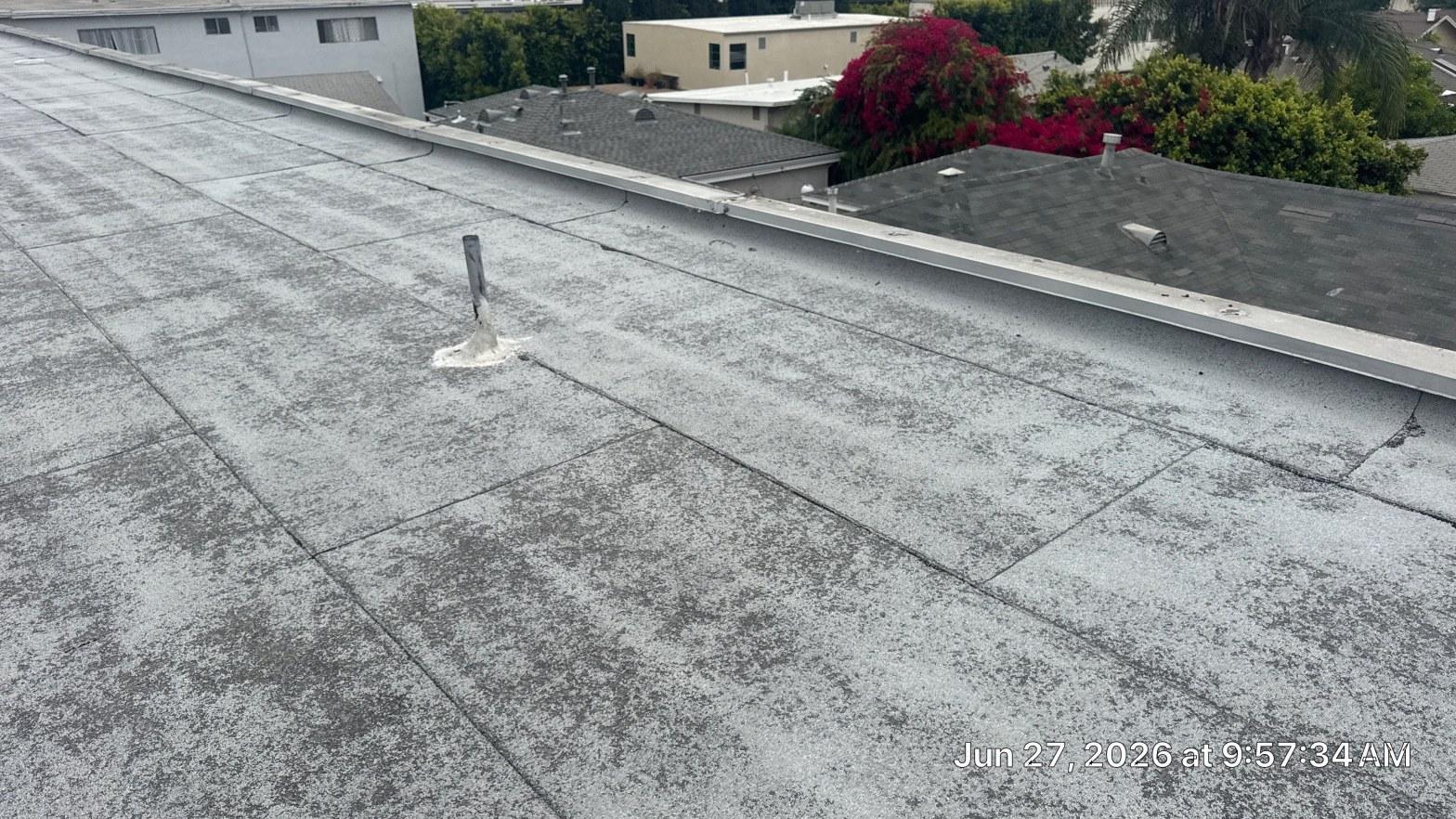
When comparing cool roof vs traditional roofing California homeowners need to weigh both the upfront installation cost and the ongoing energy savings over the roof’s lifespan. A traditional 3-tab asphalt shingle roof on a 2,000-square-foot home typically costs between $8,000 and $14,000 installed in the regional market. A cool roof coating applied to an existing roof generally runs $1,500 to $4,500 depending on roof size and surface condition, while a full cool roof replacement using reflective shingles or tiles typically ranges from $10,000 to $20,000.
| Factor | Traditional Roofing | Cool Roof |
|---|---|---|
| Typical upfront cost (2,000 sq ft) | $8,000 – $14,000 | $10,000 – $20,000 (full replacement); $1,500 – $4,500 (coating only) |
| Average lifespan | 15 – 25 years (asphalt shingles) | 20 – 30+ years (tile or metal with coating) |
| Annual cooling cost reduction | Baseline | 10 – 25% reduction vs. baseline |
| Typical payback period | N/A | 3 – 7 years depending on energy use |
| California Title 24 compliance | May require upgrades on re-roof | Meets or exceeds requirements |
| Urban heat island contribution | Higher | Lower |
| Eligible for state/utility rebates | Generally no | Yes, through multiple programs |
The cost gap between cool and traditional roofing narrows quickly once you factor in energy savings and available incentives. For a coating-only project, the payback period can be as short as 3 years in high-sun inland California regions where AC runs from May through October.
For a coating-only project, the payback period can be as short as 3 years in high-sun inland California regions where AC runs from May through October.
Several factors move the final price in either direction. Roof pitch, existing surface condition, material choice, and local permit fees all affect the total. Projects in areas with stricter local building codes or older homes needing deck repairs before installation will land at the higher end of these ranges. Always request a written quote before any work begins.
How Much Can You Actually Save on Energy Bills?
California homeowners with cool roofs typically see air conditioning costs drop by 10–25% annually, with the highest savings in inland valleys and desert regions where summer temperatures regularly exceed 95°F. In coastal areas with mild summers, savings are smaller — closer to 7–12% — because the AC runs less to begin with.
The U.S. Department of Energy estimates that cool roofs can reduce peak cooling demand by 10–15% on the hottest days of the year. That matters in California because peak-demand electricity rates are significantly higher than off-peak rates under time-of-use pricing plans offered by utilities like SCE and PG&E.
Here is what drives the size of your savings:
- Climate zone: Inland and desert zones (California Climate Zones 10–15) see the largest savings. Coastal zones (1–3) see the smallest.
- Home insulation: A well-insulated attic amplifies cool roof benefits. Poor insulation limits savings even with a reflective surface.
- Roof color before coating: Switching from a dark charcoal shingle to a white or light-gray coating produces the biggest temperature drop.
- AC system age and efficiency: Older AC units running harder benefit more from reduced heat load than newer high-SEER systems that already cycle efficiently.
- Roof size relative to home: Larger roof-to-floor-area ratios mean more surface absorbing heat — and more potential savings when that surface is made reflective.
Across our service calls in Southern California, we consistently see the steepest energy bill reductions on single-story homes in inland ZIP codes where the roof covers nearly the entire home footprint. In those cases, homeowners report monthly summer savings of $60–$120 compared to the prior year.
What Are the Best Cool Roof Materials for California Homes?
The best cool roof material depends on your existing roof type, slope, and budget. Reflective coatings work on most existing surfaces, while cool-rated tiles and metal roofing offer the best long-term performance for full replacements.
California’s Title 24 building energy standards set minimum solar reflectance and thermal emittance values for roofing products used on re-roofing projects. Products that meet these thresholds are listed in the ENERGY STAR Roofing Products database and the Cool Roof Rating Council (CRRC) directory. Always verify that the product you choose is on one of these lists before purchasing.
Here are the main cool roof material options available to California homeowners:
- Elastomeric coatings: White or light-colored coatings rolled or sprayed onto flat or low-slope roofs. Solar reflectance typically reaches 0.80–0.90. Ideal for existing flat roofs on stucco homes and commercial buildings. Reapplication every 10–15 years.
- Cool-rated asphalt shingles: Granule-coated shingles with special reflective pigments. Solar reflectance of 0.25–0.40 — lower than coatings but a significant improvement over standard dark shingles. Suitable for sloped residential roofs.
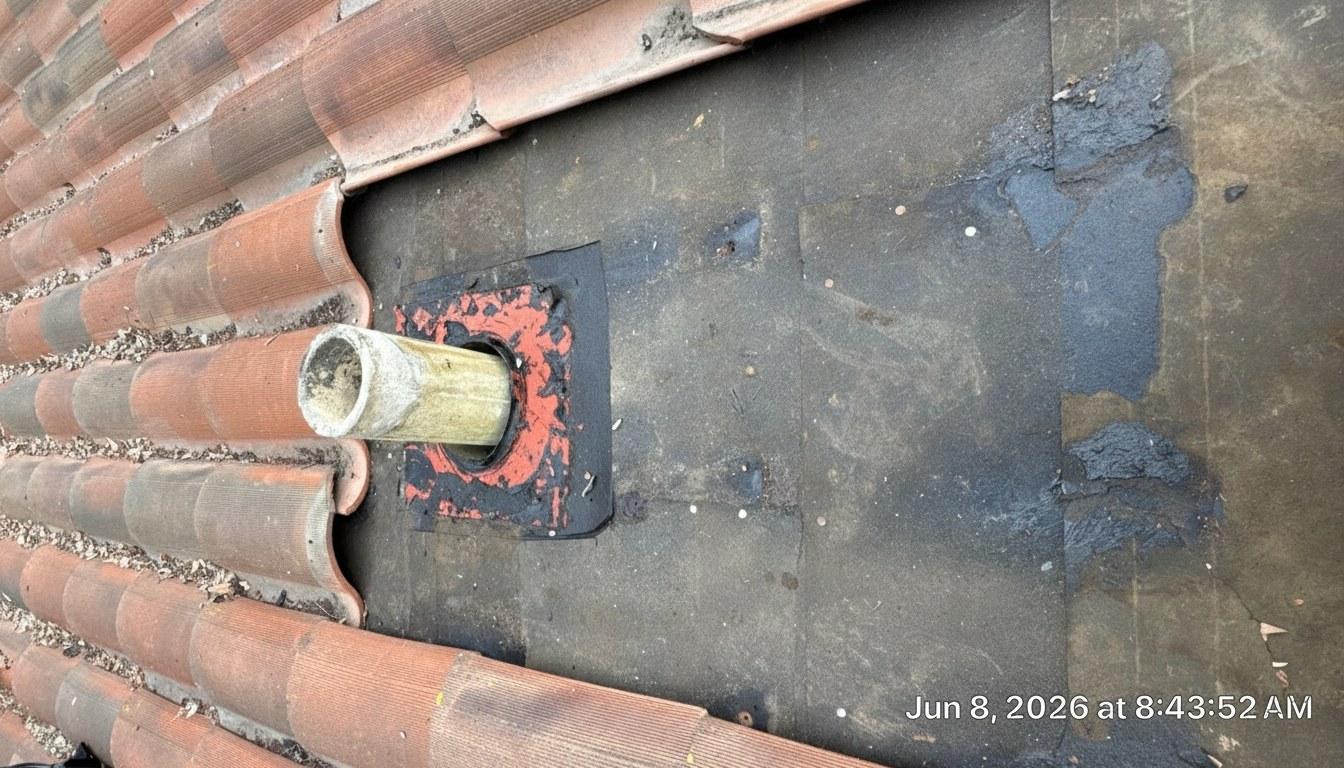
- Concrete and clay tile: Natural thermal mass plus light colors or reflective glazes make tile one of the most effective cool roofing options. Common in Southern California. Lifespan of 40–50 years with proper maintenance.
- Metal roofing with reflective finish: Bare or painted metal with a cool-rated finish achieves solar reflectance of 0.60–0.70. Lightweight, durable, and recyclable. Higher upfront cost but 40+ year lifespan.
- Single-ply membranes (TPO or PVC): White thermoplastic membranes used on low-slope roofs. Solar reflectance typically 0.70–0.85. Common on additions and flat-roof sections of California homes.
For most California homeowners doing a full re-roof, cool-rated concrete tile or metal roofing delivers the best combination of longevity, energy performance, and curb appeal. For those who want to improve an existing roof without a full replacement, an elastomeric coating is the most cost-effective entry point.
Are There Rebates or Tax Credits for Cool Roofs in California?
Yes — California homeowners can access multiple financial incentives for cool roofing, including utility rebates, state programs, and federal tax credits that can reduce net project cost by 10–30%. As of 2024, several programs are active and accepting applications.
Key incentives to know:
- Inflation Reduction Act federal tax credit: The Energy Efficient Home Improvement Credit (25C) covers 30% of the cost of qualifying energy-efficient roofing improvements, up to $1,200 per year. Cool roofing products that meet ENERGY STAR requirements may qualify. Consult a tax professional to confirm eligibility for your specific project.
- SoCalREN and BayREN programs: Regional energy networks across California offer rebates for qualifying cool roof installations on residential properties. Rebate amounts vary by program year and utility territory — check with your local utility for current offers.
- TECH Clean California: This statewide initiative supports whole-home efficiency upgrades. Cool roofing paired with insulation improvements may qualify for combined incentives.
- Utility on-bill financing: Some California utilities offer zero-interest or low-interest financing for qualifying energy improvements, including cool roofing, repaid through your monthly bill.
To take advantage of most rebate programs, the roofing product must be listed in the CRRC directory and meet California’s Title 24 building energy standards minimum thresholds. Your contractor should provide the product data sheet and CRRC rating number as part of the project documentation.
When Does Traditional Roofing Make More Sense?
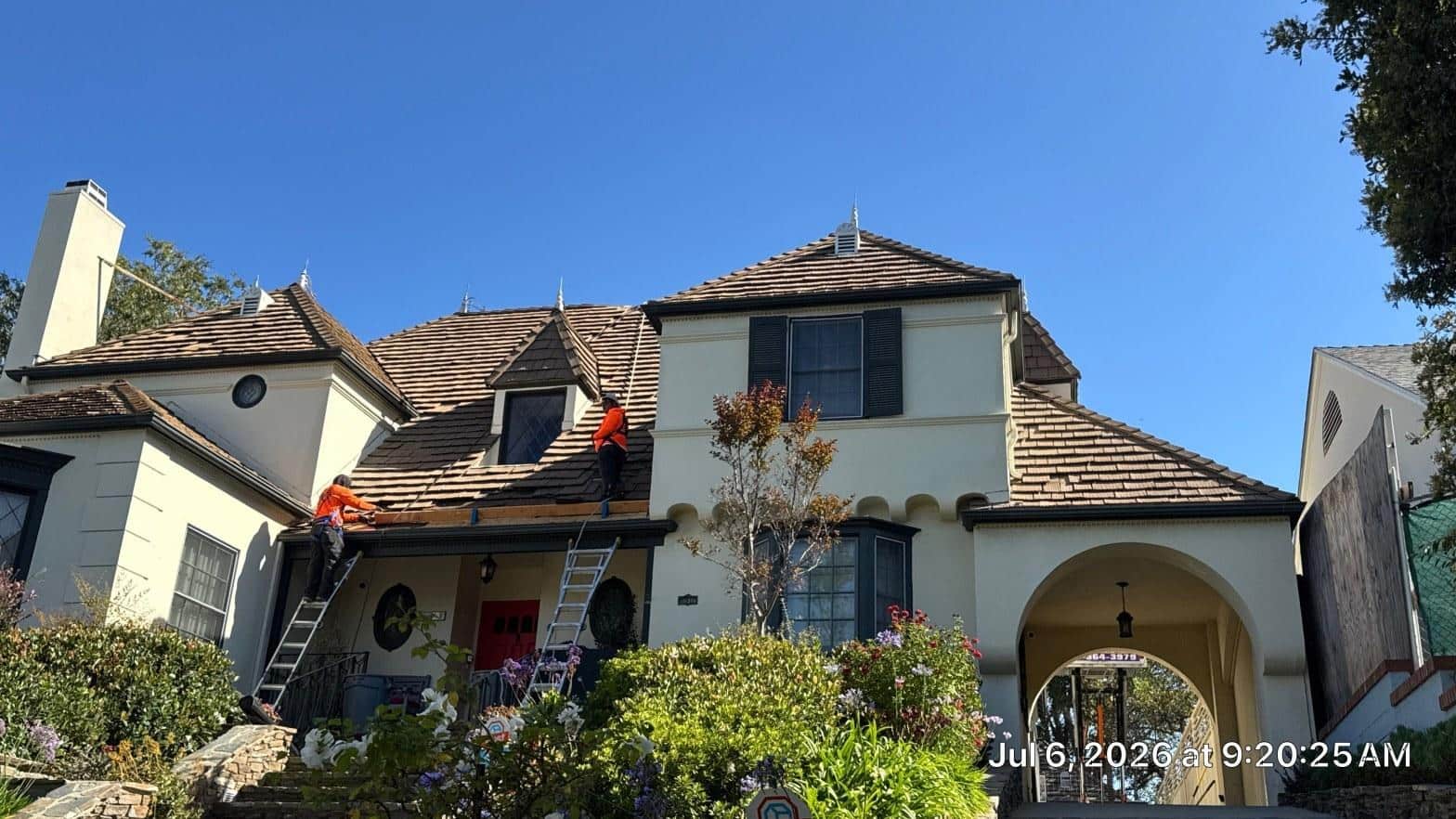
Traditional roofing can be the right call when upfront budget is the primary constraint, when the home is in a cool coastal climate zone, or when a historic preservation requirement limits material choices. It is not the wrong choice in every situation — it depends on the specific home, location, and financial picture.
Consider traditional roofing when:
- You are in a cool coastal climate: In California Climate Zones 1–3, summers are mild and AC use is low. The energy savings from a cool roof are smaller, which extends the payback period beyond 10 years in some cases.
- The home has strict HOA or historic guidelines: Some homeowner associations or historic districts require specific shingle colors or styles that may not be available in cool-rated versions. Always check before committing to a material.
- You need emergency repair, not a full replacement: If only a section of the roof is damaged, matching the existing material and getting the repair done quickly is often the priority. A full cool roof conversion can happen at the next scheduled replacement.
- Budget is extremely tight short-term: If the gap between a standard shingle re-roof and a cool roof system is several thousand dollars and cash flow is the binding constraint, a standard re-roof now with a cool coating added later is a reasonable two-step approach.
Even when traditional roofing is chosen today, California’s Title 24 building energy standards increasingly require cool-rated products on re-roofing projects in many climate zones. Since California’s 2022 Title 24 update, the minimum solar reflectance requirements for low-slope roofs tightened further, meaning many traditional flat-roof products no longer meet code on a full re-roof. A licensed contractor can tell you exactly what your climate zone requires before you choose materials.
Since California's 2022 Title 24 update, the minimum solar reflectance requirements for low-slope roofs tightened further, meaning many traditional flat-roof products no longer meet code on a full re-roof.
For steep-slope roofs, standard asphalt shingles still meet code in many zones, but the energy cost difference over a 20-year roof life is real. Running the numbers with your contractor before deciding is always worth the 15 minutes it takes.
Explore our full range of roofing services across Southern California.
Frequently Asked Questions
How much does a cool roof coating cost in California?
A cool roof coating on an existing residential roof in California typically costs between $1,500 and $4,500 for a 2,000-square-foot home, depending on roof size, surface condition, and the type of coating used. Full cool roof replacements using reflective tile or metal roofing generally range from $10,000 to $20,000 in this market. The coating-only option is the most affordable entry point and can pay for itself in 3–5 years through energy savings in warm inland areas. Request a custom quote to get an accurate number for your specific home.
Does a cool roof really lower my electricity bill in California?
Yes, cool roofs consistently reduce air conditioning costs by 10–25% in California's warmer climate zones, with the biggest savings in inland and desert areas where summer temperatures stay above 90°F for months at a time. The savings are smaller in mild coastal areas where AC use is already low. Most homeowners in Southern California see their investment pay back within 5–7 years through reduced energy bills alone, not counting available rebates.
What is the difference between a cool roof and a regular roof?
A cool roof is specifically designed to reflect sunlight and release absorbed heat more quickly than a standard roof. Regular dark roofing materials like asphalt shingles absorb 85–95% of solar energy and convert it to heat, which transfers into the attic and home. A cool roof surface reflects 65–90% of that energy depending on the material, keeping the roof surface 50–80°F cooler on a hot day and reducing the load on your air conditioner.
Do I need a permit to install a cool roof coating in California?
In most California jurisdictions, applying a cool roof coating to an existing roof does not require a building permit, but a full roof replacement always does. Permit requirements vary by county and city, so your roofing contractor should confirm local rules before starting work. Any contractor working on your roof in California should be licensed by the California Contractors State License Board (CSLB) — you can verify a license at cslb.ca.gov before hiring.
How long does a cool roof last compared to a traditional roof?
Cool roof coatings on flat roofs typically last 10–15 years before reapplication is needed. Cool-rated concrete or clay tile roofs last 40–50 years with proper maintenance. Standard asphalt shingle roofs — the most common traditional option in California — last 15–25 years depending on sun exposure and ventilation. Because California's intense UV environment degrades asphalt shingles faster than in cooler climates, the longer lifespan of tile or metal cool roofing is an especially strong advantage in this state.
Related Articles




What Our Clients Say











Roof Replacement Inc. offers professional, high-quality work, guaranteed (call for details); ensuring all clients projects meet all code and design requirements. We are dedicated to exceptional customer service and will strive to ensure you with the highest quality roofing services. Roof Replacement Inc. offers lifetime warranty (call for details) on all of our workmanship to ensure the quality of our work. With over 40 years of combined experience within the roofing and construction industry, Roof Replacement Inc. has grown and developed in all areas of roofing construction, including roof inspections. As a leading residential and commercial roofing company in LA, we have hundreds of references from previous clients, so rest assured, that your roofing job will be done right the first time. Replacing an old roof can help add curb appeal and will increase the perceived value of your home. First impressions are vital when selling your home, especially when your roof takes up more than half of the exterior of your residence or business. Not only is the return of investment on a new roof attractive for potential buyers, but can be as beneficial as remodeling the kitchen or bathrooms within your residence.

