

Roof replacement cost in California in 2026 typically ranges from $8,000 to $25,000 or more, depending on roof size, material, and local labor rates. This guide breaks down every factor so you know what to expect before calling a contractor.
What Is the Typical Roof Replacement Cost in California in 2026?
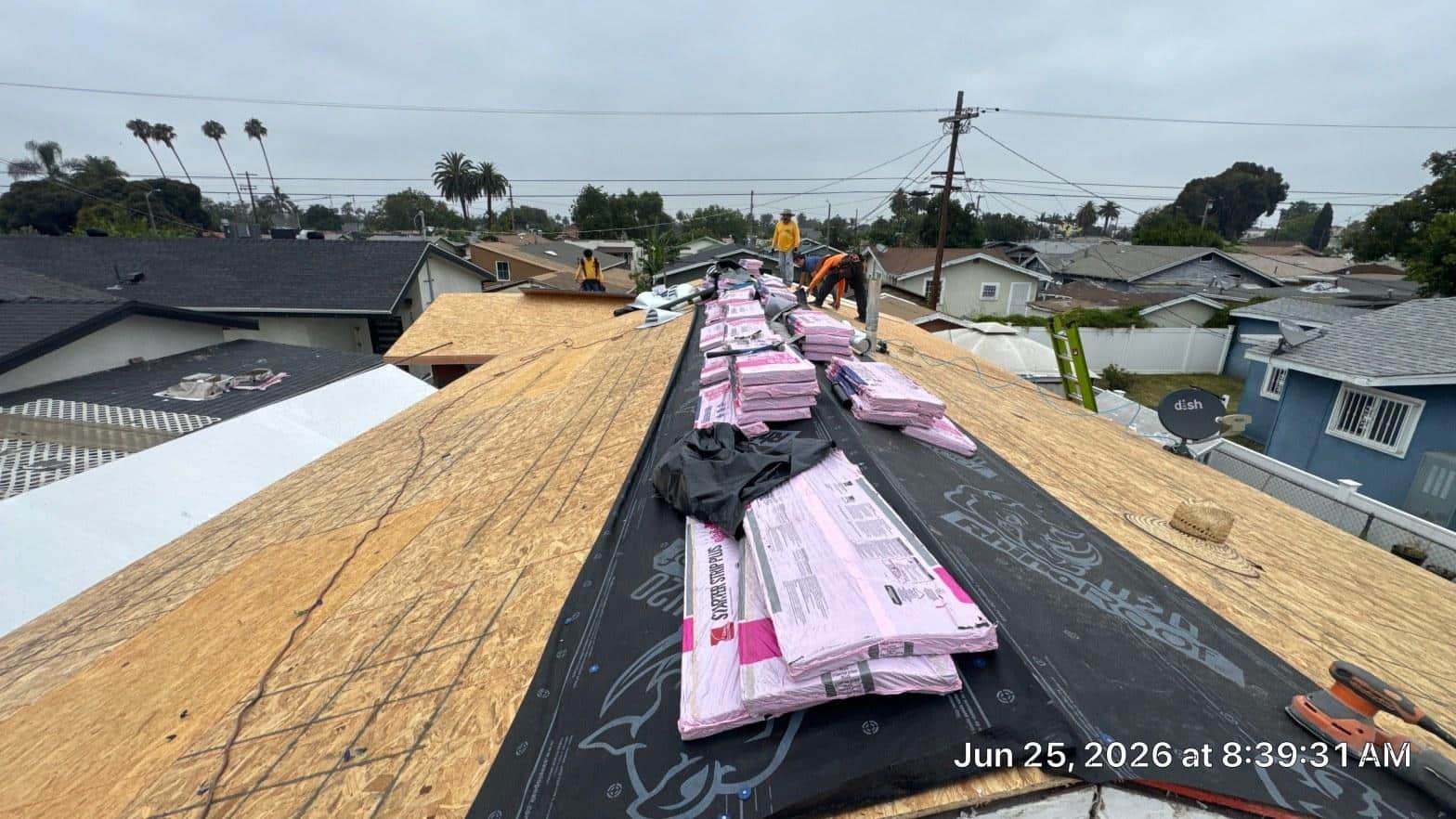
Roof replacement cost in California in 2026 typically ranges from $8,000 to $25,000 for a standard single-family home, with most projects landing between $10,000 and $18,000. Larger roofs, premium materials, or steep pitches can push totals well above $25,000. These figures reflect current regional labor rates, material pricing, and permit costs across the state.
California’s labor market, strict building codes, and high material transportation costs all push prices above the national average. California’s large and diverse housing stock means roofs vary enormously in size and complexity, so the range is wide for good reason.
The cost-per-square-foot metric is the most useful benchmark. In the California market, installed roofing typically runs from $4 to $12 per square foot depending on material, with labor alone accounting for 40 to 60 percent of the total project cost in most cases.
In the California market, installed roofing typically runs from $4 to $12 per square foot depending on material, with labor alone accounting for 40 to 60 percent of the total project cost.
What Factors Affect Roof Replacement Cost the Most?
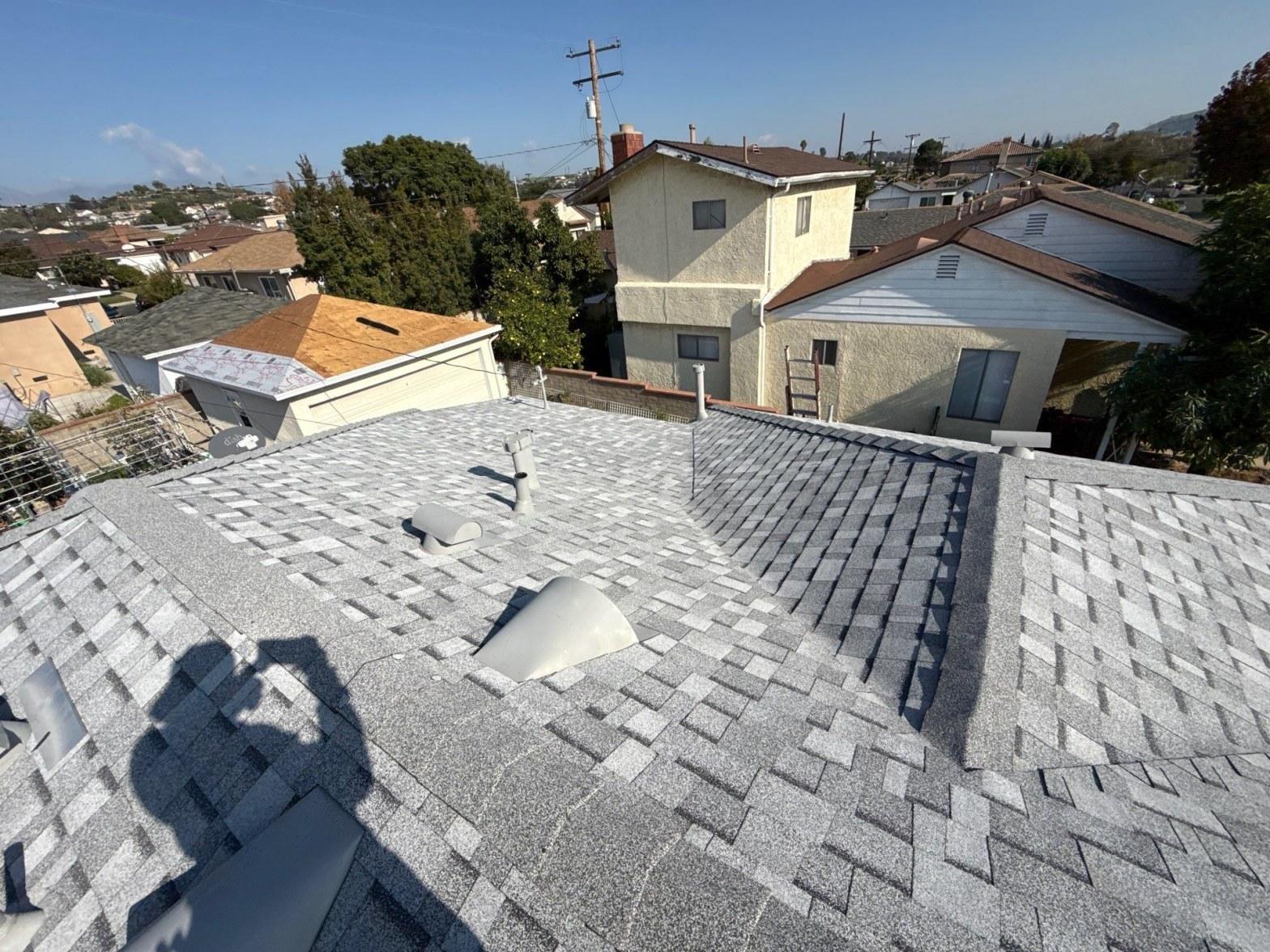
Six factors move the price of a roof replacement more than anything else: roof size, pitch, material choice, tear-off complexity, permit requirements, and whether any decking or structural work is needed. Understanding each one helps you evaluate bids and avoid surprises.
- Roof size: Roofing is priced by the “square” — 100 square feet. A 1,500-square-foot home may have 1,800 to 2,200 square feet of actual roof surface once pitch is factored in. More squares means higher material and labor costs.
- Roof pitch: Steeper roofs require more safety equipment, slower work, and extra labor hours. A low-slope roof (under 4:12 pitch) is faster to work on than a steep 8:12 or 12:12 pitch, which can add 20 to 40 percent to labor costs.
- Material choice: Asphalt shingles are the most affordable option. Metal, tile, and slate cost significantly more in both materials and installation time. See the comparison table below for specifics.
- Number of layers to remove: California building codes generally allow no more than two layers of roofing material. If your existing roof has two layers, both must be torn off before new material goes down, adding $1,000 to $3,000 or more in labor and disposal fees.
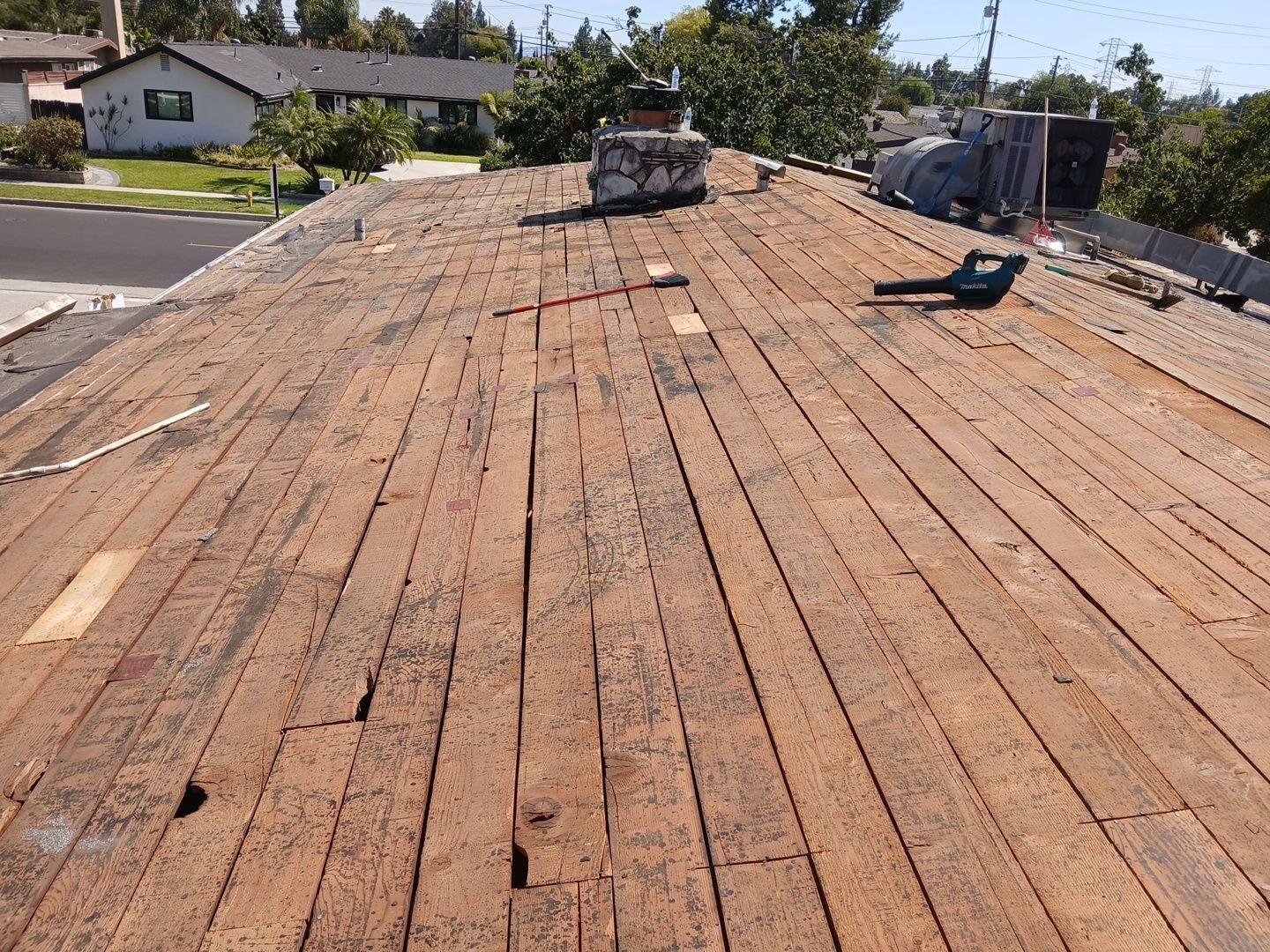
- Decking condition: If the plywood or OSB sheathing beneath the shingles is rotted or damaged, it must be replaced. Decking repairs typically run $2 to $4 per square foot and are not always visible until tear-off begins.
- Permits and inspections: California requires building permits for full roof replacements in most jurisdictions. Permit fees vary by county but commonly range from $150 to $600. Skipping permits can cause problems when you sell the home or file an insurance claim.
- Accessibility: Homes with limited driveway access, mature landscaping, or multi-story structures require more setup time and equipment, which adds to labor costs.
Our crews across the region have found that roughly 30 percent of full tear-off jobs uncover at least some damaged decking that needs patching — something that only becomes visible once the old material is removed, so always budget a small contingency for this.
Roughly 30 percent of full tear-off jobs uncover at least some damaged decking that needs patching — something that only becomes visible once the old material is removed.
How Do Roofing Materials Compare in Price and Performance?
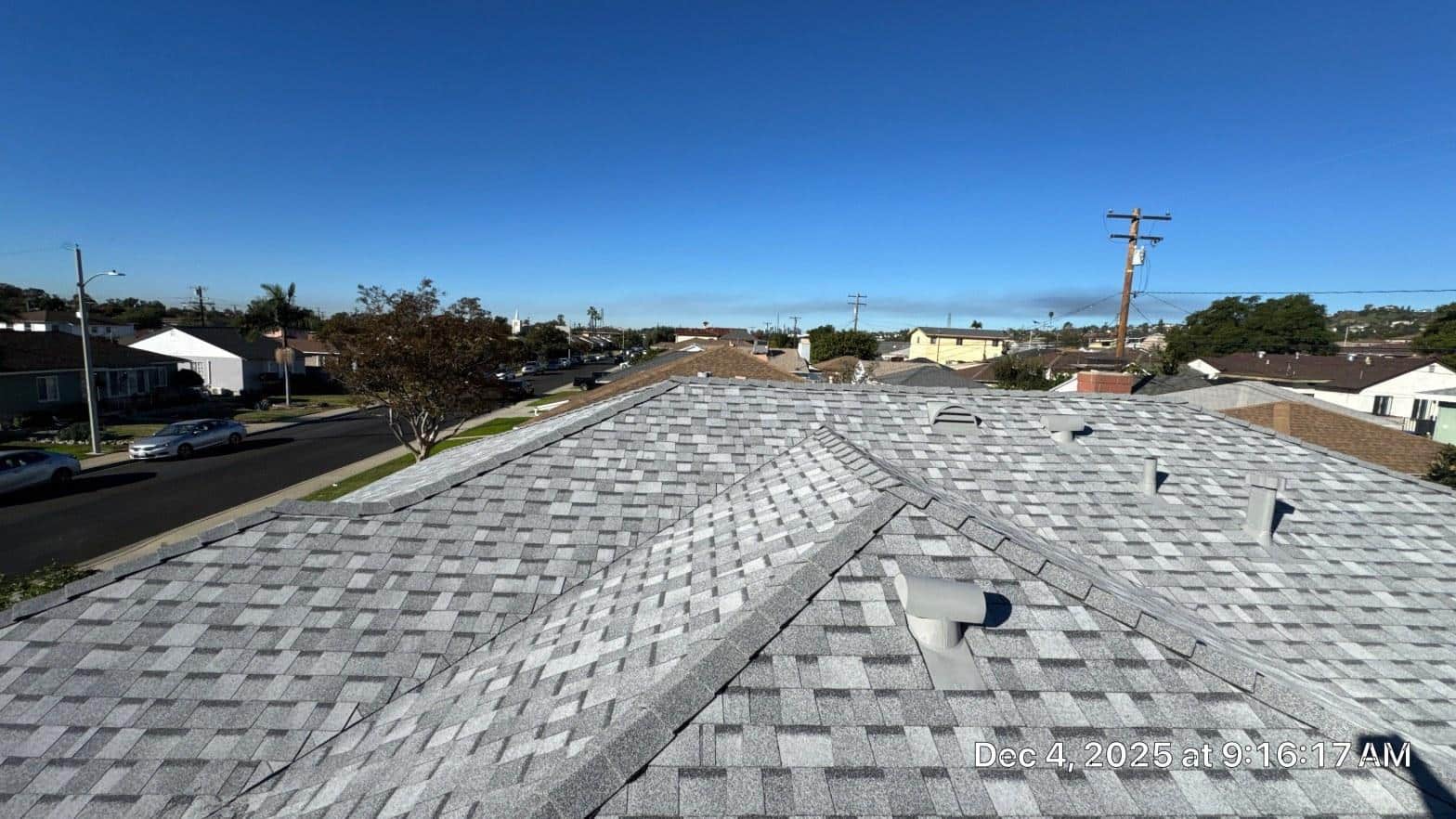
Asphalt shingles remain the most common and affordable residential roofing material in California, while concrete tile and metal roofing are popular upgrades that offer longer lifespans and better performance in the state’s varied climate zones. The right material depends on your budget, roof pitch, HOA rules, and local fire rating requirements.
| Material | Typical Market Range (installed, per square) | Expected Lifespan | Notes |
|---|---|---|---|
| 3-Tab Asphalt Shingles | $400 – $600 per square | 15 – 25 years | Most affordable; Class A fire rating available; widely used in residential roofing statewide |
| Architectural (Dimensional) Asphalt | $500 – $800 per square | 25 – 40 years | Thicker profile, better wind resistance; most popular choice for California homes today |
| Concrete or Clay Tile | $800 – $1,500 per square | 40 – 50+ years | Excellent for hot climates; heavier, so structural assessment may be needed |
| Metal (Standing Seam or Panels) | $900 – $1,600 per square | 40 – 70 years | Strong fire and wind resistance; qualifies for energy efficiency incentives in some programs |
| Flat / Low-Slope (Modified Bitumen or TPO) | $400 – $900 per square | 15 – 30 years | Common on additions and commercial-style homes; requires proper drainage design |
| Slate (Natural or Synthetic) | $1,200 – $2,500+ per square | 50 – 100+ years (natural) | Premium option; very heavy; requires specialized installation |
California’s Title 24 building energy standards and local fire codes influence which materials are approved in your area, particularly in State Responsibility Areas and High Fire Hazard Severity Zones. Always confirm your chosen material meets local fire rating requirements before purchasing.
ENERGY STAR-rated roofing products, including cool-roof shingles and reflective metal panels, can reduce attic temperatures and lower cooling loads — an important consideration in California’s hotter inland and southern climate zones.
What Does a Roof Replacement Project Actually Include?
A full residential roof replacement typically includes tear-off of the existing material, installation of new underlayment and ice-and-water shield, installation of the new roofing material, replacement of flashing at penetrations and valleys, and a final inspection. What is included varies by contractor and quote, so always confirm in writing.
Here is what a complete scope of work should cover for most residential roofing projects:
- Pre-job protection: Tarps or plywood placed over landscaping, HVAC equipment, and windows to protect from debris.
- Full tear-off: Removal of all existing roofing layers down to the decking, plus disposal of materials.
- Decking inspection and repair: Visual and physical check of all sheathing; damaged sections replaced before new material goes down.
- Underlayment installation: Synthetic or felt underlayment applied over the entire deck as a secondary moisture barrier.
- Flashing replacement: Metal flashing around chimneys, skylights, vents, and valleys replaced or re-sealed.
- New roofing material installation: Shingles, tile, or metal panels installed per manufacturer specs and local code.
- Ridge cap and ventilation: Ridge caps installed; attic ventilation checked or upgraded to meet current code.
- Final cleanup: Magnetic sweeping of the yard for nails, removal of all debris, and site walkthrough.
- Permit and inspection: Permit pulled before work begins; final inspection scheduled with the local building department.
Roofing contractors in Los Angeles County and across Southern California are required to be licensed by the California Contractors State License Board (CSLB). Always verify a contractor’s CSLB license number before signing any agreement. A valid license means the contractor carries workers’ compensation and general liability insurance, protecting you if something goes wrong on the job.
What Is NOT Included in a Standard Roof Replacement Quote?
Several common items are routinely excluded from base roof replacement quotes and can add thousands of dollars to the final bill if not discussed upfront. Ask about each of these before you sign.
- Decking replacement beyond minor patching: If more than a few sheets of plywood need replacing, this is usually billed as a separate line item at a per-sheet rate.
- Skylight replacement or resealing: Skylights are a common leak point. Resealing costs $150 to $400 per unit; full replacement runs much higher.
- Chimney repointing or cap replacement: Masonry work around chimneys is typically outside the roofing scope.
- Gutters and fascia repair: Rotted fascia boards are often discovered during tear-off. Replacement is usually quoted separately.
- Attic insulation upgrades: Some California energy programs recommend or require insulation upgrades when a roof is replaced. This is a separate cost but can qualify for rebates through programs like TECH Clean California.
- Solar panel removal and reinstallation: If your home has solar, panels must be removed before roofing and reinstalled after. This is almost always a separate cost coordinated with your solar installer.
- HOA approval fees or architectural review: If your community requires HOA sign-off on exterior changes, any associated fees are your responsibility.
- Roof certification: Some lenders and home buyers require a roof certification — a written inspection report confirming the roof’s remaining useful life. This is typically a separate fee of $150 to $300.
How Do You Get an Accurate Roof Replacement Quote in California?
Getting an accurate quote requires giving contractors the right information upfront and asking the right questions in return. Vague quotes lead to change orders; detailed quotes protect your budget. For ways to bring the total down without cutting corners, such as off-season scheduling and energy rebates, see our complete roof replacement cost guide.
Before you call a roofing company, have the following information ready:
- Approximate square footage of your home’s footprint (the actual roof surface is larger)
- Roof pitch or slope, if known
- Number of existing layers (check your permit history or ask a contractor)
- Known problem areas: leaks, soft spots, storm damage
- Material preference or HOA requirements
- Whether solar panels or skylights are present
- Your timeline and whether an insurance claim is involved
When comparing bids, ask each contractor these questions:
- Is the quote for a full tear-off or an overlay?
- What brand and product line of material is included?
- What is the per-sheet cost if additional decking replacement is needed?
- Is the permit fee included in the quote?
- What warranty is offered on both materials and workmanship?
- What is the payment schedule?
We see a consistent pattern on re-roofing jobs across Southern California: homeowners who get at least 3 written bids save an average of 10 to 15 percent compared to those who accept the first quote — and they catch scope gaps that single-bid buyers miss entirely.
Homeowners who get at least 3 written bids save an average of 10 to 15 percent compared to those who accept the first quote.
As of 2026, the Inflation Reduction Act federal tax credit may apply to certain energy-efficient roofing upgrades, including ENERGY STAR-rated metal roofs and cool-roof products. Consult a tax professional to confirm eligibility for your specific project before filing.
Get a Custom Roof Replacement Quote in North Hollywood
The market ranges in this guide reflect typical California roofing projects in 2026, but your actual cost depends entirely on your specific roof — its size, pitch, condition, material, and local permit requirements. No online guide can replace a hands-on inspection.
Roof Replacement Inc serves homeowners and property managers across Los Angeles County and communities throughout the region. Whether you need a full residential roofing replacement, a roof certification for a sale or refinance, or an honest assessment of whether repair or replacement makes more sense, the team is ready to help.
Call (213) 364-3979 to schedule your on-site inspection and receive a written, itemized quote. Roof Replacement Inc is licensed by the California Contractors State License Board (CSLB), carries full insurance, and pulls all required permits — so your project is protected from start to finish.
Explore our full range of roofing services across Southern California.
Frequently Asked Questions
How do I know if my roof needs to be fully replaced or just repaired?
A roof generally needs full replacement when it is more than 20 to 25 years old for asphalt shingles, when more than 30 percent of the surface is damaged, or when there is widespread granule loss, sagging, or rotted decking. Isolated leaks or a small number of damaged shingles are usually repairable. A licensed roofing contractor can inspect the roof and give you an honest assessment — Roof Replacement Inc offers on-site evaluations throughout Los Angeles County.
How long does a full roof replacement take to complete?
Most standard single-family residential roof replacements in California are completed in one to three days. Larger roofs, tile installations, or projects that require significant decking repair can take four to five days. Weather delays and permit scheduling can extend the timeline, especially during the rainy season from November through March.
Will my homeowner's insurance cover roof replacement costs?
Homeowner's insurance typically covers roof replacement caused by sudden events like wind, hail, or fire — but not gradual wear and aging. California policies vary widely, so review your declarations page and contact your insurer before filing a claim. A roofing contractor can document storm damage with photos and measurements to support your claim, but the final coverage decision rests with your insurance adjuster.
Do I need a permit to replace my roof in California?
Yes, most California cities and counties require a building permit for a full roof replacement. Permits ensure the work is inspected and meets current building codes, which matters when you sell or refinance the home. Permit fees typically range from $150 to $600 depending on the jurisdiction. A reputable roofing contractor will pull the permit on your behalf before work begins.
How can I find a trustworthy roofing contractor near me in California?
Start by verifying any contractor's license on the California Contractors State License Board (CSLB) website at cslb.ca.gov — this confirms they carry workers' compensation and liability insurance. Get at least three written, itemized bids and ask each contractor for local references. Avoid contractors who demand full payment upfront or pressure you to skip the permit process. Roof Replacement Inc is CSLB-licensed and serves communities across Los Angeles County — call (213) 364-3979 for a written quote.
Related Articles




What Our Clients Say








Roof Replacement Inc. offers professional, high-quality work, guaranteed (call for details); ensuring all clients projects meet all code and design requirements. We are dedicated to exceptional customer service and will strive to ensure you with the highest quality roofing services. Roof Replacement Inc. offers lifetime warranty (call for details) on all of our workmanship to ensure the quality of our work. With over 40 years of combined experience within the roofing and construction industry, Roof Replacement Inc. has grown and developed in all areas of roofing construction, including roof inspections. As a leading residential and commercial roofing company in LA, we have hundreds of references from previous clients, so rest assured, that your roofing job will be done right the first time. Replacing an old roof can help add curb appeal and will increase the perceived value of your home. First impressions are vital when selling your home, especially when your roof takes up more than half of the exterior of your residence or business. Not only is the return of investment on a new roof attractive for potential buyers, but can be as beneficial as remodeling the kitchen or bathrooms within your residence.

