A professional roof inspection typically costs between $150 and $600 in the California market, but the final number depends on your roof type, size, and what the inspector is looking for. This guide breaks down every factor so you know exactly what to expect before you book.
How Much Does a Roof Inspection Cost in California?
A professional roof inspection in the California market typically costs between $150 and $600 for a standard residential property. Most homeowners in Los Angeles County and surrounding counties pay somewhere in the $200 to $400 range. The wide spread comes down to roof size, roof type, slope, and the specific purpose of the inspection.
A basic visual inspection on a simple single-story home sits at the low end of that range. A full inspection on a multi-story home with a complex roofline, or one that includes a formal roof certification letter for a real estate transaction, lands closer to the top. Understanding where your project falls helps you budget accurately before you call a roofer near me or a regional roofing company.
What Factors Affect Roof Inspection Cost?
Six main factors drive the final roof inspection cost up or down. Roof size and slope have the biggest effect, but roof type, inspection purpose, and local permit requirements all play a role.
- Roof size: Inspectors often price by square footage. A roof under 1,500 square feet costs less to inspect than one over 3,000 square feet because it takes less time to walk and document.
- Roof slope and complexity: Steep pitches and complex rooflines with multiple valleys, dormers, or skylights take longer to navigate safely. Inspectors may charge a steepness surcharge on roofs with a pitch steeper than 6:12.
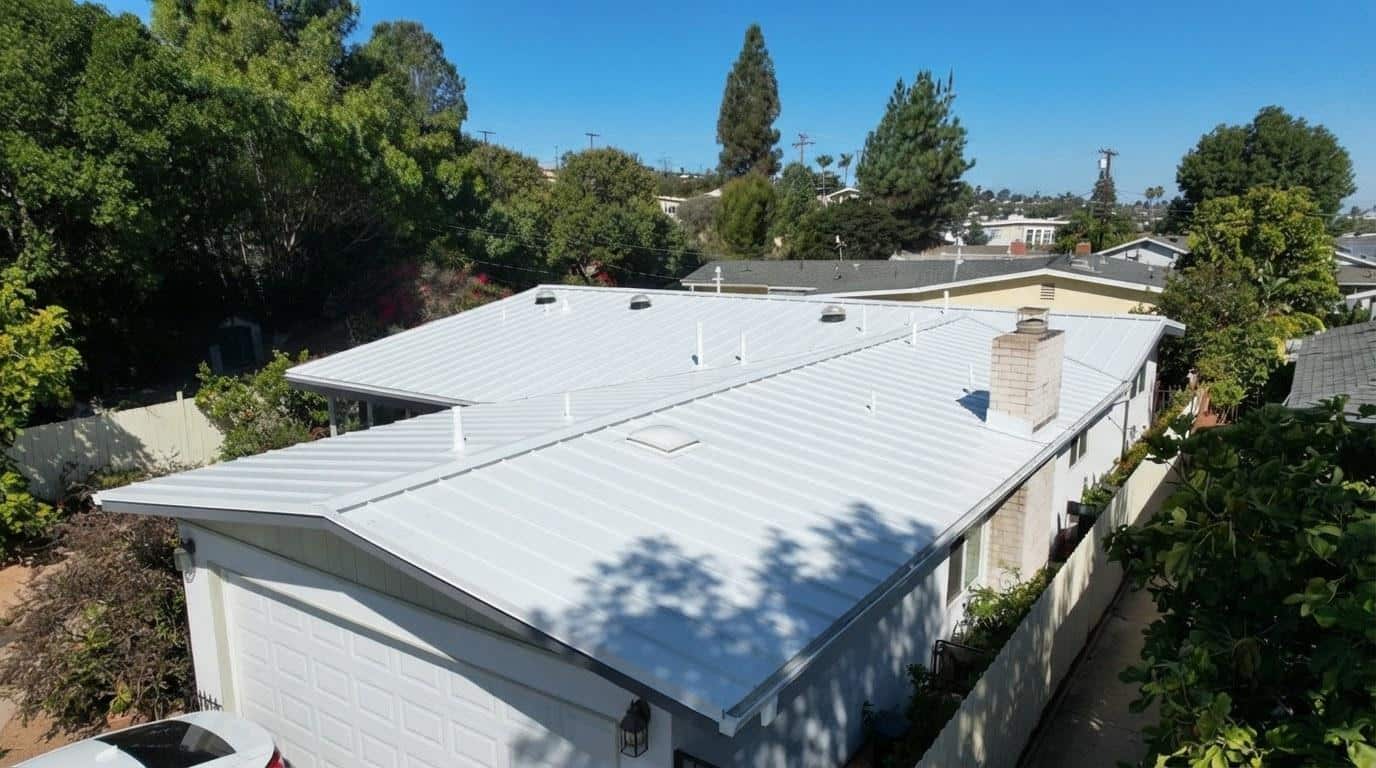
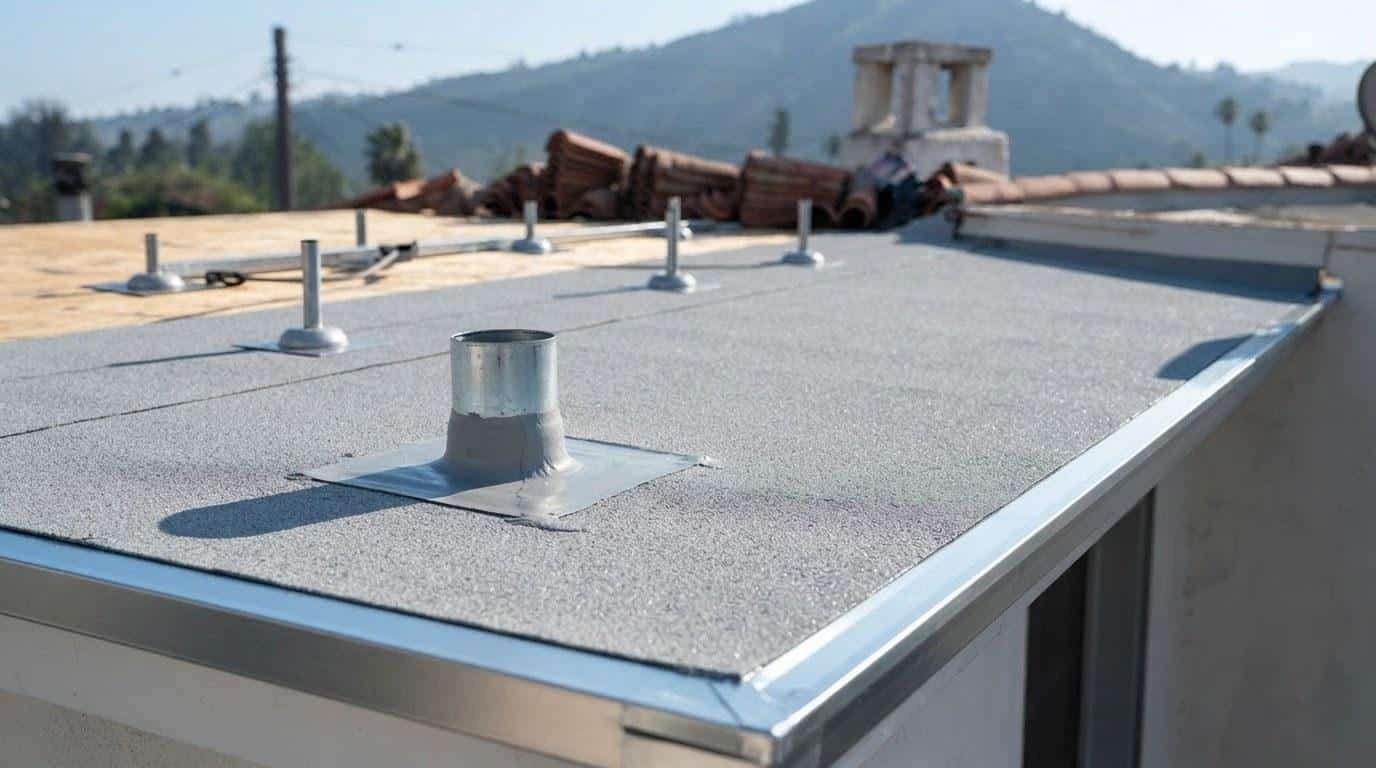
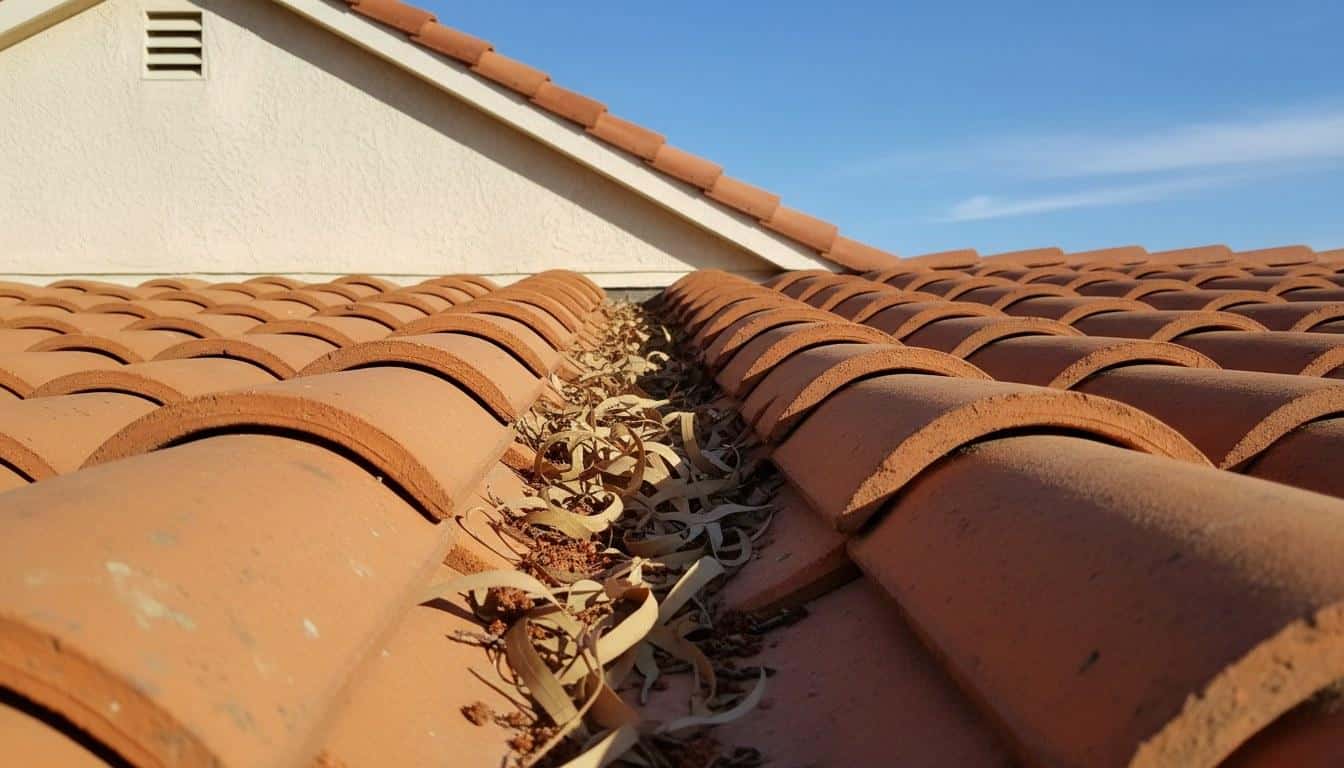
- Roof type and material: A standard asphalt shingle roof is the most straightforward to inspect. Flat roofs, torch down roofing, tile, and metal roofs each require different inspection methods and more specialized knowledge, which can add to the cost.
- Purpose of the inspection: A pre-purchase inspection for a home sale often includes a written report and a formal roof certification letter, which adds time and liability for the inspector. These typically cost more than a simple maintenance check.
- Drone or infrared technology: Some inspectors use thermal imaging cameras or drones to find hidden moisture or heat loss. These tools add accuracy but also add cost, often $100 to $300 on top of the base fee.
- Accessibility: Homes with difficult access, such as those on steep hillsides common across Los Angeles County, may require additional equipment or time, which the inspector will factor into the quote.
What Do Different Types of Roof Inspections Cost?
The type of inspection you need is the single biggest driver of price after roof size. A maintenance check costs far less than a certified inspection tied to a real estate transaction. The table below shows typical market ranges for the most common inspection scenarios in the California market.
| Inspection Type | Typical Market Range | What Is Usually Included |
|---|---|---|
| Basic visual inspection | $150 to $250 | Walk of the roof surface, check of visible shingles or membrane, basic written summary |
| Pre-purchase or real estate inspection | $300 to $600 | Detailed written report, roof certification letter, estimated remaining lifespan, photo documentation |
| Flat roof or torch down roofing inspection | $250 to $450 | Membrane condition check, seam and flashing review, drainage assessment, written report |
| Drone or infrared thermal inspection | $400 to $700 | Aerial imagery, thermal scan for hidden moisture, detailed digital report |
| Insurance or storm damage inspection | $200 to $500 | Damage documentation for insurance claim, photo evidence, written estimate of affected areas |
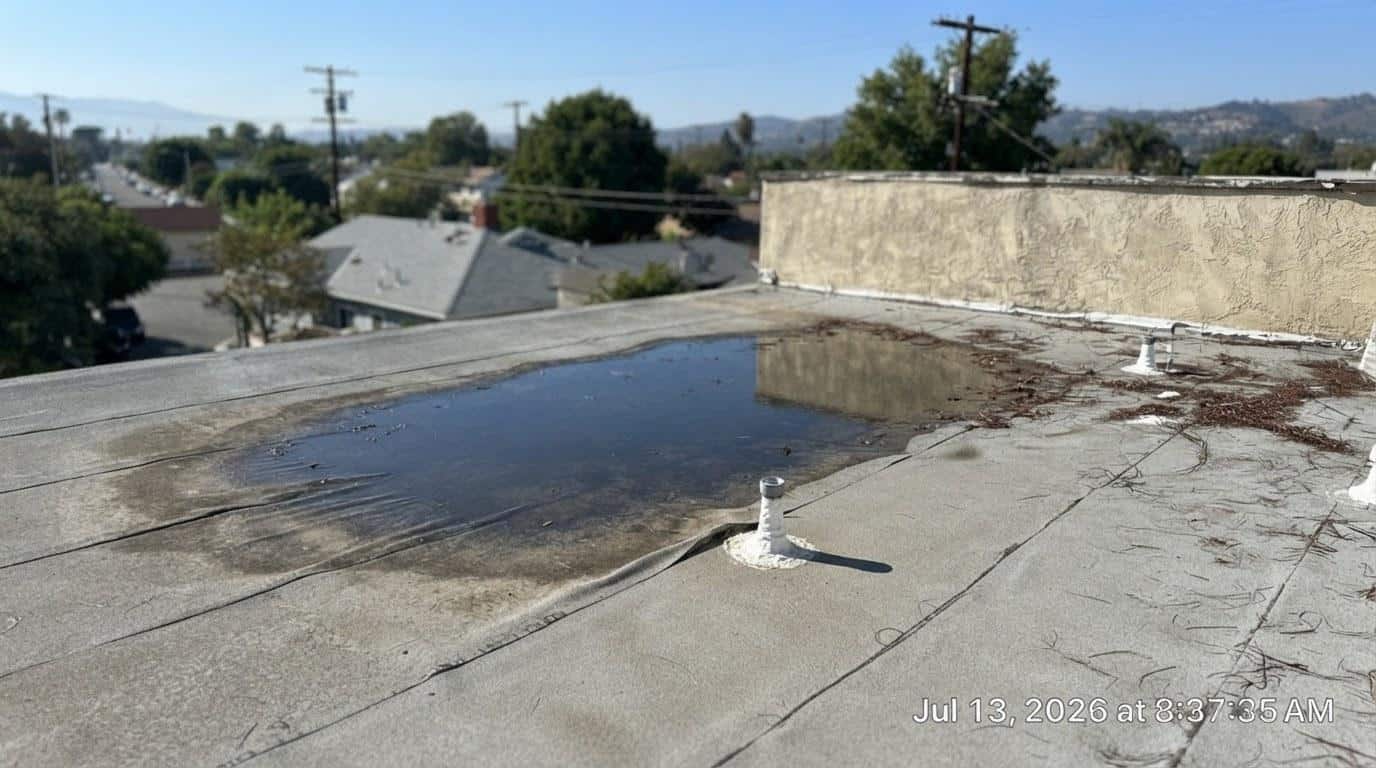
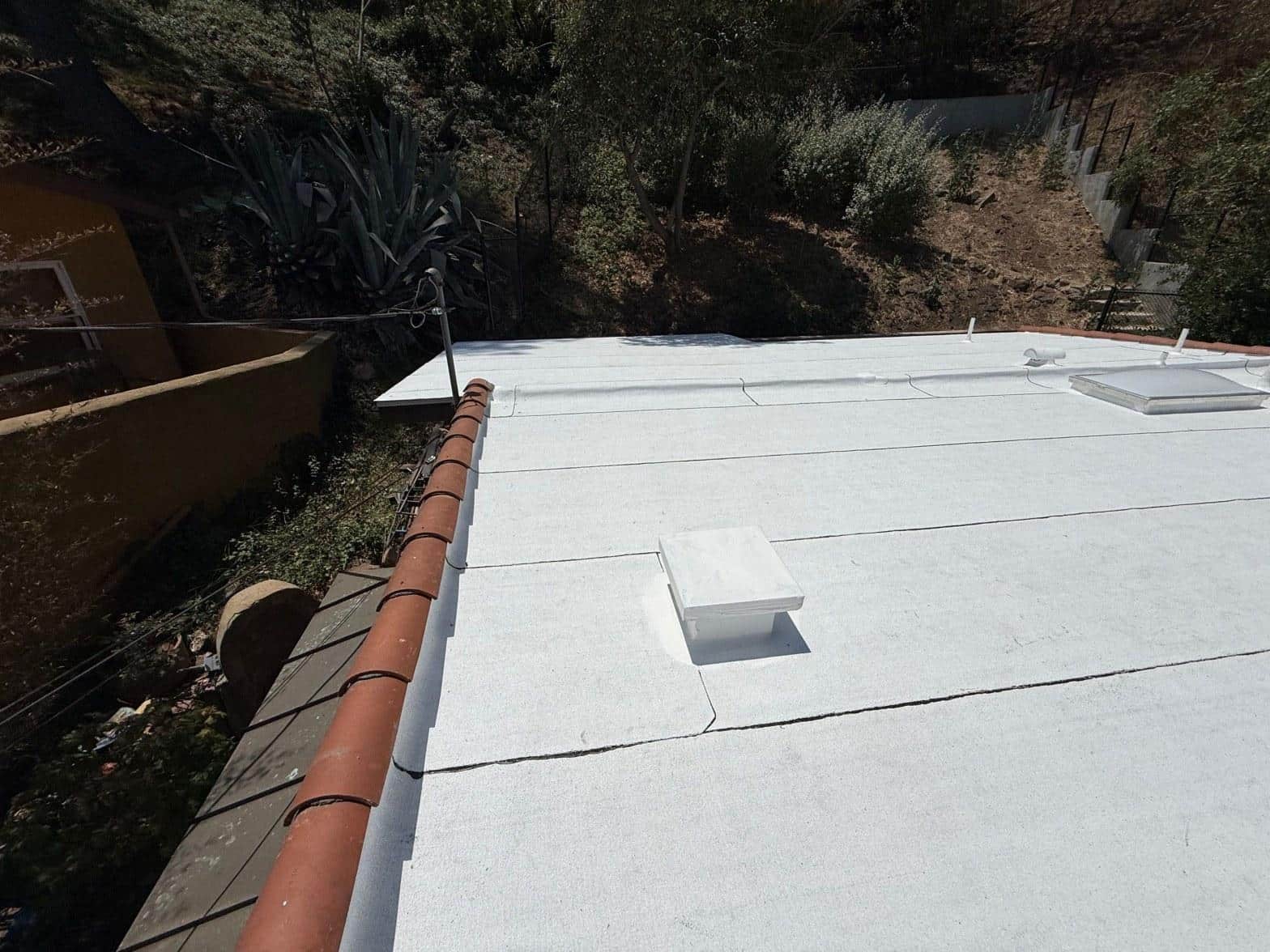
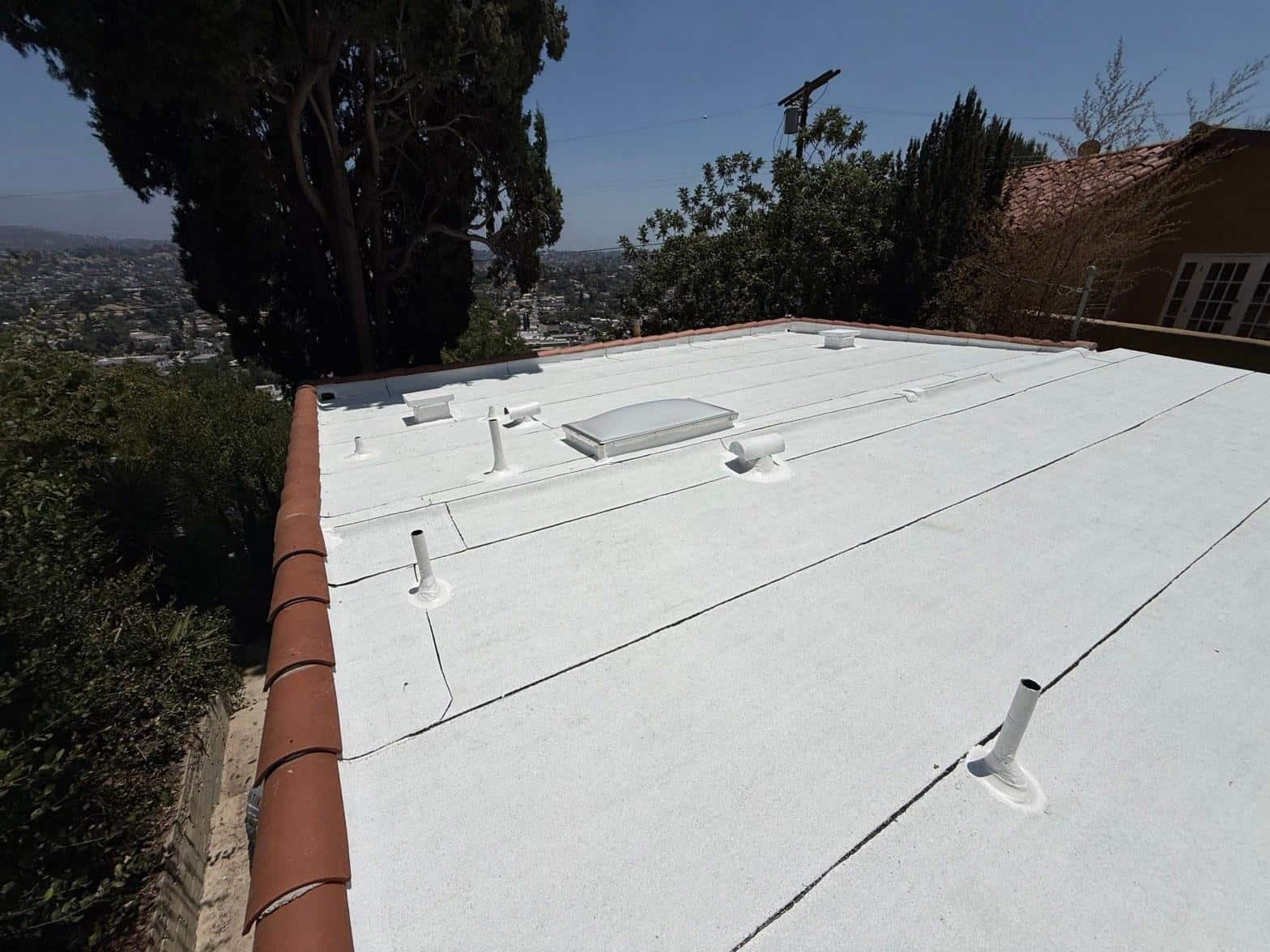
Flat roof repair and maintenance inspections deserve special attention in the California market. Flat roofs are common on commercial buildings and many mid-century homes across the region. Because water pools rather than runs off, even small membrane failures can cause significant interior damage. Inspectors spend more time checking seams, drains, and penetration points on these roofs, which is reflected in the price.
Flat roofs are common on commercial buildings and many mid-century homes across the region, and even small membrane failures can cause significant interior damage.
On re-roofs, our crews almost always find the original flashing reused at the chimney or parapet wall. That is typically where the leak the homeowner called about actually starts, and a thorough inspection catches it before any new material goes down.
What Is NOT Included in a Standard Roof Inspection?
A standard roof inspection covers the condition of visible roofing materials and components. It does not include repairs, attic moisture testing, structural engineering, or gutter cleaning. Homeowners are often surprised by what falls outside the base fee.
- Repairs or replacement: An inspection identifies problems but does not fix them. Any repair work is quoted and billed separately.
- Attic inspection: Some inspectors will check the attic for signs of moisture or inadequate ventilation, but many charge an additional fee for this service. It is worth asking upfront.
- Gutter and drainage cleaning: Inspectors note the condition of gutters and drainage systems, but cleaning them out is a separate service. Gutter and drainage services are typically quoted independently.
- Structural or engineering assessment: If an inspector finds signs of structural movement or framing damage, they will flag it. A licensed structural engineer must evaluate and certify any structural findings, and that is a separate engagement.
- Roof certification for insurance renewals: Some insurance carriers require a standalone roof certification letter, not just an inspection report. Confirm with your carrier what format they accept before booking.
- Permits: If your local jurisdiction requires a permit for an inspection (rare but possible for certain commercial properties), that fee is separate from the inspector’s charge.
California’s California Contractors State License Board (CSLB) requires roofing contractors who perform inspections as part of a repair or replacement scope to hold an active C-39 license. Always verify a contractor’s license status before signing any inspection agreement.
What Does an Inspector Actually Check?
A qualified inspector evaluates every major component of your roof system, not just the surface material. A thorough inspection typically takes 45 minutes to 2 hours depending on roof size and complexity. Here is what a professional roof inspection covers.
- Shingles or roofing membrane: The inspector checks for cracking, curling, blistering, missing pieces, granule loss on asphalt shingles, or membrane separation on flat roofs.
- Flashing: Metal flashing around chimneys, skylights, vents, and valleys is one of the most common failure points. Inspectors check for rust, gaps, and improper sealing.
- Gutters and drainage: Clogged or sagging gutters can cause water to back up under the roofline. The inspector notes condition and slope.
- Soffit and fascia: These boards protect the roof edge and attic ventilation. Rot or pest damage here often signals a longer moisture problem.
- Ventilation: Poor attic ventilation accelerates shingle deterioration and can void manufacturer warranties. The U.S. Department of Energy recommends a minimum of 1 square foot of ventilation for every 150 square feet of attic floor space.
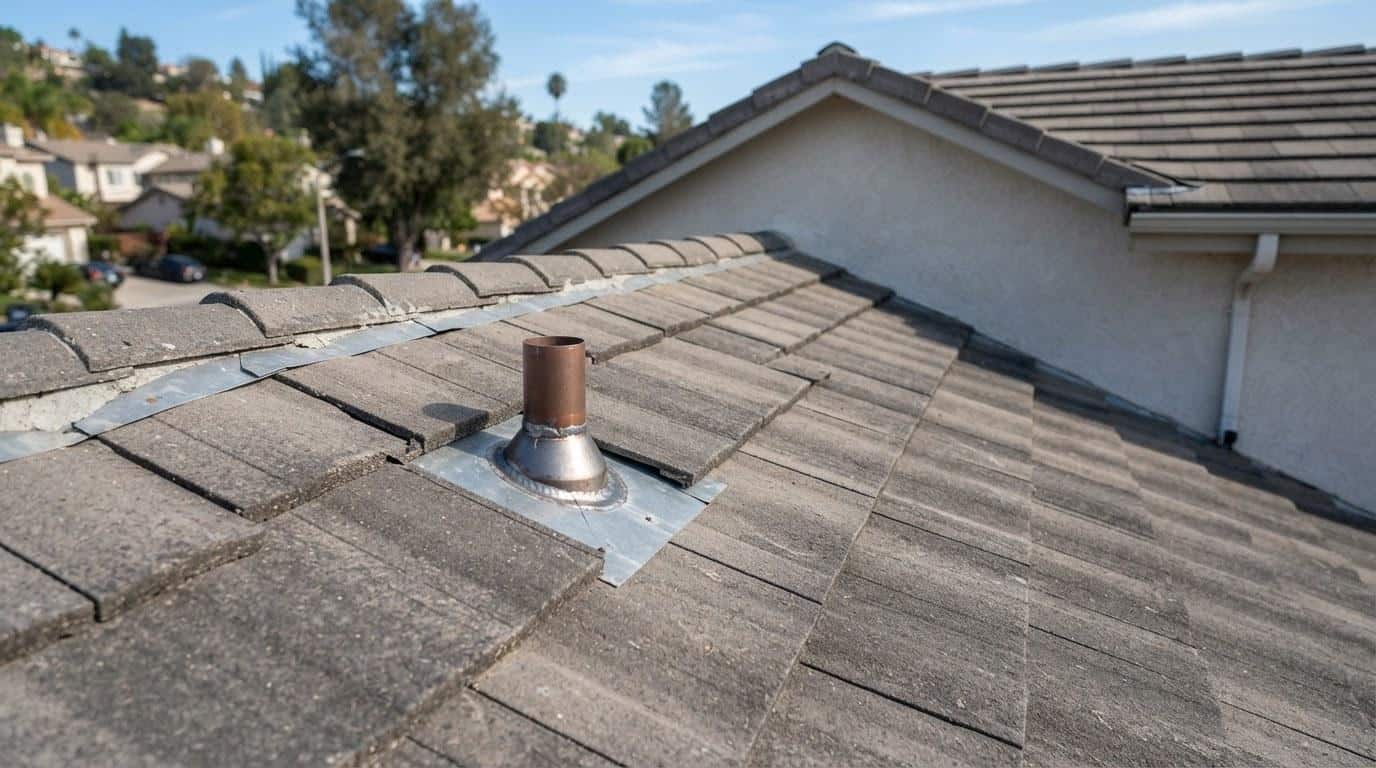
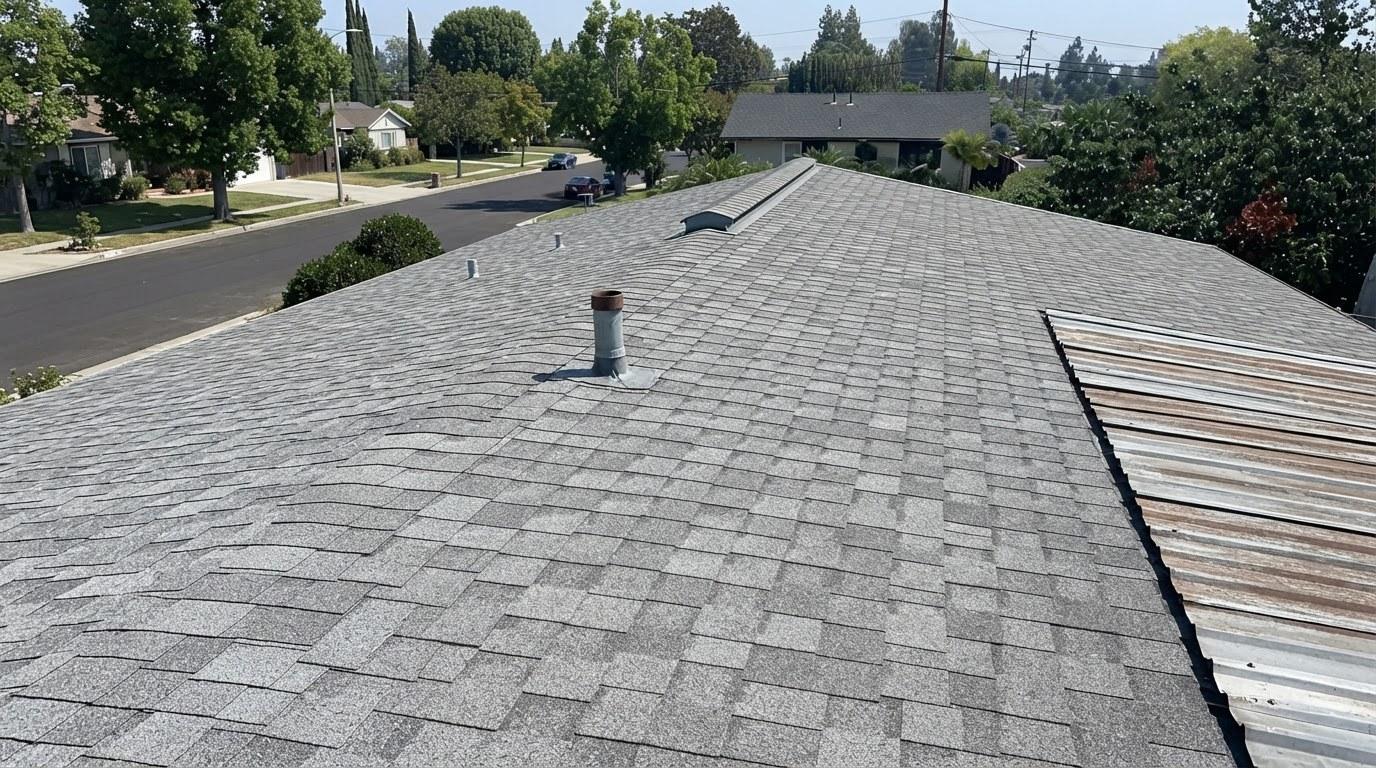
- Penetrations: Every pipe, vent, or skylight that passes through the roof is a potential leak point. Inspectors check the boots and seals around each one.
- Overall age and remaining lifespan: A standard asphalt shingle roof has a lifespan of 20 to 30 years. The inspector estimates how many years of useful life remain, which is critical information for buyers and insurance carriers.
We see a consistent pattern when inspecting roofs on homes built in the 1970s and 1980s: the original pipe boots have hardened and cracked at the base, which is almost never visible from the ground but shows up clearly once someone is on the roof.
As of 2024, California’s Title 24 building energy standards also require that re-roofing projects on residential buildings meet cool roof reflectance requirements in certain climate zones. A thorough inspection will flag whether your existing roof material would comply if a replacement were needed, which matters for permitting.
How Do You Get an Accurate Roof Inspection Quote?
The most accurate quotes come from contractors who can see your roof before they price the inspection. Providing a few key details upfront lets a roofing company give you a reliable range without a site visit.
Have the following information ready when you call or submit a quote request:
- Home size and number of stories: A rough square footage of your home helps the inspector estimate roof area. Single-story versus two-story matters for safety setup time.
- Roof type and material: Know whether you have asphalt shingles, tile, metal, or a flat membrane such as torch down roofing. If you are unsure, a photo helps.
- Age of the roof: If you know when the roof was last replaced, share it. A roof over 15 years old may need a more thorough evaluation than a newer one.
- Purpose of the inspection: Tell the contractor whether this is a routine maintenance check, a pre-purchase inspection, an insurance claim, or a roof certification for a sale or refinance. The purpose changes the scope and the deliverable.
- Any known problem areas: If you have noticed staining on ceilings, missing shingles after a storm, or standing water on a flat roof, mention it. A roof repair specialist will prioritize those areas in the inspection.
- Access considerations: Mention any access challenges such as a steep hillside lot, locked side gates, or low-hanging trees near the roofline.
Getting at least two quotes from licensed roofing companies is a reasonable approach. Compare not just the price but what each quote includes: a verbal summary versus a written report with photos is a meaningful difference, especially if you need documentation for an insurance carrier or a real estate transaction.
Get a Roof Inspection Quote from Roof Replacement Inc
The market ranges in this guide reflect typical pricing across the California region. Your actual roof inspection cost depends on the specific size, type, slope, and purpose of your inspection. A written quote from a licensed contractor is the only way to know your exact number.
Roof Replacement Inc serves homeowners and property owners across Los Angeles County and surrounding communities. The team is licensed by the California Contractors State License Board (CSLB) and handles the full range of roofing services, from routine inspections and roof certification to full roof replacement and flat roof repair.
Call (213) 364-3979 to request a custom inspection quote. Have your roof type, home size, and inspection purpose ready and the team will walk you through what to expect before any work begins.
Explore our full range of roofing services across Southern California.
Frequently Asked Questions
How much does a roof inspection usually cost in California?
A standard residential roof inspection in the California market typically costs between $150 and $600. Most homeowners pay somewhere in the $200 to $400 range. The final number depends on roof size, roof type, slope, and whether you need a formal written report or roof certification letter.
Is a roof inspection worth the cost before buying a home?
Yes, a pre-purchase roof inspection is one of the most cost-effective steps a buyer can take. Identifying a roof that needs replacement before closing can save tens of thousands of dollars in unexpected repair costs. The inspection fee is small compared to the cost of a full roof replacement, which typically ranges from $8,000 to $25,000 or more depending on size and materials.
How long does a roof inspection take?
Most residential roof inspections take between 45 minutes and 2 hours. A simple single-story home with a straightforward roofline is on the shorter end. A large home with a complex roofline, multiple penetrations, or a flat roof membrane that requires careful seam checks will take longer.
Do I need a roof certification and is it different from an inspection?
A roof certification is a formal document, usually issued by a licensed roofing contractor, that states the roof is in acceptable condition and estimates its remaining lifespan. It is often required by insurance carriers or lenders during a home sale or refinance. A standard inspection produces a condition report, while a certification is a specific deliverable that carries more liability for the contractor and typically costs more.
Can I get a free roof inspection from a roofing company?
Some roofing companies offer free inspections as part of a sales process, particularly after a storm event. These can be useful, but a free inspection from a contractor who also wants to sell you a repair may not be as objective as a paid inspection from an independent inspector. For real estate transactions or insurance purposes, a paid inspection with a written report is generally more credible and more useful.
Related Articles




What Our Clients Say


Roof Replacement Inc. offers professional, high-quality work, guaranteed (call for details); ensuring all clients projects meet all code and design requirements. We are dedicated to exceptional customer service and will strive to ensure you with the highest quality roofing services. Roof Replacement Inc. offers lifetime warranty (call for details) on all of our workmanship to ensure the quality of our work. With over 40 years of combined experience within the roofing and construction industry, Roof Replacement Inc. has grown and developed in all areas of roofing construction, including roof inspections. As a leading residential and commercial roofing company in LA, we have hundreds of references from previous clients, so rest assured, that your roofing job will be done right the first time. Replacing an old roof can help add curb appeal and will increase the perceived value of your home. First impressions are vital when selling your home, especially when your roof takes up more than half of the exterior of your residence or business. Not only is the return of investment on a new roof attractive for potential buyers, but can be as beneficial as remodeling the kitchen or bathrooms within your residence.

