Trying to decide between a cool roof and a white roof coating for California's brutal summer heat? This guide breaks down the real differences, costs, and which option delivers better long-term value.
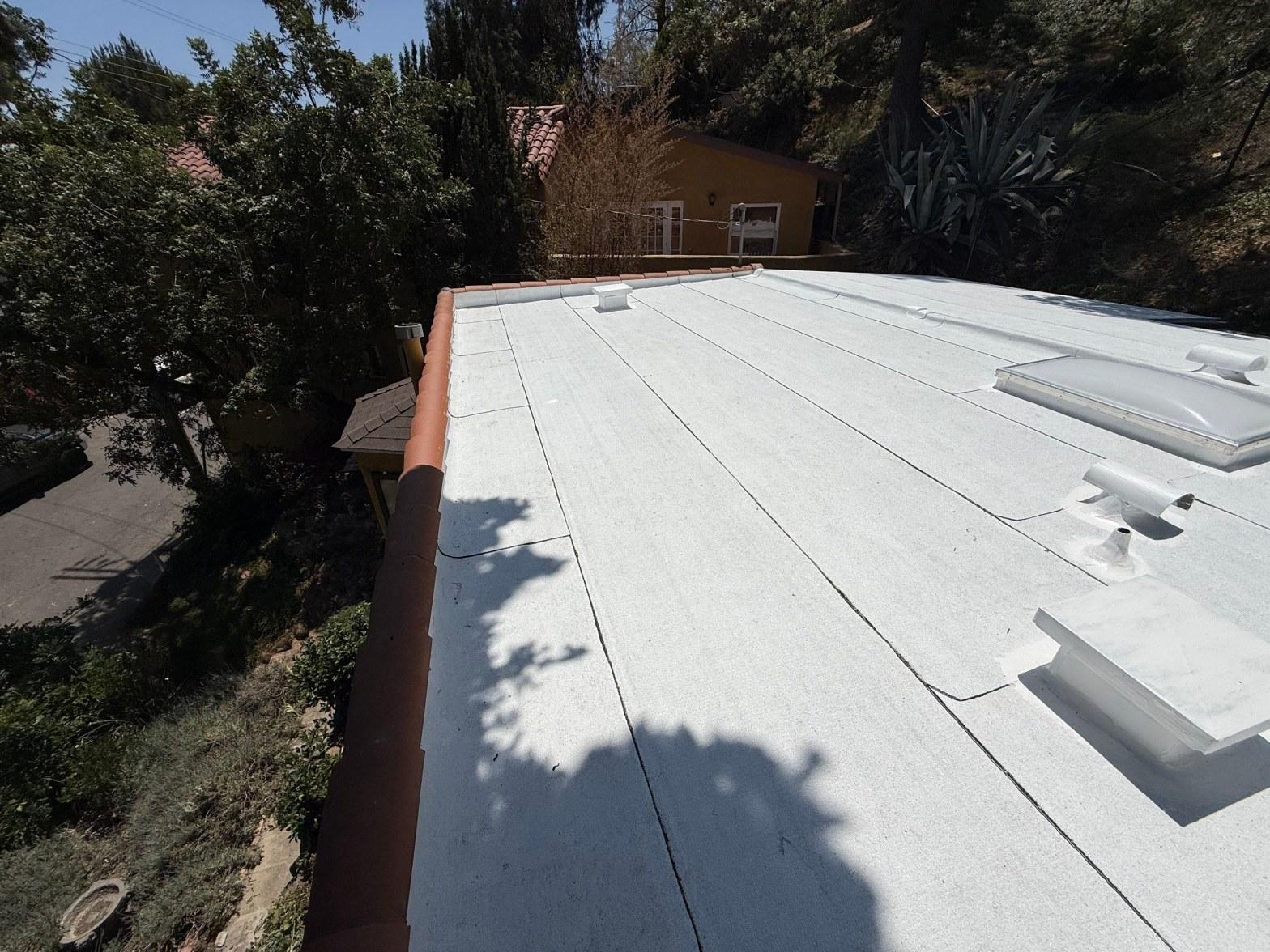
When comparing cool roof vs white roof coating california homeowners have two solid heat-fighting options — but they work differently and suit different situations. A cool roof is a full roofing system built with high-reflectance materials. A white roof coating is a liquid product applied over an existing roof surface to improve its solar reflectance. Both can cut attic temperatures and reduce air conditioning bills during California’s intense summer months, but the right choice depends on your roof’s age, condition, and your budget.
What Is a Cool Roof and How Does It Work?
A cool roof is a roofing system designed to reflect more sunlight and absorb less heat than a standard roof. It achieves this through two measurable properties: solar reflectance (how much sunlight bounces off) and thermal emittance (how quickly the roof releases absorbed heat). The U.S. Department of Energy notes that cool roofs can lower roof surface temperatures by up to 50°F compared to conventional dark roofs on a hot day.
Cool roof materials include:
- Cool-color asphalt shingles: Granules coated with special pigments that reflect near-infrared light even in darker shades.
- Single-ply membranes (TPO, PVC): Common on flat and low-slope roofs; white or light-colored and highly reflective right out of the box.
- Metal roofing with cool pigments: Reflects solar energy while lasting 40 to 70 years.
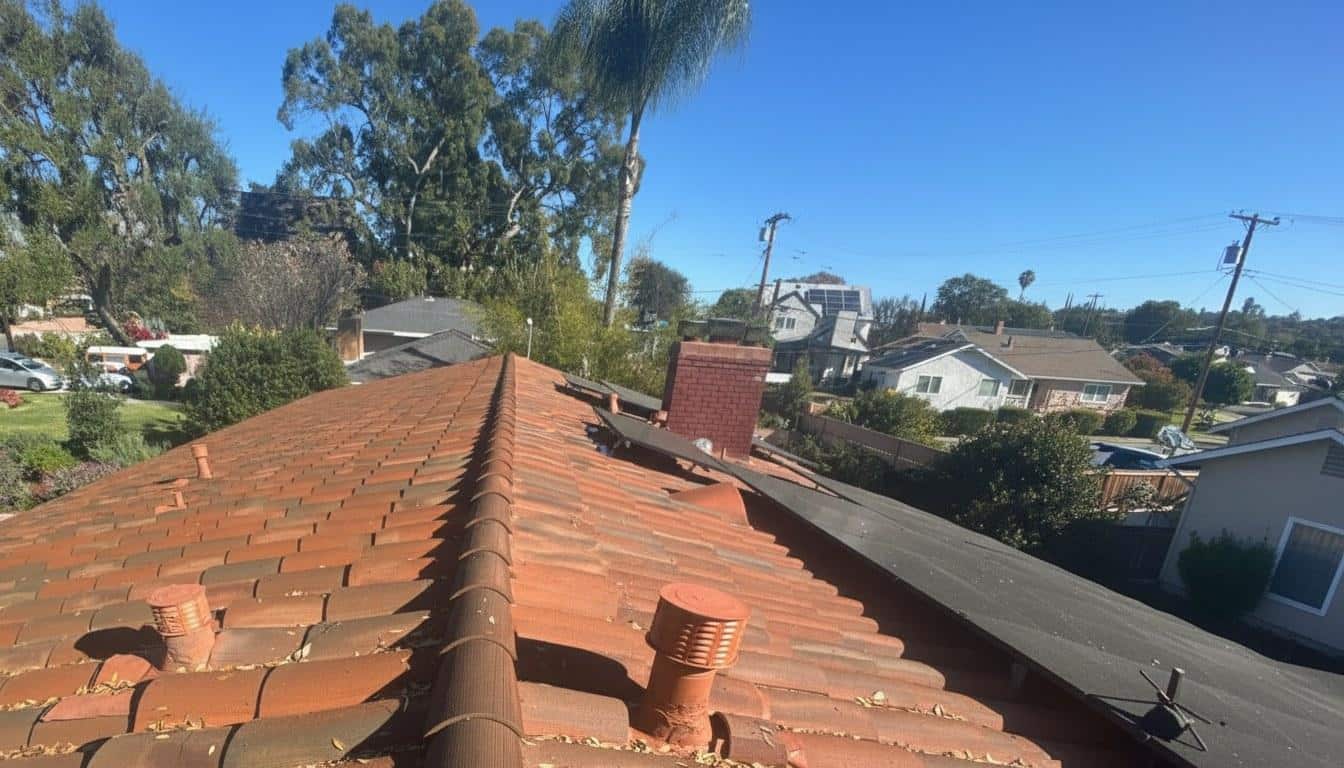
- Cool-rated clay or concrete tile: Naturally high emittance, widely used across Southern California.
To qualify as a cool roof under California’s Title 24 building energy standards, steep-slope roofing products must meet minimum aged solar reflectance of 0.20 and thermal emittance of 0.75. Low-slope products face stricter thresholds: aged reflectance of at least 0.63 and emittance of 0.75. These numbers matter when you pull a permit for a re-roof in California.
Our crews have replaced roofing on more than 60 California homes in the past 12 months where the old dark asphalt shingles were pushing attic temps above 140°F by mid-afternoon — switching to a Title 24-compliant cool roof system consistently brought those readings down by 40 to 55°F.
What Is a White Roof Coating and What Does It Actually Do?
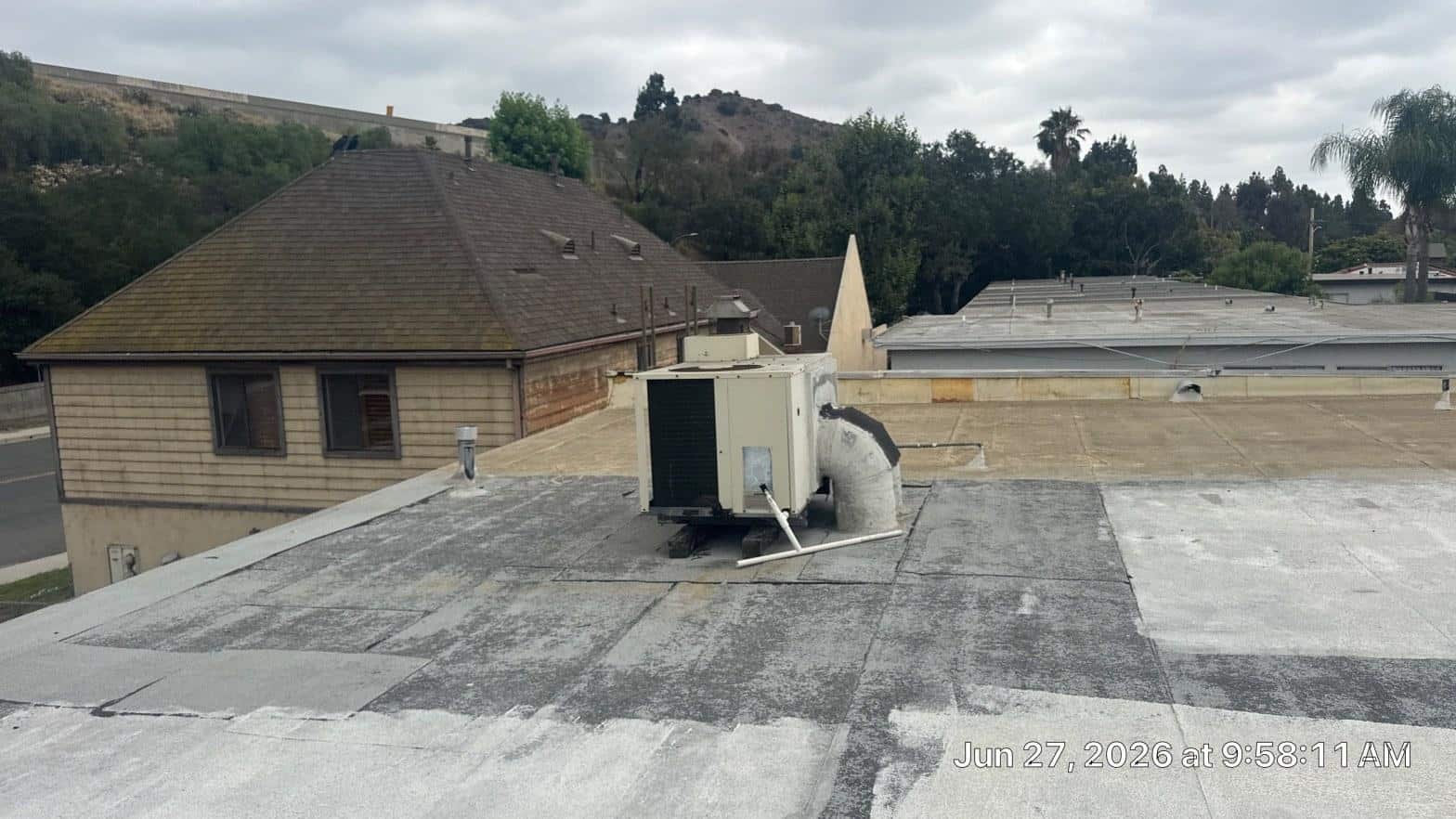
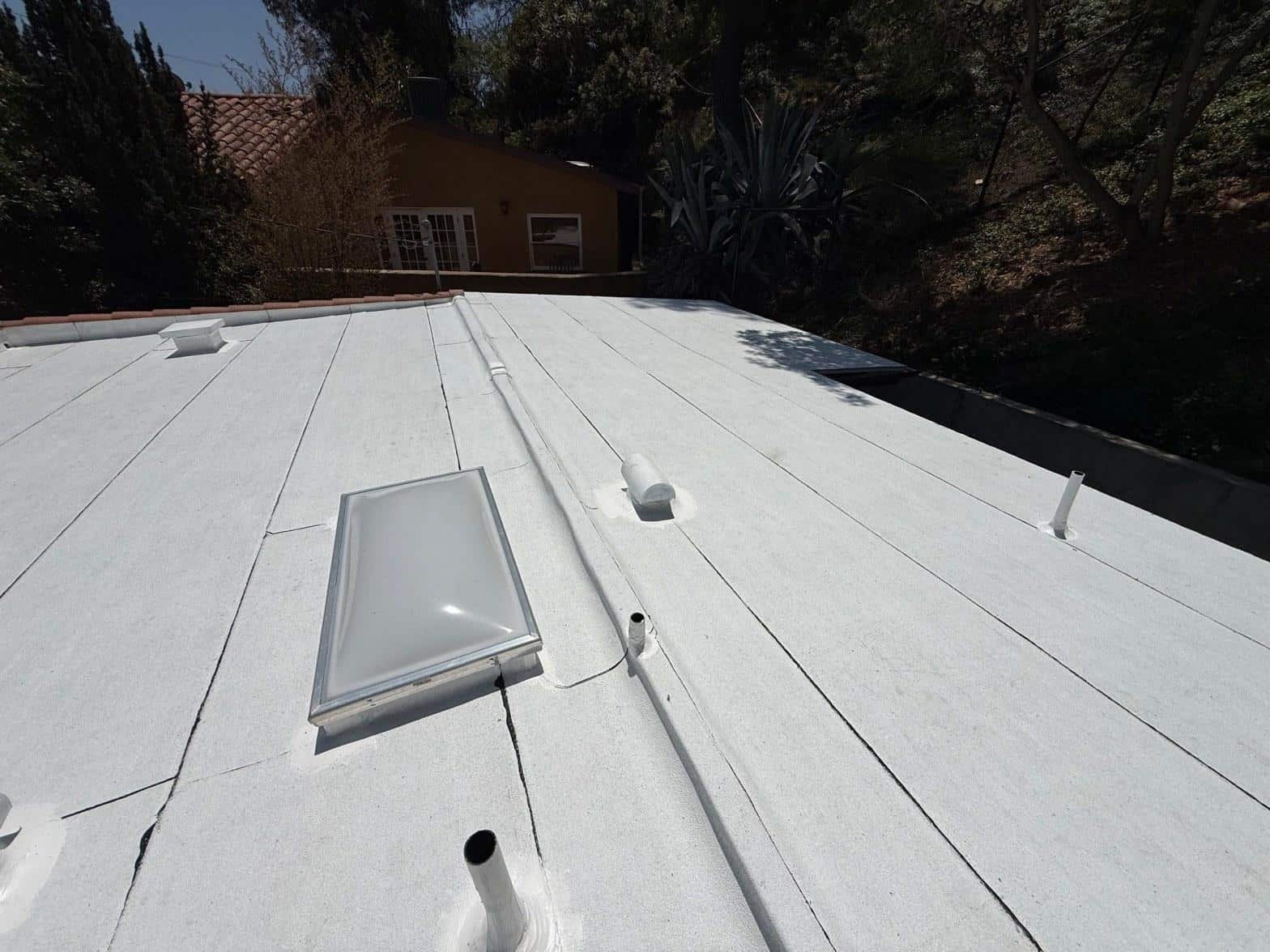
A white roof coating is a thick, liquid-applied membrane — usually acrylic, silicone, or elastomeric — that is rolled or sprayed directly onto an existing roof surface to create a bright, reflective layer. It is not a new roof. It is a protective upgrade applied on top of what you already have.
White roof coatings work best on flat or low-slope roofs — think commercial-style roofs, older built-up roofs (BUR), modified bitumen, or metal roofs in decent condition. The coating seals minor cracks and seams, adds UV protection, and dramatically raises the roof’s solar reflectance. A quality elastomeric white coating can push solar reflectance above 0.80, which is higher than many roofing materials fresh from the factory.
Key characteristics of white roof coatings:
- Application method: Rolled, brushed, or spray-applied in one or two coats, typically 20 to 30 mils thick when dry.
- Lifespan: Most products last 10 to 15 years before recoating is needed, depending on UV exposure and foot traffic.
- Eligibility: The existing roof must be structurally sound and free of active leaks. Coating over a failing roof traps moisture and accelerates damage.
- ENERGY STAR ratings: Many white coating products carry an ENERGY STAR label, confirming they meet EPA reflectance benchmarks.
White coatings do not add structural value. If your roof deck has soft spots, rot, or widespread membrane failure, a coating will not fix those problems — it will hide them temporarily and make them worse.
Cool Roof vs. White Roof Coating California: A Side-by-Side Comparison
The core difference between a cool roof and a white roof coating comes down to whether you are replacing your roofing system or upgrading the one you have. Both improve solar reflectance, but a full cool roof system delivers more durable, code-compliant performance across a wider range of roof types and climates found throughout California.
| Factor | Cool Roof System | White Roof Coating |
|---|---|---|
| Best for | Any roof type, any slope, new or replacement | Flat/low-slope roofs in good structural condition |
| Solar reflectance | 0.20 to 0.85+ depending on material | 0.70 to 0.85+ for quality white coatings |
| Lifespan | 20 to 70 years depending on material | 10 to 15 years before recoating |
| California Title 24 compliance | Yes, when products meet CEC thresholds | Yes, on qualifying low-slope surfaces |
| Addresses structural issues | Yes — full tear-off and replacement option | No — existing deck must already be sound |
| ENERGY STAR eligible products | Yes | Yes |
| Inflation Reduction Act tax credit eligibility | Yes, for qualifying cool roof products (30% credit) | Limited — check current IRS guidance |
| Typical project disruption | 1 to 3 days for residential re-roof | 1 day for most flat roofs |
| Long-term cost efficiency | Higher upfront, lower cost per year of service | Lower upfront, recurring recoating cost every 10-15 years |
One important note for California homeowners: as of 2024, the Inflation Reduction Act federal tax credit covers 30% of the cost of qualifying energy-efficient roofing improvements, up to $1,200 per year. Cool roof products that meet ENERGY STAR requirements are more consistently listed as eligible than standalone coatings. Always confirm with your tax advisor before filing.
The Inflation Reduction Act federal tax credit covers 30% of qualifying energy-efficient roofing improvements, up to $1,200 per year.
How Much Do These Options Cost in California?
In the California market, white roof coatings typically range from $1.50 to $4.00 per square foot installed, while a full cool roof replacement generally runs $5.00 to $15.00 or more per square foot depending on material and roof complexity. These are regional market ranges — actual project costs vary based on roof size, slope, existing condition, and material choice.
Factors that push costs higher for either option:
- Roof size and pitch: Steeper slopes require more safety equipment and labor time.
- Tear-off layers: California building code generally allows up to two layers of roofing before a full tear-off is required. Removing old layers adds cost but also reveals hidden deck damage.
- Material choice: TPO membrane for a flat cool roof costs less than standing-seam metal. Silicone coatings cost more per gallon than acrylic but outperform in ponding-water conditions.
- Permit fees: Re-roofing in most California counties requires a permit. Coating-only projects sometimes do not, but check with your local building department.
- Deck repairs: Any rotted sheathing discovered during tear-off adds material and labor cost.
For a 2,000-square-foot flat commercial-style roof, a white coating project in this market typically runs $3,000 to $8,000. A full cool roof replacement on the same footprint using TPO membrane typically runs $10,000 to $20,000 or more. The coating costs less today, but the cool roof lasts two to four times longer before the next major investment. Contact Roof Replacement Inc for a custom quote specific to your roof’s size and condition.
Which Option Saves More Energy in California’s Climate?
Both cool roofs and white roof coatings reduce cooling loads, but a properly specified cool roof system delivers more consistent energy savings across California’s varied climate zones. California has 16 distinct climate zones defined by the California Energy Commission, ranging from mild coastal areas to extreme inland valleys where summer temperatures regularly exceed 105°F.
In hot inland zones — think the Central Valley, Inland Empire, and high-desert communities — a cool roof can reduce air conditioning energy use by 10% to 20% annually compared to a standard dark roof, according to U.S. Department of Energy modeling. White coatings on flat roofs in the same zones show similar peak-day savings, but their reflectance degrades faster due to dust, smog, and UV exposure. A coating that starts at 0.82 reflectance may drop to 0.65 within five years without cleaning and maintenance.
In mild coastal climate zones, the energy savings from either option are smaller — sometimes 5% to 10% — because ambient temperatures are lower and air conditioning runs less frequently. In those zones, the decision often comes down to roof lifespan and maintenance cost rather than peak energy savings.
Across our service calls on residential roofing projects in California’s hotter inland counties, we consistently see attic temperature drops of 30 to 50°F after a cool roof installation compared to the removed dark-shingle system — translating directly to lower afternoon AC demand during the August peak cooling season.
When Should You Choose One Over the Other?
Choose a full cool roof system when your existing roof is approaching the end of its useful life, has structural issues, or when you want the longest-lasting, most code-compliant solution. Choose a white roof coating when your existing roof is flat or low-slope, structurally sound, and you want a cost-effective heat-reduction upgrade without a full replacement.
Go with a cool roof replacement if:
- Your roof is 15 to 20 or more years old and showing widespread wear.
- You have active leaks, soft spots in the deck, or multiple layers of old roofing already in place.
- You are renovating or adding square footage and need a permit anyway.
- You want to qualify for the Inflation Reduction Act federal tax credit on roofing materials.
- You have a steep-slope roof where coatings are not practical or durable.
- You want a roof certification for a home sale or refinance.
Go with a white roof coating if:
- Your flat or low-slope roof is under 10 years old and structurally sound.
- A licensed inspector has confirmed no active moisture intrusion or deck damage.
- You need to reduce cooling costs quickly with a lower upfront investment.
- You manage a commercial or multi-unit property and want to extend roof life before a full replacement cycle.
One situation where neither a coating nor a standard cool roof is enough: if your roof deck is compromised by water damage or termite activity, no surface product will solve the underlying problem. A qualified roofing contractor — licensed by the California Contractors State License Board (CSLB) — should inspect the deck before any work begins. Skipping that step is the most common mistake homeowners make when trying to extend a roof’s life on a budget.
Get the Right Roof for California’s Heat
The best way to choose between a cool roof and a white roof coating is to have a licensed contractor assess your existing roof’s condition, slope, and age before committing to either path. A roof that looks fine from the ground may have moisture damage that makes a coating a short-term fix at best.
Roof Replacement Inc works with homeowners and property managers across Southern California to evaluate, specify, and install both cool roof systems and reflective roof coatings. Whether you need a full residential roofing replacement or a targeted coating upgrade on a flat commercial-style roof, our team can walk you through the options that meet California’s Title 24 standards and fit your budget.
Call (213) 364-3979 to schedule your roof assessment. Get a written quote before any work begins, and ask about current ENERGY STAR-rated products that may qualify for the Inflation Reduction Act federal tax credit. Serving homeowners and property owners across Southern California.
Explore our full range of roofing services across Southern California.
Frequently Asked Questions
Is a cool roof the same thing as a white roof coating?
No, they are different products. A cool roof is a full roofing system made with specially engineered materials that reflect sunlight. A white roof coating is a liquid product applied over an existing roof surface to boost its reflectance. Both can reduce heat absorption, but a cool roof system is a more comprehensive, longer-lasting solution.
How much money can I save on my energy bill with a cool roof in California?
In California's hotter inland climate zones, a cool roof can reduce air conditioning energy use by roughly 10% to 20% annually compared to a standard dark roof. Savings are smaller in mild coastal areas, typically 5% to 10%, because those regions run AC less often. Actual savings depend on your home's insulation, HVAC efficiency, and local climate zone.
How long does a white roof coating last before it needs to be redone?
Most quality white roof coatings last 10 to 15 years before recoating is needed. However, in California's high-UV inland areas, reflectance can degrade faster due to dust and smog buildup. Regular cleaning can help maintain performance closer to the upper end of that range.
Do I need a permit to apply a white roof coating in California?
In most California jurisdictions, a coating-only project on an existing roof does not require a building permit, but requirements vary by county and city. A full roof replacement always requires a permit. Check with your local building department before starting any roofing project, and make sure your contractor is licensed by the California Contractors State License Board (CSLB).
Can I get a tax credit for installing a cool roof in California?
As of 2024, the Inflation Reduction Act federal tax credit covers 30% of the cost of qualifying energy-efficient roofing improvements, up to $1,200 per year. Cool roof products that carry an ENERGY STAR rating are more consistently eligible than standalone coatings. Always confirm eligibility with a tax advisor before filing, as rules can change.
Related Articles




What Our Clients Say











Roof Replacement Inc. offers professional, high-quality work, guaranteed (call for details); ensuring all clients projects meet all code and design requirements. We are dedicated to exceptional customer service and will strive to ensure you with the highest quality roofing services. Roof Replacement Inc. offers lifetime warranty (call for details) on all of our workmanship to ensure the quality of our work. With over 40 years of combined experience within the roofing and construction industry, Roof Replacement Inc. has grown and developed in all areas of roofing construction, including roof inspections. As a leading residential and commercial roofing company in LA, we have hundreds of references from previous clients, so rest assured, that your roofing job will be done right the first time. Replacing an old roof can help add curb appeal and will increase the perceived value of your home. First impressions are vital when selling your home, especially when your roof takes up more than half of the exterior of your residence or business. Not only is the return of investment on a new roof attractive for potential buyers, but can be as beneficial as remodeling the kitchen or bathrooms within your residence.

