Choosing between roof removal and a roof overlay depends on your existing roof's condition, local building codes, and long-term budget. This guide breaks down both options so you can make a confident decision.
What Is the Difference Between Roof Removal and Roof Overlay?
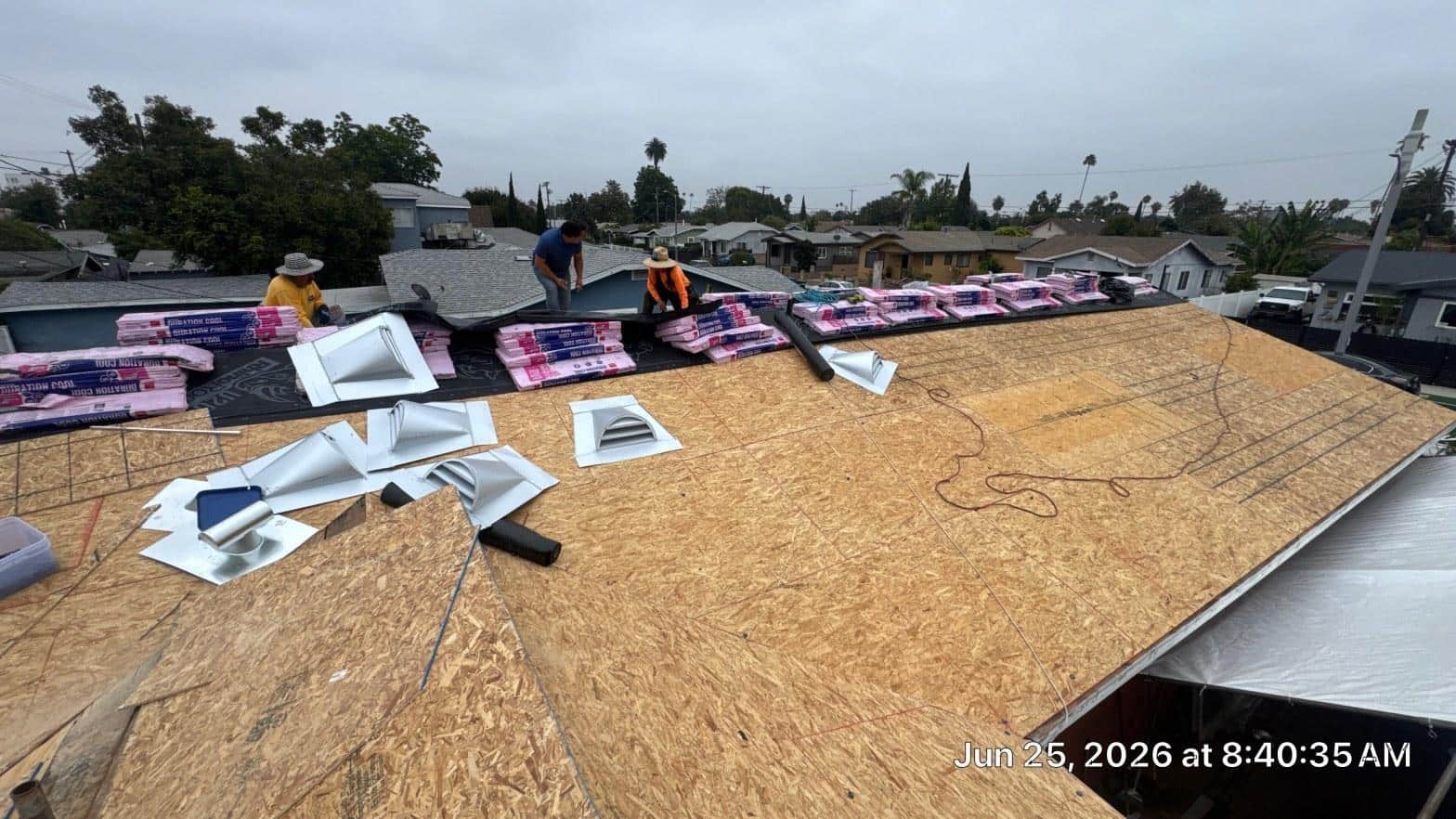
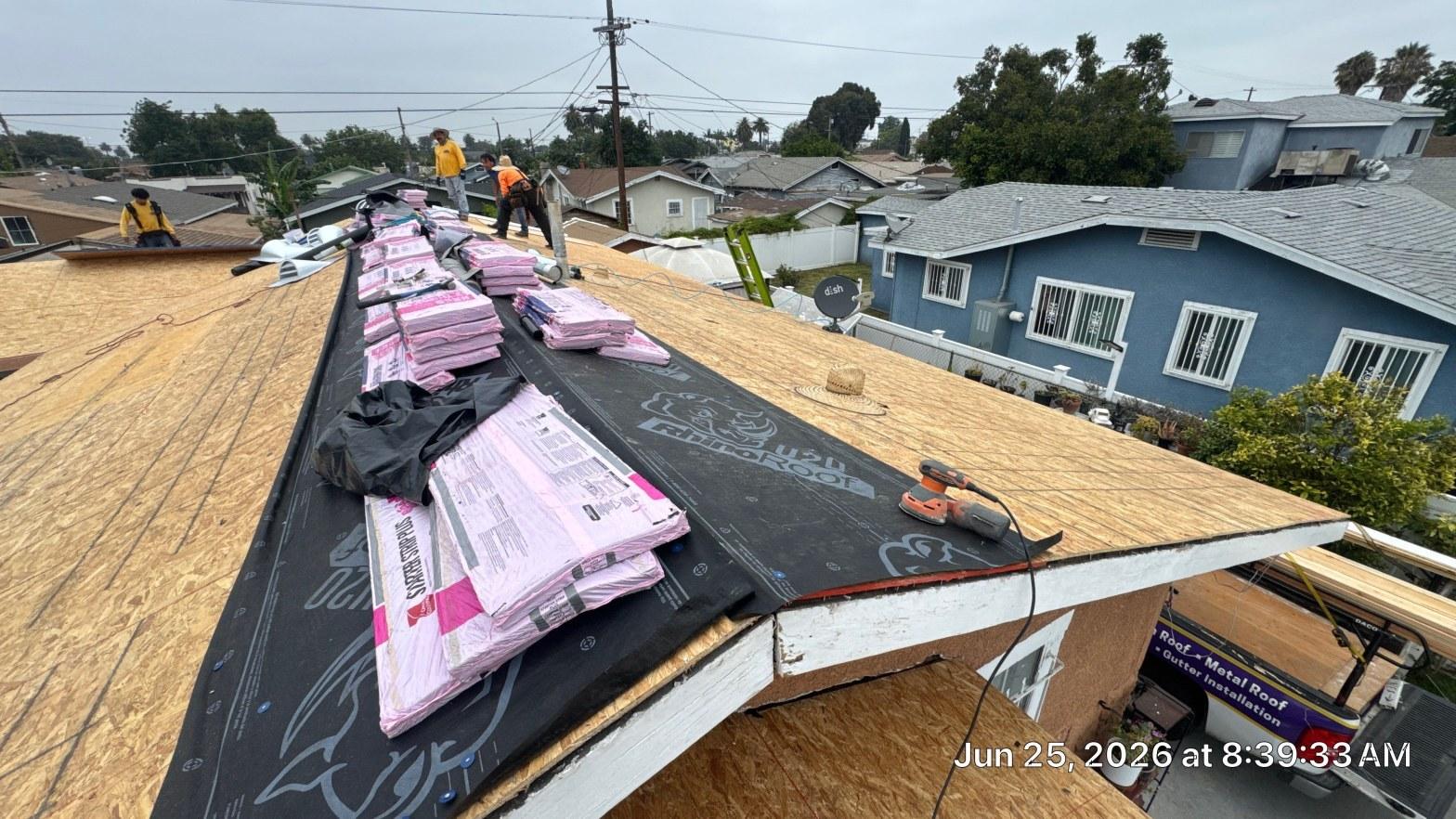
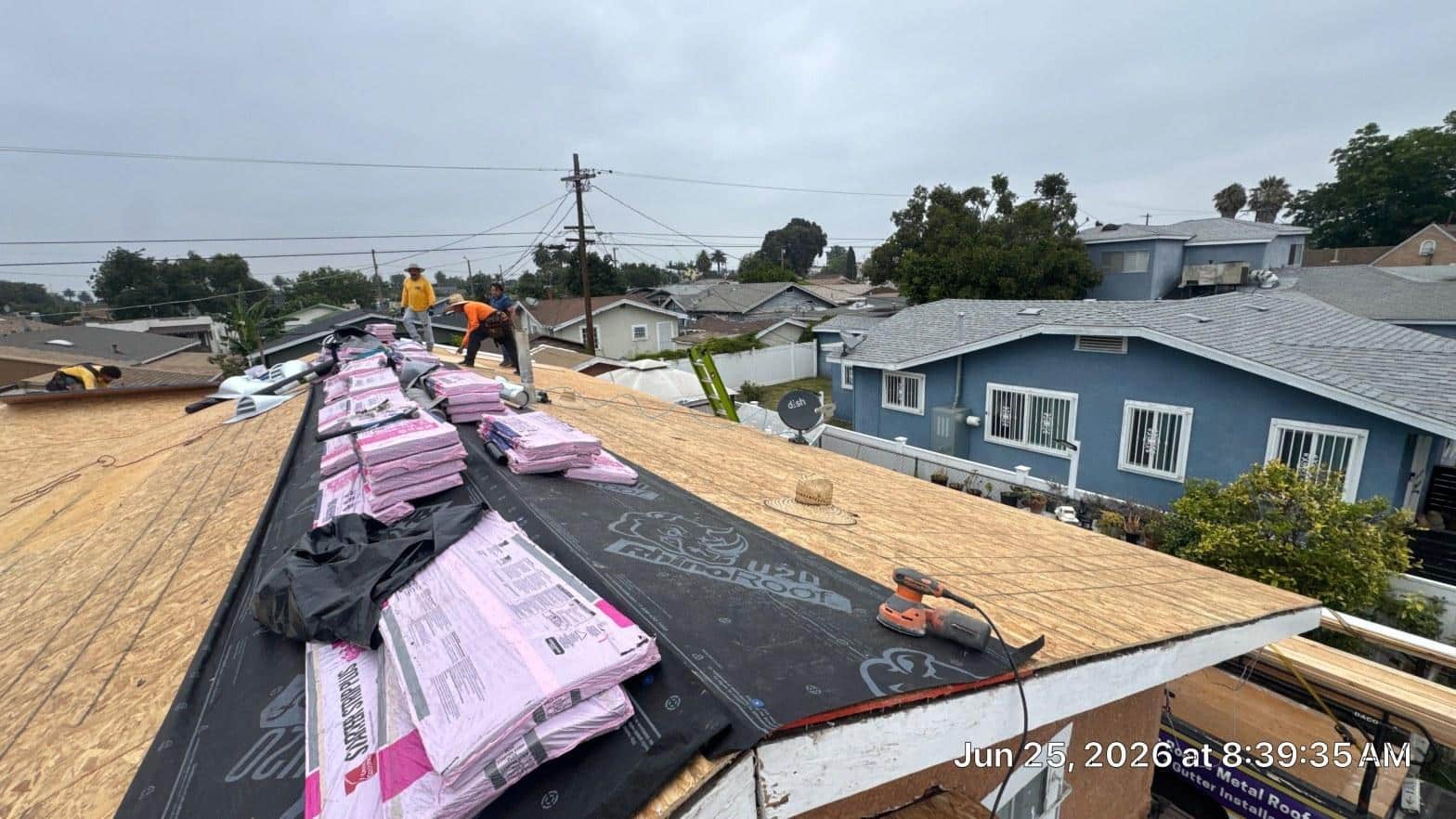
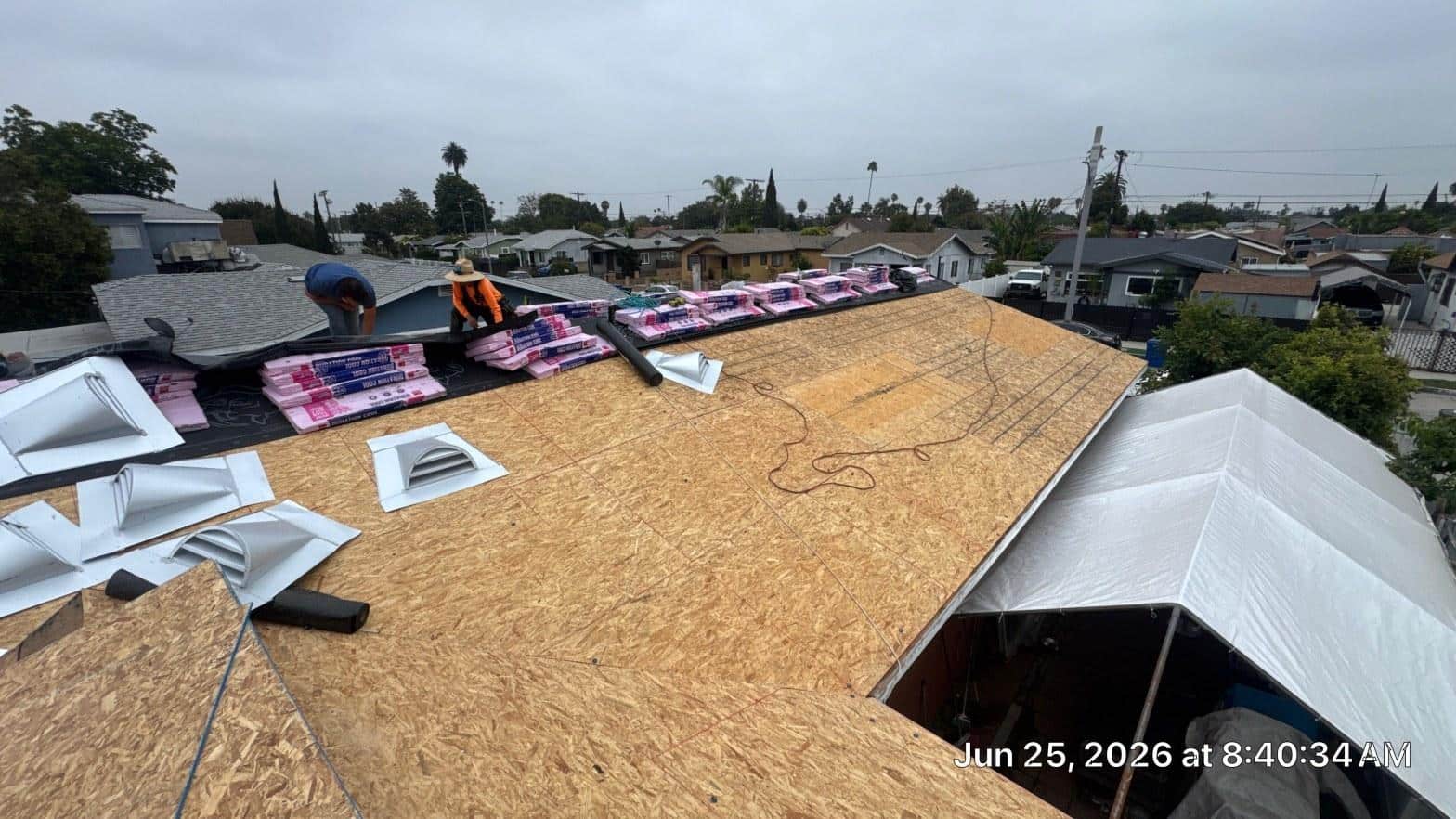
Roof removal, also called a tear-off, means stripping every layer of existing shingles down to the bare roof deck before new materials go on. A roof overlay means installing new shingles directly on top of the existing layer without removing the old ones. Both methods end with a freshly shingled roof, but they differ in cost, lifespan, and what they reveal about the structure underneath.
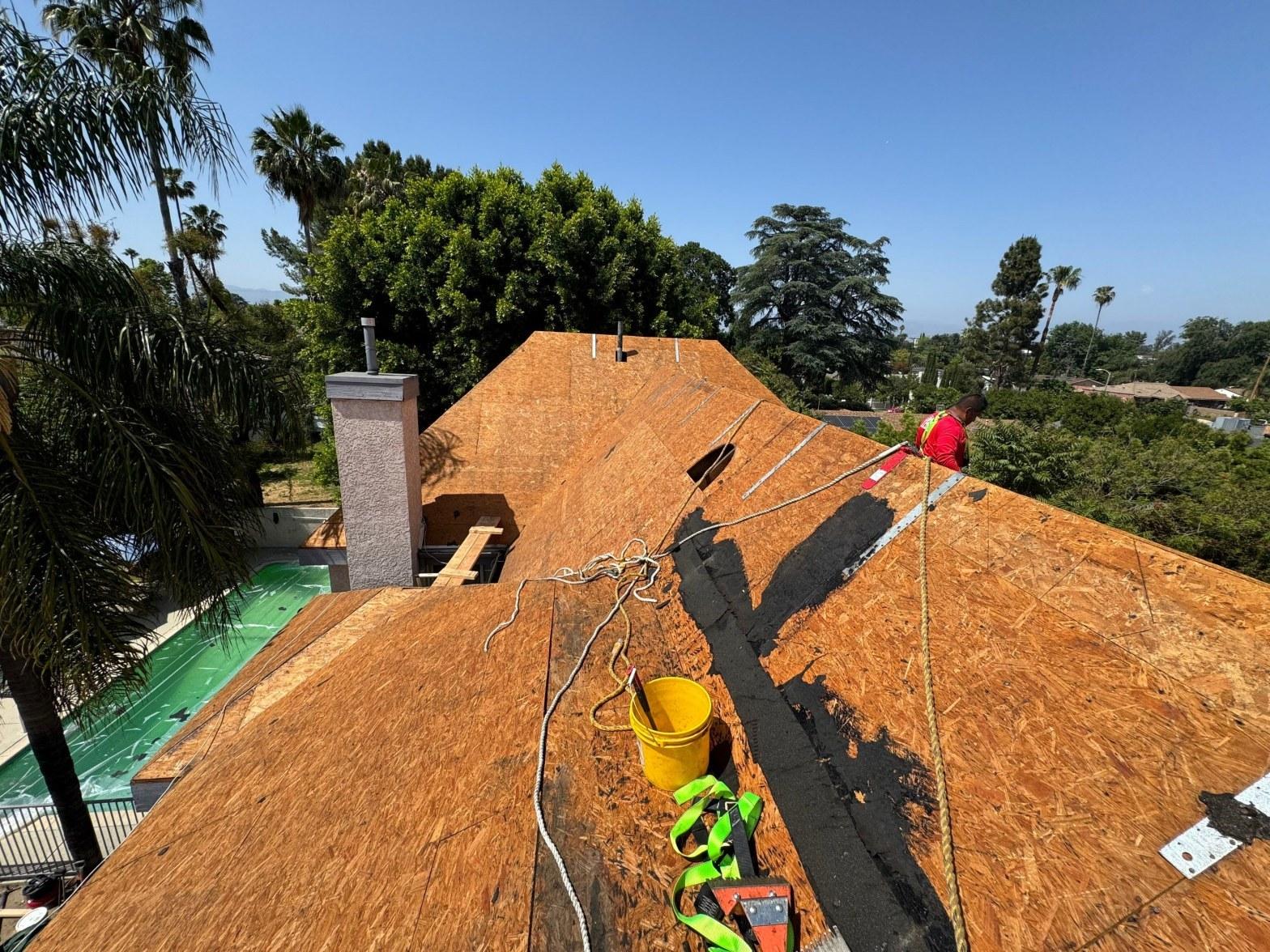
With a full tear-off, crews expose the roof deck and can inspect it for rot, soft spots, and damaged sheathing. Any problems found can be fixed before the new roof goes on. With an overlay, those problems stay hidden under the new layer.
Overlays are faster and generate less waste. A typical residential overlay can be completed in a single day on a standard 2,000-square-foot home. A full tear-off on the same home generally takes one to two days, depending on the number of layers being removed and the roof’s pitch.
Roof Removal vs. Roof Overlay: A Side-by-Side Comparison
Looking at roof removal vs roof overlay side by side makes the trade-offs clear. The right choice depends on your roof’s current condition, how many layers already exist, and how long you plan to stay in the home.
| Factor | Full Roof Removal (Tear-Off) | Roof Overlay |
|---|---|---|
| Existing layers removed? | Yes — all layers stripped | No — new layer added on top |
| Deck inspection possible? | Yes — full deck visible | No — deck stays covered |
| Typical project timeline | 1–2 days | Less than 1 day |
| Upfront cost | Higher (labor + disposal fees) | Lower (no tear-off labor) |
| Expected shingle lifespan | Full rated life (20–30+ years) | Reduced — often 10–15 years |
| Manufacturer warranty | Typically valid | Often voided by overlay install |
| Allowed by CA code if 2 layers exist? | Yes | No — third layer prohibited |
| Added weight to structure | No extra weight | Adds 2–4 lbs per sq. ft. |
| Home resale value impact | Positive — clean install | Neutral to slightly negative |
When Does California Code Require a Full Roof Removal?
California’s building code, aligned with the International Residential Code, prohibits more than two layers of asphalt shingles on a residential roof. If your home already has two layers in place, a permit-required re-roof must include a full tear-off before new material can be installed. Skipping this step is not a code-compliant option.
Beyond the two-layer rule, California’s Title 24 building energy standards also affect re-roofing projects. In many climate zones, a permitted re-roof triggers requirements for cool-roof rated materials or added insulation. These requirements apply to full replacements and, in some cases, to significant overlay projects as well.
Local jurisdictions across Los Angeles County and Southern California may add requirements on top of the state baseline. A licensed contractor will pull the correct permit and confirm which rules apply to your specific project before work begins.
- Two-layer limit: A third layer of shingles is never allowed on a California residence.
- Permit trigger: Most re-roofing projects covering more than 50% of the roof area require a permit in California.
- Cool-roof rules: Title 24 may require a minimum solar reflectance index (SRI) on the new surface, especially in hot inland climate zones.
- Fire-rating requirements: Many California communities in high fire-hazard severity zones require Class A fire-rated roofing materials on any re-roof.
How Much Does Each Option Cost?
In the Southern California market, a full roof removal and replacement on a typical single-story home generally ranges from $8,000 to $20,000 or more, depending on roof size, pitch, and materials chosen. A roof overlay on the same home typically runs $4,000 to $10,000 — roughly 30 to 50 percent less upfront. The gap narrows when you factor in that an overlay roof often needs replacing again within 10 to 15 years instead of the 25 to 30 years a full tear-off can deliver.
Our crews see this pattern regularly: on re-roofing calls across Southern California, roughly 6 in 10 homes that had an overlay installed within the past decade are back in need of full replacement sooner than the homeowner expected, often because hidden deck damage was never addressed.
Several factors move the final number on either method:
- Roof size: Contractors price roofing by the square (100 sq. ft.). A larger footprint raises both labor and material costs proportionally.
- Pitch and complexity: Steep roofs, multiple valleys, and dormers increase labor time and safety requirements.
- Number of layers to remove: Tearing off two existing layers costs more than removing one, due to added labor and disposal weight.
- Deck repairs: A tear-off reveals the deck. If sheathing is rotted or damaged, repairs add $500 to $3,000 or more depending on the extent.
- Material choice: Architectural shingles, tile, and metal all carry different price points. Architectural asphalt shingles are the most common mid-range choice in the region.
- Disposal fees: Tear-off debris typically fills one to two dumpsters. Disposal and haul-away fees vary by landfill rates and project size.
Homeowners should also check whether their project qualifies for the ENERGY STAR federal tax credit tied to the Inflation Reduction Act federal tax credit. As of 2024, qualifying cool-roof products installed on a primary residence may be eligible for a 30% tax credit on materials costs, up to $1,200 per year. A licensed contractor can help identify qualifying products before the estimate is finalized.
What Are the Long-Term Risks of Choosing a Roof Overlay?
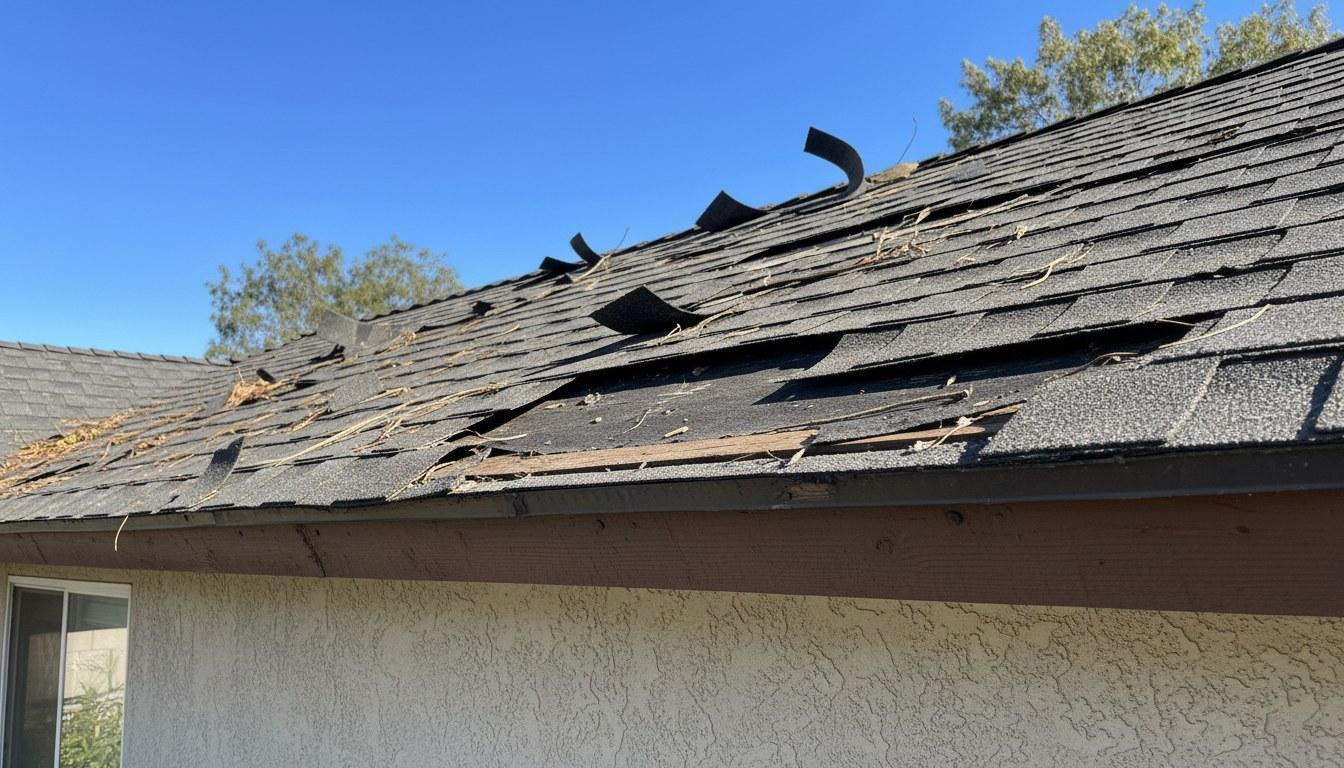
The biggest long-term risk of a roof overlay is that damage beneath the old shingles — rot, mold, cracked sheathing — continues to worsen unseen, often until it causes interior water damage. By the time that damage surfaces inside the home, repair costs are almost always higher than they would have been if the deck had been inspected and fixed during the original re-roof.
Overlays also add weight. Standard three-tab shingles weigh roughly 2 to 3 pounds per square foot. Adding a second layer puts that same load on the roof structure again. On older homes with rafters already carrying the original layer, this added weight can stress framing — particularly in areas where heavy rain or occasional snow loads are a factor.
There are also insurance and warranty implications. Many homeowners’ insurance carriers in California require a full tear-off to issue or renew a roof certification. Some carriers will not write a new policy on a home with more than one layer of shingles. Most major shingle manufacturers, including those whose products carry 30-year limited warranties, explicitly state in their warranty documentation that installation over an existing layer voids the warranty.
- Hidden deck rot: Moisture trapped between layers accelerates wood decay without visible signs until it reaches interior spaces.
- Voided manufacturer warranty: Most 25- to 30-year shingle warranties are invalid when installed as an overlay.
- Insurance complications: Some California carriers require a roof certification that confirms a clean, single-layer install.
- Reduced energy performance: An extra layer of old shingles can trap heat in the attic, raising cooling costs during Southern California summers.
- Resale scrutiny: Home inspectors flag multiple shingle layers in buyer reports, which can complicate sales or trigger price negotiations.
How Do You Know Which Option Is Right for Your Home?
Start by counting the existing layers and checking the deck’s condition — those two factors alone determine whether an overlay is even a legal or structurally sound option. If your home already has two layers of shingles, the decision is made for you: a full tear-off is required by code.
If your home has only one layer, ask these questions before choosing an overlay:
- How old is the current roof? If the existing shingles are more than 15 years old, the felt underlayment beneath them is likely degraded. Laying new shingles on top of failed underlayment shortens the new roof’s life.
- Are there any soft spots, sagging areas, or signs of deck damage? These indicate rot or structural issues that must be fixed before new roofing goes on — and that requires removal to access.
- Has the roof leaked in the past 5 years? Prior leaks suggest moisture has already reached the deck. An overlay will not fix that damage; it will cover it.
- Are you planning to sell the home within 10 years? A clean tear-off and new single-layer roof is a stronger selling point and less likely to raise flags during a buyer’s inspection.
- What does your insurance carrier require? Check your policy or call your agent before committing to an overlay, especially if you need a roof certification for continued coverage.
In our experience across residential roofing projects in Southern California, homes built before 1990 almost always benefit from a full tear-off. We find deck damage — ranging from minor soft spots to sections requiring full sheathing replacement — on more than 40% of pre-1990 homes we open up during tear-offs.
For homeowners whose roof passes all five questions above and who need a lower upfront cost, a single-layer overlay with a quality architectural shingle can be a reasonable short-term solution. But it should be treated as a 10- to 15-year fix, not a full replacement.
Explore our full range of roofing services across Southern California.
Frequently Asked Questions
How do I know if my roof needs a full tear-off or if an overlay will work?
If your home already has two layers of shingles, a full tear-off is required by California building code — an overlay is not a legal option. If you only have one layer, a roofing contractor should inspect the deck for rot, soft spots, and failed underlayment before recommending an overlay. Any sign of moisture damage or structural weakness means removal is the safer choice.
How long does a roof overlay last compared to a full replacement?
A roof overlay typically lasts 10 to 15 years, while a full tear-off and replacement with quality architectural shingles can last 25 to 30 years or more. The shorter lifespan of an overlay is largely because the new shingles are bonding to a degraded surface and any deck problems beneath remain unresolved.
Will a roof overlay void my shingle warranty?
Yes, in most cases. The majority of major shingle manufacturers state in their warranty terms that installation over an existing shingle layer voids the product warranty. If warranty coverage matters to you — especially on a 25- or 30-year shingle — a full tear-off is the only way to keep that warranty valid.
How much cheaper is a roof overlay than a full tear-off in Southern California?
In the Southern California market, a roof overlay is typically 30 to 50 percent less expensive upfront than a full tear-off and replacement. However, because an overlay often needs replacing again in 10 to 15 years instead of 25 to 30, the long-term cost per year of roof life is often similar or higher with an overlay.
Can I repair a leaky roof from the inside without removing the shingles?
Temporary interior patches — such as roofing tape or spray sealant applied to the underside of the deck — can slow an active leak in an emergency, but they do not fix the root cause. A proper repair requires accessing the damaged area from the exterior, which typically means removing shingles in the affected section. Ignoring the source of a leak and patching from inside usually leads to worsening deck rot and a more expensive repair later.
Related Articles




What Our Clients Say








Roof Replacement Inc. offers professional, high-quality work, guaranteed (call for details); ensuring all clients projects meet all code and design requirements. We are dedicated to exceptional customer service and will strive to ensure you with the highest quality roofing services. Roof Replacement Inc. offers lifetime warranty (call for details) on all of our workmanship to ensure the quality of our work. With over 40 years of combined experience within the roofing and construction industry, Roof Replacement Inc. has grown and developed in all areas of roofing construction, including roof inspections. As a leading residential and commercial roofing company in LA, we have hundreds of references from previous clients, so rest assured, that your roofing job will be done right the first time. Replacing an old roof can help add curb appeal and will increase the perceived value of your home. First impressions are vital when selling your home, especially when your roof takes up more than half of the exterior of your residence or business. Not only is the return of investment on a new roof attractive for potential buyers, but can be as beneficial as remodeling the kitchen or bathrooms within your residence.

