When your flat roof starts leaking or showing wear, choosing between repair and coating can save you thousands, or cost you more if you pick the wrong one. This guide walks through exactly when each option makes sense.
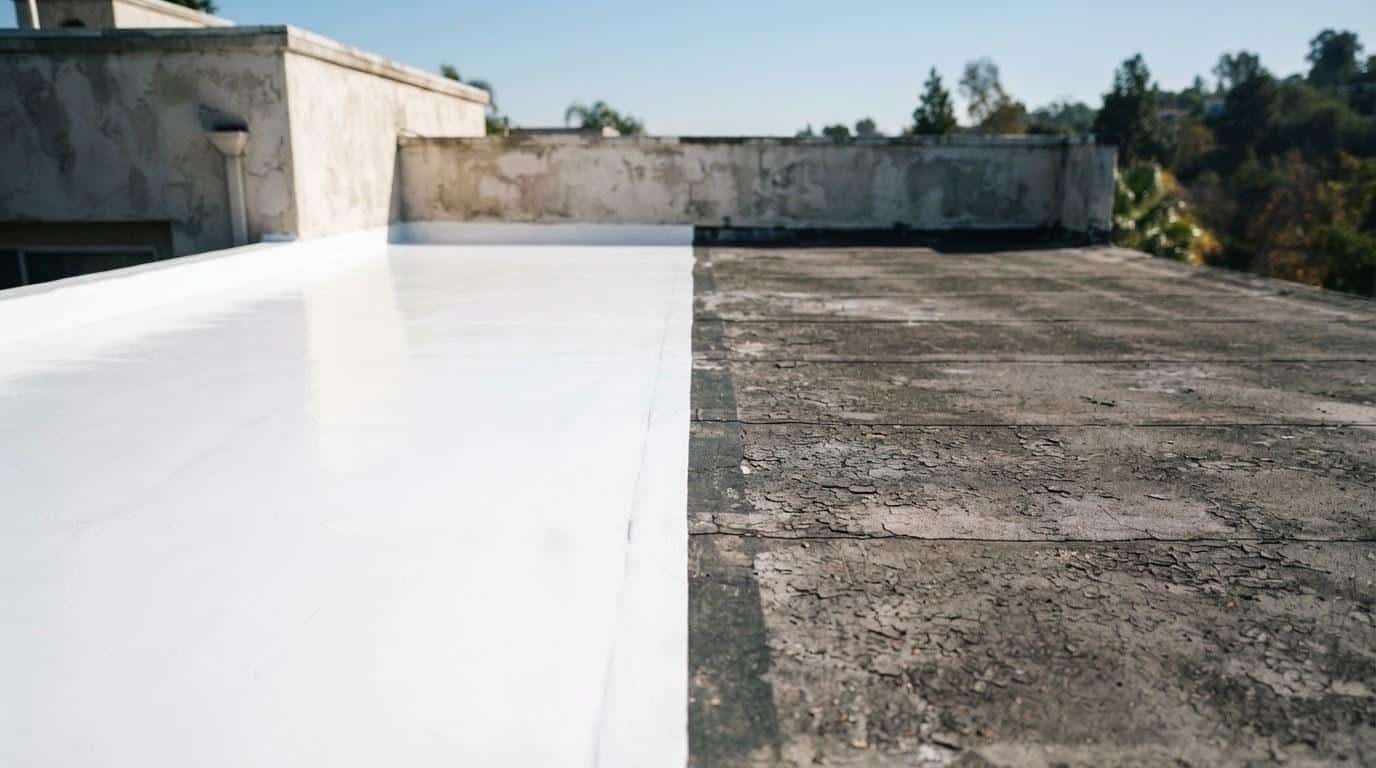
When weighing roof repair vs roof coating for a flat roof, the short answer is this: repair targets specific damage, while coating protects a surface that is still broadly intact. Choosing the wrong option can mean paying twice, once for the coating that fails over hidden damage, and again for the repair you needed from the start. This guide breaks down both options so you can walk into a contractor conversation knowing exactly what questions to ask.
Roof Repair vs Roof Coating on a Flat Roof: What Is the Core Difference?
Roof repair addresses a specific failure point: a crack, a blister, a failed seam, or a puncture. Roof coating is a liquid-applied membrane spread across the entire surface to extend its life and improve waterproofing. Think of repair as surgery and coating as preventive medicine. Both serve the flat roof, but they solve different problems.
A flat roof repair might involve cutting out a damaged section of modified bitumen, replacing a small area of TPO membrane, or resealing a flashing joint around an HVAC curb. The work is localized, usually covering an area measured in square feet rather than the full roof.
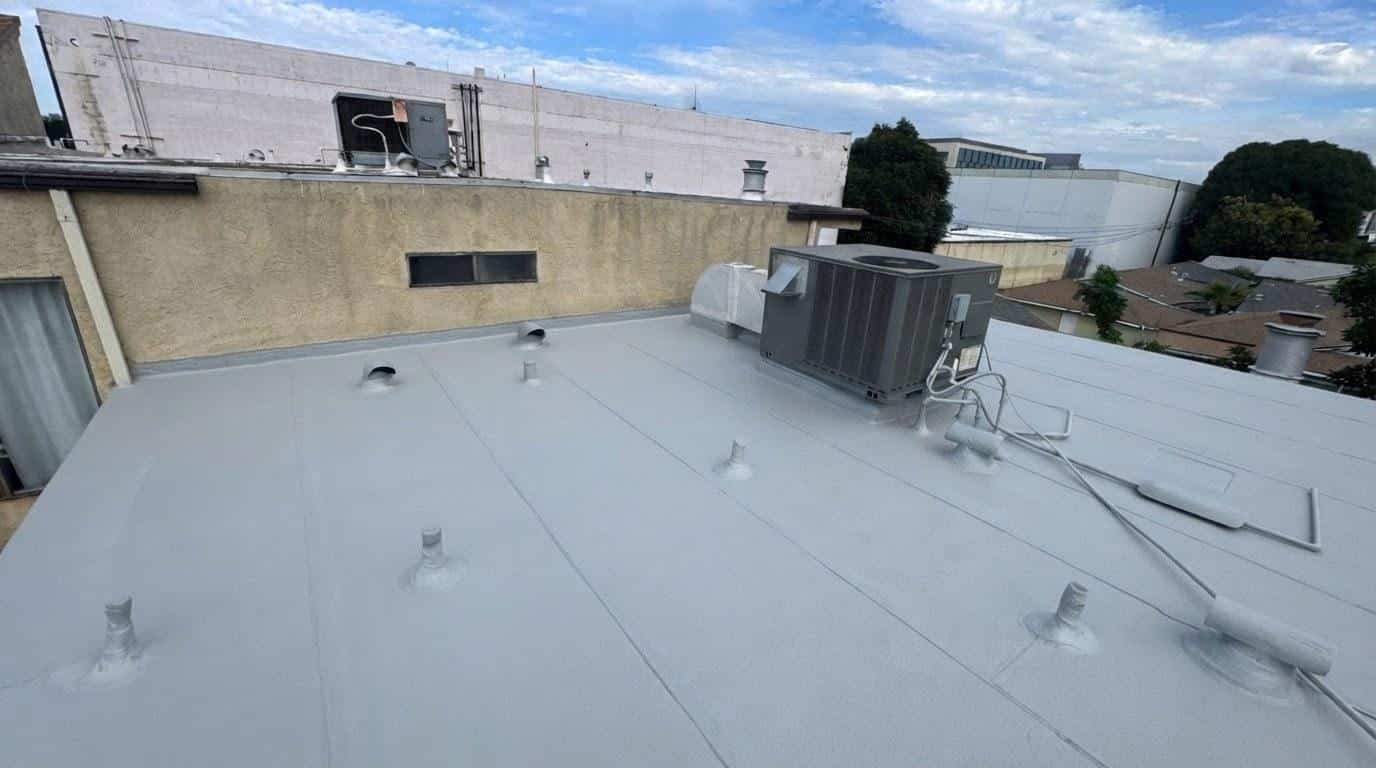
A roof coating, by contrast, rolls or sprays over the entire field of the roof. Products like silicone, acrylic, and elastomeric coatings bond to the existing membrane and create a seamless waterproof layer. They also reflect sunlight, which matters in California’s climate where roof surfaces can reach 150 degrees Fahrenheit or more on a summer afternoon.
What Are the Most Common Flat Roof Coating Types?
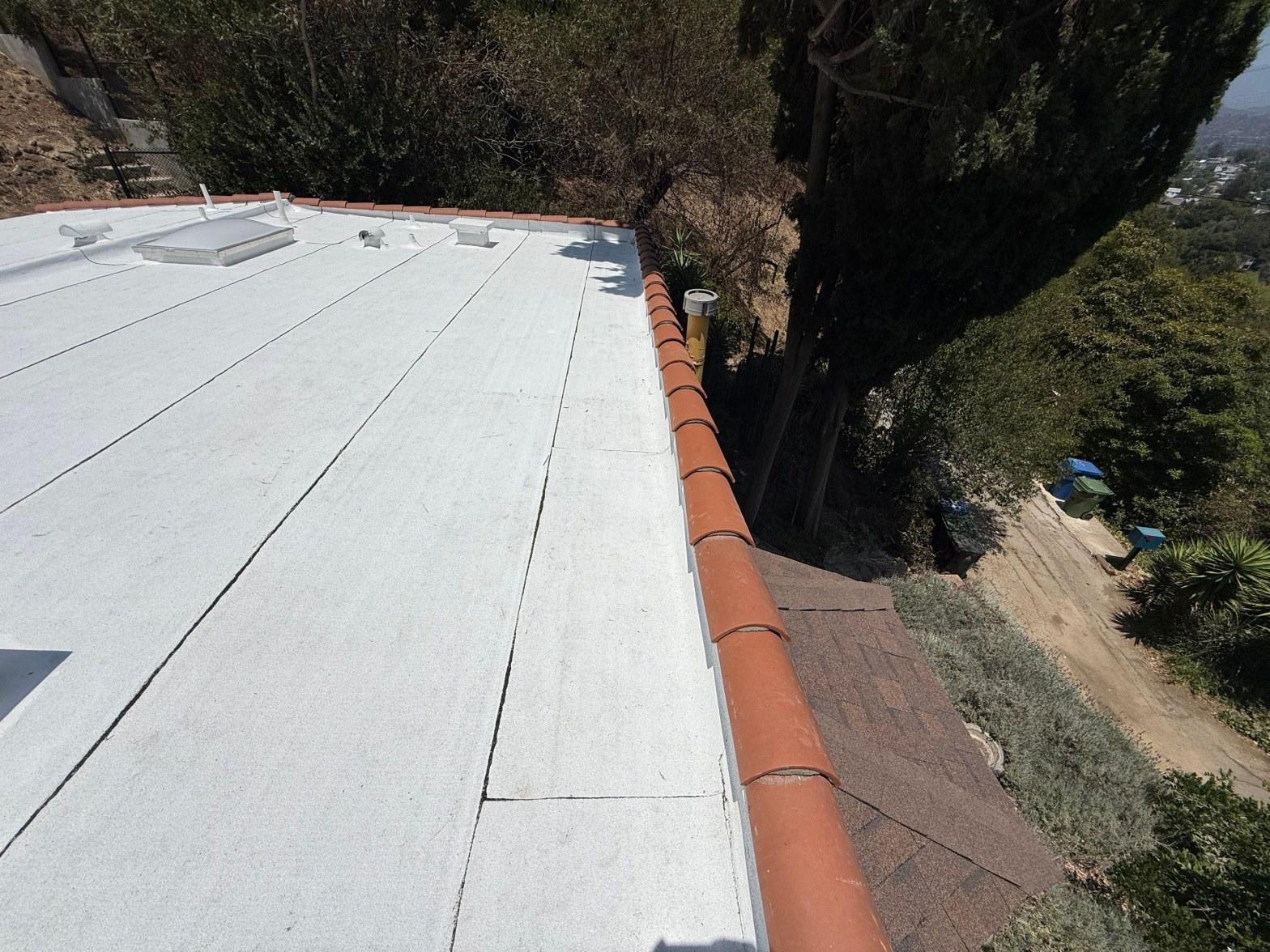
The four coatings used most often on California flat roofs are silicone, acrylic, elastomeric (rubber-based), and polyurethane. Each has a different strength, and choosing the wrong one for your substrate can cut the coating’s lifespan in half.
| Coating Type | Best Substrate | Typical Lifespan | Key Strength |
|---|---|---|---|
| Silicone | TPO, modified bitumen, metal | 15 to 25 years | Stands up to ponding water |
| Acrylic | Metal, spray foam, single-ply | 10 to 15 years | Excellent UV and heat reflection |
| Elastomeric | Modified bitumen, built-up roofs | 10 to 20 years | Flexibility across temperature swings |
| Polyurethane | Concrete decks, foam roofs | 10 to 15 years | High impact and foot-traffic resistance |
Silicone coatings are the most popular choice on California flat roofs because they do not degrade when water pools on the surface. Acrylic coatings are a strong fit for reflective “cool roof” applications and can help a building meet California’s Title 24 building energy standards, which set minimum solar reflectance requirements for low-slope roofs in new construction and major re-roofing projects.
Elastomeric coatings, sometimes called rubber roof coatings, are what most homeowners picture when they hear “elastomeric roof coating.” They stretch and recover as the roof deck expands and contracts, which makes them a good match for older built-up roofs in inland California communities where temperature swings between night and day can exceed 40 degrees Fahrenheit.
When Should You Choose Roof Repair Over Coating?
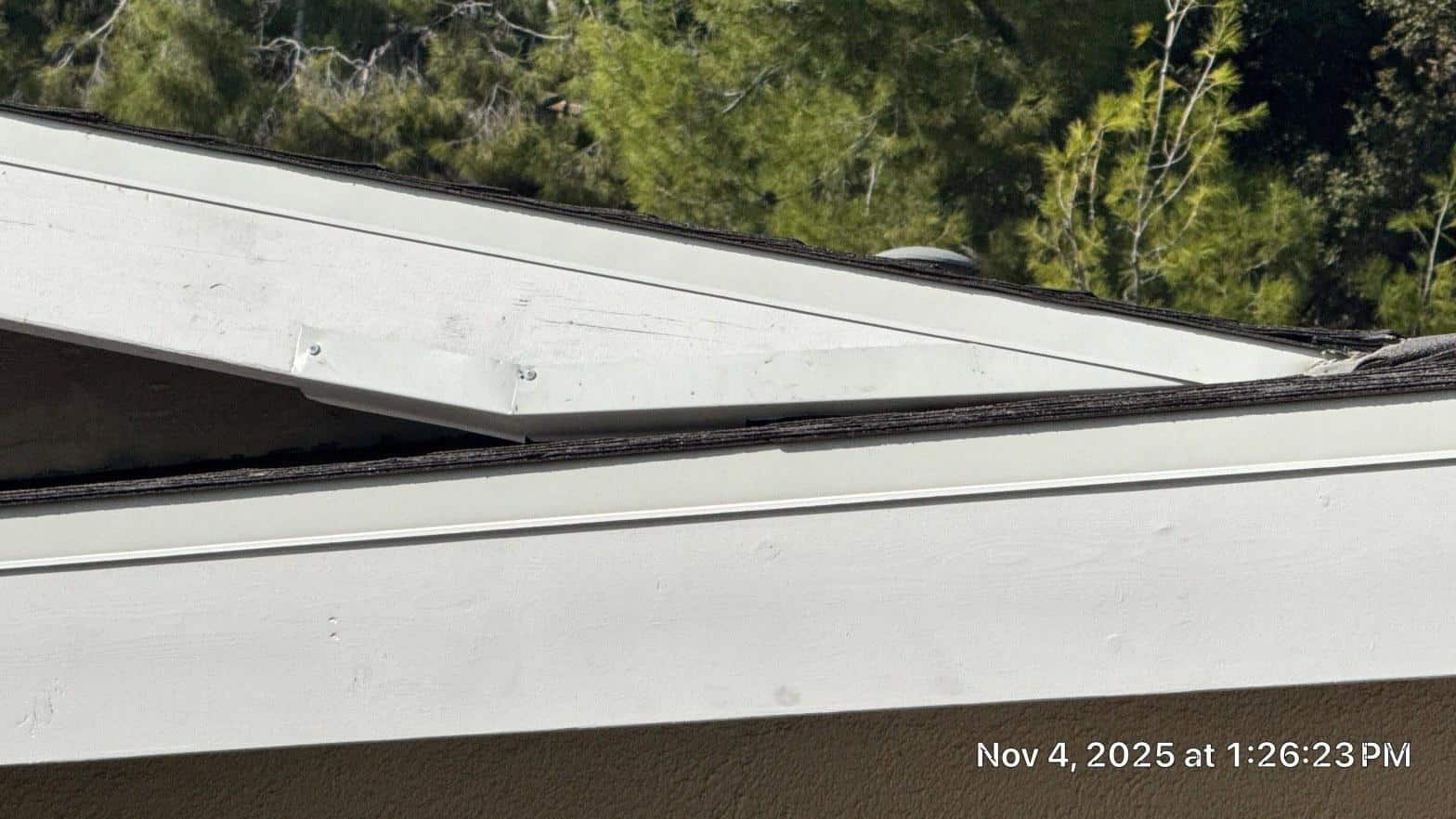
Roof repair is the right call when damage is concentrated in one or two areas, when the roof deck underneath is wet or rotted, or when the existing membrane has less than 25 percent of its surface area showing wear. Coating over active damage does not seal it; it hides it and allows moisture to keep working into the structure.
Coating over active damage does not seal it; it hides it and allows moisture to keep working into the structure.
Our team sees this pattern regularly: we respond to a coating inquiry, pull back a corner of the existing membrane, and find wet insulation underneath. In those cases, roughly 6 out of 10 roofs we inspect for coating actually need localized repair first before any coating product will adhere properly or last.
Signs that point toward repair rather than coating include:
- Active interior leaks: Water stains on ceilings or walls mean moisture has already breached the membrane.
- Soft or spongy spots underfoot: These indicate saturated insulation or a deteriorating deck board below.
- Open seams or lifted flashings: Coating cannot bridge a gap larger than about 1/4 inch without a fabric reinforcement layer.
- Blistering or alligatoring on less than 30 percent of the surface: Spot repair is faster and cheaper than a full coating job.
- Recent storm or impact damage: Punctures from hail, falling branches, or foot traffic need to be cut out and patched before coating.
When Does a Roof Coating Make More Sense Than a Repair?
A roof coating is the smarter investment when the membrane is broadly aged but not structurally failed, when the roof deck tests dry on a moisture scan, and when the existing surface has at least 5 to 7 years of life left to protect. In those conditions, a coating can add 10 to 20 years to a roof that would otherwise need full replacement within 3 to 5 years.
Coating also makes financial sense when a property owner wants to defer a full replacement, which in the California market typically runs significantly higher than a coating application. The ENERGY STAR program certifies reflective roof coatings that can reduce cooling loads by up to 15 percent, which adds an energy-savings argument on top of the waterproofing benefit.
Conditions that favor coating over repair include:
- Widespread surface oxidation or chalking: The membrane is dry and brittle across the whole field, not just one corner.
- Minor, distributed cracking (alligatoring) across more than 40 percent of the surface: Patching dozens of small cracks individually costs more than coating the whole roof.
- A roof approaching the end of its rated life: Modified bitumen typically carries a 15 to 20-year rated lifespan; a coating applied at year 12 to 14 can reset the clock.
- A desire to qualify for cool-roof incentives: Programs like those outlined by the U.S. Department of Energy reward high-reflectance surfaces that cut building energy use.
- No active leaks and a dry moisture scan: A dry deck is the green light for coating.
As of 2024, California’s Title 24 updates continue to tighten cool-roof reflectance requirements for low-slope commercial and residential roofs. A qualifying silicone or acrylic coating can help a building meet those standards during a re-roofing project without triggering the cost of a full tear-off.
How Do Costs Compare Between Flat Roof Repair and Coating?
In the Southern California market, localized flat roof repairs typically range from $300 to $1,500 depending on the size of the damaged area and the membrane type. A full roof coating application generally runs from $1.50 to $4.00 per square foot installed, meaning a 1,500-square-foot flat roof might cost between $2,250 and $6,000 for a complete coating job. Both figures shift based on roof access, existing membrane condition, and whether fabric reinforcement is needed at seams.
| Factor | Pushes Cost Up | Keeps Cost Down |
|---|---|---|
| Roof size | Large or multi-level roofs | Simple single-level deck |
| Existing membrane condition | Requires prep repairs before coating | Clean, dry, well-adhered surface |
| Number of penetrations | Many HVAC curbs, vents, drains | Open field with few penetrations |
| Coating product selected | Silicone or polyurethane | Acrylic on a compatible substrate |
| Roof access | Requires a lift or steep parapet walls | Easy ladder or hatch access |
One important cost note: if a roof needs both spot repairs and a coating, the repair work typically happens first and is billed separately. Skipping the repair step to save money upfront almost always leads to coating delamination within 2 to 3 years, which means paying for the coating a second time. Always request an itemized quote that separates prep work from the coating application itself.
Contact Roof Replacement Inc for a custom quote specific to your roof’s size, condition, and material. Call (213) 364-3979 to schedule an inspection before committing to either option.
How Do You Choose the Right Contractor for Either Option?
For any flat roof work in California, your contractor must hold an active roofing license issued by the California Contractors State License Board (CSLB), carry general liability insurance, and be able to pull a permit if the scope of work requires one. Coating a roof without addressing underlying moisture issues is a common shortcut that unlicensed operators take, and it voids most coating manufacturer warranties.
When interviewing roofing contractors, ask these specific questions:
- Will you perform a moisture scan or core test before recommending coating?
- What coating product and mil thickness do you recommend, and why?
- Does the coating you use carry an ENERGY STAR rating or meet Title 24 cool-roof requirements?
- Will the work require a permit under local building codes?
- What is the manufacturer’s warranty on the coating, and do you offer a workmanship warranty separately?
A contractor who cannot answer questions two through four clearly is likely applying a generic product without matching it to your specific membrane. Across inspections on Southern California flat roofs, we find that roughly 1 in 4 existing coatings was applied over a membrane type the product was not rated for, which leads to peeling within 18 to 24 months of installation.
Roof certification is another service worth asking about. A roof certification is a written inspection report, often required by lenders and insurance carriers, that documents the current condition of the roof and its estimated remaining life. If you are buying or selling a property, a certification from a licensed roofing contractor can clarify whether repair or coating is needed before the transaction closes.
Explore our full range of roofing services across Southern California.
Frequently Asked Questions
How do I know if my flat roof needs repair or a coating?
Start with a visual inspection for active leaks, soft spots, and open seams. If the damage is confined to one or two areas, repair is usually the right first step. If the surface is broadly worn, chalking, or showing minor cracking across most of the field but the deck underneath is dry, a coating is likely the better value. A licensed contractor can perform a moisture scan to confirm which situation you have.
What is an elastomeric roof coating and how long does it last?
An elastomeric roof coating is a thick, rubber-based liquid membrane that is rolled or sprayed onto a flat or low-slope roof surface. It stretches and recovers as the roof expands and contracts with temperature changes, which prevents cracking. Applied correctly at the right mil thickness, elastomeric coatings typically last 10 to 20 years depending on the product, climate, and how well the surface was prepared before application.
Can I apply a roof coating over an existing repair patch?
Yes, in most cases a coating can go over a properly cured repair patch. The patch needs to be fully adhered, dry, and flush with the surrounding membrane. If the patch is raised or the edges are lifting, the coating will bridge the gap rather than bond to it, and water can work underneath over time. Always allow repair materials to cure fully, typically 24 to 72 hours, before applying any coating product.
How much does it cost to coat a flat roof in Southern California?
In the Southern California regional market, flat roof coating projects typically range from $1.50 to $4.00 per square foot installed, depending on the coating product, roof size, number of penetrations, and how much prep work the surface requires. A 1,500-square-foot roof might run between $2,250 and $6,000 as a market range. Roofs that need repair work completed before coating will carry additional costs. Call Roof Replacement Inc at (213) 364-3979 for a custom quote based on your specific roof.
Does a roof coating count as a cool roof under California's Title 24 rules?
It can, but not automatically. California's Title 24 building energy standards set minimum solar reflectance and thermal emittance values for low-slope roofs. A coating must meet those specific performance thresholds to qualify as a compliant cool roof. ENERGY STAR-rated silicone and acrylic coatings commonly meet or exceed Title 24 requirements, but you should confirm the product's rated values with your contractor before the work begins.
Related Articles




What Our Clients Say











Roof Replacement Inc. offers professional, high-quality work, guaranteed (call for details); ensuring all clients projects meet all code and design requirements. We are dedicated to exceptional customer service and will strive to ensure you with the highest quality roofing services. Roof Replacement Inc. offers lifetime warranty (call for details) on all of our workmanship to ensure the quality of our work. With over 40 years of combined experience within the roofing and construction industry, Roof Replacement Inc. has grown and developed in all areas of roofing construction, including roof inspections. As a leading residential and commercial roofing company in LA, we have hundreds of references from previous clients, so rest assured, that your roofing job will be done right the first time. Replacing an old roof can help add curb appeal and will increase the perceived value of your home. First impressions are vital when selling your home, especially when your roof takes up more than half of the exterior of your residence or business. Not only is the return of investment on a new roof attractive for potential buyers, but can be as beneficial as remodeling the kitchen or bathrooms within your residence.

