Building an ADU in California and not sure whether to go with a shingle roof or a flat roof? This guide breaks down the real differences — costs, codes, climate performance, and long-term value — so you can make a confident decision.
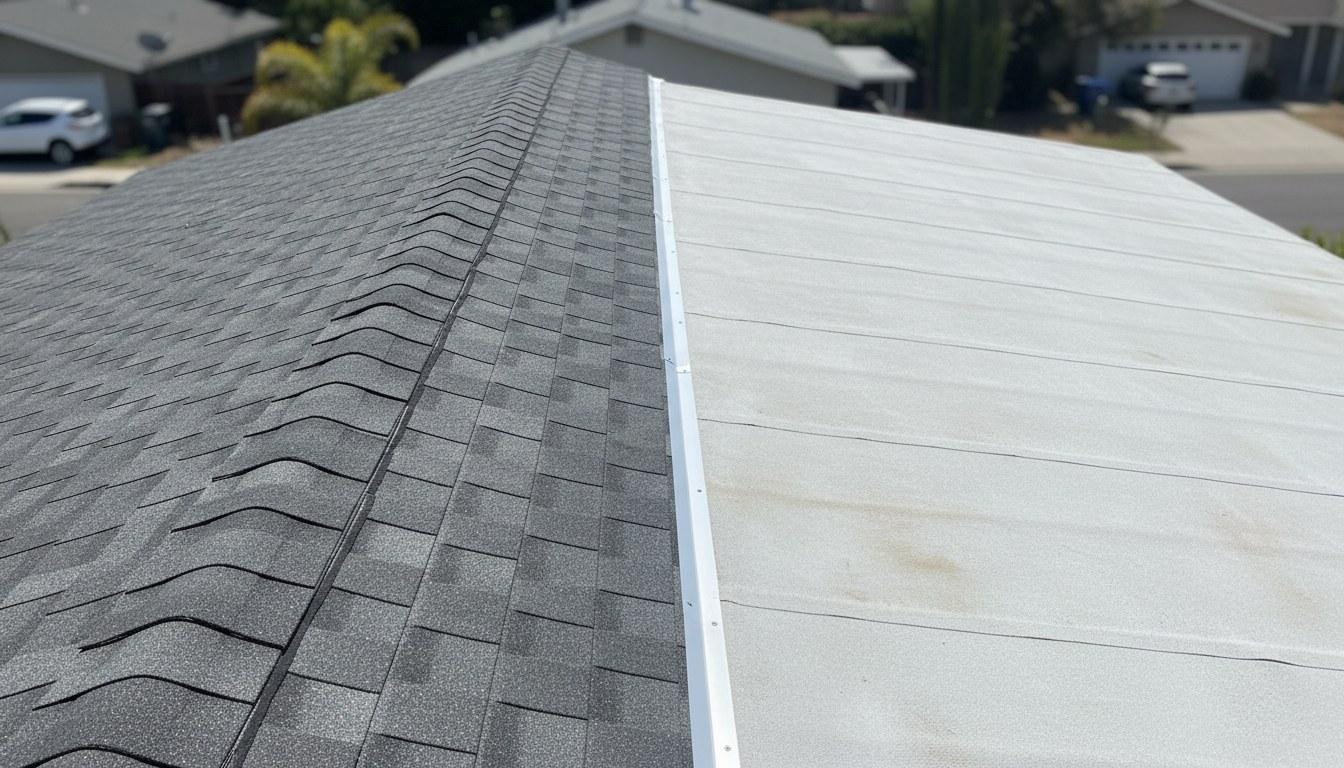
Shingle Roof vs. Flat Roof for an ADU in California: What You Need to Know First
The shingle roof vs flat roof ADU California decision comes down to three things: your ADU’s structural design, your local jurisdiction’s building code, and the long-term maintenance budget you’re comfortable with. Neither roof type is universally better. Each has a clear set of situations where it wins.
ADU construction has surged across California since the state streamlined permitting rules in 2020. U.S. Census data shows California added more ADU permits than any other state in recent years, and that pace has not slowed. With so many homeowners adding detached units, garage conversions, and backyard cottages, the roof decision has become one of the most common questions residential roofing contractors field.
This guide walks through the real differences between shingle and flat roofing for ADUs — covering materials, costs, climate performance, code requirements, and installation timelines — so you can move forward with confidence.
How Do Shingle Roofs and Flat Roofs Actually Differ?
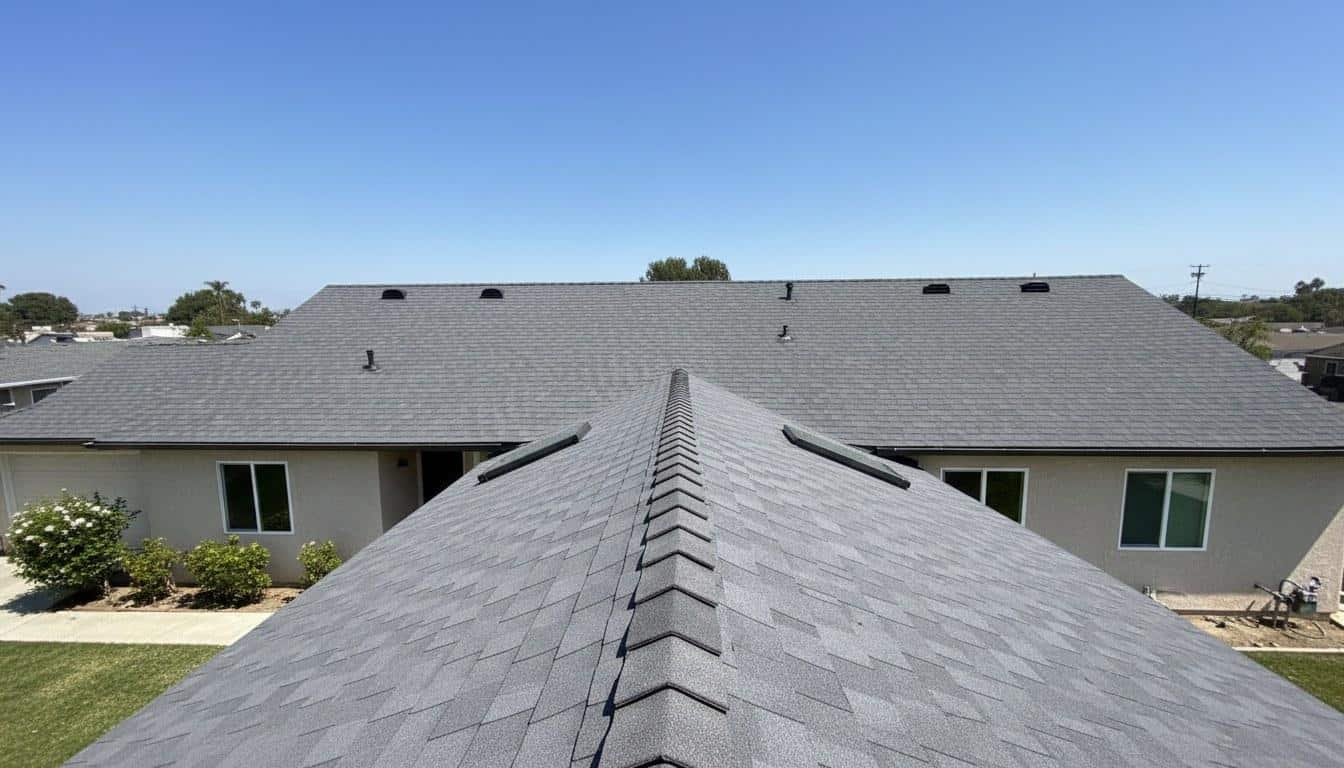
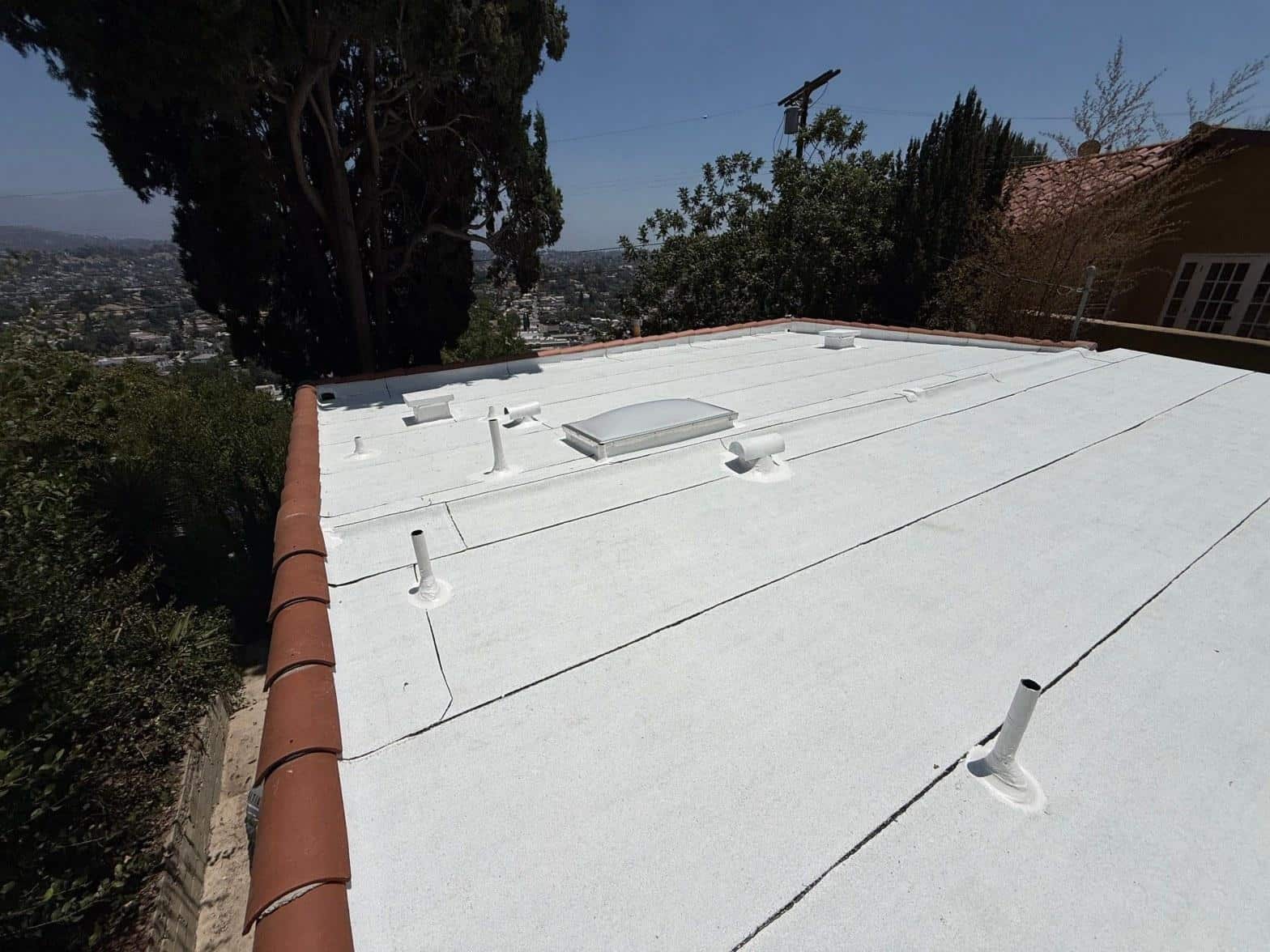
A shingle roof uses overlapping panels — most commonly asphalt shingles — installed on a sloped deck with a pitch of at least 2:12, meaning 2 inches of rise for every 12 inches of run. A flat roof uses a continuous waterproof membrane installed on a deck with a pitch between 0:12 and 2:12. Both can be installed on an ADU, but they require different structural framing from the start.
The most common materials for each roof type in California are:
- Asphalt shingles: The most widely used residential roofing material in the state. Typical lifespan is 20 to 30 years. Available in 3-tab and architectural (laminated) styles.
- Concrete or clay tile: Common in Southern California. Heavy — requires stronger framing — but can last 40 to 50 years with minimal maintenance.
- TPO membrane (flat): A single-ply thermoplastic membrane that reflects UV heat. Popular for low-slope ADUs and garage conversions.
- Modified bitumen (flat): A multi-layer asphalt-based membrane, torch-applied or cold-adhered. Durable and well-suited to California’s temperature swings.
- EPDM rubber membrane (flat): A synthetic rubber sheet that handles UV exposure well and is easy to patch.
The structural implication matters most. A flat-roof ADU needs a nearly level deck with internal drains or scuppers built into the framing plan. A shingle-roof ADU needs rafters or trusses designed for the chosen pitch. Changing roof type mid-project can add significant framing cost, so this decision should happen at the design stage — before permits are pulled.
Changing roof type mid-project can add significant framing cost, so this decision should happen at the design stage — before permits are pulled.
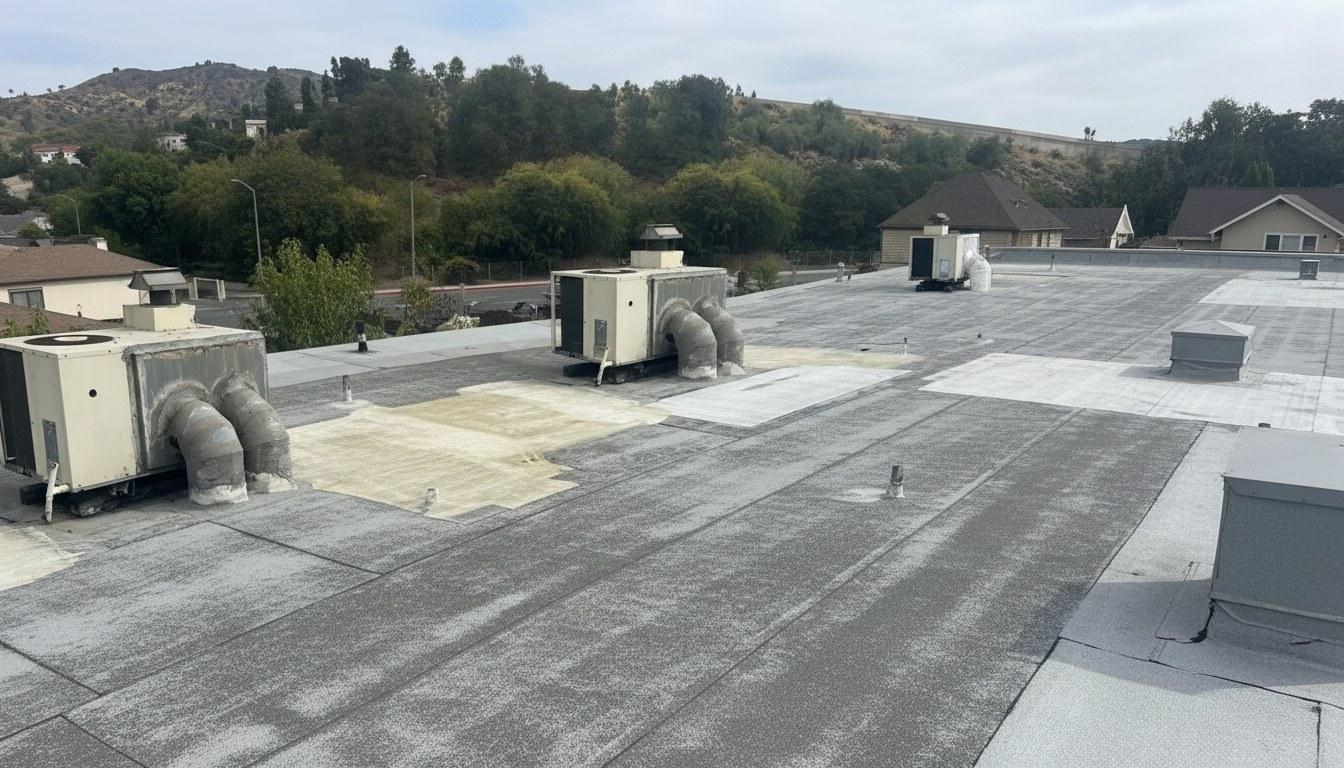
What Does It Cost to Install a New Roof on a California ADU?
In the California regional market, installing a new roof on an ADU typically ranges from $4,000 to $18,000, depending on the roof type, square footage, material selected, and access conditions on the site. Flat roofs on small ADUs (under 400 square feet) can come in at the lower end of that range. Tile or premium shingle roofs on larger detached units push toward the higher end.
The table below compares typical installed cost ranges for the most common ADU roof options in the California market. These are market-context figures — actual quotes vary by scope, site, and material availability.
| Roof Type | Typical Installed Range (per sq ft) | Expected Lifespan | Best ADU Fit |
|---|---|---|---|
| Asphalt Shingles (3-tab) | $3.50 – $5.50 | 20 – 25 years | Detached ADU with pitched roof |
| Architectural Shingles | $5.00 – $8.00 | 25 – 30 years | Detached ADU, higher curb appeal |
| Concrete Tile | $9.00 – $14.00 | 40 – 50 years | ADU matching a tile-roofed main home |
| TPO Membrane (flat) | $5.50 – $9.00 | 15 – 25 years | Garage conversion, attached ADU |
| Modified Bitumen (flat) | $4.50 – $8.00 | 15 – 20 years | Low-slope ADU addition |
Several factors move the final number significantly:
- ADU footprint: Most ADUs in California range from 150 to 1,200 square feet. Roofing costs scale with square footage, but small roofs often carry a minimum-job charge.
- Roof access: Tight urban lots, hillside properties, or ADUs built close to fences increase labor time and cost.
- Tear-off requirement: If an existing structure is being converted, removing old roofing adds to the total.
- Decking condition: Damaged or undersized sheathing needs replacement before new roofing can be installed.
- Cool-roof requirements: California’s Title 24 building energy standards may require a cool-roof rated product, which can add cost but reduces long-term cooling bills.
Homeowners who install ENERGY STAR-rated roofing products may also qualify for the Inflation Reduction Act federal tax credit, which covers up to 30% of the cost of qualifying energy-efficient roofing materials as of 2024. Always request a custom quote from a licensed contractor before budgeting.
Which Roof Type Holds Up Better in California’s Climate?
California’s climate varies dramatically by region — coastal zones deal with marine moisture and salt air, inland valleys face extreme summer heat above 100°F, and mountain communities see freeze-thaw cycles — so neither shingle nor flat roofing wins across every part of the state. The right material depends heavily on where the ADU sits.
Our team has seen flat TPO membranes on garage-conversion ADUs in inland Southern California show heat-related seam stress within 5 to 7 years when installed without proper insulation beneath the membrane. Adding a minimum R-19 rigid insulation layer under the membrane significantly extends its service life in high-heat zones.
Here is how each roof type performs across California’s main climate conditions:
- Coastal (marine layer, salt air, moderate temps): Architectural shingles and TPO both perform well. Salt air degrades metal flashing faster — stainless or aluminum flashing is recommended.
- Inland valleys (heat, UV, low humidity): Cool-roof rated shingles or white TPO membranes reduce attic heat gain. Standard dark shingles can reach surface temperatures above 150°F on peak summer days.
- Fire-risk zones (WUI areas): California’s Office of the State Fire Marshal requires Class A fire-rated roofing in designated Wildland-Urban Interface zones. Most asphalt shingles and TPO membranes qualify. Untreated wood shakes do not.
- Mountain / high-elevation: Freeze-thaw cycles stress flat membranes at seams. Modified bitumen handles temperature swings better than single-ply TPO in these zones.
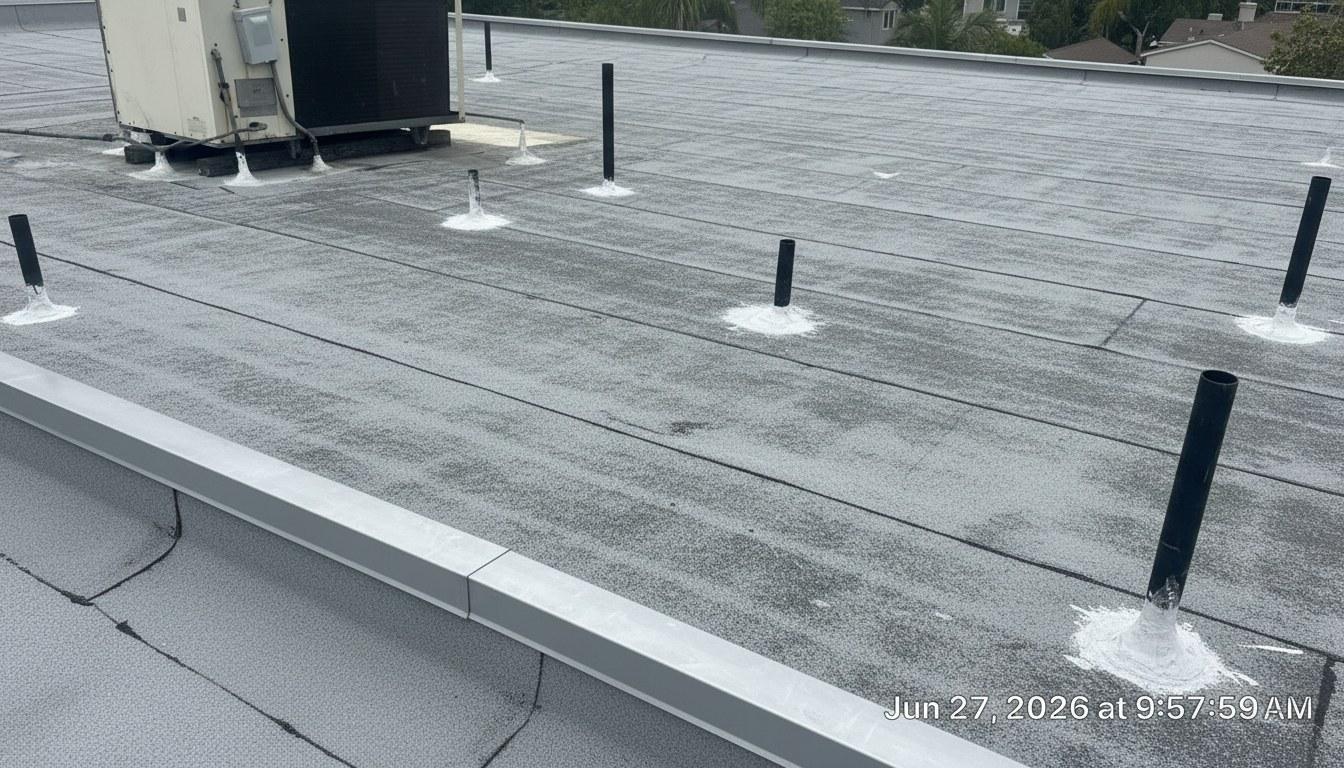
Flat roofs require functioning drainage. In coastal and mountain areas that see seasonal rain, clogged drains on a flat-roof ADU can lead to standing water and membrane failure within a single wet season. Annual inspections are not optional — they are the minimum maintenance standard for any flat roof.
What Do California Building Codes Require for ADU Roofs?
California requires all new ADU roofs to comply with the California Building Code (CBC), California’s Title 24 energy standards, and any local amendments adopted by the city or county where the ADU is located. Requirements vary by jurisdiction, but several statewide rules apply everywhere.
Key code points that affect the shingle roof vs flat roof ADU California decision:
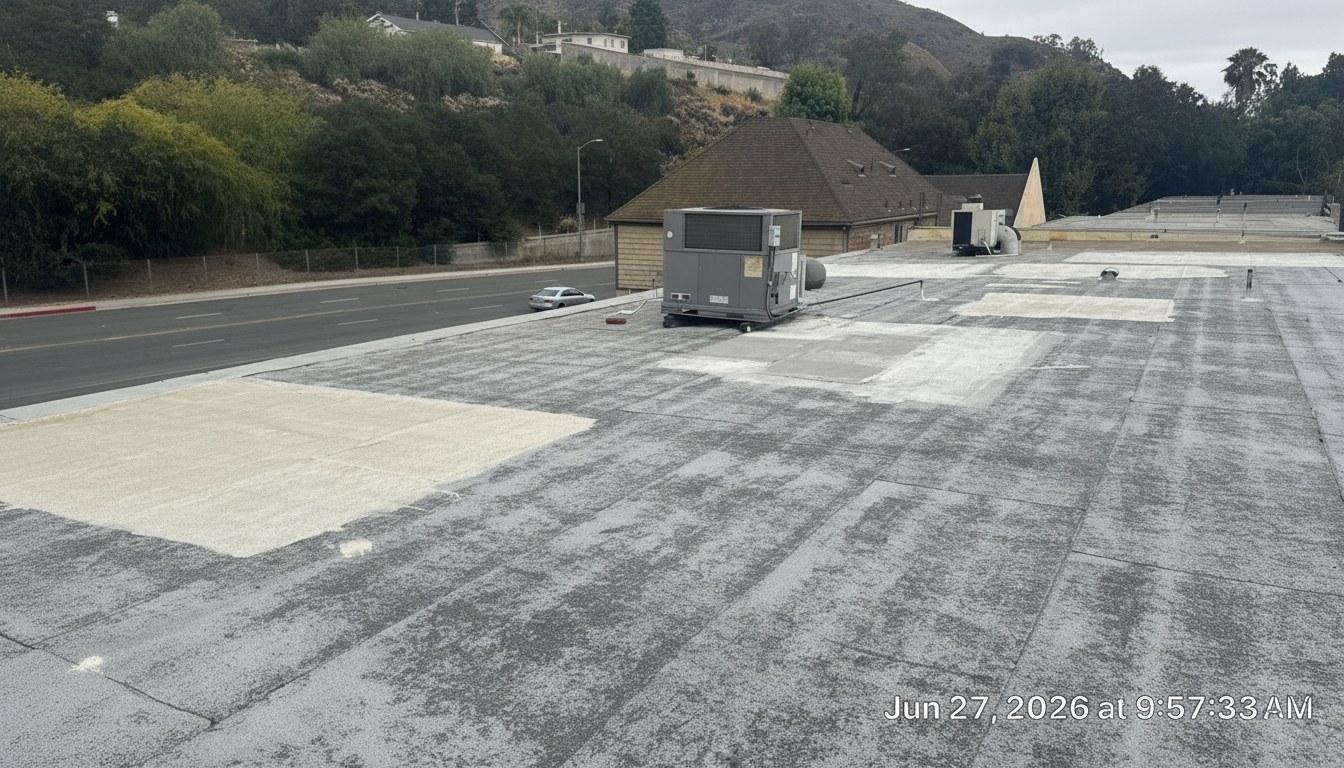
- Title 24 cool-roof requirements: New low-slope roofs (pitch under 2:12) on conditioned ADUs must meet minimum solar reflectance and thermal emittance values under California’s Title 24 building energy standards. This effectively mandates a cool-roof rated membrane on most flat-roof ADUs.
- Minimum slope for shingles: Asphalt shingles require a minimum 2:12 pitch per the CBC. Below that pitch, a membrane system must be used.
- Fire rating: Class A roofing is required in most California jurisdictions, especially in high fire-hazard severity zones. Verify with your local building department before selecting materials.
- Roof certification: Many California lenders and insurers require a roof certification — a written inspection report confirming the roof has at least 2 to 5 years of remaining life — before financing or insuring an ADU. A new roof installation automatically satisfies this requirement.
- Permit and inspection: All new ADU roof installations require a building permit and a final inspection by the local building department. Work done without a permit can delay or block the ADU’s certificate of occupancy.
Contractors working on ADU roofs in California must hold a valid C-39 Roofing Contractor license issued by the California Contractors State License Board (CSLB). Always verify a contractor’s license status before signing a contract.
How Long Does It Take to Install a New Roof on an ADU?
Most ADU roof installations are completed in 1 to 3 days for shingle roofs and 2 to 4 days for flat membrane roofs, assuming the decking is in good condition and no structural repairs are needed. Larger ADUs, complex roof shapes, or sites with difficult access can extend the timeline.
Here is a typical installation sequence for each roof type:
- Deck inspection and prep: The existing or new sheathing is inspected for rot, soft spots, or undersized panels. Damaged sections are replaced before roofing begins. This step takes a few hours to a full day depending on conditions.
- Underlayment installation: A moisture barrier (felt or synthetic) is installed over the deck. On flat roofs, this is replaced by a base sheet or insulation board.
- Roofing material installation: Shingles are laid from the eave up in overlapping rows. Flat membranes are rolled out, adhered, and heat-welded or cold-applied at seams.
- Flashing and trim: Metal flashing is installed at all penetrations, valleys, and edges. This step is critical — most ADU roof leaks trace back to flashing failures, not membrane or shingle failures.
- Inspection and cleanup: A final walk-through confirms all seams, flashings, and drainage points are correct. The site is cleaned of debris before the crew leaves.
Weather delays are the most common reason timelines extend. Shingle installation requires dry conditions — most manufacturers void warranties if shingles are installed on wet decking. Flat membrane adhesives also have temperature minimums, typically above 40°F for cold-process adhesives. In most California regions, weather windows are wide enough that scheduling delays are rare outside of winter months in mountain communities.
Across our ADU roofing projects in Southern California, we see roughly 60% of flat-roof jobs require at least one additional day due to drainage modifications or insulation upgrades needed to meet current Title 24 requirements — a detail worth building into the project schedule from the start.
Ready to Choose? Get Expert Help from Roof Replacement Inc
The best way to make a confident roof decision for your ADU is to have a licensed roofing contractor review your plans, site, and local code requirements before you finalize the design. Getting this input early prevents costly mid-project changes.
Roof Replacement Inc works with homeowners and builders across Southern California on ADU roofing projects — both new installations and replacements on existing structures being converted. Whether your project calls for architectural shingles on a detached backyard unit or a TPO membrane on a garage conversion, our team can assess your specific situation and provide a written quote before any work begins.
Schedule your roof consultation today. Call (213) 364-3979 or reach out online. We serve homeowners and ADU builders across the Southern California region and can help you navigate material selection, Title 24 compliance, and permitting requirements from start to finish.
Explore our full range of roofing services across Southern California.
Frequently Asked Questions
How long does it take to install a new roof on an ADU?
Most ADU roof installations take 1 to 3 days for shingle roofs and 2 to 4 days for flat membrane roofs when the decking is in good shape. Larger footprints, difficult site access, or decking repairs can add time. Weather delays are the most common cause of extended timelines in California.
How much does it cost to install a new roof on a California ADU?
In the California market, ADU roof installations typically range from $4,000 to $18,000 depending on roof type, square footage, and material. Flat membrane roofs on small garage conversions tend to come in at the lower end, while tile or premium shingle roofs on larger detached units push higher. Always get a written quote from a licensed contractor for your specific project.
Can I put a flat roof on an ADU in California?
Yes, flat roofs are permitted on California ADUs, but they must meet Title 24 cool-roof requirements and local building code amendments. Most flat-roof ADUs require a cool-roof rated membrane with minimum solar reflectance values. Check with your local building department before finalizing the design.
Do I need a roof certification for my ADU?
A roof certification is often required by lenders and insurers before financing or insuring an ADU. It is a written inspection report confirming the roof has at least 2 to 5 years of remaining useful life. A brand-new roof installation automatically satisfies this requirement.
Which roof type is better for a California ADU in a fire-hazard zone?
In California Wildland-Urban Interface (WUI) fire-hazard zones, Class A fire-rated roofing is required by state law. Most asphalt shingles and TPO flat membranes carry a Class A rating. Untreated wood shakes and some older modified bitumen products do not qualify. Verify the fire rating of any material before purchasing.
Related Articles




What Our Clients Say








Roof Replacement Inc. offers professional, high-quality work, guaranteed (call for details); ensuring all clients projects meet all code and design requirements. We are dedicated to exceptional customer service and will strive to ensure you with the highest quality roofing services. Roof Replacement Inc. offers lifetime warranty (call for details) on all of our workmanship to ensure the quality of our work. With over 40 years of combined experience within the roofing and construction industry, Roof Replacement Inc. has grown and developed in all areas of roofing construction, including roof inspections. As a leading residential and commercial roofing company in LA, we have hundreds of references from previous clients, so rest assured, that your roofing job will be done right the first time. Replacing an old roof can help add curb appeal and will increase the perceived value of your home. First impressions are vital when selling your home, especially when your roof takes up more than half of the exterior of your residence or business. Not only is the return of investment on a new roof attractive for potential buyers, but can be as beneficial as remodeling the kitchen or bathrooms within your residence.

