

Choosing between a flat roof and a pitched roof in Southern California depends on your home's style, budget, and long-term maintenance goals. This guide breaks down the real differences so you can make the right call.
Flat Roof vs Pitched Roof Southern California: What Are the Core Differences?
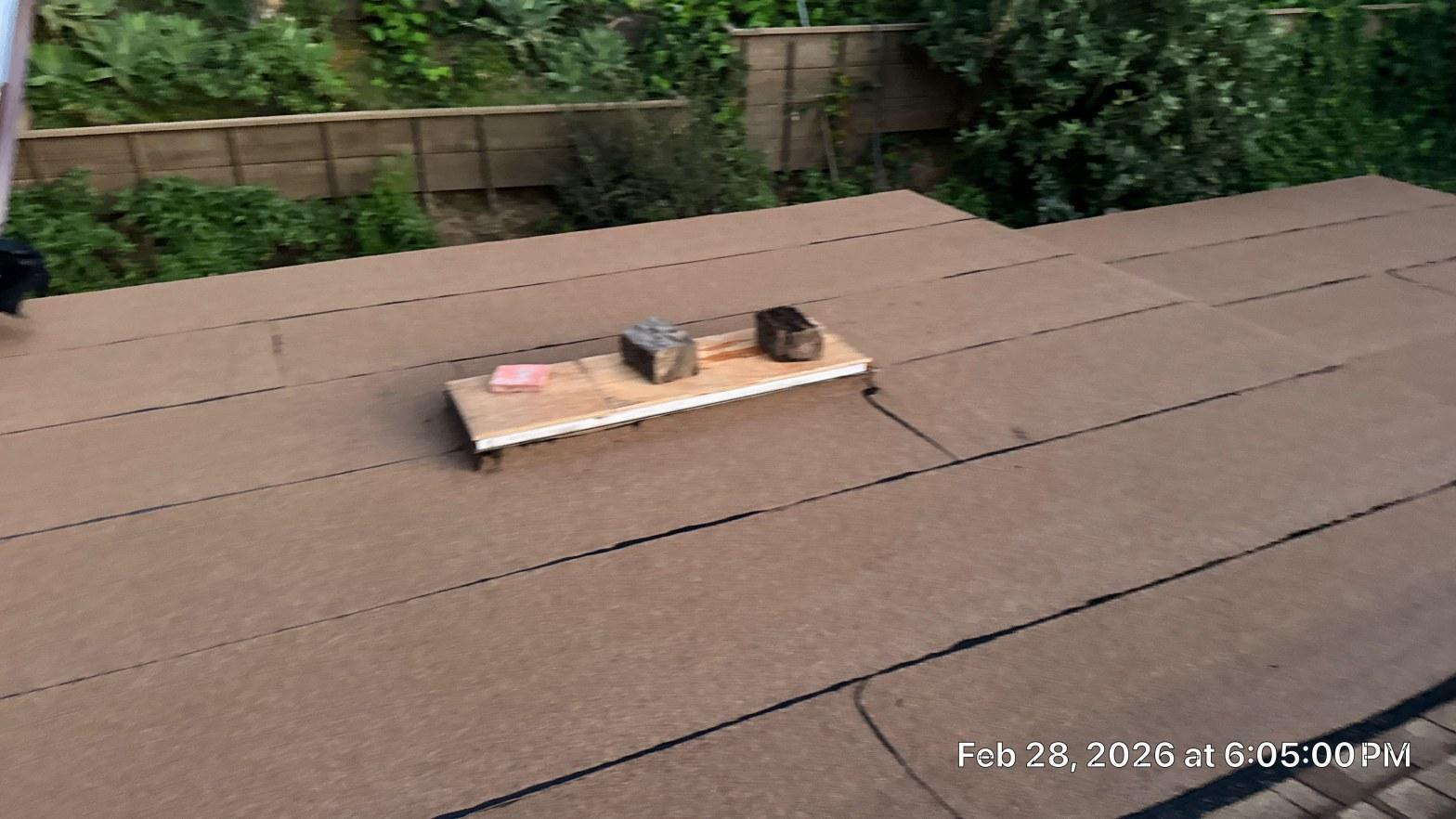
A flat roof sits at a slope of 2 inches or less per 12 inches of run, while a pitched roof rises at 4 inches or more per 12 inches of run. Those numbers drive almost every difference in cost, drainage, materials, and lifespan. When homeowners research flat roof vs pitched roof southern california options, they quickly discover that each system uses completely different materials, drainage logic, and structural demands.
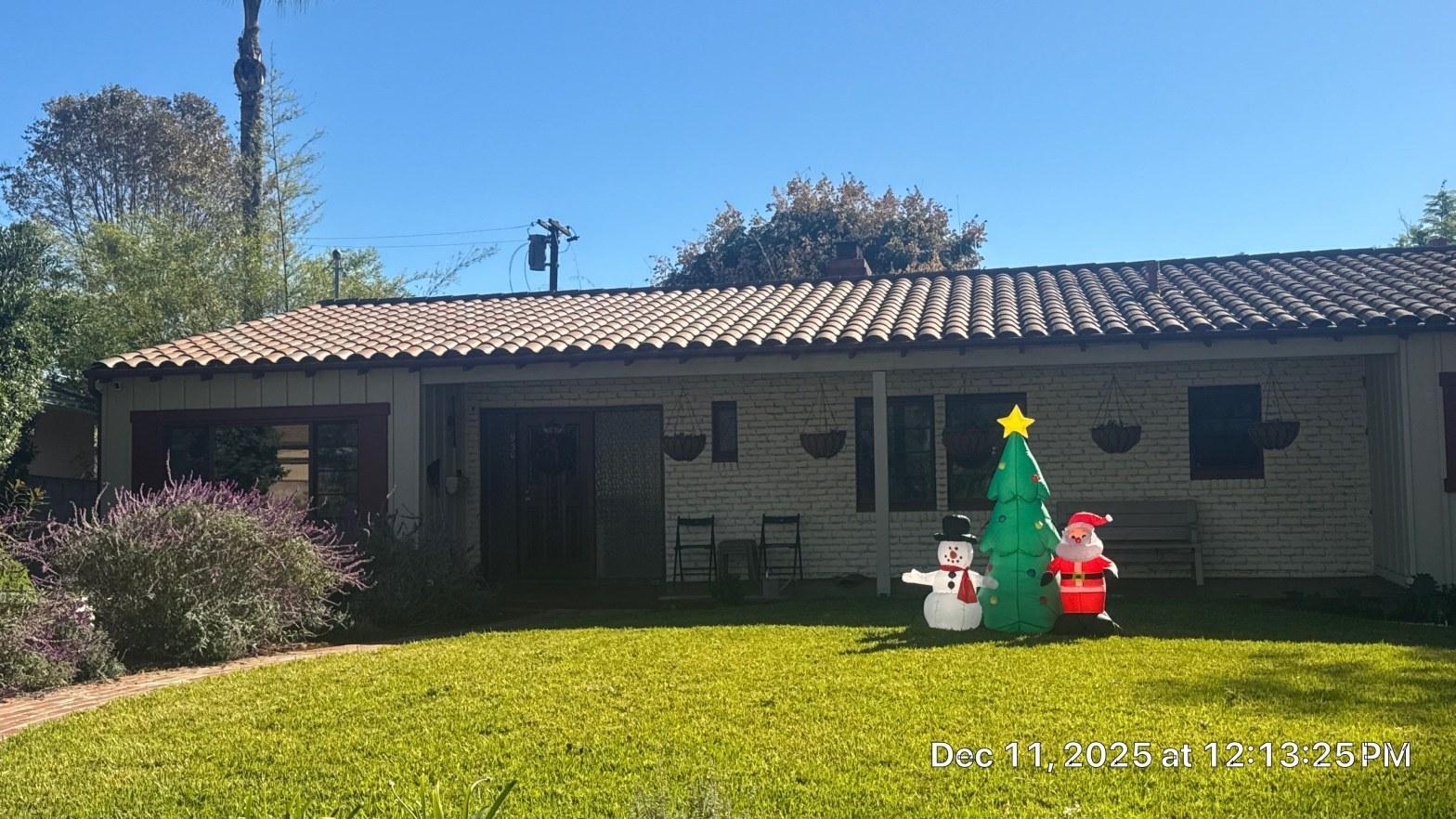
Flat roofs are common on mid-century modern homes, commercial buildings, and newer contemporary builds across Los Angeles County and Orange County. Pitched roofs dominate traditional ranch homes, Spanish-style houses, and craftsman bungalows throughout the region.
Here is a side-by-side breakdown of the most important differences:
| Feature | Flat Roof | Pitched Roof |
|---|---|---|
| Typical slope | 0–2 inches per 12 inches | 4–12 inches per 12 inches |
| Common materials | TPO, EPDM, modified bitumen, built-up roofing | Asphalt shingles, clay tile, concrete tile, metal |
| Drainage method | Interior drains or scuppers | Gravity runoff to gutters |
| Usable roof space | Yes — rooftop decks, HVAC, solar | Limited — attic space only |
| Typical install cost range (regional market) | $4 to $8 per sq ft | $6 to $15 per sq ft |
| Expected lifespan | 15–25 years (membrane); 20–30 years (built-up) | 20–50 years depending on material |
| Maintenance frequency | Inspect 2x per year minimum | Inspect 1x per year minimum |
How Does Southern California’s Climate Affect Each Roof Type?
Southern California’s dry, sunny climate is easier on both roof types than wetter regions, but the region still sees intense UV exposure, seasonal Santa Ana winds, and periodic heavy rain events that stress any roofing system. The National Weather Service Los Angeles office reports that most of the region receives 12 to 15 inches of rain per year, concentrated in a 4-month window from November through February.
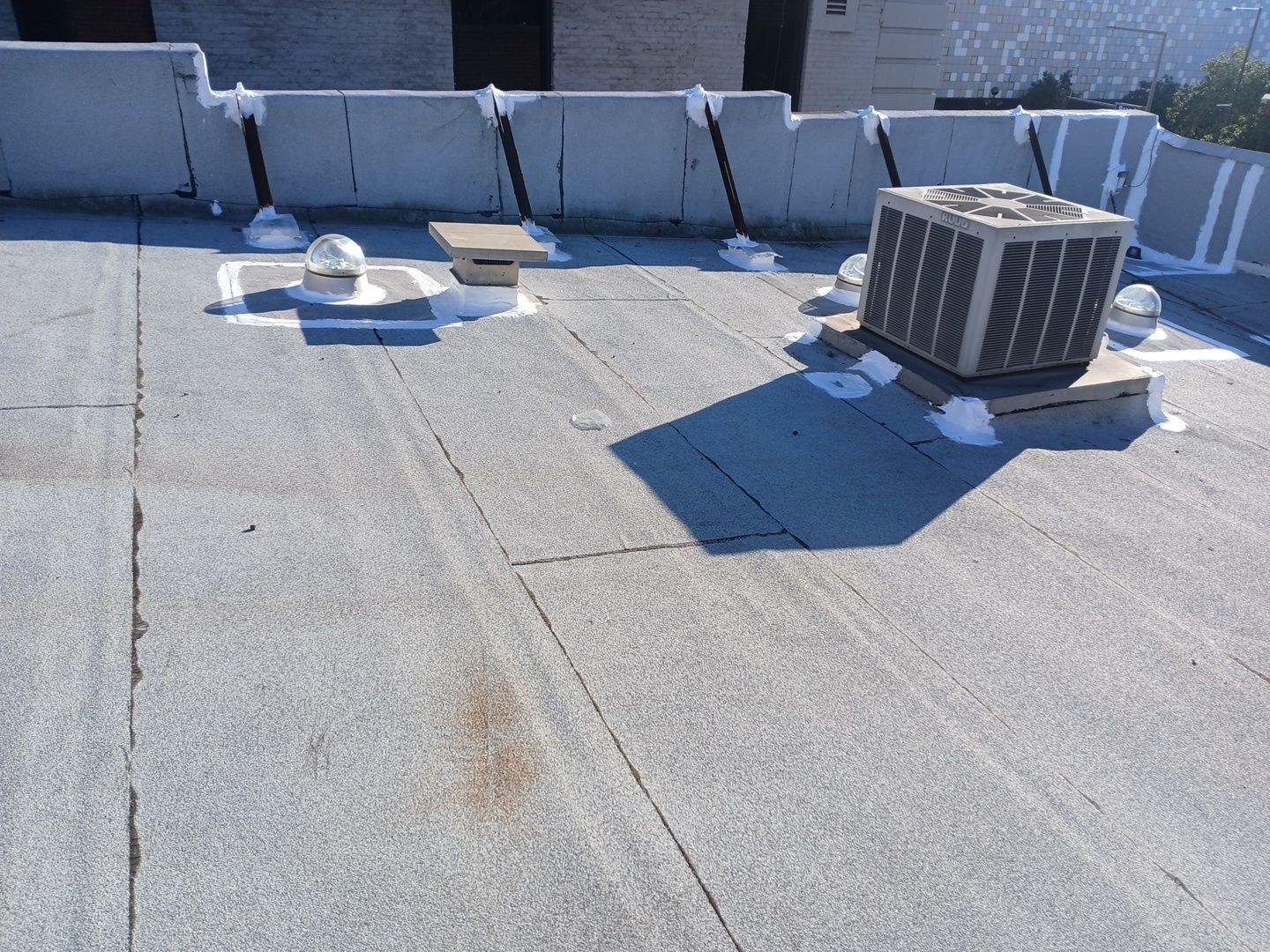
That concentrated rain is where the flat roof vs pitched roof southern california debate gets real. Flat roofs rely on drains and scuppers to move water off the surface. If those drains clog with debris during a storm, water ponds — and ponding water is the leading cause of flat roof membrane failure.
Pitched roofs shed water by gravity, so drainage is largely self-managing. However, clay and concrete tile roofs — the most popular pitched option in Southern California — can crack under the thermal expansion caused by the region’s 300-plus sunny days per year and temperature swings of 30 to 40 degrees Fahrenheit between day and night in inland valleys.
Santa Ana wind events, which can reach sustained speeds above 50 mph, pose a different risk. Flat roofs with improperly secured membrane edges can peel at the seams. Pitched roofs with inadequate fastening can lose shingles or tiles. Both risks are manageable with proper installation, but they are real factors in Southern California’s climate.
- UV degradation: Southern California’s high UV index accelerates the aging of asphalt shingles and TPO membranes alike — expect to add a UV-reflective coating to any flat roof every 5 to 7 years.
- Ponding water: Even a quarter-inch of standing water left on a flat roof for 48 hours can begin to stress membrane seams and accelerate leaks.
- Wind uplift: Flat roof edges and pitched roof ridge lines are the two most common failure points during high-wind events.
- Wildfire ember exposure: Class A fire-rated materials are required under California’s building code for new roof installations in many fire-hazard severity zones across the region.
What Does Each Roof Type Cost in the Southern California Market?
In the Southern California regional market, a flat roof replacement typically ranges from $4 to $8 per square foot for membrane systems, while a pitched roof replacement runs $6 to $15 per square foot depending on the material chosen. On a 1,500-square-foot roof, that translates to roughly $6,000 to $12,000 for a flat roof and $9,000 to $22,500 for a pitched roof — though scope, access, and material selection move those numbers significantly.
Our crews handle both flat and pitched replacements across the region, and we consistently see that labor costs run 20 to 30 percent higher on steep-slope pitched roofs above a 7:12 pitch because of the additional safety equipment and slower working pace required.
Labor costs run 20 to 30 percent higher on steep-slope pitched roofs above a 7:12 pitch because of the additional safety equipment and slower working pace required.
Here are the main cost factors for each roof type:
- Material grade: A basic TPO flat roof membrane costs less than a premium modified bitumen system. On the pitched side, 3-tab asphalt shingles cost less than architectural shingles, which cost less than clay tile.
- Roof size and complexity: Penetrations like skylights, HVAC curbs, and chimneys add cost to any roof type — each one requires custom flashing and extra labor time.
- Tear-off vs. overlay: California’s Title 24 building energy standards and most local building departments limit asphalt shingle roofs to two layers before a full tear-off is required. Tear-offs add $1 to $2 per square foot to the project cost.
- Permits: Full roof replacements in most Southern California jurisdictions require a building permit, which typically adds $200 to $600 to the project cost depending on the municipality.
- Deck repairs: If the underlying plywood or OSB decking has water damage, repairs add $2 to $4 per square foot for the affected areas.
Federal incentives can offset some of these costs. If you add a cool roof or solar-ready membrane, you may qualify for the Inflation Reduction Act federal tax credit, which covers up to 30 percent of qualifying energy-efficient improvements as of 2024. Always request a custom quote from a licensed contractor before budgeting a project, since regional market pricing shifts with material costs and labor availability.
Which Roof Type Lasts Longer and Needs Less Maintenance?
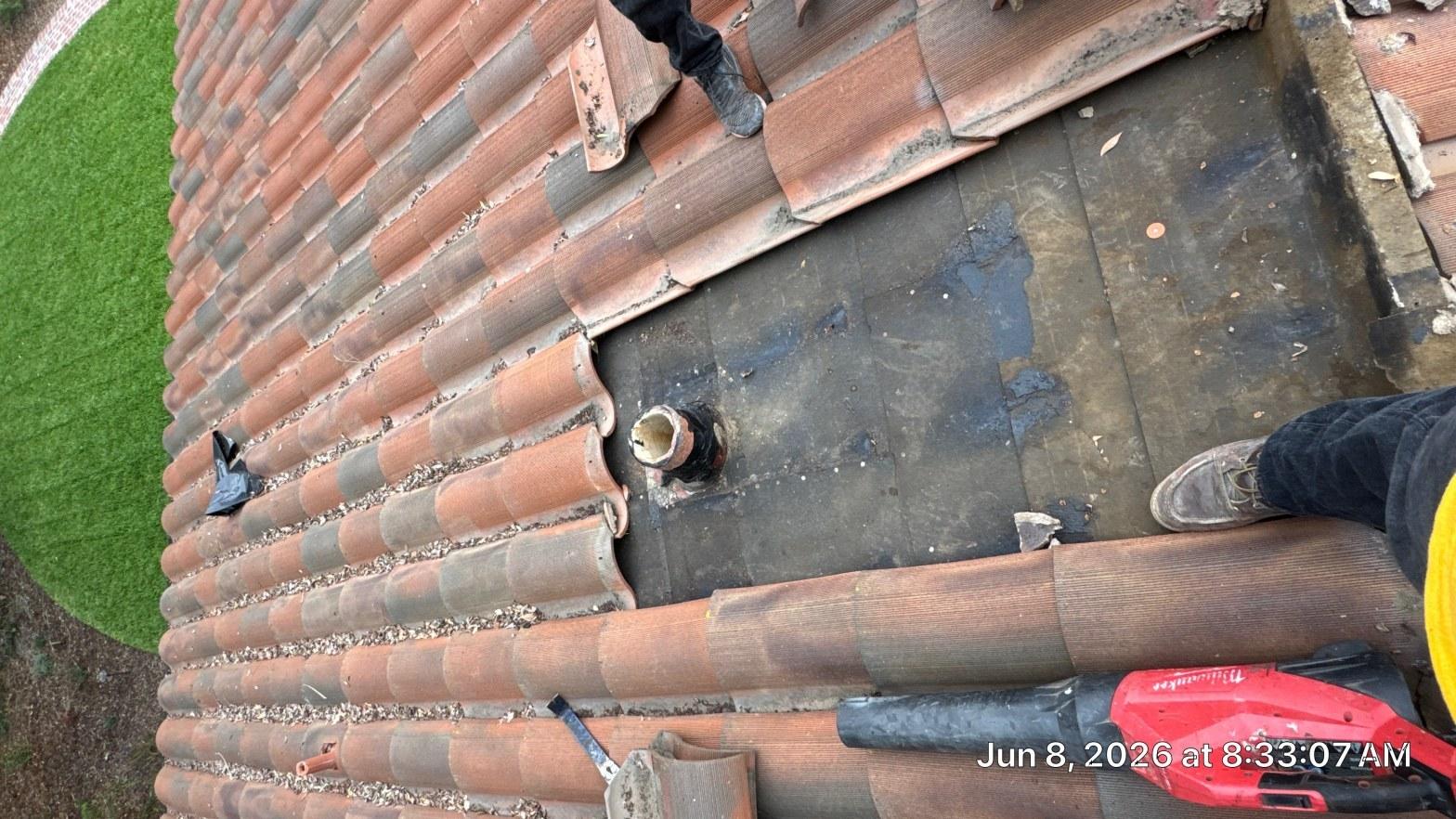
Pitched roofs generally outlast flat roofs when comparing equivalent quality tiers: clay tile can last 50 years or more, while a standard TPO flat roof membrane typically lasts 15 to 25 years. However, a well-maintained flat roof with quality materials can reach 30 years, and a neglected pitched roof can fail in under 15.
Maintenance frequency matters more than roof type alone. Flat roofs should be inspected at least twice a year — once before the rainy season (October) and once after (March). Pitched roofs need at least one annual inspection, with extra attention after any Santa Ana wind event above 50 mph.
Across our service calls in Southern California, we find that roughly 60 percent of flat roof leaks trace back to clogged interior drains or deteriorated flashing around penetrations — both of which are preventable with a $150 to $300 annual maintenance visit.
Roughly 60 percent of flat roof leaks trace back to clogged interior drains or deteriorated flashing — both preventable with a $150 to $300 annual maintenance visit.
Here is a quick maintenance comparison:
- Flat roof: Clear drains and scuppers before each rain season; inspect membrane seams and flashing twice yearly; recoat with UV-reflective coating every 5 to 7 years; budget roughly $300 to $600 per year for routine maintenance.
- Pitched roof (tile): Replace cracked or slipped tiles after wind events; clear gutters twice yearly; inspect ridge cap mortar every 5 years; budget roughly $200 to $400 per year for routine maintenance.
- Pitched roof (asphalt shingle): Check for granule loss and curling shingles annually; clear gutters; inspect flashings; budget roughly $150 to $300 per year for routine maintenance.
A roof certification — a written inspection report stating the roof has a defined number of remaining years of useful life — is often required during real estate transactions. Both flat and pitched roofs can receive a roof certification from a licensed contractor, typically for $150 to $350.
How Do Flat and Pitched Roofs Compare on Energy Efficiency?
Flat roofs have a natural energy efficiency advantage in Southern California because they can be coated with highly reflective white or light-colored membranes that bounce solar heat away, reducing cooling loads by 10 to 20 percent compared to a dark asphalt shingle roof. California’s Title 24 building energy standards already require cool-roof compliance for many low-slope roof replacements, pushing the industry toward reflective materials regardless of homeowner preference.
Pitched roofs are not without energy advantages. A properly ventilated attic under a pitched roof creates an air buffer between the hot roof surface and the living space below. When ridge vents, soffit vents, and attic insulation are correctly sized — following U.S. Department of Energy recommendations for the climate zone — a pitched roof system can perform comparably to a cool flat roof in terms of indoor temperature control.
Solar panel installation is another factor. Flat roofs allow panels to be mounted at any angle, which can optimize their orientation toward true south and maximize energy production. Pitched roofs with a south-facing slope between 15 and 35 degrees are also excellent for solar, but north-facing or steeply pitched roofs can reduce panel output by 15 to 25 percent compared to the optimal angle.
ENERGY STAR-rated roofing products are available for both flat and pitched applications and can support eligibility for the Inflation Reduction Act federal tax credit when installed as part of a qualifying energy-efficiency improvement project.
How Do You Choose the Right Roof for Your Southern California Home?
The right roof type is determined first by your home’s existing structure, then by your budget, aesthetic goals, and long-term maintenance capacity. You generally cannot switch from a flat roof to a pitched roof — or vice versa — without significant structural changes that can add $10,000 to $30,000 or more to a project.
Most homeowners in Southern California are replacing like for like: a flat roof gets a new membrane system, a tile roof gets new tile. But if you are building new or doing a major addition, the choice is genuinely open. Here is a decision framework:
- Choose a flat roof if: Your home has a modern or mid-century design, you want rooftop deck or HVAC space, your budget favors lower upfront cost, or your structure was built for a low-slope system.
- Choose a pitched roof if: Your home is a traditional, Spanish, or craftsman style, you want the longest possible lifespan (clay tile at 50-plus years), you prefer gravity-fed drainage with fewer maintenance touchpoints, or your neighborhood’s HOA or historic guidelines require it.
- Consider your attic: Pitched roofs create attic space that can be insulated and ventilated. Flat roofs require rigid insulation installed above the deck, which adds cost but eliminates attic heat buildup.
- Check local codes: Some hillside communities in Los Angeles County have slope restrictions or fire-hazard zone requirements that limit material choices. Always verify with your local building department before committing to a material.
- Get a structural assessment: If you are considering changing roof types, a licensed structural engineer should evaluate your framing before any design decisions are made.
For residential roofing in Southern California, always hire a contractor who is licensed by the California Contractors State License Board (CSLB). You can verify any contractor’s license status at cslb.ca.gov before signing any contract.
Ready to Replace or Repair Your Roof? Get Expert Help Now
Whether your home has a flat roof that needs a new membrane or a tile roof that has seen better days, getting a professional assessment is the fastest way to understand your real options and costs.
Roof Replacement Inc works with homeowners across Southern California on both flat and pitched roof systems — from TPO and modified bitumen membranes to clay tile, concrete tile, and architectural shingles. Every project starts with a thorough inspection so you know exactly what you are dealing with before any work begins.
Schedule your roof inspection or request a custom quote today. Call (213) 364-3979 to speak with a member of the team. Same-day assessments are available for urgent situations, and all estimates are written and itemized so you can compare accurately.
Frequently Asked Questions
How do I know if my flat roof is leaking or just has condensation?
A true flat roof leak usually shows up as a water stain on the ceiling directly below a penetration like an HVAC curb, drain, or skylight. Condensation typically appears as even moisture on cold surfaces and disappears as temperatures rise. If you see a stain that grows after rain, that is almost certainly a leak and you should have it inspected promptly to prevent deck damage.
Can I repair just part of a flat roof, or does the whole thing need to come off?
Partial repairs are possible if the membrane is less than 15 years old and the damage is limited to a specific area like a seam or flashing. If the membrane is brittle, heavily patched, or showing widespread alligatoring, a full replacement is usually more cost-effective than repeated spot repairs. A licensed roofing contractor can probe the deck and membrane to tell you which approach makes sense.
How long does a roof replacement take in Southern California?
Most residential roof replacements in the Southern California market take 1 to 3 days for a standard pitched roof and 2 to 4 days for a flat roof membrane system, depending on the size and complexity of the project. Larger homes with multiple penetrations, skylights, or steep slopes can take up to a week. Weather delays are rare given the region's dry climate, but permit processing can add a few days to the schedule.
Do I need a permit to replace my roof in Southern California?
Yes, most cities and counties in Southern California require a building permit for a full roof replacement. Permits ensure the work is inspected to meet California's Title 24 building energy standards and local fire code requirements. Your roofing contractor should pull the permit on your behalf — if a contractor asks you to pull your own permit, that is a red flag.
Which roof type is better for adding solar panels in Southern California?
Both flat and pitched roofs can support solar panels effectively in Southern California. Flat roofs allow panels to be tilted to the optimal angle regardless of roof orientation, which is a real advantage if your home faces east or west. A south-facing pitched roof with a slope between 15 and 35 degrees is nearly ideal for fixed-mount solar. The key is ensuring your roof structure and membrane or tile system are in good condition before installation, since removing panels to repair a failing roof adds significant cost.
Related Articles




What Our Clients Say











Roof Replacement Inc. offers professional, high-quality work, guaranteed (call for details); ensuring all clients projects meet all code and design requirements. We are dedicated to exceptional customer service and will strive to ensure you with the highest quality roofing services. Roof Replacement Inc. offers lifetime warranty (call for details) on all of our workmanship to ensure the quality of our work. With over 40 years of combined experience within the roofing and construction industry, Roof Replacement Inc. has grown and developed in all areas of roofing construction, including roof inspections. As a leading residential and commercial roofing company in LA, we have hundreds of references from previous clients, so rest assured, that your roofing job will be done right the first time. Replacing an old roof can help add curb appeal and will increase the perceived value of your home. First impressions are vital when selling your home, especially when your roof takes up more than half of the exterior of your residence or business. Not only is the return of investment on a new roof attractive for potential buyers, but can be as beneficial as remodeling the kitchen or bathrooms within your residence.

