Cool roofing reduces attic heat and lowers energy bills by reflecting sunlight instead of absorbing it. This guide covers materials, costs, Title 24 requirements, and what to expect from a professional installation in California.
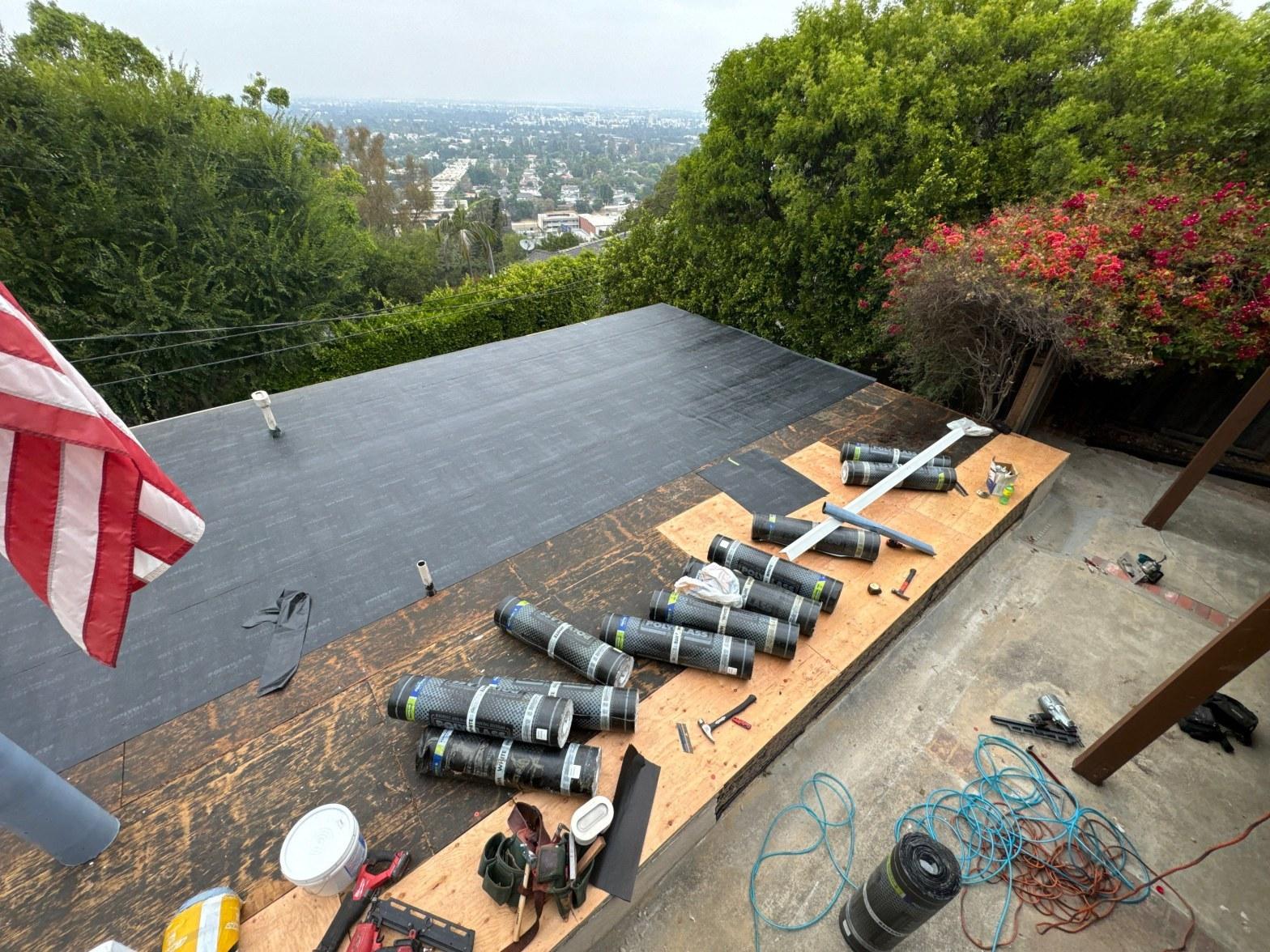
What Is a Cool Roof and How Does It Work?
A cool roof is a roofing system designed to reflect more sunlight and release absorbed heat faster than a standard roof. Instead of soaking up solar energy and transferring it into your attic, it bounces most of it back into the sky. This keeps the roof surface significantly cooler — sometimes 50 to 60 degrees Fahrenheit cooler on a hot summer day compared to a conventional dark shingle roof.
The science behind it comes down to two measurements: solar reflectance (how much sunlight bounces off) and thermal emittance (how quickly the surface releases heat it does absorb). A product earns the ENERGY STAR cool roof label when it meets minimum thresholds for both values, which vary by roof slope.
On a steep-slope residential roof, ENERGY STAR requires an initial solar reflectance of at least 0.25. On a low-slope roof, the bar is higher — at least 0.65 initial reflectance. These numbers matter because California’s building code references them directly.
What Does Cool Roofing California Cost in 2026?
Cool roofing california cost in the regional market typically runs between $4 and $12 per square foot installed, depending on the material, roof complexity, and the size of the job. A standard 1,500-square-foot single-story home might see a total project range of roughly $6,000 to $18,000, though larger or more complex roofs move that range higher.
The table below breaks down typical installed cost ranges by material type in the California market as of 2026. These are market ranges — actual quotes vary based on scope, access, and local labor rates.
| Material | Typical Installed Cost (per sq ft) | Best For | Avg Lifespan |
|---|---|---|---|
| Cool Asphalt Shingles | $4 – $7 | Steep-slope residential | 20 – 30 years |
| Cool Roof Coating (elastomeric) | $2 – $5 | Low-slope / flat roofs | 10 – 15 years per coat |
| Metal Roofing (painted/coated) | $7 – $14 | Steep-slope, long-term value | 40 – 70 years |
| Tile (concrete or clay, light-colored) | $8 – $12 | Steep-slope, Mediterranean style | 50+ years |
| TPO or PVC Membrane | $5 – $9 | Low-slope commercial and residential | 20 – 30 years |
Several factors push cool roofing california cost up or down from these ranges. The biggest drivers are:
- Roof size and pitch: Steeper roofs require more labor and safety equipment, raising per-square-foot costs by 20 to 40 percent compared to a low-slope job.
- Tear-off and decking condition: If the existing shingles or membrane need removal, or if the decking has rot or damage, add $1 to $3 per square foot for that work.
- Number of layers already present: California building codes generally limit roofs to two layers of shingles. A full tear-off on a two-layer roof adds labor and disposal costs.
- Coating vs. full replacement: Applying an elastomeric cool roof coating over an existing sound flat roof is the lowest-cost entry point. A full membrane replacement costs significantly more but lasts longer.
- Permits and inspections: Most California counties require a permit for a full re-roof. Permit fees typically range from $150 to $600 depending on jurisdiction and project valuation.
Our team replaces or coats roughly 3 out of every 5 flat residential roofs we inspect with a cool-rated TPO or elastomeric product — the payback period on the energy savings alone tends to close within 5 to 8 years on homes that run central air conditioning heavily through the summer.
Rebates can also reduce your net cost. The Inflation Reduction Act federal tax credit covers 30 percent of the cost of certain energy-efficient home improvements through 2032. Check with a tax professional to confirm eligibility for your specific project. TECH Clean California and utility-sponsored programs may offer additional rebates on qualifying cool roof installations.
Which Cool Roof Materials Work Best in California’s Climate?
The best cool roof material for a California home depends on roof slope, architectural style, and budget — but reflective metal, white TPO membrane, and cool-rated concrete tile consistently perform well in the state’s hot, dry inland climates. Coastal areas have different needs because of salt air and marine-layer moisture.
For Steep-Slope Roofs (most single-family homes)
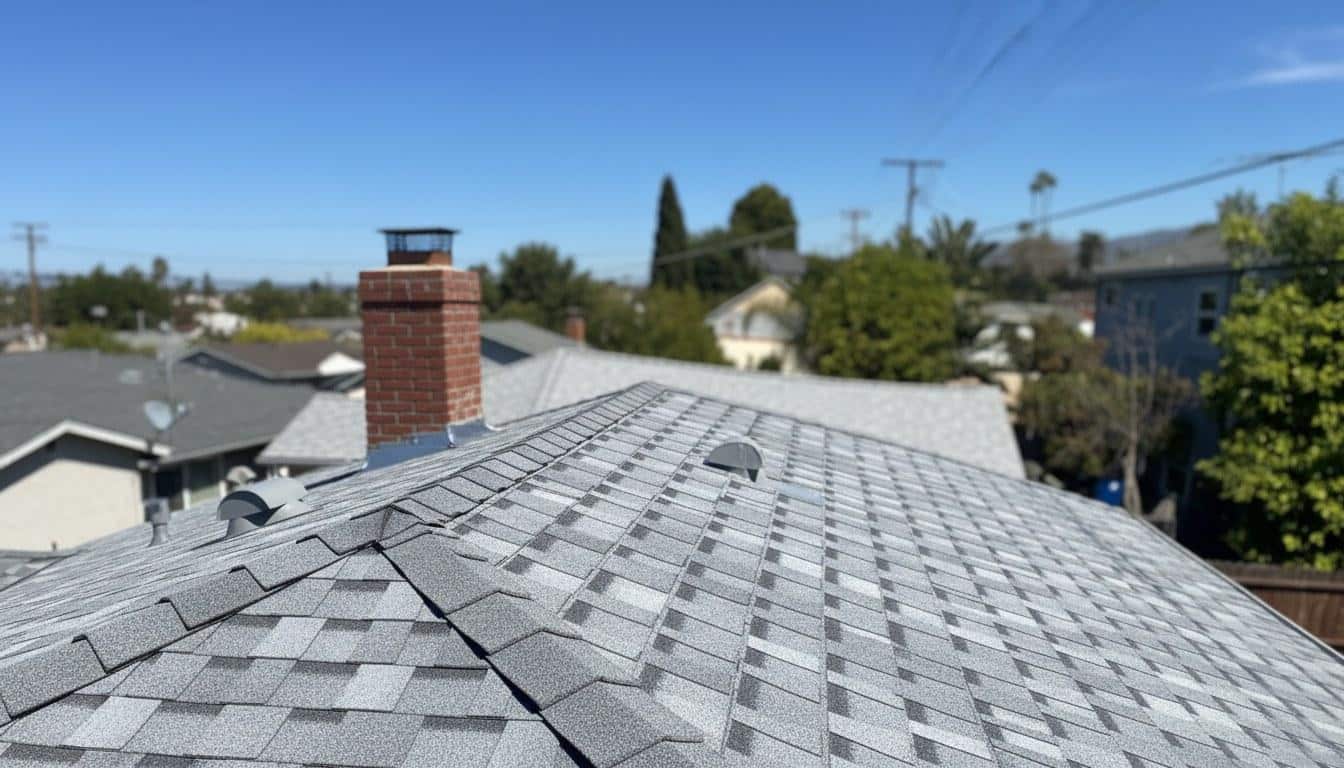
- Cool asphalt shingles: The most affordable upgrade for a standard gable roof. Look for products with a solar reflectance index (SRI) above 29. They look like standard shingles but use granules coated with infrared-reflective pigments.
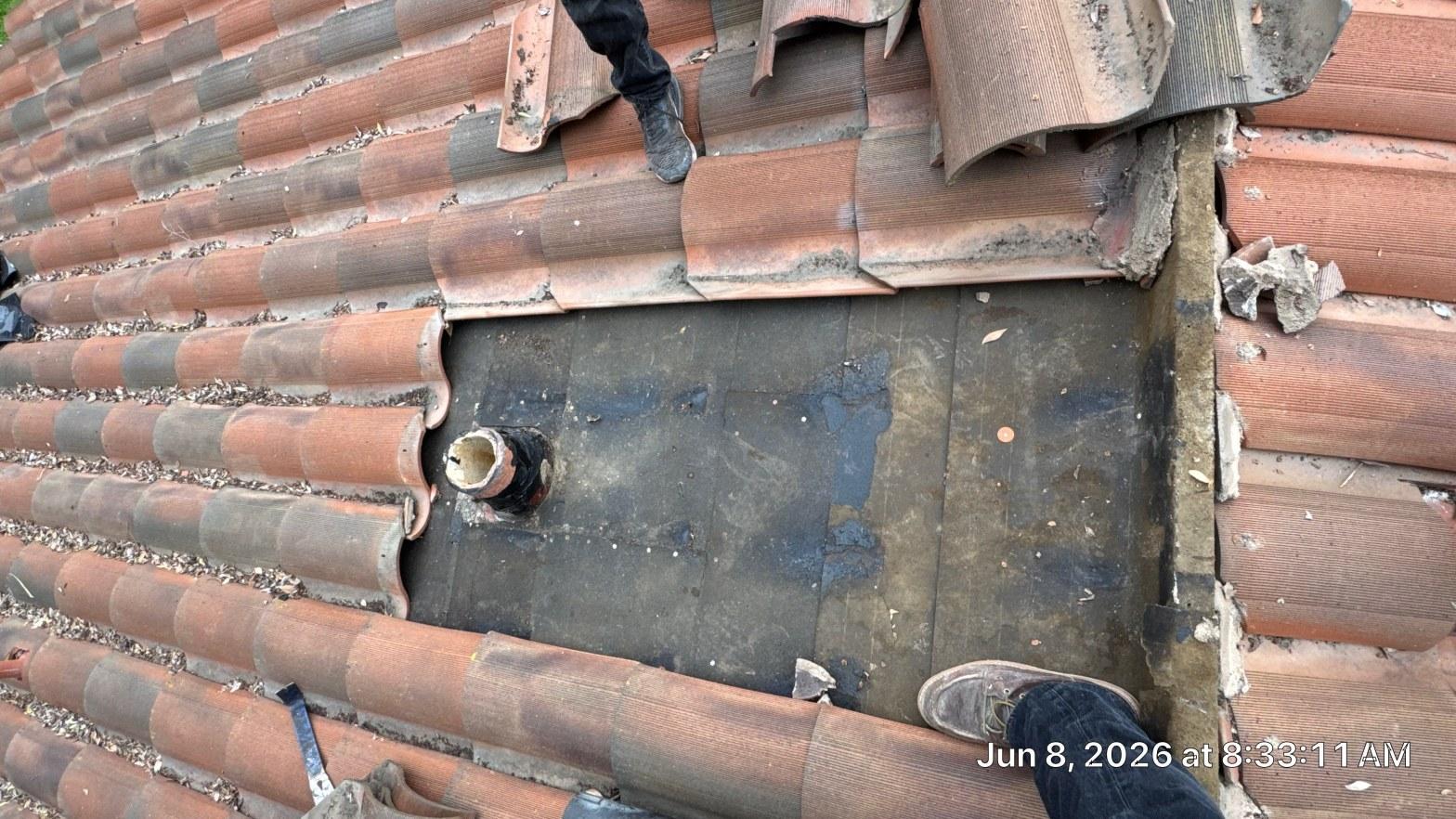
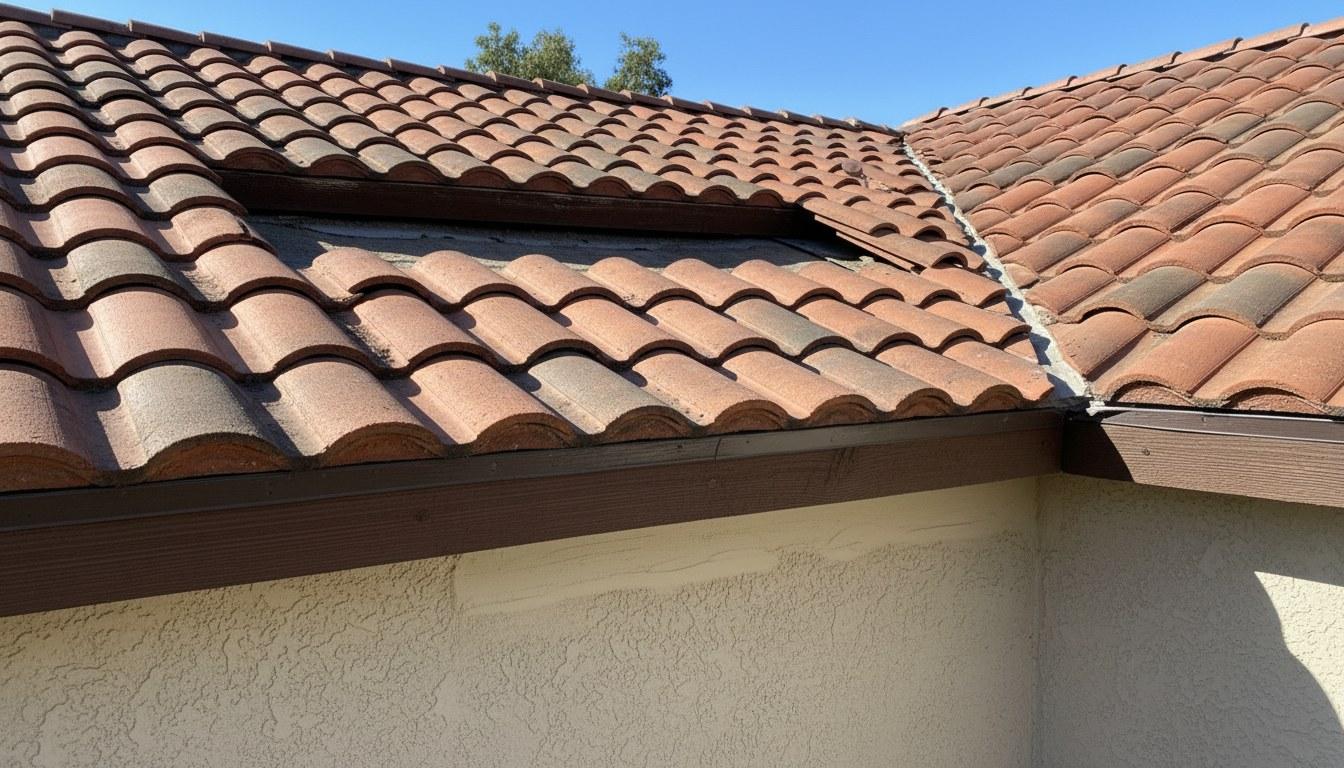
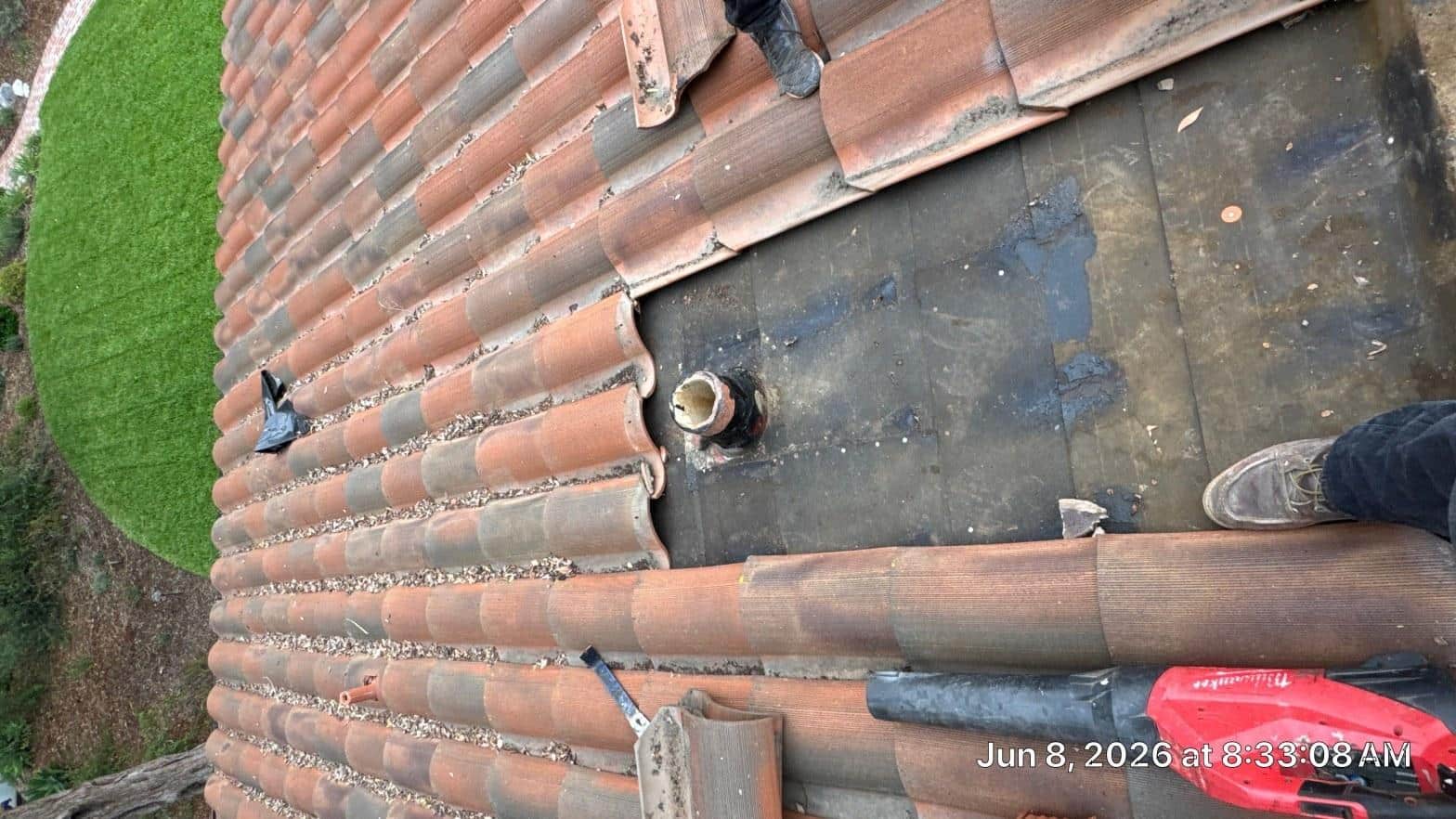
- Concrete or clay tile: California’s Mediterranean housing stock is well suited to tile. Light-colored or barrel-profile tile naturally ventilates underneath, adding passive cooling on top of surface reflectance. Lifespan often exceeds 50 years.
- Metal roofing with cool coatings: Standing-seam steel or aluminum with a factory-applied cool-roof coating offers the longest lifespan of any option. Galvalume and Kynar-coated finishes hold their reflectance for decades.
For Low-Slope or Flat Roofs
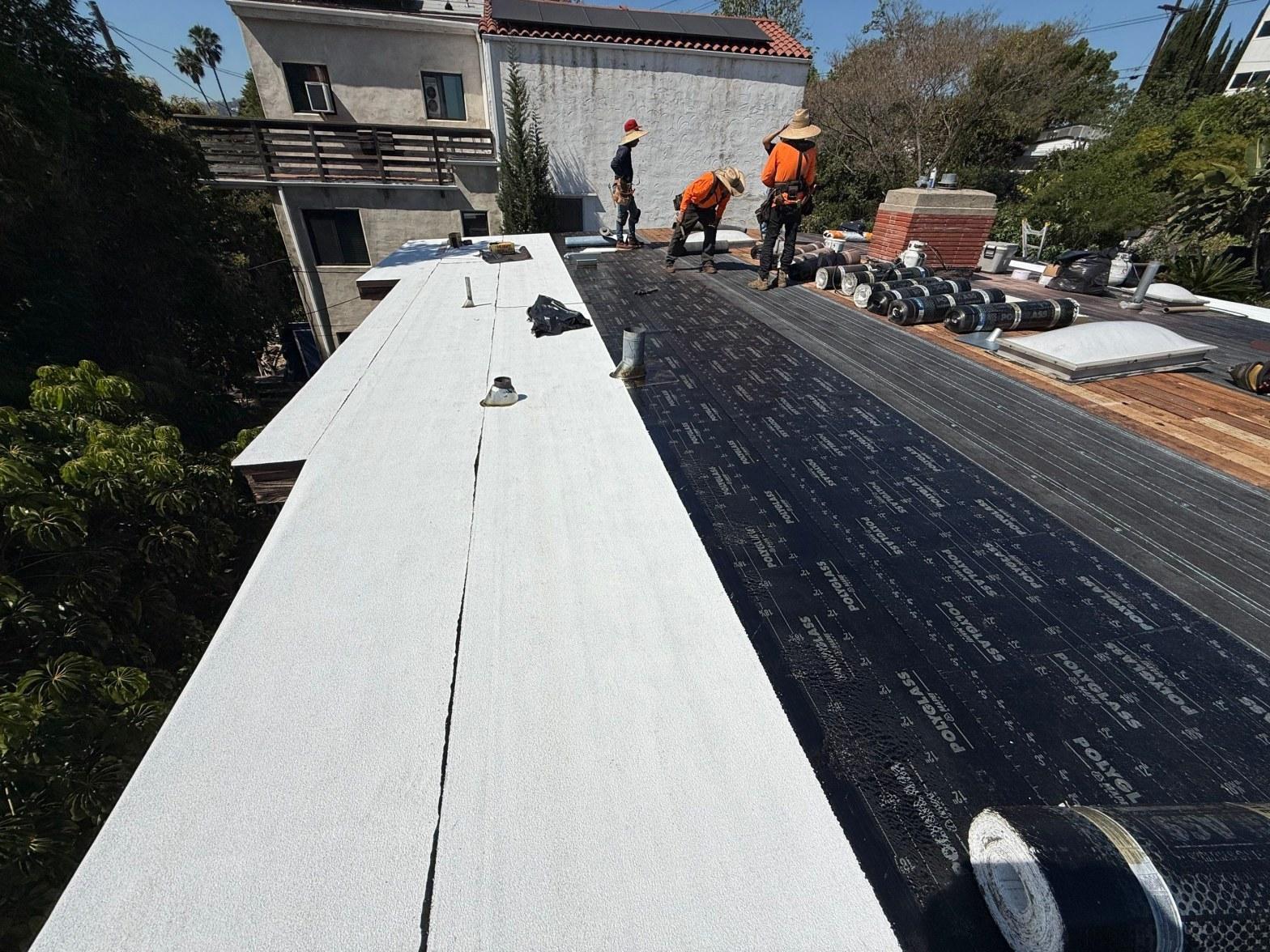
- TPO (thermoplastic polyolefin): White TPO is one of the most widely installed cool roof products in California. It meets Title 24 requirements easily, welds at seams for a watertight finish, and resists UV degradation well.
- PVC membrane: Similar to TPO in performance but with better chemical resistance. Slightly higher cost but a strong choice for roofs near HVAC equipment or grease exhaust.
- Elastomeric cool roof coatings: A budget-friendly option when the existing roof deck is structurally sound. Applied like thick paint, these coatings restore reflectance and add waterproofing. They need reapplication every 10 to 15 years.
In the California Central Valley and Inland Empire, where summer temperatures regularly exceed 100°F, the difference between a cool roof and a standard dark shingle roof can mean attic temperatures 30 to 40 degrees lower. That directly reduces how hard your air conditioner works during peak afternoon hours.
Does California’s Title 24 Require a Cool Roof?
Yes — California’s Title 24 building energy standards require cool roofs on most new residential construction and on re-roofing projects that replace more than 50 percent of a roof’s surface area. As of the 2022 Title 24 update (effective January 1, 2023), the requirements apply to both low-slope and steep-slope roofs, though the specific reflectance thresholds differ by slope and climate zone.
California has 16 climate zones. Homes in hotter inland zones (Climate Zones 2, 9, 10, 11, 12, 13, and 14) face stricter requirements than those in cooler coastal zones. A licensed roofing contractor should verify which climate zone your property falls in before specifying materials.
Key Title 24 cool roof requirements for residential buildings include:
- Low-slope roofs (2:12 pitch or less): Minimum aged solar reflectance of 0.63 and aged thermal emittance of 0.75, or a minimum Solar Reflectance Index (SRI) of 75.
- Steep-slope roofs (above 2:12 pitch): Minimum aged solar reflectance of 0.20 and aged thermal emittance of 0.75, or a minimum SRI of 16 — in applicable climate zones.
- Trigger for compliance: Re-roofing projects replacing more than 50 percent of the roof area must meet current standards. Patching less than 50 percent typically does not trigger the cool roof requirement.
- Product documentation: Materials must be listed on the California Energy Commission approved products list or carry ENERGY STAR certification to satisfy Title 24 compliance.
Failing to use a compliant product on a permit-required re-roof can result in a failed inspection and a required tear-off. Always confirm product compliance before materials are ordered.
What Are the Real Energy Savings You Can Expect?
A properly installed cool roof typically reduces cooling energy use by 10 to 30 percent in California climates, with the largest gains in hot inland areas where air conditioning runs the most. The U.S. Department of Energy estimates that cool roofs can cut peak cooling demand by as much as 10 to 15 percent on a hot day.
Savings vary based on several factors: how well insulated your attic already is, the efficiency of your HVAC system, how much shade your roof gets, and which climate zone you’re in. A home in Riverside or Fresno with a dark shingle roof and minimal attic insulation will see much larger gains than a well-insulated home in San Francisco.
Across our service calls on re-roofing projects in the Los Angeles basin, we consistently see pre- and post-installation comparisons where homeowners report cooling bill reductions of $50 to $150 per month during June through September after switching from a standard dark shingle to a cool-rated product — most pronounced on single-story homes with low attic volume.
Beyond energy bills, cool roofs deliver additional benefits:
- Extended roof lifespan: Lower surface temperatures reduce thermal cycling stress on roofing materials, which can add years to the life of shingles or membranes.
- Improved comfort: Rooms directly below the roof — especially top-floor bedrooms — stay noticeably cooler in the afternoon.
- Reduced urban heat island effect: California’s climate action programs credit cool roofs as a community-level tool for reducing city-wide temperatures.
- Potential insurance benefits: Some insurers offer modest premium reductions for impact-resistant or energy-efficient roofing upgrades. Ask your provider.
How Do You Choose the Right Cool Roofing Contractor?
The most important step is hiring a contractor who is licensed by the California Contractors State License Board (CSLB) and can document that the materials they install meet Title 24 requirements for your climate zone. A license check takes 30 seconds at cslb.ca.gov and protects you from unlicensed operators who may not pull permits or install to code.
When evaluating roofing contractors in Los Angeles or elsewhere in California, ask these specific questions:
- Are you currently licensed with the CSLB, and what is your license number?
- Will you pull the required permit for this re-roof project?
- Which specific products are you proposing, and are they on the California Energy Commission’s approved cool roof products list?
- What is the solar reflectance index (SRI) of the proposed material, and does it meet Title 24 for my climate zone?
- Do you provide a written warranty on both materials and workmanship, and for how long?
- Are you familiar with any available rebates through TECH Clean California or my utility provider?
Get at least 3 written quotes. A reputable residential roofing contractor will provide a line-item breakdown that separates material costs, labor, tear-off, disposal, and permit fees. Be cautious of any quote that bundles everything into a single number without explanation.
For residential roofing projects in Southern California, also confirm the contractor carries general liability insurance and workers’ compensation. Ask for certificates of insurance naming you as an additional insured — not just a verbal assurance.
Ready to Install a Cool Roof? Get Expert Help Now
Cool roofing is one of the most cost-effective energy upgrades available to California homeowners in 2026, and Title 24 compliance makes it a requirement on most re-roofing jobs anyway. Getting the material selection and installation right the first time protects your investment and ensures your project passes inspection.
Roof Replacement Inc serves homeowners across Southern California with full cool roof installations, coatings, and Title 24-compliant re-roofing projects. Whether you need a quote on a flat roof coating or a full steep-slope replacement with cool-rated tile or metal, the team can walk you through material options and current rebate programs.
Call (213) 364-3979 to schedule a free roof assessment. Get a written, itemized quote before any work begins — and ask about TECH Clean California rebates that may apply to your project.
Explore our full range of roofing services across Southern California.
Frequently Asked Questions
How much does a cool roof typically cost for a house in California?
Cool roofing california cost generally ranges from $4 to $12 per square foot installed, depending on the material. A 1,500-square-foot home might run between $6,000 and $18,000 for a full replacement. Elastomeric coatings on existing flat roofs are the most affordable option, while metal or tile systems cost more upfront but last significantly longer.
Does California require a cool roof when I replace my roof?
Yes, in most cases. California's Title 24 building energy standards require cool roof materials on re-roofing projects that replace more than 50 percent of the roof area. The specific reflectance requirements depend on your roof slope and climate zone. A licensed contractor should verify compliance before ordering materials.
How do I know if a roofing product qualifies as a cool roof under California law?
Check the California Energy Commission's approved cool roof products list or look for ENERGY STAR certification on the product spec sheet. The product must meet minimum solar reflectance and thermal emittance thresholds for your roof slope. Your roofing contractor should provide the product's SRI value in writing before installation.
Will a cool roof actually lower my energy bills in California?
For most California homeowners, yes — especially in hot inland areas. A cool roof can reduce cooling energy use by 10 to 30 percent during summer months. Homes in Climate Zones 9 through 14, which include much of the Los Angeles basin and Central Valley, tend to see the largest savings because air conditioning runs more heavily there.
Are there rebates or tax credits available for cool roof installation in California?
Yes. The Inflation Reduction Act federal tax credit covers 30 percent of qualifying energy-efficient home improvements through 2032 — confirm with a tax professional whether your specific project qualifies. TECH Clean California and some utility companies also offer rebates on cool roof products. Ask your roofing contractor to help identify programs available in your area.
Related Articles




What Our Clients Say











Roof Replacement Inc. offers professional, high-quality work, guaranteed (call for details); ensuring all clients projects meet all code and design requirements. We are dedicated to exceptional customer service and will strive to ensure you with the highest quality roofing services. Roof Replacement Inc. offers lifetime warranty (call for details) on all of our workmanship to ensure the quality of our work. With over 40 years of combined experience within the roofing and construction industry, Roof Replacement Inc. has grown and developed in all areas of roofing construction, including roof inspections. As a leading residential and commercial roofing company in LA, we have hundreds of references from previous clients, so rest assured, that your roofing job will be done right the first time. Replacing an old roof can help add curb appeal and will increase the perceived value of your home. First impressions are vital when selling your home, especially when your roof takes up more than half of the exterior of your residence or business. Not only is the return of investment on a new roof attractive for potential buyers, but can be as beneficial as remodeling the kitchen or bathrooms within your residence.

