

Most roofing estimates look like a wall of numbers, but each line item tells you something important about what you are actually paying for. This guide breaks down every section of a typical estimate so you can compare bids with confidence.
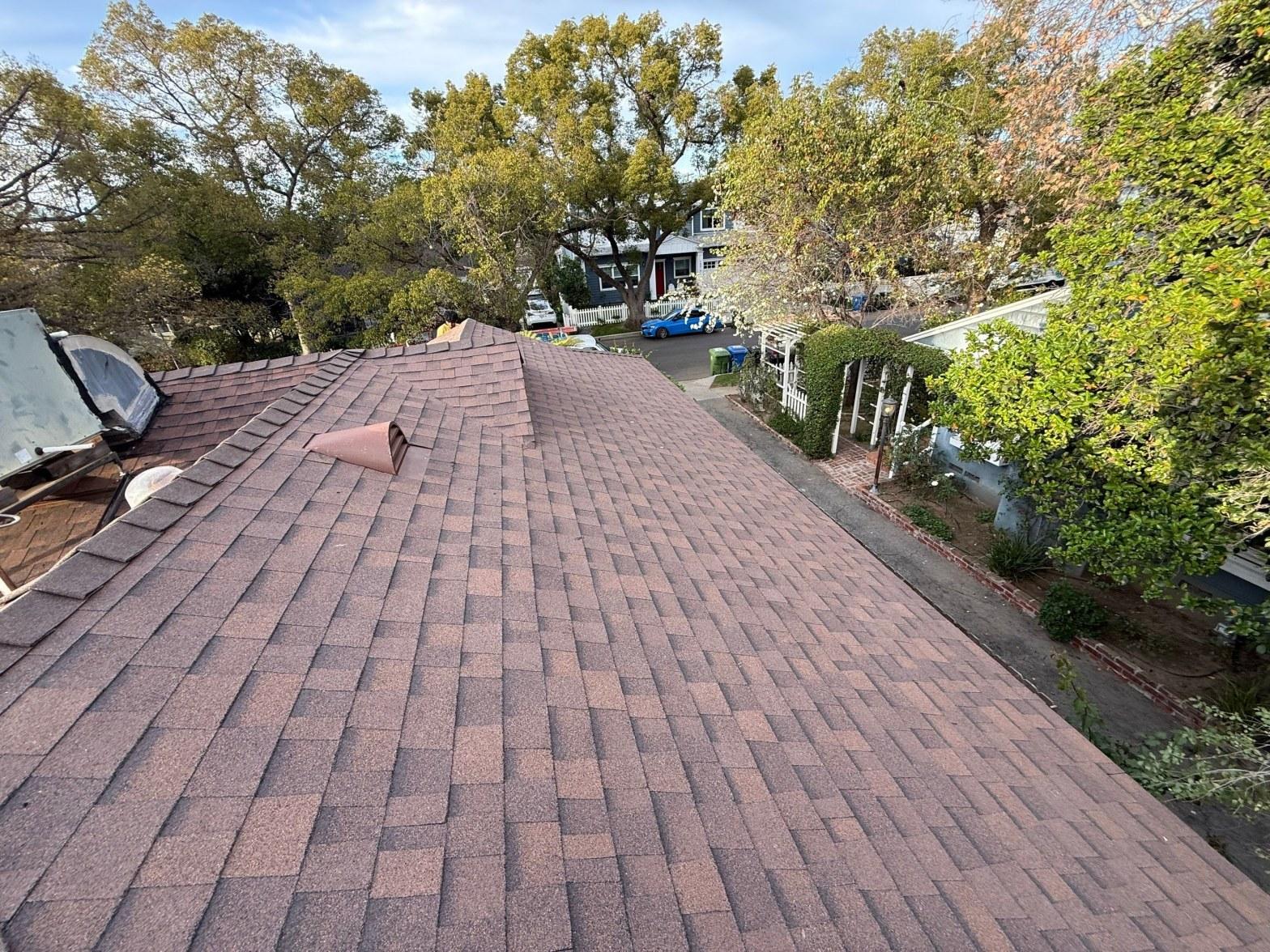
How to Read a Roofing Estimate: The Core Structure
A roofing estimate is a written breakdown of every cost involved in your project, divided into materials, labor, disposal, and protection items. Knowing how to read a roofing estimate means you can spot missing items, compare bids accurately, and avoid paying for work that was never done.
Most estimates are one to three pages long. They list quantities, unit costs, and totals for each item. If a contractor hands you a single number with no detail, ask for a full itemized version before you agree to anything.
A well-structured estimate will generally include these major sections:
- Scope of work: A plain-language description of what will be done, including the roof area in squares (one square equals 100 square feet).
- Materials: Every product going onto your roof, listed by type, brand, and quantity.
- Labor: The cost to install each component, often broken out by task.
- Tear-off and disposal: The charge to remove your old roofing and haul it away.
- Permits and inspections: Local building permit fees, which are required for most full replacements in California.
- Warranty terms: What is covered, for how long, and by whom (manufacturer vs. contractor).
Our crews process an average of 3 to 5 full-replacement estimates per week across Southern California, and the single most common homeowner complaint is receiving a one-line bid that gives no basis for comparison. A detailed estimate protects you as much as it does the contractor.
What Do the Material Line Items on a Roofing Estimate Mean?
Material line items tell you exactly what products will be installed on your home, how much of each is needed, and what each product costs per unit. These items typically account for 40 to 55 percent of the total estimate on a standard shingle replacement.
Here are the most common material line items and what they cover:
- Shingles (or roofing membrane): The visible outer layer. Asphalt shingles are priced per square. Tile, metal, and flat-roof membranes are priced differently. The estimate should name the specific product, not just the material type.
- Underlayment: A water-resistant layer installed between the deck and the shingles. Standard felt (15 lb or 30 lb) costs less than synthetic underlayment, which lasts longer. California’s Title 24 building energy standards may influence which underlayment type is required in your climate zone.
- Decking or sheathing: The plywood or OSB panels that form the roof’s structural base. If your inspector finds soft or rotted sections, replacement boards are added as a separate line item, usually priced per sheet.
- Ice and water shield: A self-adhering membrane applied at valleys, eaves, and penetrations. It is required in many California counties even though the state sees less ice than northern states, because it also guards against wind-driven rain.
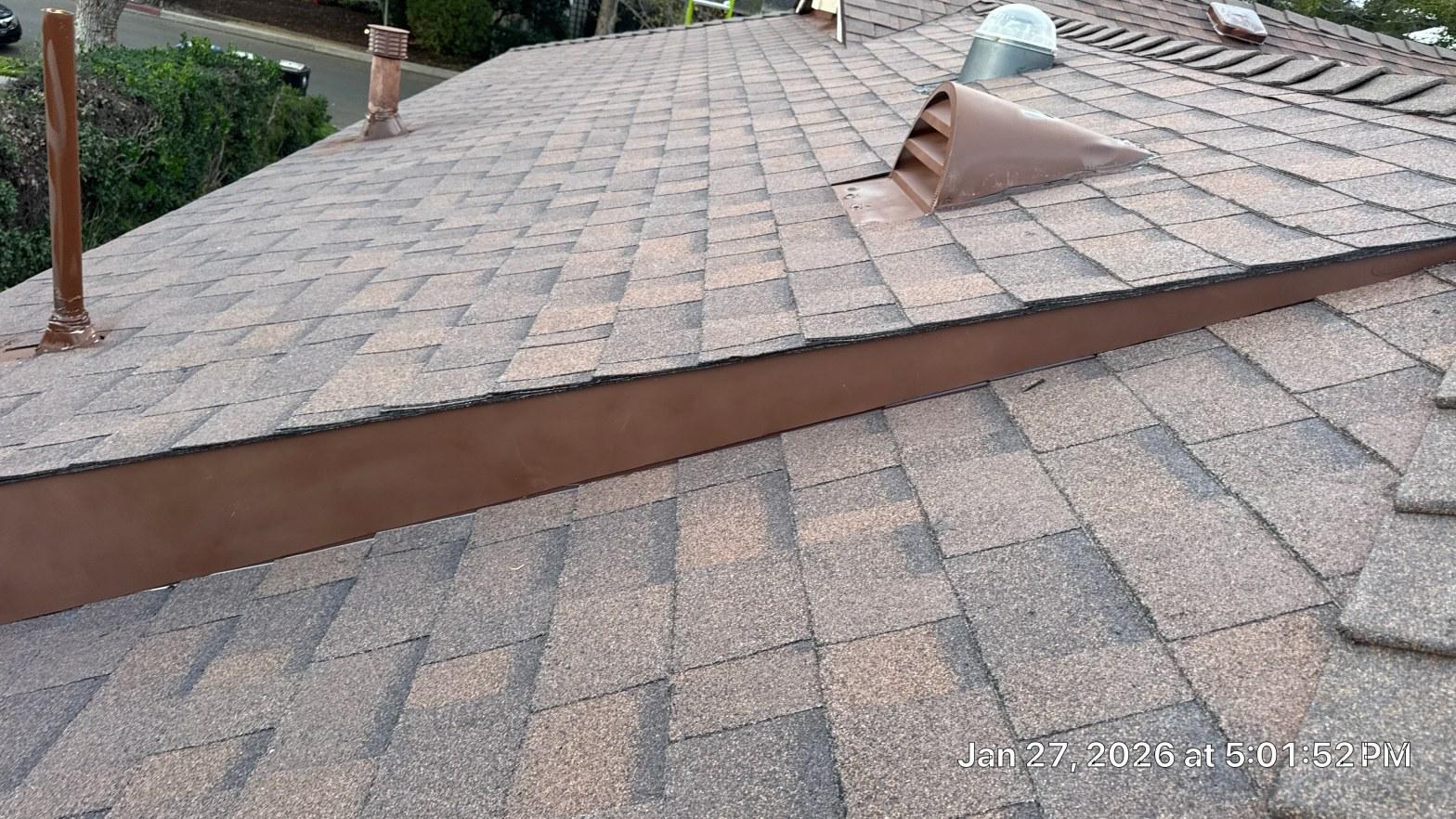
- Flashing: Metal strips (usually aluminum or galvanized steel) that seal joints around chimneys, vents, skylights, and walls. Flashing is often listed separately from shingles because it requires more skilled labor to install correctly.
- Ridge cap: Specially shaped shingles or a ventilated ridge system that runs along the peak of the roof. Some contractors bundle this with shingles; others list it separately.
- Ventilation components: Ridge vents, soffit vents, or box vents. Proper attic ventilation is required by the International Residential Code and extends shingle life by reducing heat buildup.
- Starter strips: Pre-cut shingles installed along the eaves and rakes before the first course of field shingles. A missing starter strip line item is a sign the contractor may be cutting corners.
Always check that the estimate names a specific brand and product line for the shingles. Vague terms like “architectural shingles” without a manufacturer name make it easy to substitute a lower-grade product after you sign.
What Labor and Installation Charges Should You Expect?
Labor charges cover the cost of the crew’s time to remove the old roof, prepare the deck, and install every new component. On most residential projects in California, labor runs between 45 and 60 percent of the total job cost.
Labor charges cover the cost of the crew's time to remove the old roof, prepare the deck, and install every new component, and on most residential projects in California, labor runs between 45 and 60 percent of the total job cost.
Labor is sometimes listed as a single line item and sometimes broken into tasks. Either format is acceptable as long as the total is clear. Common labor entries include:
- Tear-off (removal): Stripping the existing shingles, underlayment, and sometimes flashing. This is priced per square and goes up if there are two or more existing layers to remove.
- Deck preparation: Nailing down loose boards, replacing damaged sections, and sweeping for debris before new materials go on.
- Underlayment installation: Rolling and fastening the base layer across the entire deck.
- Shingle or membrane installation: The main installation task, priced per square.
- Flashing installation: Fitting and sealing metal at all penetrations. This is skilled work and should be listed separately if the roof has a chimney, skylight, or multiple valleys.
- Cleanup and haul-away: Removing debris from the yard and dumpster pickup. Some contractors include this in tear-off; others list it separately.
A legitimate roofing contractor will also include a line for the building permit. In California, Licensed by the California Contractors State License Board (CSLB) contractors are required to pull the permit in their name, not yours. If the estimate says “permit by owner,” treat that as a warning sign.
How Do You Compare Two Roofing Estimates Side by Side?
To compare two roofing estimates accurately, line up the same categories from each bid and check that both cover identical scope, materials, and protection items. A lower total price often reflects missing line items rather than a more efficient contractor.
Use this comparison table as a checklist when reviewing bids:
| Line Item | What to Check | Red Flag If Missing |
|---|---|---|
| Shingle brand and product | Same brand and grade in both bids? | Generic description only |
| Underlayment type | Felt vs. synthetic specified? | No underlayment listed at all |
| Tear-off and disposal | How many existing layers? | Disposal not mentioned |
| Decking repairs | Priced per sheet or excluded? | Completely absent from bid |
| Flashing (new or reuse) | New flashing or reusing old? | Not mentioned for chimney or vents |
| Starter strips | Listed separately or bundled? | Not listed anywhere |
| Ridge cap | Ventilated or standard? | Not listed anywhere |
| Permit | Pulled by contractor? | “Permit by owner” language |
| Warranty | Manufacturer + workmanship? | Verbal only, nothing in writing |
| Cleanup | Included in price? | No mention of haul-away |
When one bid is 20 percent lower than the others, count the line items. In our experience reviewing competitor bids that clients bring in for a second opinion, the lower bid is missing an average of 3 to 4 line items, most commonly starter strips, ice and water shield, and permit fees.
When one bid is 20 percent lower than the others, count the line items rather than celebrating the savings.
What Red Flags Should You Watch for on a Roofing Estimate?
The most common red flags on a roofing estimate are a single lump-sum price, missing permit language, vague material descriptions, and payment terms that demand more than 10 to 15 percent upfront before work begins.
Watch for these specific warning signs:
- No CSLB license number: California law requires roofing contractors to display their license number on all written contracts and estimates. You can verify any number at cslb.ca.gov.
- “Allowance” entries without a price: An allowance line means the contractor is guessing and may charge more later. Decking repairs are sometimes listed as an allowance, which is acceptable only if a per-sheet price is stated.
- Reusing existing flashing: Old flashing that is bent, corroded, or more than 15 years old should be replaced. An estimate that says “reuse existing flashing” on an aging roof is cutting a corner that often leads to leaks within 2 to 3 years.
- No mention of underlayment: Underlayment is not optional. Its absence from an estimate usually means it will be skipped or substituted with a lower-grade product.
- Large upfront deposit: California’s Home Improvement Contract law caps the initial deposit at 10 percent of the total contract price or $1,000, whichever is less, for projects under a certain threshold. A contractor demanding 50 percent upfront is a serious red flag.
- No written scope of work: Verbal promises are not enforceable. Every task should appear in writing on the estimate or contract.
- Pressure to sign the same day: A reputable roofing company will give you time to review the estimate and compare it with other bids.
A roof certification, sometimes called a roof inspection letter, is a separate document from an estimate. Some lenders and home buyers require a roof certification confirming the roof has a certain number of years of useful life remaining. If you need one, make sure it is issued by a licensed contractor and not bundled into a sales pitch for unnecessary replacement.
How Much Does a Roof Replacement Typically Cost in California?
In the California regional market, a full asphalt shingle replacement on a single-story home typically ranges from $8,000 to $20,000, depending on roof size, pitch, material grade, and local permit fees. Tile and metal roofs generally run higher, from $15,000 to $40,000 or more for larger homes.
Several factors move the final number up or down:
- Roof size: Measured in squares. An average California home has a roof between 20 and 35 squares.
- Pitch (slope): Steeper roofs require more safety equipment and slower installation, adding 10 to 20 percent to labor costs.
- Number of layers to remove: California building codes generally allow no more than two layers of roofing on a structure. Removing two existing layers costs more than removing one.
- Material grade: A 25-year 3-tab shingle costs less per square than a 50-year impact-resistant architectural shingle. The estimate should state the warranty class of the shingle.
- Roof complexity: Multiple valleys, dormers, skylights, and chimneys each add flashing work and slow installation, increasing labor hours.
- Cool roof requirements: As of 2024, California’s Title 24 building energy standards require cool-roof-compliant materials on many low-slope and re-roofing projects. ENERGY STAR rated cool-roof products may cost slightly more per square but can qualify for utility rebates through programs like SoCalREN.
The U.S. Department of Energy notes that a properly installed roof with adequate ventilation and a reflective surface can reduce cooling energy use by up to 15 percent in warm climates, which is relevant for homeowners weighing the upfront cost of a cool roof upgrade.
Always request a custom quote based on your specific roof. Regional market ranges give you a sanity check, but your actual cost depends on a physical inspection. Call (213) 364-3979 to schedule one with Roof Replacement Inc.
Ready to Get a Clear, Itemized Estimate?
A detailed, line-by-line estimate is the foundation of any honest roofing project. If your current bids are vague or missing key items, you deserve better before you commit thousands of dollars.
Roof Replacement Inc provides fully itemized estimates for homeowners across Southern California. Every line is explained, every material is named, and every cost is tied to a specific task. Schedule your inspection and written estimate by calling (213) 364-3979 today.
Explore our full range of roofing services across Southern California.
Frequently Asked Questions
How much does it usually cost to replace a roof in California?
In the California regional market, a full asphalt shingle replacement typically ranges from $8,000 to $20,000 for an average-sized home. Tile and metal roofs generally run from $15,000 to $40,000 or more depending on size and complexity. The best way to get an accurate number is a physical inspection and a written, itemized estimate from a licensed contractor.
How often does a roof need to be replaced?
Most asphalt shingle roofs last 20 to 30 years under normal conditions. Tile roofs can last 40 to 50 years or longer with proper maintenance. In Southern California, intense UV exposure and heat can shorten shingle life by 3 to 5 years compared to cooler climates, so a professional inspection every 5 years is a good baseline.
What should a roofing estimate include?
A complete roofing estimate should include the roof area in squares, a named material list with brands and quantities, separate labor line items for tear-off and installation, permit fees, disposal costs, and written warranty terms. Any estimate that shows only a single total price without itemization is difficult to evaluate and easier to dispute later.
Why are two roofing bids so different in price?
Price differences between bids usually come down to missing line items rather than one contractor being more efficient. A lower bid may leave out starter strips, ice and water shield, permit fees, or proper disposal. Comparing bids line by line rather than total to total reveals what each contractor is actually planning to do.
How do I know if a roofing contractor in Los Angeles is licensed?
You can verify any California roofing contractor's license number at cslb.ca.gov, the official website of the California Contractors State License Board. A valid license confirms the contractor is bonded and has met the state's testing and insurance requirements. The license number must also appear on any written estimate or contract the contractor gives you.
Related Articles





What Our Clients Say











Roof Replacement Inc. offers professional, high-quality work, guaranteed (call for details); ensuring all clients projects meet all code and design requirements. We are dedicated to exceptional customer service and will strive to ensure you with the highest quality roofing services. Roof Replacement Inc. offers lifetime warranty (call for details) on all of our workmanship to ensure the quality of our work. With over 40 years of combined experience within the roofing and construction industry, Roof Replacement Inc. has grown and developed in all areas of roofing construction, including roof inspections. As a leading residential and commercial roofing company in LA, we have hundreds of references from previous clients, so rest assured, that your roofing job will be done right the first time. Replacing an old roof can help add curb appeal and will increase the perceived value of your home. First impressions are vital when selling your home, especially when your roof takes up more than half of the exterior of your residence or business. Not only is the return of investment on a new roof attractive for potential buyers, but can be as beneficial as remodeling the kitchen or bathrooms within your residence.

