Before California's rainy season arrives, a thorough end-of-summer roof inspection can catch small problems before they become costly leaks. This checklist covers every area of your roof, from shingles to gutters to attic ventilation.
Why Does an End-of-Summer Roof Inspection Matter in California?
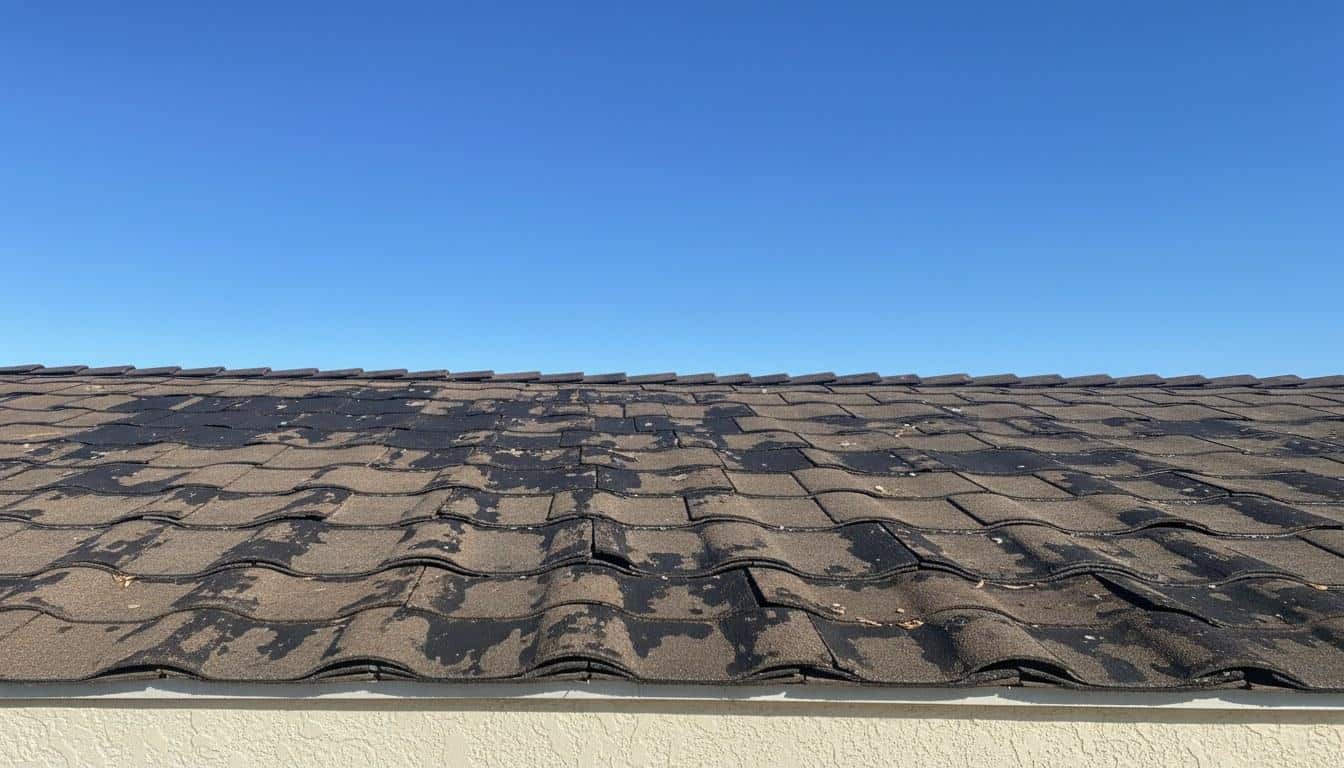
California summers push roofs to their limits. Months of intense UV exposure, heat above 100°F in inland valleys, and dry Santa Ana wind conditions leave shingles brittle, sealants cracked, and flashing loose — right before the state’s rainy season begins. That timing gap, roughly August through October, is exactly when an inspection pays off most.
According to NOAA, California’s wet season typically runs November through March, with the heaviest rainfall concentrated in December and January. A roof that survived summer with hidden damage will almost always show that damage — through leaks, water stains, or mold — during the first major storm.
Catching problems in August or September gives homeowners time to schedule repairs without emergency pricing and without competing for contractor availability after storms hit. A proactive inspection is one of the most cost-effective steps a California homeowner can take before fall.
What Does a Complete End-of-Summer Roof Inspection Checklist for California Cover?
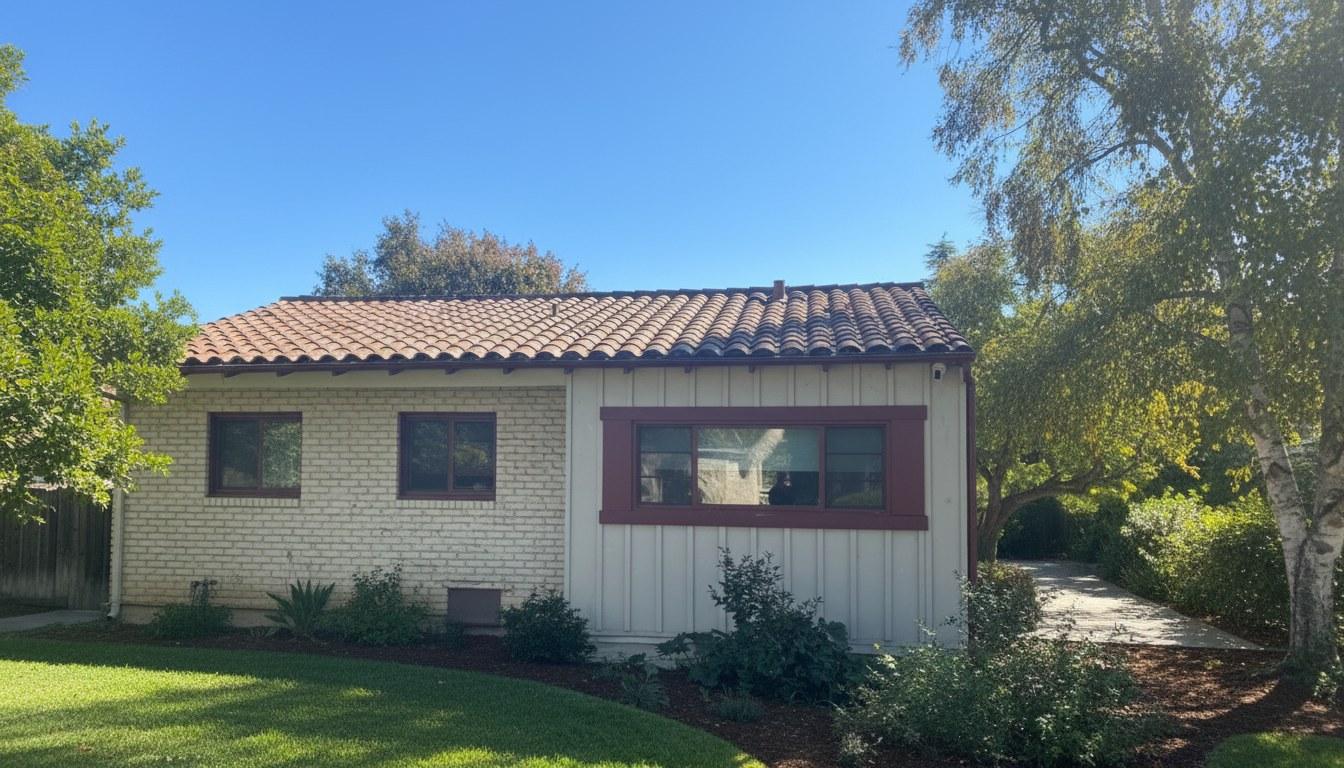
A thorough end-of-summer roof inspection checklist for California should cover at least 10 distinct areas of your roof system — not just the shingles you can see from the street. Each zone can hide a different type of failure, and missing even one can lead to a leak that causes thousands of dollars in interior damage.
Work through this checklist from the top of the roof down to the attic floor:
- Shingles: Look for curling edges, cupping, missing granules, cracks, or shingles that have lifted or blown off entirely. Asphalt shingles lose granules faster in high-UV climates — a granule-bare patch is a sign the shingle is near the end of its life.
- Flashing: Check the metal strips around chimneys, skylights, vent pipes, and roof valleys. Flashing that has pulled away, rusted, or cracked is the single most common source of roof leaks in California homes.
- Roof valleys: These are the V-shaped channels where two roof planes meet. Debris and standing water concentrate here, accelerating wear. Look for cracked sealant, missing shingles, or dark staining.
- Gutters and downspouts: Clear all debris from summer (leaves, twigs, dried palm fronds). Check that gutters are firmly attached, pitched correctly toward downspouts, and free of rust or cracks. A blocked gutter during the first fall rain can push water under the eave.
- Soffit and fascia: Inspect the boards under the eave overhang. Rot, peeling paint, or pest holes here allow moisture and animals into the attic.
- Ridge cap shingles: The shingles running along the peak of the roof take the most wind stress. Check for lifted, cracked, or missing ridge caps.
- Roof penetrations: Every pipe, vent, or exhaust stack that exits through the roof is a potential leak point. The rubber boot seals around plumbing vents harden and crack after 5 to 10 years in California heat.
- Attic ventilation: Poor ventilation traps summer heat (attic temps can exceed 150°F), which bakes shingles from below and shortens their lifespan by 3 to 5 years. Check that ridge vents and soffit vents are open and unobstructed.
- Attic interior: Look for daylight coming through the roof deck, water stains on rafters or sheathing, mold growth, or insulation that has been wet and compressed.
- Chimney and masonry: Inspect the mortar joints and chimney crown for cracks. A cracked crown is a direct water entry point during heavy rain.
Our team sees flashing failures and cracked pipe boots as the two most common findings on end-of-summer inspections across Southern California — together they account for roughly 60% of the active leaks we trace during fall storm calls.
What Should You Check Each Season to Keep Your Roof Healthy?
Roof maintenance is most effective when it follows a seasonal rhythm tied to California’s climate cycles. The state’s dry summers and wet winters create two distinct stress periods, and each transition is an opportunity to catch damage early.
Spring (March–May)
- Inspect for any damage caused by winter storms — missing shingles, lifted flashing, or saturated insulation.
- Clean gutters of debris carried by winter rain and wind.
- Check attic for moisture or mold that developed during the wet season.
- Look for moss or algae growth that thrives in winter moisture and can lift shingles if left untreated.
Summer (June–August)
- Watch for shingles that have visibly curled or blistered from heat exposure.
- Trim overhanging tree branches that can scrape shingles or deposit debris.
- Check attic ventilation — if indoor temperatures are unusually high, the attic may be trapping heat.
- Conduct a full end-of-summer roof inspection checklist review in August before fall rains approach.
Fall (September–November)
- Complete any repairs identified during the summer inspection before the first rain.
- Clear gutters again after leaves drop in October and November.
- Apply fresh sealant around flashing, vents, and chimney crowns if caulk is cracking.
- Confirm downspouts direct water at least 6 feet away from the foundation.
Winter (December–February)
- After any major storm, do a visual scan from the ground for obvious damage like missing shingles or sagging sections.
- Check attic after heavy rain for any new water stains or drips.
- Keep gutters clear of debris during the wet season so water flows freely.
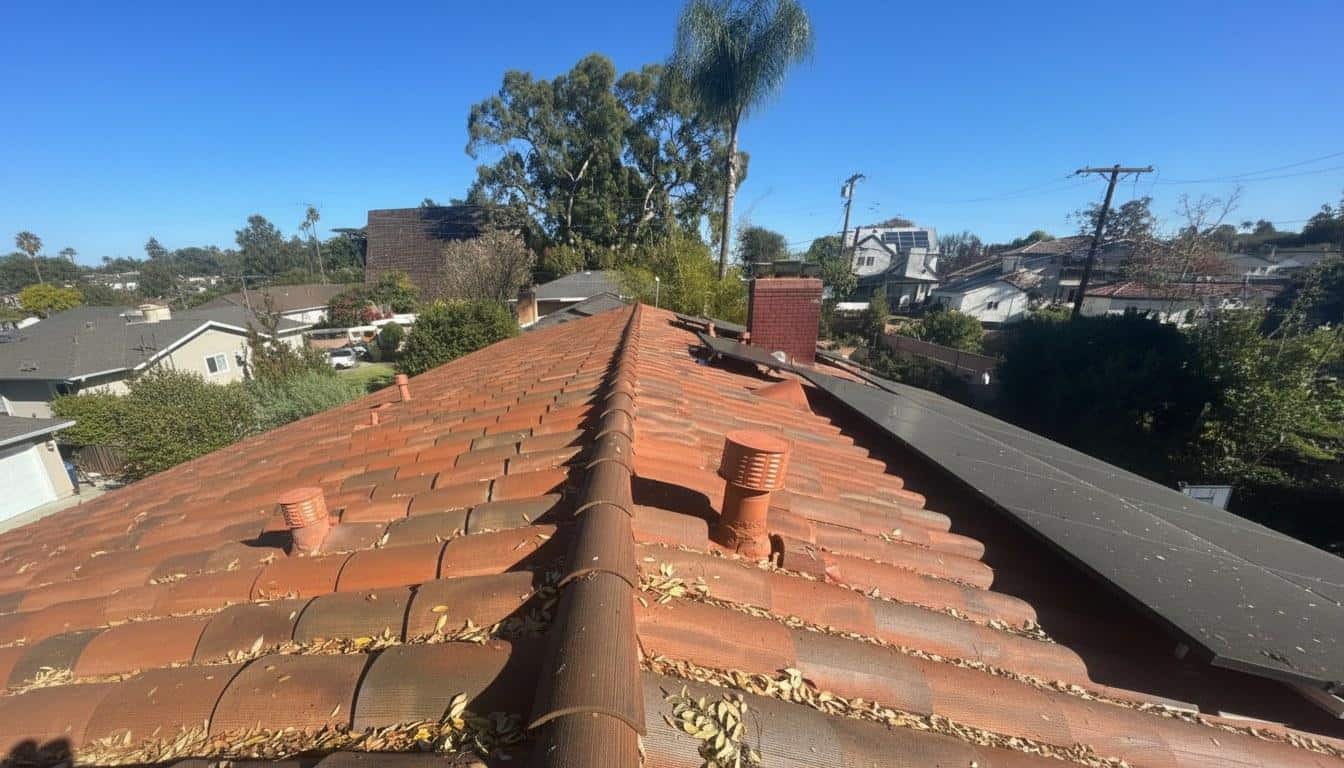
How Do You Compare Repair vs. Replacement After an Inspection?
After an inspection, most homeowners face a decision: repair the damage found or invest in a full roof replacement. The right answer depends on the roof’s age, the extent of damage, and the cost difference between the two paths.
In the California regional market, minor repairs — patching a few shingles, resealing flashing, or replacing a pipe boot — typically range from a few hundred dollars to around $1,500 depending on scope and access. A full residential roof replacement on a standard single-story home generally ranges from $8,000 to $20,000 or more, depending on roofing material, square footage, and complexity. Always request a custom quote for your specific home.
Use this table to guide your decision after an inspection:
| Condition Found | Roof Age | Recommended Action | DIY or Pro? |
|---|---|---|---|
| 1–3 missing or cracked shingles | Under 15 years | Spot repair | Pro recommended |
| Loose or lifted flashing at chimney or skylight | Any age | Re-seal or replace flashing | Pro |
| Widespread granule loss across multiple sections | 15–20+ years | Plan for replacement within 1–3 years | Pro inspection first |
| Curling or cupping shingles across 30%+ of roof | Any age | Full replacement | Pro |
| Active leak with interior water staining | Any age | Immediate repair; assess underlying deck damage | Pro (urgent) |
| Cracked or open chimney crown | Any age | Chimney crown repair or rebuild | Pro |
| Blocked or sagging gutters | Any age | Clean, realign, or replace gutters | DIY or Pro |
| Cracked rubber boot around pipe penetration | Any age | Replace boot seal | Pro recommended |
California’s Title 24 building energy standards also apply to roof replacements — new roofing materials in the state must meet cool-roof reflectance requirements in many climate zones. A licensed contractor can confirm which standards apply to your home before work begins.
If your roof is older than 20 years and showing widespread wear, a roof certification from a licensed inspector may also be required by your insurance company or a home buyer’s lender. This is a formal written assessment that the roof has a defined remaining useful life — typically 2 to 5 years minimum.
What Does a Professional Roof Inspection Include?
A professional roof inspection typically takes 45 to 90 minutes for a standard single-family home and covers both the exterior roof surface and the attic interior. This is more thorough than a visual-only inspection from the ground or a drone pass alone.
Here is what a qualified inspector should cover during a residential roofing inspection:
- Full exterior walk: The inspector physically accesses the roof (not just photographs it from the ground) to check shingles, flashing, ridge caps, valleys, and all penetrations up close.
- Flashing condition report: Every transition point — chimney, skylight, wall-to-roof, and valley — is checked for sealant integrity and physical attachment.
- Gutter and drainage assessment: The inspector checks gutter slope, attachment, and downspout discharge location.
- Attic inspection: Rafters, sheathing, insulation, and ventilation are checked for moisture damage, mold, pest activity, and airflow adequacy.
- Remaining life estimate: A professional gives a realistic estimate of how many years the current roof has before replacement is needed — not just a pass/fail.
- Written report: A reputable inspector provides a written summary with photos, findings, and recommended actions ranked by urgency.
Always verify that the contractor or inspector is licensed by the California Contractors State License Board (CSLB). You can check any license number at cslb.ca.gov. Unlicensed roof inspectors have no accountability if their report misses a major defect.
In the regional market, a standalone professional roof inspection typically costs between $150 and $400 for a residential property. Many roofing companies in Los Angeles County and surrounding areas offer free inspections when combined with a repair or replacement estimate. Request a custom quote to understand what applies to your home’s size and roof type.
Across our end-of-summer inspection calls in Southern California, we find that roughly 1 in 4 roofs that pass a quick visual check from the ground has at least one active leak path visible only from the roof surface or the attic — most often at a flashing joint or a cracked pipe boot.
Roughly 1 in 4 roofs that pass a quick visual check from the ground has at least one active leak path visible only from the roof surface or the attic.
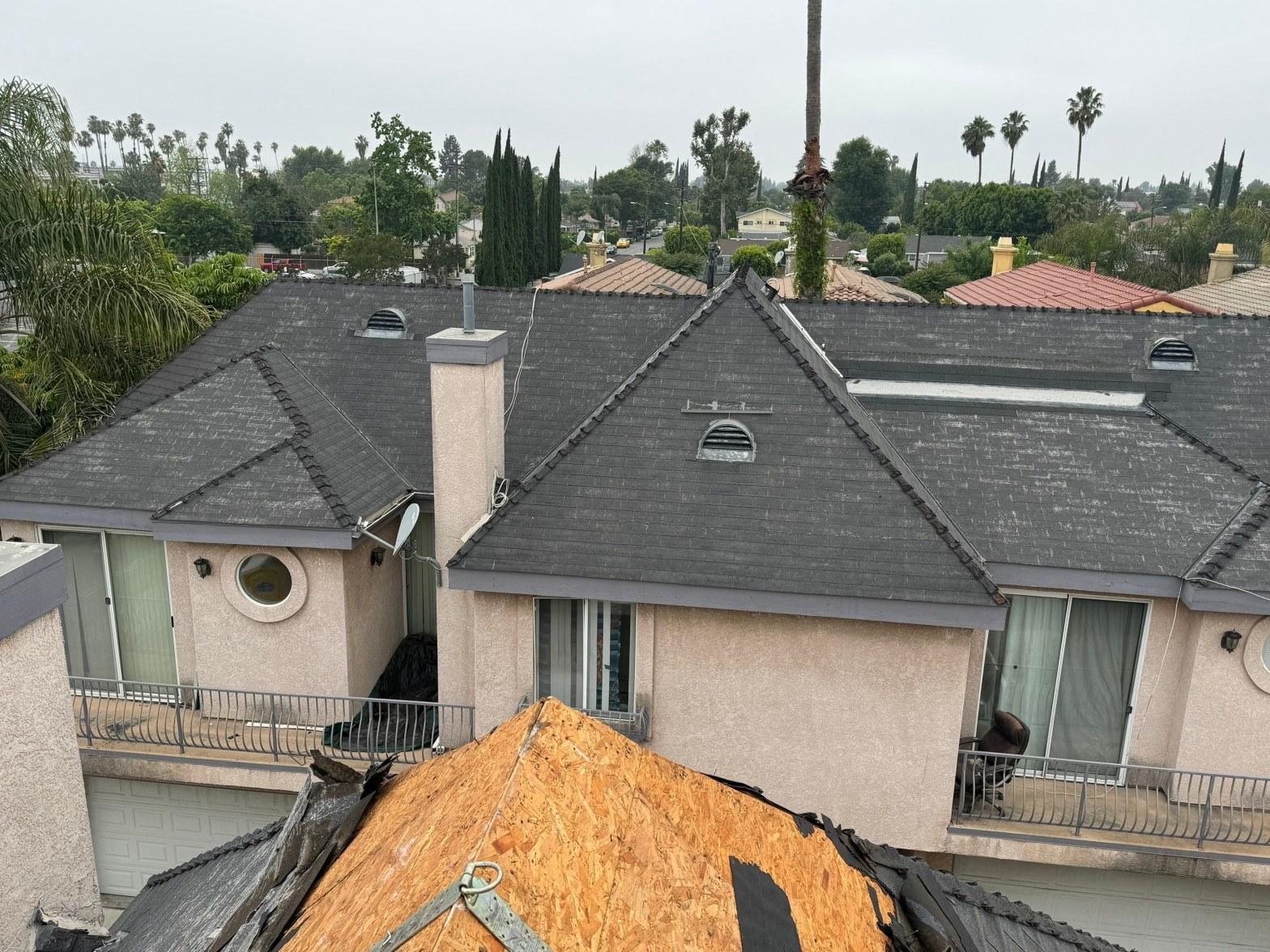
What Warning Signs Should You Watch for Between Inspections?
Homeowners should not wait for a scheduled inspection if any of these warning signs appear — each one signals a potential active failure that can worsen rapidly with the first fall rain.
- Water stains on ceilings or walls: Brown or yellow rings on interior ceilings are a clear sign that water has already entered the roof system. The leak source is often several feet away from the visible stain.
- Granules in gutters: A small amount of granule shedding is normal, but if gutters are filling with dark, sand-like material after every rain, the shingles are deteriorating faster than expected.
- Daylight visible in the attic: Any pinhole of light coming through the roof deck means there is a direct opening for water.
- Sagging roof sections: A roof deck that visibly dips or sags between rafters indicates structural damage — often from long-term moisture or pest activity — and needs immediate professional evaluation.
- Shingle debris in the yard: Finding shingle pieces or tabs on the ground after wind events means the roof has lost material that must be replaced before rain arrives.
- Mold or musty smell in the attic: Mold growth on rafters or insulation means moisture has been present long enough to cause biological growth — a sign of an ongoing, not just past, intrusion.
- Peeling paint near roofline: Paint that bubbles or peels on exterior soffits or interior ceilings near the roofline often traces back to condensation from poor attic ventilation or a slow leak.
- Spike in energy bills: If summer cooling costs jumped significantly, compromised attic insulation or ventilation — sometimes caused by a leak-damaged roof deck — may be the cause. The ENERGY STAR program notes that proper attic insulation and air sealing can reduce energy costs by 15% or more.
Any one of these signs warrants a call to a licensed roofing contractor — not a wait-and-see approach. Residential roofing problems almost never resolve on their own, and California’s fall rain events can turn a minor gap into a major interior water loss within a single storm.
Schedule Your Roof Inspection Before the Rains Arrive
August and September are the best months to complete your end-of-summer roof inspection checklist and get any needed repairs scheduled before contractor availability tightens after the first fall storms. Waiting until you see a leak means paying emergency rates and competing with dozens of other homeowners for the same repair slots.
Waiting until you see a leak means paying emergency rates and competing with dozens of other homeowners for the same repair slots.
Roof Replacement Inc serves homeowners across Southern California and provides thorough professional roof inspections, written reports, and repair or replacement services backed by contractors licensed by the California Contractors State License Board (CSLB). Whether you need a quick flashing repair, a full residential roofing assessment, or a roof certification for a sale or insurance requirement, the team is ready to help.
Call (213) 364-3979 to schedule your inspection or request a custom quote. Do not head into California’s rainy season without knowing the condition of your roof.
Frequently Asked Questions
How often should I get my roof inspected in California?
Most roofing professionals recommend a full inspection at least once a year, with the best timing being late summer — August or September — before California's rainy season begins. If your roof is older than 15 years or has had recent storm damage, twice a year is a reasonable schedule. A quick visual check after any major wind event is also a good habit.
How much does a roof inspection cost in California?
In the Southern California market, a professional roof inspection typically costs between $150 and $400 for a standard single-family home. Many licensed roofing contractors offer a free inspection when you are also requesting a repair or replacement estimate. The size of the home, roof complexity, and whether an attic inspection is included all affect the final cost.
How long does a roof inspection take?
A thorough professional roof inspection takes 45 to 90 minutes for most single-family homes. Larger homes, multi-story structures, or roofs with complex geometry — multiple valleys, skylights, or chimneys — can take up to two hours. The inspector should spend time both on the roof surface and inside the attic for a complete assessment.
Can I inspect my own roof, or do I need a professional?
Homeowners can do a basic visual check from the ground or from a ladder at the eave level — looking for missing shingles, overflowing gutters, or obvious debris. However, a professional inspector can walk the roof surface, check flashing up close, and assess the attic interior, which is where many active leak paths are first visible. For an end-of-summer inspection meant to prepare for the rainy season, a professional inspection is strongly recommended.
What is a roof certification and do I need one?
A roof certification is a written document from a licensed roofing contractor stating that the roof has a minimum remaining useful life — typically 2 to 5 years. Insurance companies and mortgage lenders often require one for older homes during a sale or policy renewal. If your roof is over 15 to 20 years old and you are selling or refinancing, ask your contractor whether a certification inspection is appropriate.
Related Articles






What Our Clients Say











Roof Replacement Inc. offers professional, high-quality work, guaranteed (call for details); ensuring all clients projects meet all code and design requirements. We are dedicated to exceptional customer service and will strive to ensure you with the highest quality roofing services. Roof Replacement Inc. offers lifetime warranty (call for details) on all of our workmanship to ensure the quality of our work. With over 40 years of combined experience within the roofing and construction industry, Roof Replacement Inc. has grown and developed in all areas of roofing construction, including roof inspections. As a leading residential and commercial roofing company in LA, we have hundreds of references from previous clients, so rest assured, that your roofing job will be done right the first time. Replacing an old roof can help add curb appeal and will increase the perceived value of your home. First impressions are vital when selling your home, especially when your roof takes up more than half of the exterior of your residence or business. Not only is the return of investment on a new roof attractive for potential buyers, but can be as beneficial as remodeling the kitchen or bathrooms within your residence.

