Choosing between TPO and torch down roofing can save you thousands over the life of your flat roof. This guide breaks down how each system performs in California's climate so you can make a confident decision.
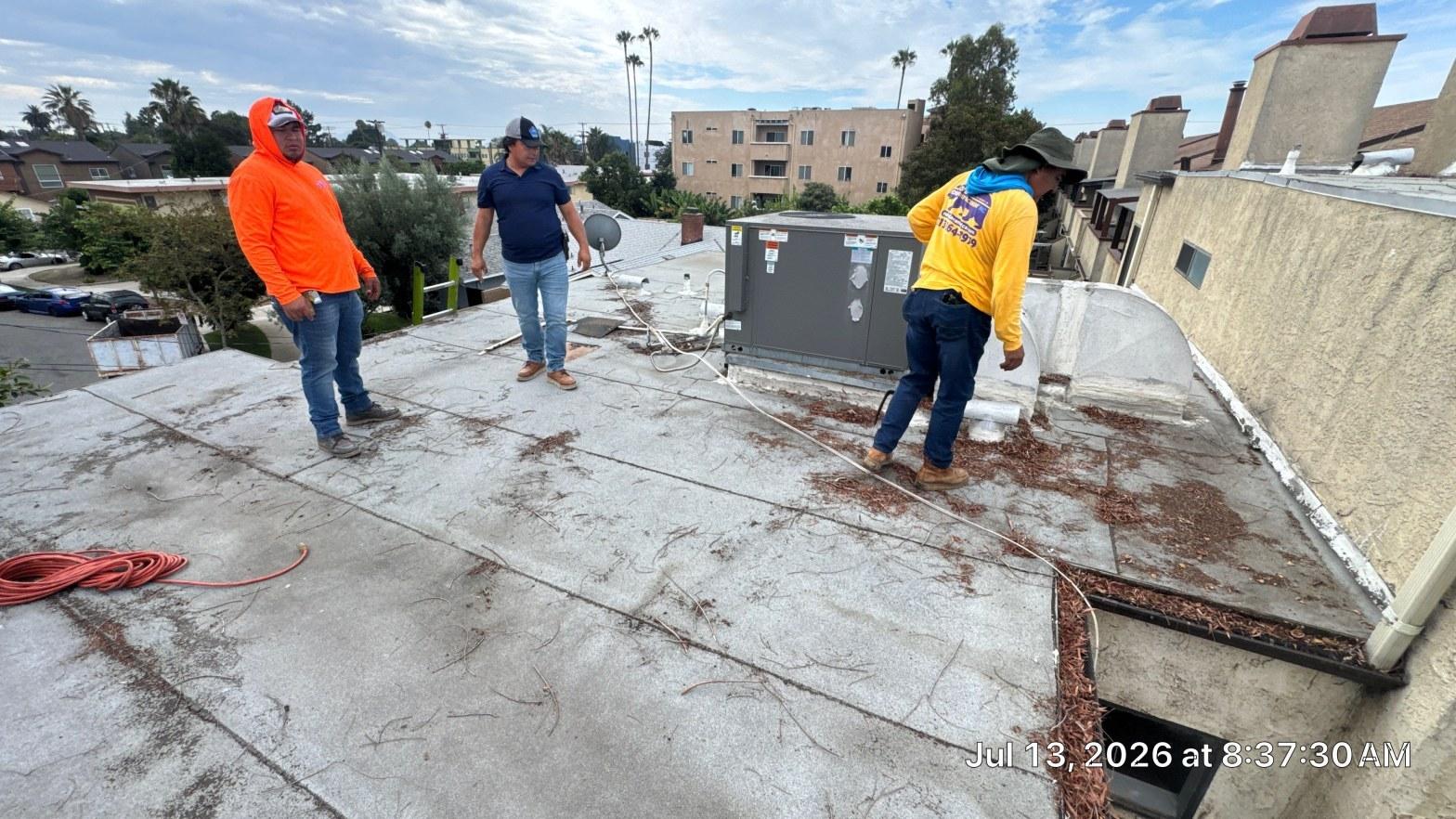
When comparing tpo vs torch down roofing california homeowners most often ask about heat resistance, cost, and longevity. TPO (Thermoplastic Polyolefin) is a single-ply membrane system that reflects solar heat, while torch down is a multi-layer modified bitumen system fused with an open flame. Both are proven flat roof solutions, but they perform differently depending on your roof deck, local fire codes, and energy goals.
What Are TPO and Torch Down Roofing Systems?
TPO is a single-ply white or light-gray membrane rolled out in large sheets and heat-welded at the seams. Torch down, also called modified bitumen, uses layers of asphalt-reinforced sheets that are literally torched to the surface with a propane burner. Both systems are designed for low-slope and flat roofs, which are common on California bungalows, mid-century homes, and commercial buildings.
TPO membranes are typically 45 to 80 mils thick. The sheets are mechanically fastened or fully adhered to the roof deck, then the seams are hot-air welded together to create a watertight bond. The finished surface is reflective, which is a major advantage under California sun.
Torch down roofing uses two or three layers of modified bitumen sheets. The base sheet is nailed or adhered, and the cap sheet is torched down with a propane flame that melts the underside of the sheet and bonds it permanently to the layer below. The surface can be smooth, granulated, or coated. Granulated cap sheets add UV protection and a textured finish.
| Feature | TPO | Torch Down (Modified Bitumen) |
|---|---|---|
| Material type | Single-ply thermoplastic membrane | Multi-layer asphalt-modified bitumen |
| Installation method | Mechanically fastened or fully adhered; seams heat-welded | Propane torch-fused layers |
| Typical thickness | 45 to 80 mils | 2 to 3 layers, roughly 160 to 240 mils total |
| Surface color | White or light gray (highly reflective) | Granulated (various colors) or smooth |
| Open-flame required | No | Yes (propane torch) |
| Expected lifespan | 20 to 30 years | 15 to 25 years |
| ENERGY STAR eligible | Yes (most white TPO membranes) | Yes (with reflective coating) |
| Best for | New decks, energy-efficient builds, any roof size | Irregular decks, re-roofing, any roof size |
How Do TPO and Torch Down Perform in California’s Climate?
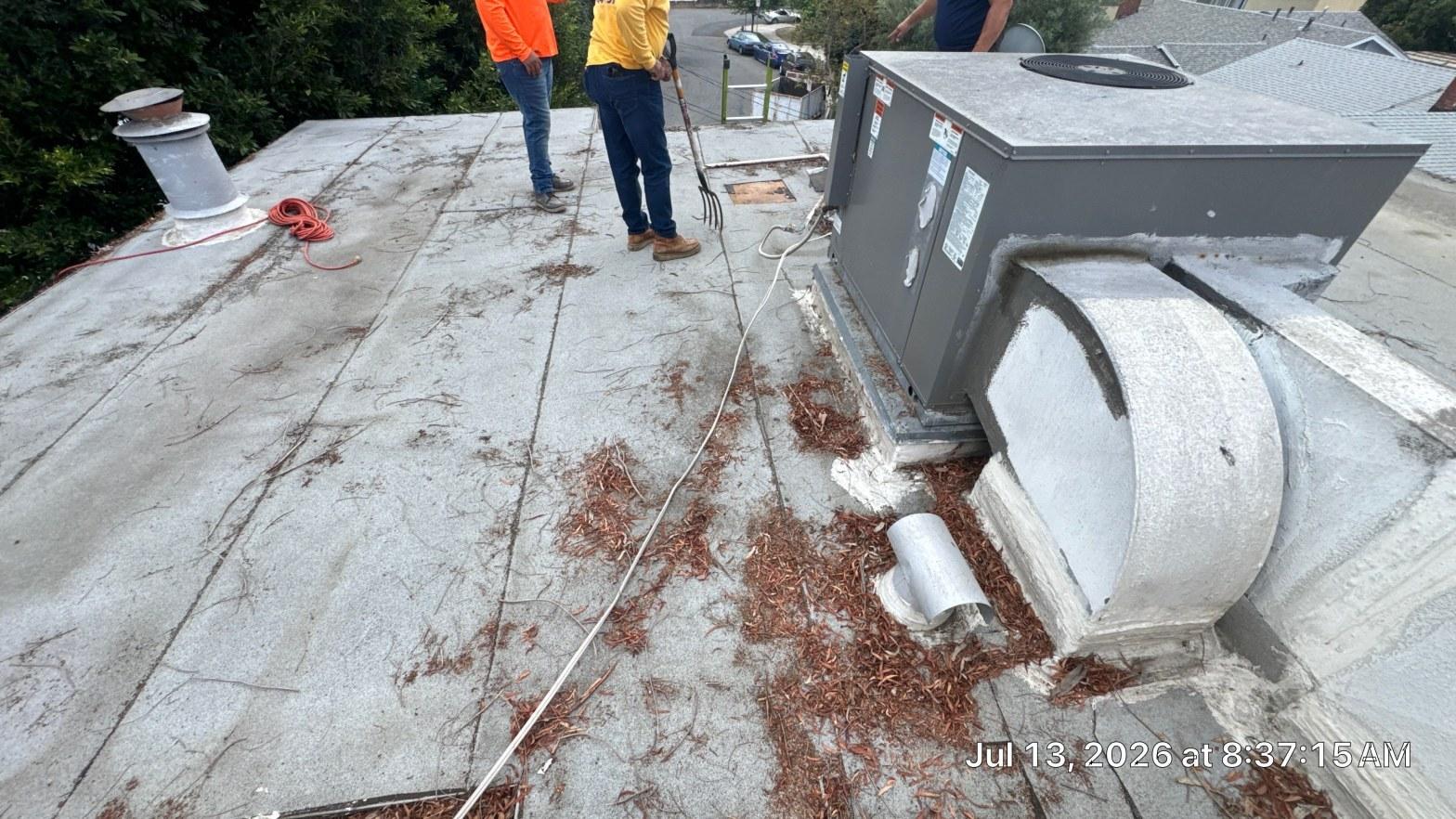
TPO outperforms torch down on raw heat reflection in California’s sunny climate. A white TPO membrane reflects up to 80 percent of solar radiation, which directly lowers attic temperatures and can reduce cooling costs during summer months. Torch down with a granulated cap sheet reflects less heat by default, though a reflective coating can close some of that gap.
A white TPO membrane reflects up to 80 percent of solar radiation, which directly lowers attic temperatures and can reduce cooling costs during summer months.
California’s Title 24 building energy standards require cool roof products on many low-slope residential and commercial roofs. Most white TPO membranes meet or exceed Title 24 cool-roof requirements without any additional coating. Torch down systems often need a separate elastomeric or reflective coating applied over the cap sheet to comply.
In coastal areas of Southern California, marine-layer moisture and salt air can degrade adhesives and seam integrity over time. Our crews have found that TPO seams on coastal properties show measurable shrinkage within 5 to 7 years if the membrane was installed under 45 mils thick, making membrane gauge selection critical near the coast.
Torch down performs well in areas with significant temperature swings, such as the Inland Empire and high desert communities. The multi-layer construction handles thermal expansion and contraction without the seam stress that single-ply membranes can experience. In areas that see 50-degree daily temperature swings in summer, torch down’s mass gives it an edge in crack resistance.
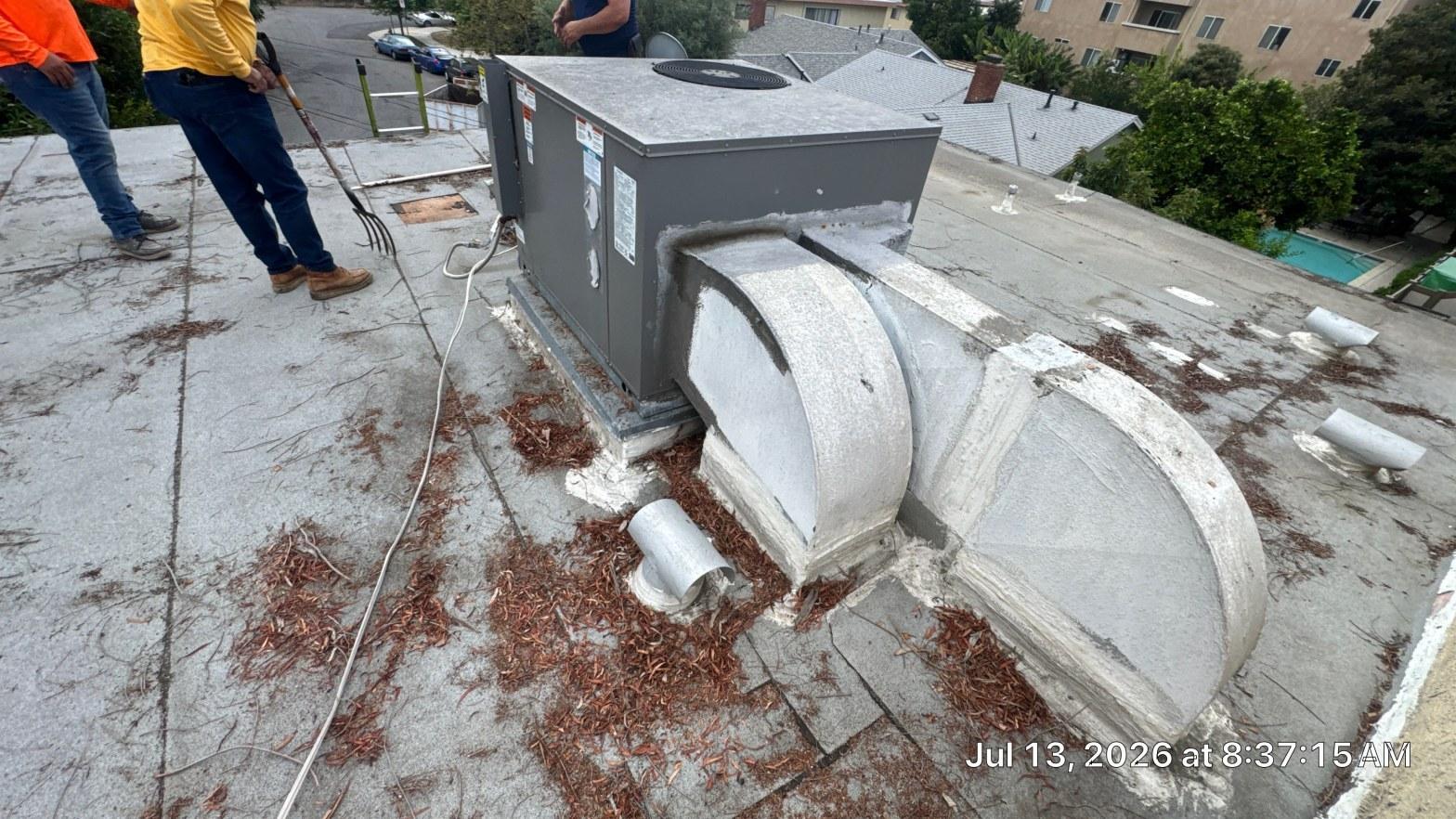
Fire risk is a real consideration in California. California’s wildfire risk zones cover large portions of the state, and some local jurisdictions have restricted or require permits for open-flame roofing work. Always confirm with your local building department whether torch down installation requires a fire watch or special permit in your area before choosing a system.
What Does TPO vs. Torch Down Roofing Cost in California?
In the California regional market, TPO installation typically ranges from $5 to $9 per square foot, while torch down roofing generally runs $4 to $8 per square foot, depending on the number of layers, deck condition, and access. On a 1,500-square-foot flat roof, that puts total project costs roughly between $6,000 and $13,500 for either system before any tearoff or deck repair.
Several factors push costs higher for both systems:
- Tearoff and disposal: Removing an existing roof adds $1 to $2 per square foot in most California markets.
- Deck repairs: Rotted or damaged plywood decking can add $500 to $2,000 or more depending on the area affected.
- Roof complexity: Penetrations, skylights, HVAC curbs, and irregular shapes all add labor time and material waste.
- Membrane thickness (TPO): Upgrading from 45-mil to 60-mil or 80-mil membrane adds roughly $0.50 to $1.50 per square foot but extends the warranty period significantly.
- Number of layers (torch down): A two-layer system costs less than a three-layer system, but three layers provide better puncture resistance and longevity.
- Reflective coating: Adding an elastomeric cool-roof coating to a torch down system typically adds $1 to $2 per square foot but may be required for Title 24 compliance.
TPO may qualify for the ENERGY STAR cool roof program, which can support eligibility for the Inflation Reduction Act federal tax credit for energy-efficient home improvements. Ask your roofing contractor to confirm whether the specific membrane brand and color meets the current solar reflectance index (SRI) threshold for your project.
For an accurate number on your specific roof, contact Roof Replacement Inc for a custom quote. Call (213) 364-3979 or request an estimate online.
Which System Is Easier to Install and Maintain?
TPO installation is generally faster and carries lower fire risk during the job, while torch down requires more skilled labor and open-flame safety protocols. For maintenance, both systems need annual inspections, but TPO seams are easier to re-weld in the field and torch down repairs require torching equipment on-site.
A typical 1,500-square-foot TPO reroof takes one to two days for an experienced crew. Torch down on the same footprint often takes two to three days because each layer must be applied and cooled before the next goes down. Neither timeline includes deck repairs, which can add one to two additional days.
Maintenance needs for both systems are similar:
- Annual inspection: Check seams, flashings, and penetrations every 12 months. Catching a lifted seam early costs far less than a full interior water-damage repair.
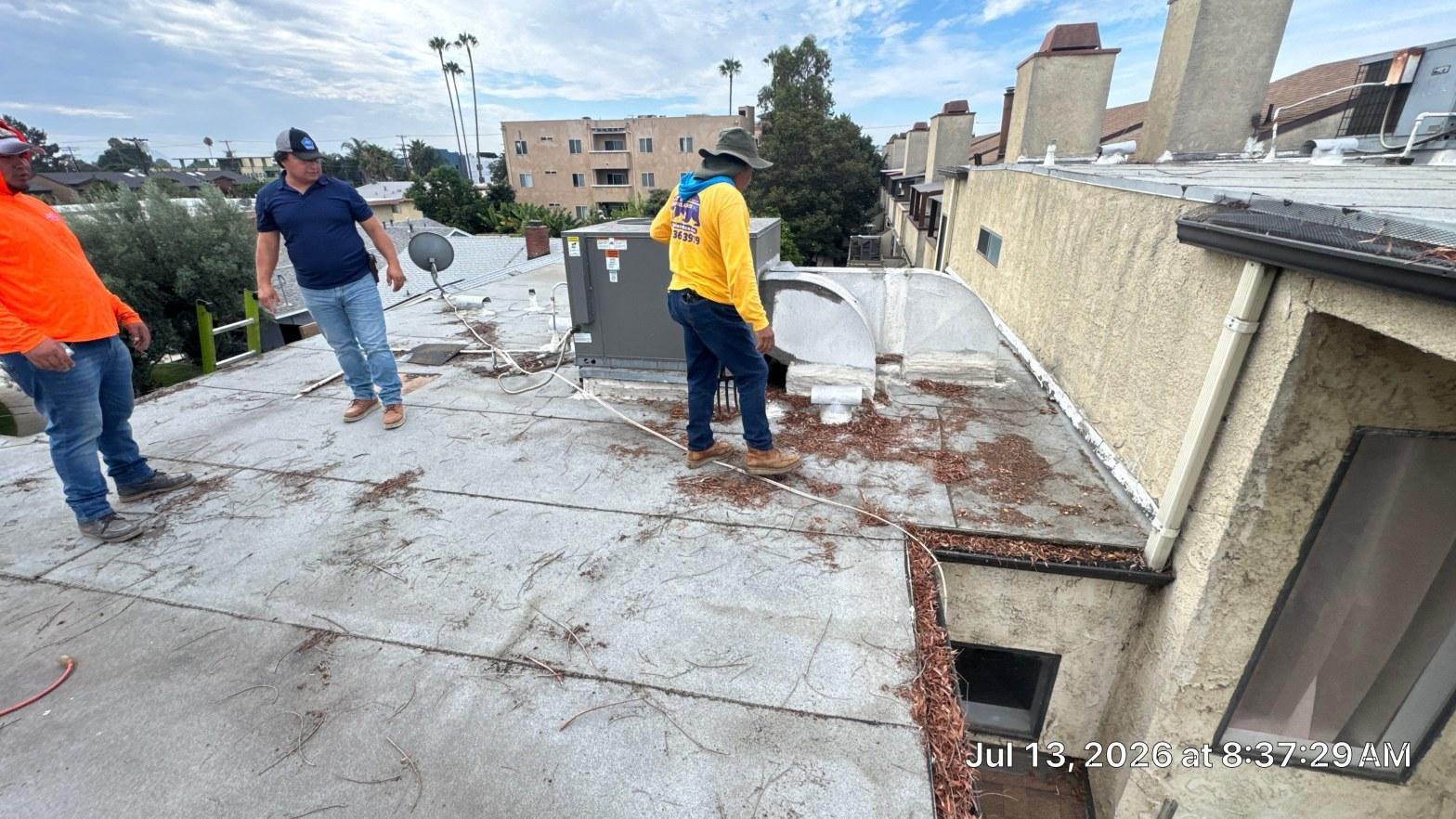
- Debris removal: Standing water caused by leaves and debris blocking drains accelerates membrane degradation on both systems. Clear drains at least twice a year.
- Blister repair (torch down): Blisters in the cap sheet indicate trapped moisture and should be cut, dried, and patched before they spread.
- Seam re-welding (TPO): Lifted or cracked seams can be re-welded with a hot-air tool without replacing large sections of membrane.
- Coating refresh (torch down): A reflective coating on a torch down system typically needs reapplication every 5 to 7 years to maintain cool-roof performance.
Roof certification is sometimes required when selling a home or refinancing. Both TPO and torch down systems can receive a roof certification from a licensed roofing contractor, confirming the roof’s remaining serviceable life. This is a common request from lenders and buyers across California’s real estate market.
How Do You Choose Between TPO vs Torch Down Roofing in California?
The best flat roof system depends on four factors: your roof’s current condition, local fire regulations, your energy efficiency goals, and your budget for upfront cost versus long-term maintenance. Neither system is universally better. Each fits specific situations well.
Choose TPO if:
- Your roof deck is in good condition and relatively flat (less than 2:12 slope).
- Energy savings and cool-roof compliance are a priority under California’s Title 24 building energy standards.
- You are in a fire-risk zone where open-flame installation requires extra permits or a fire watch.
- You want a longer manufacturer warranty, which on 60-mil and 80-mil TPO systems can reach 20 to 30 years.
- The project is new construction or a complete reroof on a clean, even deck.
Choose torch down if:
- Your roof deck has irregular surfaces, patches, or minor imperfections that would create air pockets under a single-ply membrane.
- You need a system that handles heavy foot traffic from rooftop HVAC equipment or solar panel installation crews.
- You are in an area with extreme temperature swings where multi-layer mass reduces thermal stress.
- You prefer a system with decades of proven field performance and local contractor familiarity.
- Budget for upfront cost is tighter and you can plan for periodic coating maintenance.
In our experience across Southern California re-roofing projects, roughly 6 out of 10 residential flat roof replacements we assess have deck irregularities or existing penetrations that benefit from torch down’s forgiving multi-layer application. The remaining 4 in 10 are clean, new, or recently repaired decks where TPO delivers the best long-term value.
What Are the Common Mistakes Flat Roof Owners Make?
The most costly flat roof mistakes are choosing a system based on price alone, skipping deck inspection before installation, and delaying repairs until water has already entered the structure. A $500 repair ignored for one season can turn into a $5,000 interior remediation job.
Here are the mistakes that lead to premature flat roof failure:
- Ignoring deck condition: Installing a new membrane over a soft, wet, or rotted deck traps moisture and voids most manufacturer warranties within the first year.
- Using undersized TPO membrane: A 45-mil TPO sheet is the minimum, but in California’s UV-intense environment, 60-mil is the practical standard for roofs expected to last 20-plus years.
- Improper flashing at walls and penetrations: More than 80 percent of flat roof leaks originate at flashings, not the field membrane. Flashing details must be executed correctly regardless of which system you choose.
- Skipping the cool-roof requirement check: Installing a non-compliant system on a permitted job in California can result in a failed inspection and a required tear-off at the owner’s expense.
- Hiring an unlicensed contractor: Flat roof installation requires a valid C-39 roofing license issued by the California Contractors State License Board (CSLB). Always verify your contractor’s license at cslb.ca.gov before signing a contract.
- No written warranty documentation: Both the manufacturer’s material warranty and the contractor’s workmanship warranty should be provided in writing before work begins.
Get a Professional Flat Roof Assessment
Flat roof decisions carry real financial stakes, and the wrong system for your specific deck and climate zone can cost you years of premature repairs. Schedule a professional assessment before committing to either system.
Roof Replacement Inc works with homeowners and property owners across Southern California on flat roof replacements, repairs, and roof certifications. Whether you are weighing TPO vs torch down roofing for a California property or need a second opinion on an existing system, our team can walk you through the options and provide a written, itemized quote.
Call (213) 364-3979 to schedule your assessment. Same-week appointments are available across Los Angeles County and surrounding communities.
Explore our full range of roofing services across Southern California.
Frequently Asked Questions
How long does a TPO roof last in California?
A TPO roof installed with 60-mil or 80-mil membrane typically lasts 20 to 30 years in California when properly maintained. Thinner 45-mil sheets in high-UV coastal or desert environments may show degradation closer to the 15-year mark. Annual inspections and keeping drains clear are the two biggest factors in reaching the upper end of that range.
Is torch down roofing legal in California fire zones?
Torch down roofing is legal in most of California, but some jurisdictions in high fire-risk zones require a special permit, a fire watch during installation, or restrict open-flame work during red-flag weather conditions. Check with your local building department before scheduling a torch down installation. A licensed C-39 roofing contractor will be familiar with your area's requirements.
Which flat roof system is better for energy savings in California?
TPO is generally the better choice for energy savings in California because white TPO membranes reflect up to 80 percent of solar radiation, which reduces heat transfer into the building. Most white TPO products meet California's Title 24 cool-roof requirements without an additional coating. Torch down systems can be made compliant with a reflective elastomeric coating, but that adds cost and requires periodic reapplication.
Can I put solar panels on a TPO or torch down roof?
Yes, solar panels can be installed on both TPO and torch down roofs, but the mounting method matters. Ballasted or non-penetrating mounts work well on both systems. Penetrating mounts require properly flashed and sealed boots to prevent leaks. A roofing contractor should review the solar layout before installation to confirm the deck can handle the added weight, which is typically 3 to 4 pounds per square foot for standard residential panels.
How do I know if my flat roof needs to be replaced or just repaired?
A flat roof generally needs replacement when more than 25 percent of the membrane surface shows blistering, cracking, or seam failure, or when water has penetrated the insulation layer beneath the membrane. Isolated leaks at flashings or a single damaged seam are usually repairable. A licensed roofing contractor can perform a roof certification inspection to give you an honest assessment of the remaining serviceable life and whether repair or replacement is the smarter investment.
Related Articles




What Our Clients Say











Roof Replacement Inc. offers professional, high-quality work, guaranteed (call for details); ensuring all clients projects meet all code and design requirements. We are dedicated to exceptional customer service and will strive to ensure you with the highest quality roofing services. Roof Replacement Inc. offers lifetime warranty (call for details) on all of our workmanship to ensure the quality of our work. With over 40 years of combined experience within the roofing and construction industry, Roof Replacement Inc. has grown and developed in all areas of roofing construction, including roof inspections. As a leading residential and commercial roofing company in LA, we have hundreds of references from previous clients, so rest assured, that your roofing job will be done right the first time. Replacing an old roof can help add curb appeal and will increase the perceived value of your home. First impressions are vital when selling your home, especially when your roof takes up more than half of the exterior of your residence or business. Not only is the return of investment on a new roof attractive for potential buyers, but can be as beneficial as remodeling the kitchen or bathrooms within your residence.

