Hiring the wrong roofer can cost you far more than a bad repair. This guide walks you through every step of finding and vetting a licensed roofing contractor in California so you hire with confidence.
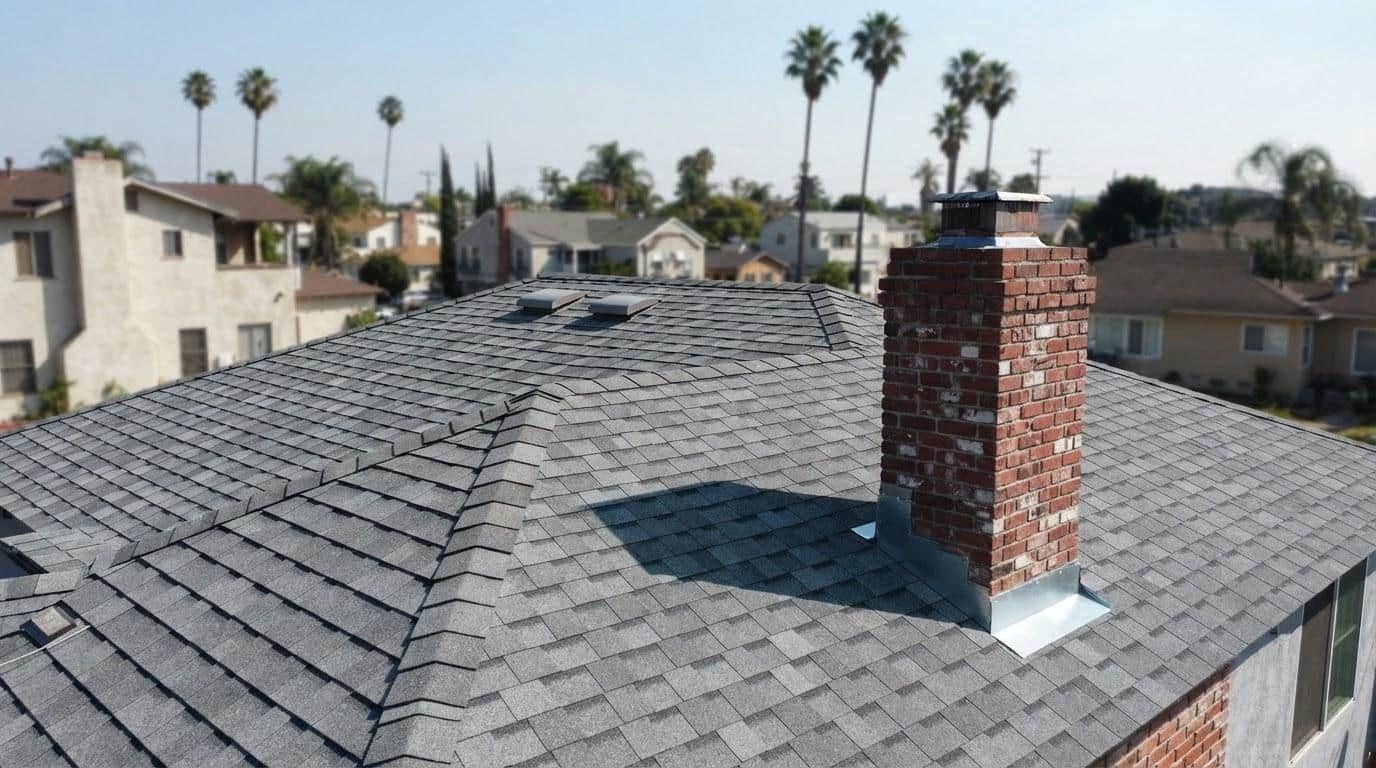
A licensed roofing contractor in California must hold a C-39 Roofing classification from the California Contractors State License Board (CSLB). This licensed roofing contractor California guide walks you through every verification step, from checking a license number online to reading the fine print of a contract, so you never hire an unqualified roofer. Whether you need a full roof replacement, a simple repair, or a cool roof installation, the checklist below applies statewide.
What License Does a Roofing Contractor Need in California?
California law requires any contractor performing roofing work valued at more than $500 to hold an active C-39 Roofing license. Working without one is a misdemeanor under California Business and Professions Code Section 7028. The C-39 classification covers installation, repair, and removal of all roofing systems, including shingles, flat roofs, torch down roofing, and cool roofing.
The CSLB also requires licensees to carry a bond of at least $25,000 as of 2026. This bond protects you if the contractor abandons a job or causes damage. Some larger projects may require additional bonding, so always ask for the current bond certificate.
Contractors who use employees must also carry workers’ compensation insurance. If a worker falls on your roof and the contractor has no coverage, you could be held liable. California’s Division of Workers’ Compensation maintains records you can reference to understand your rights as a property owner.
- C-39 Roofing license: Required for any roofing work over $500 in California.
- CSLB bond: Minimum $25,000 bond required as of 2026 to protect homeowners.
- Workers’ compensation insurance: Mandatory if the contractor has any employees on the job.
- General liability insurance: Protects your property if the crew causes accidental damage.
How Do You Verify a Roofer’s License and Insurance Before Hiring?
The fastest way to verify a California roofing license is to use the CSLB’s free online license check at cslb.ca.gov. A valid result shows the license number, classification, bond status, and any disciplinary actions, all in under two minutes. Never rely solely on a contractor’s word or a business card.
Here is a step-by-step verification process to follow before you sign anything:
- Ask the contractor for their CSLB license number in writing.
- Go to the CSLB license check tool and enter the number.
- Confirm the license is “Active” and the C-39 classification is listed.
- Check the expiration date. Licenses must be renewed every two years in California.
- Look for any complaints, citations, or disciplinary actions on the record.
- Request a certificate of insurance directly from the contractor’s insurance provider, not just a copy the contractor hands you.
- Verify the certificate shows both general liability and workers’ compensation coverage with current dates.
Our crews have found that homeowners who skip step six are the most likely to face problems later. When a certificate comes directly from the insurer, you know it has not been altered or backdated.
What Should You Look for When Comparing Roofing Bids?
A trustworthy roofing bid is detailed and written. It lists the specific materials by brand and weight, the scope of work, the start and estimated completion date, the payment schedule, and the warranty terms. A vague one-line quote is a warning sign, not a bargain.
Getting at least three bids is the industry standard recommendation from the U.S. Department of Energy for major home improvement projects. Bids that are dramatically lower than the others often mean the contractor plans to cut corners on materials, skip underlayment, or use a smaller crew that stretches the job over weeks.
| Bid Element | What a Strong Bid Includes | Red Flag |
|---|---|---|
| Materials | Brand, product line, weight, and color specified | “Standard shingles” with no further detail |
| Scope of work | Tear-off, decking inspection, underlayment, flashing, and cleanup listed separately | Single line: “install new roof“ |
| Timeline | Start date and estimated completion window in writing | No dates, or “we’ll start soon” |
| Payment schedule | Deposit no more than 10% or $1,000 (whichever is less, per California law), remainder on completion | Full payment or large deposit upfront |
| Warranty | Manufacturer warranty on materials plus a separate workmanship warranty | No warranty mentioned |
| Permits | Contractor pulls and pays for all required permits | Homeowner asked to pull their own permits |
California law caps the initial deposit a contractor can legally request at 10% of the total job cost or $1,000, whichever is less. Any contractor who demands more upfront is violating state law and should be avoided.
California law caps the initial deposit a contractor can legally request at 10% of the total job cost or $1,000, whichever is less.
How Much Does Roof Work Typically Cost in Southern California?
In the Southern California regional market, a full residential roof replacement typically ranges from $8,000 to $25,000 or more, depending on the roof size, pitch, material, and complexity of the job. Smaller repairs, such as shingle replacement or patching a flat roof section, generally fall between $400 and $2,500.
Several factors push costs toward the higher end of those ranges:
- Roof size and pitch: Steeper roofs require more safety equipment and take longer to complete.
- Material choice: Asphalt shingles are the most affordable option. Tile, metal, and cool roofing systems carry higher material costs but often last 30 to 50 years.
- Decking condition: If the plywood or OSB decking beneath the old roof is rotted or damaged, replacing it adds cost per sheet of material.
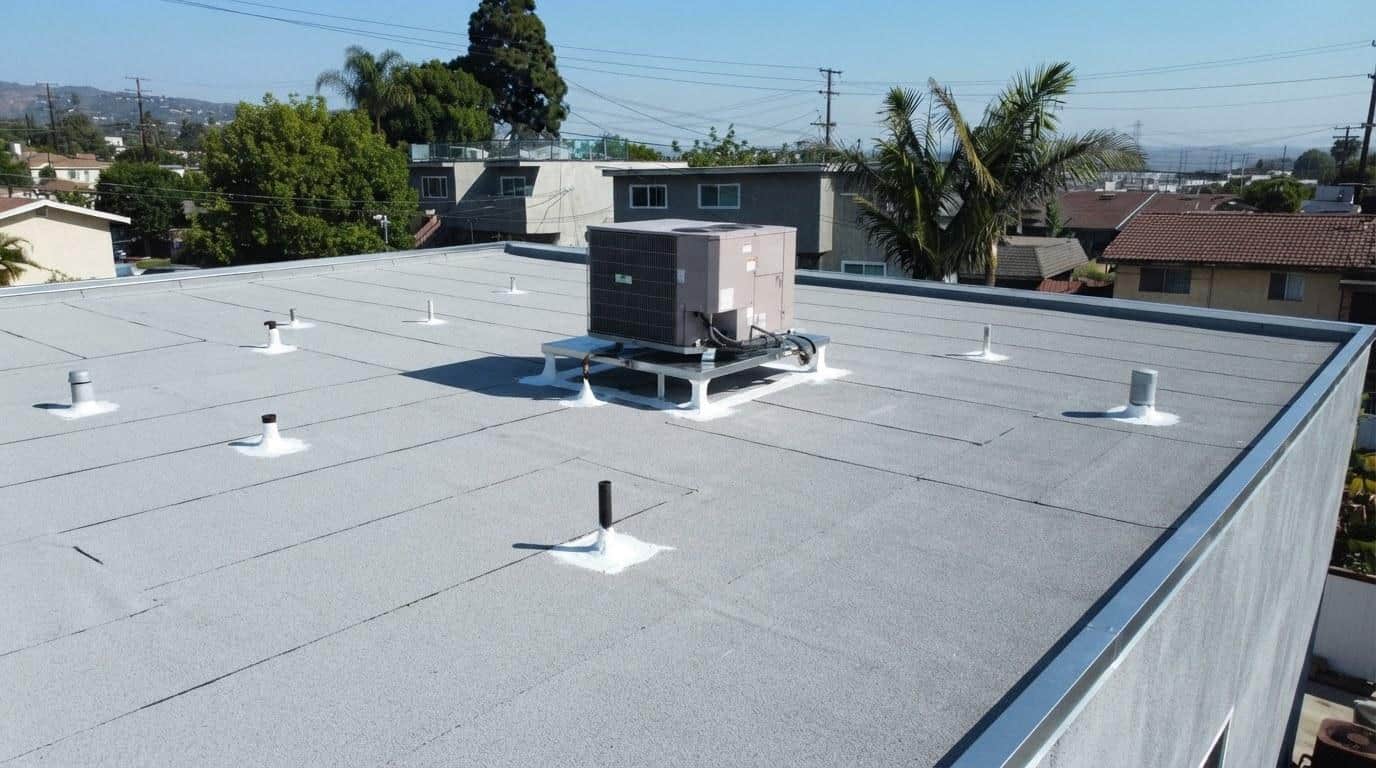
- Torch down flat roof installation: Modified bitumen torch down roofing is common on low-slope and flat roofs in Los Angeles County. Material and labor for this system typically run higher per square than standard shingles.
- Cool roofing upgrades: California’s Title 24 building energy standards require cool roofing on many re-roofing projects in climate zones with high cooling loads. The California Energy Commission publishes the current Title 24 requirements online.
- Permit fees: Local permit fees vary by jurisdiction but commonly range from $150 to $600 for a residential re-roof in Southern California.
Homeowners who install qualifying cool roofing or energy-efficient materials may be eligible for a federal Inflation Reduction Act federal tax credit. Check the current guidance at ENERGY STAR’s tax credit page to see which products qualify and what documentation you need from your contractor.
For an accurate number on your specific project, request a custom quote from a licensed roof replacement company before budgeting. Ranges shift with material prices, so a quote from six months ago may no longer reflect current costs.
What Are the Most Common Roofing Scams and Red Flags?
Storm chasers and unlicensed contractors cause millions of dollars in losses for California homeowners every year. The most common scam involves a contractor who knocks on your door after a storm, offers a free inspection, then pressures you to sign a contract the same day before you can get competing bids.
Here are the red flags that should stop you from signing anything:
- No physical address: Legitimate roofing companies have a verifiable business address, not just a cell phone number.
- Cash-only payment demands: Reputable contractors accept checks or electronic payment and provide receipts.
- High-pressure same-day close: Any contractor who says the price is only good “today” is using a sales tactic, not giving you a real quote.
- Asking you to pull your own permit: This shifts legal liability to you and is a sign the contractor cannot or will not pull permits under their own license.
- No written contract: California law requires a written contract for any home improvement job over $500. Verbal agreements are not enforceable in the same way.
- Unusually low bids: A bid that is 40% below the other two you received almost always means something is being left out, such as underlayment, proper flashing, or debris removal.
If you suspect an unlicensed contractor is operating in your area, you can file a complaint directly with the CSLB. The board investigates complaints and can issue citations, suspend licenses, and refer cases to law enforcement.
Which Roofing Materials and Services Should You Ask About?
A qualified roofing contractor in California should be able to install, repair, and inspect multiple roofing systems and explain which one fits your home’s structure, climate zone, and budget. Asking about specific services up front tells you quickly whether the contractor has real depth or is a one-material shop.
Here are the main services and materials to discuss during your consultation:
- New roof installation: Full installation on new construction or a complete tear-off and replacement on an existing home.
- Roof replacement: Removing the old system down to the decking and installing a new one. A roof replacement company should inspect the decking before quoting so there are no surprise costs mid-job.
- Shingle replacement and repair: Spot repairs to damaged or missing shingles can extend a roof’s life by several years without a full replacement.
- Cool roofing: Reflective roofing systems that meet California’s Title 24 energy requirements. Cool roofing can reduce attic temperatures by up to 30 degrees Fahrenheit on hot days, lowering cooling loads.
- Torch down flat roof installation: A modified bitumen system applied with a propane torch, commonly used on low-slope commercial and residential roofs across Southern California.
- Roof coating: A liquid-applied membrane that seals and waterproofs an existing flat or low-slope roof. Coatings can add 10 to 15 years of service life to an otherwise sound roof.
- Roof inspection and certification: A formal roof certification documents the roof’s current condition and expected remaining life. Lenders and buyers often require a roof certification during real estate transactions.
- Gutter and drainage services: Proper drainage is inseparable from roof performance. Clogged or misaligned gutters cause water to back up under the roofing material and accelerate deck rot.
- Roof removal: Stand-alone tear-off when a homeowner is replacing a roof in stages or preparing for solar panel installation.
On re-roofs we almost always find that the original flashing at chimney penetrations and parapet walls has been reused through one or more previous roof cycles, and that is typically where the active leak actually starts, even when the shingles themselves look serviceable.
Ask any contractor you interview whether they perform a decking inspection as part of the job and whether they replace flashing as standard practice or only when you specifically request it. The answer tells you a lot about their process.
Ready to Hire a Trusted Roofing Contractor in Southern California?
Use this licensed roofing contractor California guide as your checklist every time you evaluate a roofer. Verify the C-39 license on the CSLB website, confirm active insurance, get three written bids, and never pay more than the legal deposit limit before work begins.
Roof Replacement Inc is licensed by the California Contractors State License Board (CSLB) and serves homeowners and property owners across Southern California. Whether you need a full roof replacement, a torch down flat roof installation, a cool roofing upgrade, or a straightforward repair, the team is ready to give you a detailed written estimate with no pressure and no vague line items.
Schedule your roof inspection or request a custom quote today. Call Roof Replacement Inc at (213) 364-3979 to speak with a roofing specialist and get a written bid you can actually compare.
Explore our full range of roofing services across Southern California.
Frequently Asked Questions
How do I check if a roofer is licensed in California?
Go to the CSLB's free license check tool at cslb.ca.gov and enter the contractor's license number. A valid result shows the license classification, bond status, expiration date, and any complaints or disciplinary actions. Always do this before signing a contract or paying any deposit.
How much does a roof repair usually cost in Southern California?
Minor repairs such as patching a few damaged shingles or sealing a small flat roof section typically range from $400 to $2,500 in the Southern California market. Larger repairs involving flashing replacement, decking damage, or multiple roof sections can run higher. Get a written itemized quote from a licensed contractor to know the exact scope and cost for your situation.
What is a roof certification and when do I need one?
A roof certification is a written document from a licensed roofing contractor that states the current condition of your roof and its estimated remaining service life, typically two to five years. Lenders, buyers, and escrow companies commonly require a roof certification during a real estate sale. Some insurance carriers also request one before issuing or renewing a homeowner's policy.
What is torch down roofing and is it good for flat roofs?
Torch down roofing, also called modified bitumen roofing, is a system where layers of asphalt-modified membrane are heat-welded to the roof deck using a propane torch. It is one of the most common and reliable choices for flat and low-slope roofs in Southern California because it handles heat, UV exposure, and occasional heavy rain well. A properly installed torch down roof can last 15 to 20 years with routine maintenance.
How do I know if my roof needs to be repaired or fully replaced?
A licensed roofing contractor should inspect the decking, underlayment, flashing, and surface material before giving you a recommendation. General signs that point toward replacement rather than repair include a roof that is 20 or more years old, widespread granule loss on shingles, multiple active leaks in different areas, or decking that has softened or shows signs of rot. A roof inspection will give you a documented assessment so you can make an informed decision.
Related Articles




What Our Clients Say


Roof Replacement Inc. offers professional, high-quality work, guaranteed (call for details); ensuring all clients projects meet all code and design requirements. We are dedicated to exceptional customer service and will strive to ensure you with the highest quality roofing services. Roof Replacement Inc. offers lifetime warranty (call for details) on all of our workmanship to ensure the quality of our work. With over 40 years of combined experience within the roofing and construction industry, Roof Replacement Inc. has grown and developed in all areas of roofing construction, including roof inspections. As a leading residential and commercial roofing company in LA, we have hundreds of references from previous clients, so rest assured, that your roofing job will be done right the first time. Replacing an old roof can help add curb appeal and will increase the perceived value of your home. First impressions are vital when selling your home, especially when your roof takes up more than half of the exterior of your residence or business. Not only is the return of investment on a new roof attractive for potential buyers, but can be as beneficial as remodeling the kitchen or bathrooms within your residence.

