Wildfire season puts California homes at serious risk. This guide explains which roofing materials earn Class A fire ratings, what California codes require, and how to choose the right option for your home.
For homeowners searching for a roofing materials fire risk zone California guide, the short answer is this: only Class A-rated roofing materials should be installed on homes in California’s designated High Fire Hazard Severity Zones (HFHSZs). These zones cover large portions of Southern California, including communities in the foothills, canyons, and coastal mountains where wildfire spreads quickly. Choosing the wrong roofing material is not just a financial risk — it can determine whether a home survives an ember storm.
What Makes a Roofing Material Fire-Resistant?
Fire resistance in roofing is measured by a standardized test that assigns materials one of three ratings: Class A, Class B, or Class C — with Class A offering the highest level of protection against severe fire exposure. The ratings come from ASTM E108 and UL 790 testing standards, which expose roofing assemblies to flame spread, burning brand (ember) tests, and intermittent flame exposure for up to 4 hours.
Class A materials can withstand severe fire exposure without igniting or allowing fire to spread. Class B handles moderate exposure, and Class C handles light exposure. In wildfire-prone areas, only Class A is considered adequate.
- Flame spread test: Measures how far fire travels across the roofing surface under controlled wind.
- Burning brand test: Simulates ember exposure — the most common way wildfire ignites roofs during a real fire event.
- Intermittent flame test: Checks whether repeated flame contact causes the material to ignite or degrade.
- Rain test: Verifies the material holds its fire-resistant properties even after water exposure and weathering.
It is also important to understand that the fire rating applies to the full roofing assembly, not just the surface material. A Class A shingle installed over combustible decking without proper underlayment may not achieve a true Class A assembly rating. Always verify the full system rating, not just the product label.
Which Roofing Materials Are Best for California Fire-Risk Zones?
The top roofing materials for fire-risk zones in California are concrete tile, clay tile, metal roofing (steel or aluminum), and Class A-rated asphalt shingles — all of which carry Class A fire ratings when installed as a complete assembly. Each has different weight, cost, and maintenance profiles, so the right choice depends on your home’s structure and your budget.
Concrete and Clay Tile
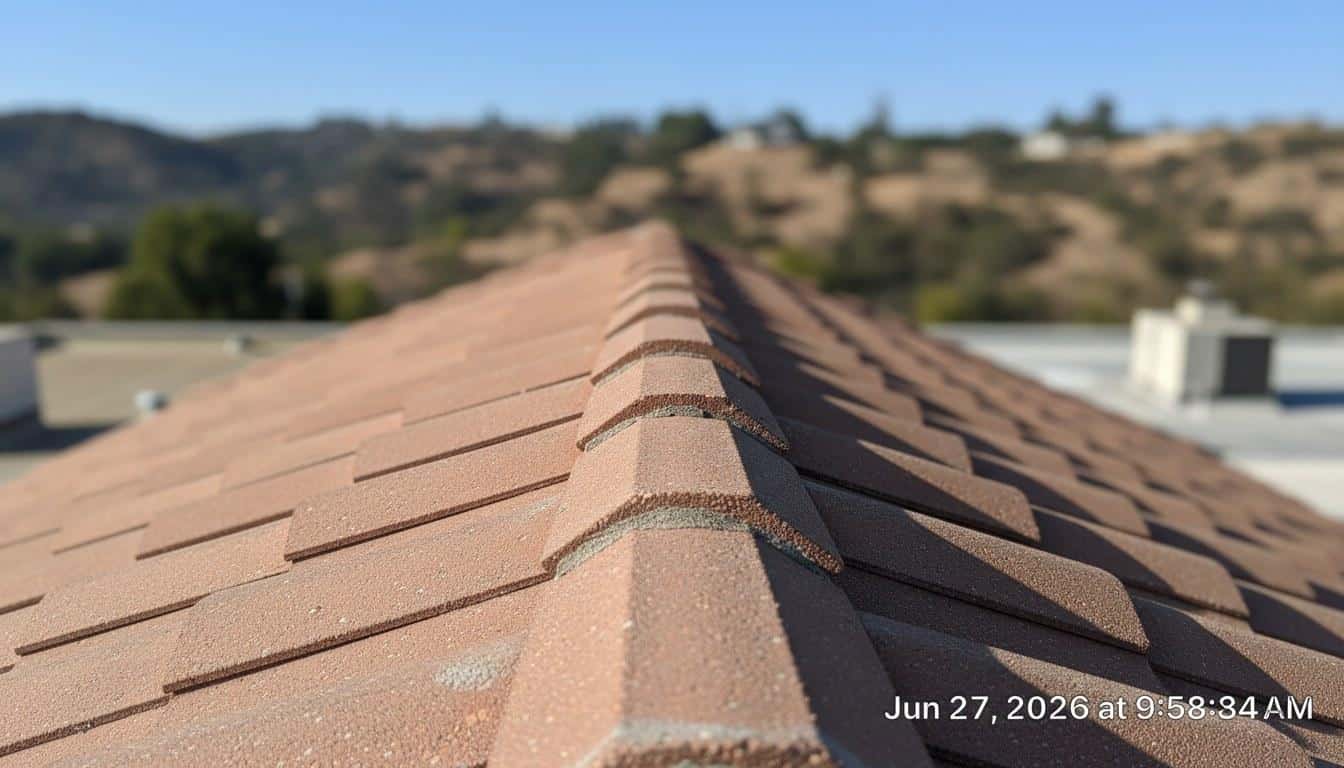
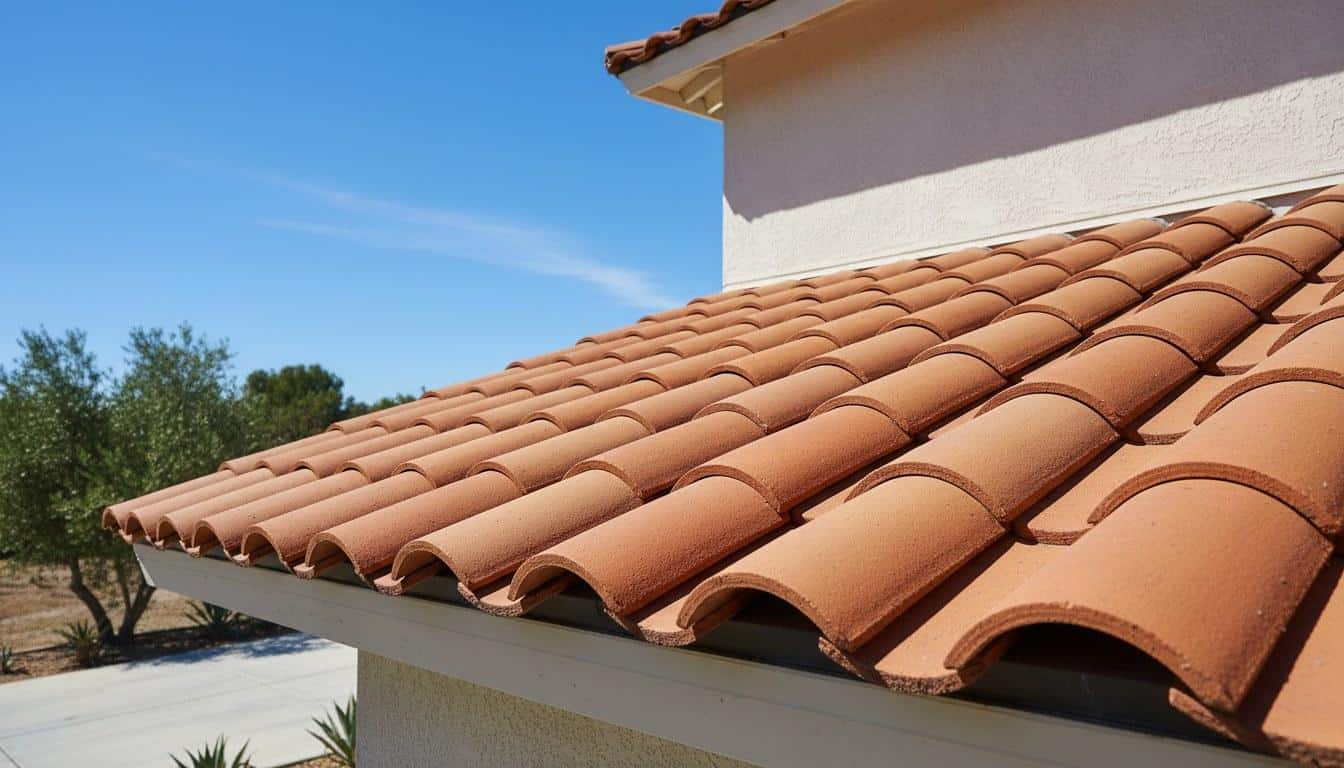
Concrete and clay tiles are non-combustible, meaning they do not burn at all. They are among the oldest fire-resistant roofing materials used in California and are a natural fit for Mediterranean and Spanish-style homes common across Southern California. Concrete tiles typically weigh between 9 and 12 pounds per square foot, so the home’s framing must be able to support the load. Clay tiles are slightly lighter, averaging 6 to 10 pounds per square foot, but are generally more expensive.
Concrete and clay tiles are non-combustible, meaning they do not burn at all, and can last 40 to 50 years or longer with proper maintenance.
Both materials can last 40 to 50 years or longer with proper maintenance, making them a strong long-term investment in fire-prone areas.
Metal Roofing
Steel and aluminum roofing panels and metal shingles earn Class A ratings and are non-combustible. Metal roofing is lightweight — typically 1.5 to 3 pounds per square foot — which makes it a practical option for homes that cannot support the weight of tile. Metal also reflects radiant heat, which can help reduce attic temperatures during a fire event. Properly installed metal roofing lasts 40 to 70 years in most California climates.
Our crews have installed metal roofing on more than 60 re-roofing projects in Southern California fire zones over the past two years, and in nearly every case the homeowner’s insurance carrier confirmed the Class A assembly rating before the first nail was driven.
Class A Asphalt Shingles
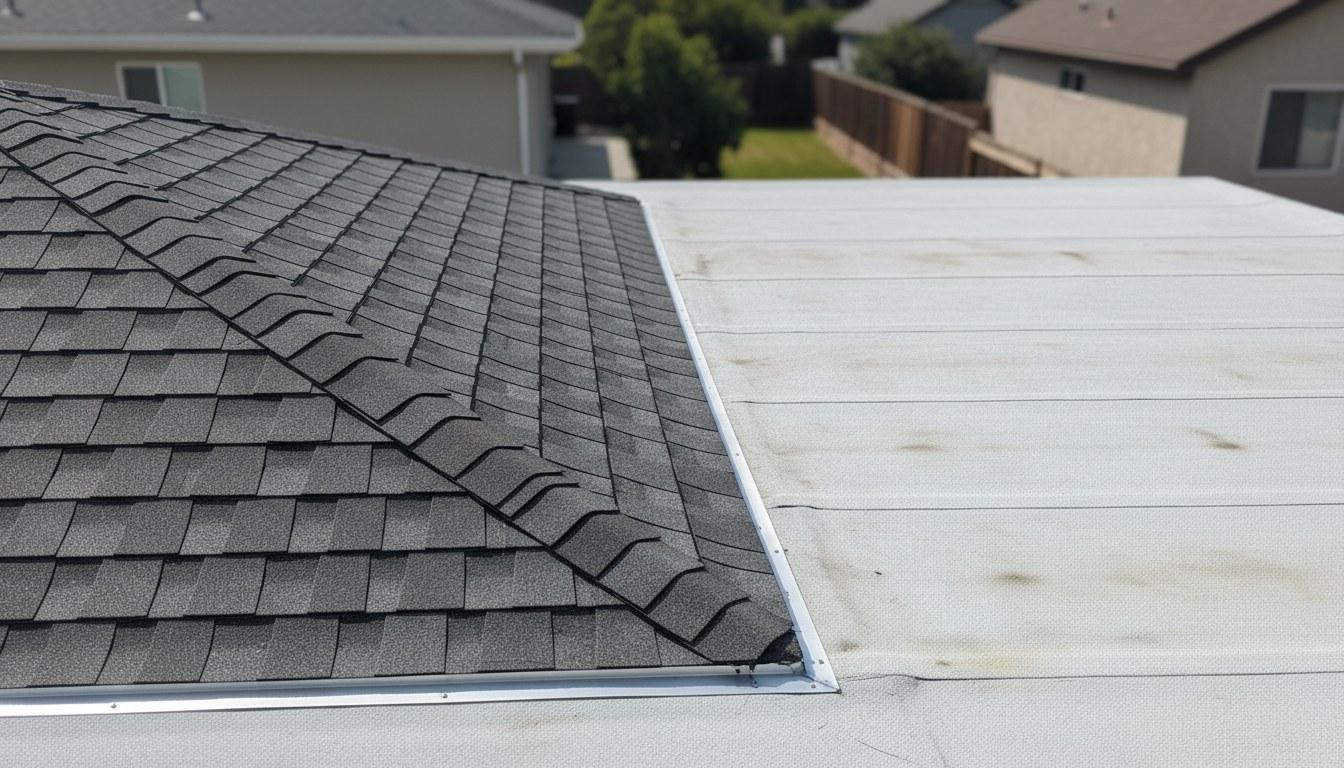
Not all asphalt shingles carry a Class A rating. Standard 3-tab shingles are often rated Class A only when installed over a fire-resistant underlayment as a system. Architectural (laminated) shingles with fiberglass mats and fire-resistant granules can achieve Class A as a standalone product. Always check the product’s UL listing for the full assembly configuration required to maintain the Class A rating.
Asphalt shingles are the most affordable Class A option, typically lasting 25 to 30 years in California’s climate. They are also the lightest of the major options at under 3 pounds per square foot.
Materials to Avoid in Fire Zones
- Untreated wood shakes: Highly combustible and banned outright in most California HFHSZs as of the 2020 California Building Code update.
- Class B or C asphalt shingles: Do not meet the minimum standard for fire zone installations in California.
- Unrated foam or plastic panels: Some novelty roofing products carry no fire rating and are not permitted in HFHSZs.
What Does California Law Require for Roofing in Fire Hazard Zones?
California law requires Class A roofing assemblies on all new and re-roofed structures located in a State Responsibility Area (SRA) or a locally designated Very High Fire Hazard Severity Zone (VHFHSZ). This requirement is codified in the California Office of the State Fire Marshal’s fire hazard severity zone regulations and reinforced by the 2022 California Building Code, Section 705A.
Homeowners in these zones cannot simply reroof with whatever material they choose. A permit is required, and the inspector will verify that the roofing assembly — including underlayment, decking, and surface material — meets the Class A standard. Failure to comply can result in a failed inspection, a requirement to tear off and reinstall, and potential issues with your homeowner’s insurance.
California’s Title 24 building energy standards also apply to re-roofing projects in many counties. As of the 2022 Title 24 update, cool-roof requirements (minimum solar reflectance and thermal emittance) apply to low-slope roofs and, in some climate zones, steep-slope roofs as well. A Class A material that also meets cool-roof specs can satisfy both requirements in one installation.
If you are not sure whether your property falls inside an HFHSZ, you can check your parcel on the CAL FIRE Fire Hazard Severity Zone viewer. Most foothill and canyon communities in Los Angeles County, Ventura County, and San Bernardino County fall within designated zones.
Beyond the state code, some local jurisdictions have adopted additional requirements. Los Angeles County’s Building and Safety Division, for example, requires ember-resistant venting and a Class A roof as part of a broader Wildland-Urban Interface (WUI) code package. Always check with your local building department before starting any roof installation project.
How Do Fire-Rated Roofing Materials Compare in Cost?
In the Southern California market, fire-rated roofing materials typically range from around $8 to $30 or more per square foot installed, depending on the material, roof complexity, and access conditions. The table below shows typical installed cost ranges and key attributes for each major Class A option.
| Material | Typical Installed Cost (per sq ft) | Expected Lifespan | Weight (per sq ft) | Class A Rating | Best For |
|---|---|---|---|---|---|
| Concrete Tile | $12 – $20 | 40 – 50+ years | 9 – 12 lbs | Yes (non-combustible) | Homes with strong framing; Spanish/Mediterranean styles |
| Clay Tile | $15 – $30+ | 50+ years | 6 – 10 lbs | Yes (non-combustible) | Premium homes; historic styles |
| Metal (Steel/Aluminum) | $12 – $25 | 40 – 70 years | 1.5 – 3 lbs | Yes (non-combustible) | Any home; lightweight; modern or traditional styles |
| Class A Asphalt Shingles | $8 – $14 | 25 – 30 years | 2 – 3 lbs | Yes (assembly-dependent) | Budget-conscious; most roof slopes |
These ranges reflect typical regional market pricing and will shift based on roof size, pitch, tear-off costs, decking condition, and whether structural reinforcement is needed. A standard 2,000-square-foot roof replacement in Southern California generally falls between $16,000 and $60,000 depending on material choice and scope. Request a custom quote from a licensed contractor to get an accurate number for your specific home.
A standard 2,000-square-foot roof replacement in Southern California generally falls between $16,000 and $60,000 depending on material choice and scope.
It is also worth noting that some California homeowners in fire zones may qualify for insurance premium reductions after installing a Class A roof. Check with your homeowner’s insurance carrier before you finalize your material choice — the savings over time can meaningfully offset the upfront cost difference between material tiers.
Federal incentives may also apply. The Inflation Reduction Act federal tax credit (25C) covers certain energy-efficient roofing upgrades, including cool-roof products that meet ENERGY STAR efficiency ratings. Confirm eligibility with a tax professional before your project begins.
What Should You Look for When Replacing a Roof in a Fire Zone?
When replacing a roof in a California fire hazard zone, verify the contractor is licensed by the California Contractors State License Board (CSLB), pulls the required permit, and can document the full Class A assembly rating for the specific products being installed. A verbal assurance that a material is “fire-rated” is not enough — you need the UL listing number and the assembly configuration in writing.
Here are the key checkpoints for any roof replacement in a fire zone:
- CSLB license verification: Confirm the contractor’s license number at cslb.ca.gov before signing any contract. Roofing work in California requires a C-39 roofing contractor license.
- Permit requirement: Any full roof replacement requires a permit in California. If a contractor says you do not need one, that is a red flag.
- Full assembly documentation: Ask for the UL or ASTM listing sheet showing the complete Class A assembly — surface material, underlayment, and decking combination.
- Underlayment specification: In fire zones, a fire-resistant underlayment (such as a Type 30 or synthetic fire-rated product) is required under most Class A assemblies. Confirm this is included in the scope.
- Decking inspection: Damaged or rotted decking must be replaced before new roofing goes down. Ask for a written decking inspection report as part of the estimate.
- Ember-resistant venting: California’s WUI code requires ember-resistant ridge vents and eave vents in fire zones. Confirm these are included if your home is in a WUI area.
- Roof certification: Some insurance carriers and lenders require a formal roof certification after installation. Ask your contractor whether they provide one.
Across our service calls on homes in Southern California fire zones, we find that roughly 1 in 4 homes has a roofing assembly that does not fully meet the Class A standard — often because a previous contractor used a non-rated underlayment or installed Class B shingles without disclosing the downgrade.
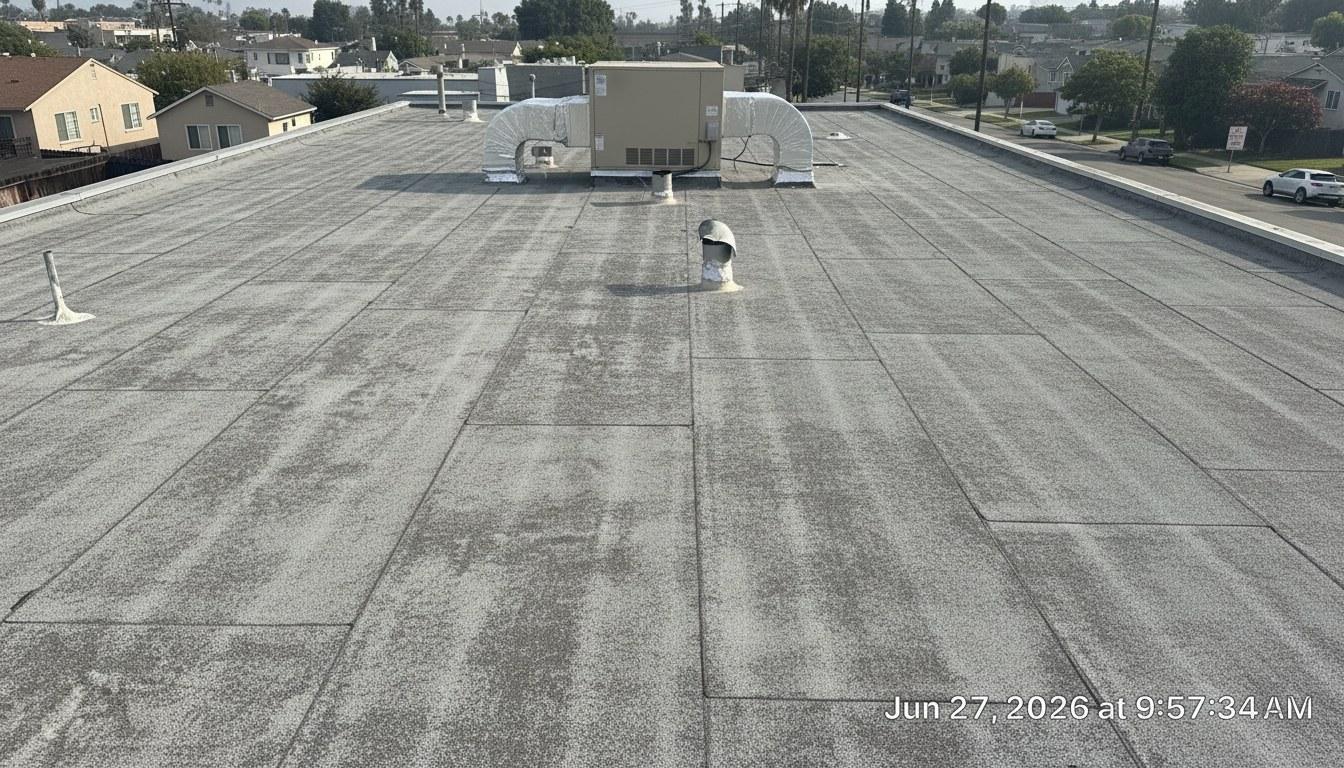
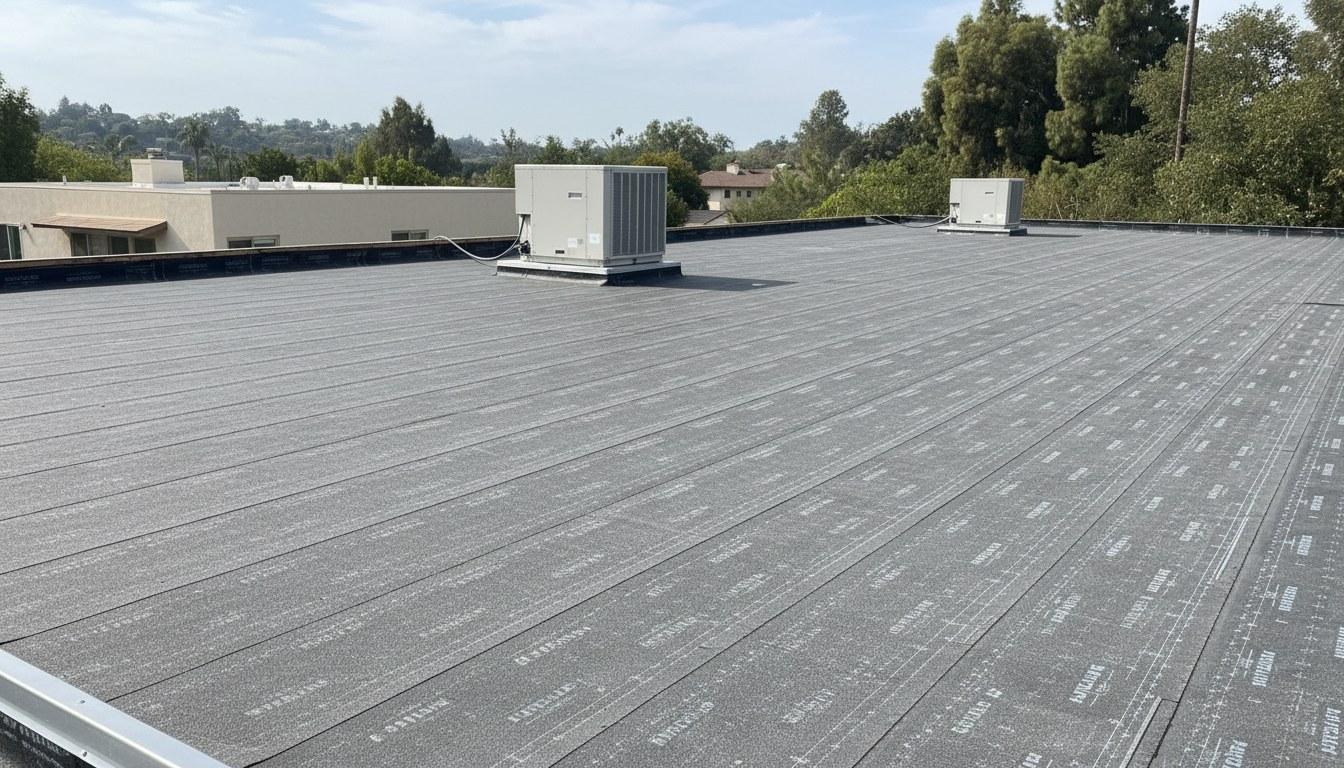
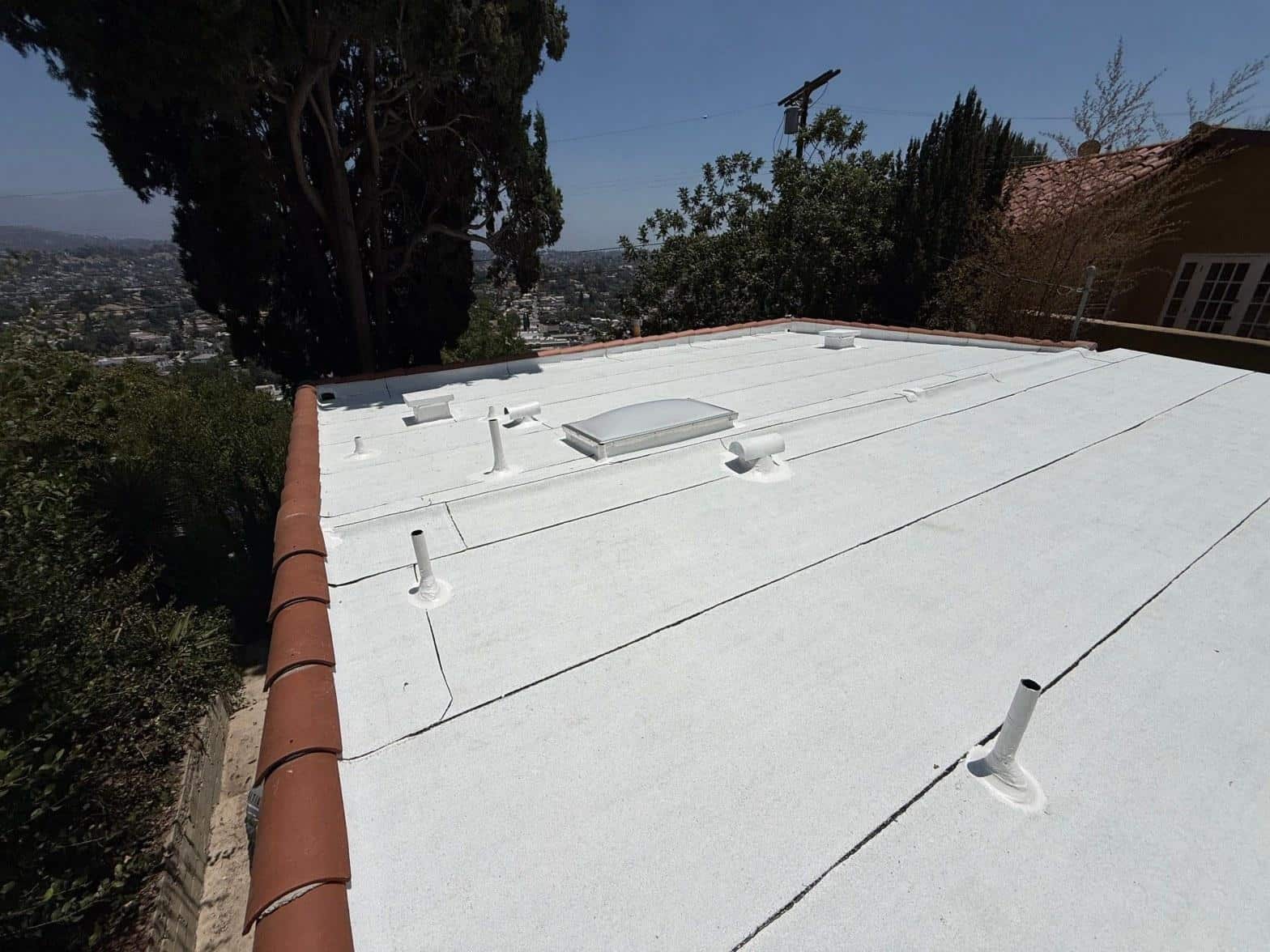
Slope matters too. Most Class A products are rated for roofs with a pitch of 4:12 or steeper. Low-slope roofs (under 2:12) require different product configurations — typically a built-up or modified bitumen system with a Class A rating — so confirm the product is rated for your specific roof geometry.
Ready to Replace Your Roof? Here Is How to Get Started
Start by confirming your fire zone designation, then get at least two written estimates from CSLB-licensed roofing contractors who can document the Class A assembly they plan to install. Do not wait until fire season is underway — permit timelines and contractor availability tighten significantly between June and October across Southern California.
Roof Replacement Inc works with homeowners across Southern California on fire-zone-compliant roof installations. Whether you are comparing concrete tile, metal, or Class A shingles, the team can walk you through the full assembly options, pull the required permits, and provide documentation your insurance carrier will accept.
Call (213) 364-3979 to schedule a free inspection and written estimate. Same-week appointments are typically available for homes across the region. Get your quote before the busy season, and go into fire season with a roof that is built to the right standard.
Explore our full range of roofing services across Southern California.
Frequently Asked Questions
How long does it take to install a new roof on a California home?
Most standard residential roof replacements in Southern California take 2 to 5 days from tear-off to final inspection. Larger homes, complex roof shapes, or tile installations can take 5 to 10 days. Permit approval adds time — typically 3 to 10 business days depending on the local jurisdiction.
How much does it cost to install a new fire-rated roof in Southern California?
In the Southern California market, a full fire-rated roof replacement typically ranges from $16,000 to $60,000 or more depending on home size, material choice, and roof complexity. Class A asphalt shingles are the most affordable option, while clay tile and premium metal systems sit at the higher end. Request a written estimate from a CSLB-licensed contractor for an accurate number.
Do I need a permit to replace my roof in a California fire hazard zone?
Yes. A permit is required for any full roof replacement in California, and this requirement is strictly enforced in fire hazard zones. The permit process ensures that the roofing assembly — including underlayment and decking — meets the Class A standard required by the California Building Code. Skipping the permit can result in fines and issues with your homeowner's insurance.
What is the best roofing material for a home near the hills or canyons in California?
Concrete tile, clay tile, and metal roofing are the strongest choices for homes near hills or canyons in California because they are non-combustible and carry Class A ratings as standalone materials. Class A asphalt shingles are a solid budget option when installed with a fire-rated underlayment. Always verify the full assembly rating, not just the surface product.
Can I still use wood shingles on my California home if I live in a fire zone?
No. Untreated wood shakes and shingles are banned in California's High Fire Hazard Severity Zones under the 2020 California Building Code. Even fire-retardant-treated wood shakes carry only a Class B rating in most assemblies, which does not meet the Class A requirement for HFHSZ properties. A licensed roofing contractor can confirm what is permitted for your specific parcel.
Related Articles




What Our Clients Say








Roof Replacement Inc. offers professional, high-quality work, guaranteed (call for details); ensuring all clients projects meet all code and design requirements. We are dedicated to exceptional customer service and will strive to ensure you with the highest quality roofing services. Roof Replacement Inc. offers lifetime warranty (call for details) on all of our workmanship to ensure the quality of our work. With over 40 years of combined experience within the roofing and construction industry, Roof Replacement Inc. has grown and developed in all areas of roofing construction, including roof inspections. As a leading residential and commercial roofing company in LA, we have hundreds of references from previous clients, so rest assured, that your roofing job will be done right the first time. Replacing an old roof can help add curb appeal and will increase the perceived value of your home. First impressions are vital when selling your home, especially when your roof takes up more than half of the exterior of your residence or business. Not only is the return of investment on a new roof attractive for potential buyers, but can be as beneficial as remodeling the kitchen or bathrooms within your residence.

