California's roofing market is shifting fast in 2026. This guide covers the materials, technologies, and energy standards reshaping residential roofing across the state.
What Are the Biggest Roofing Trends in California for 2026?
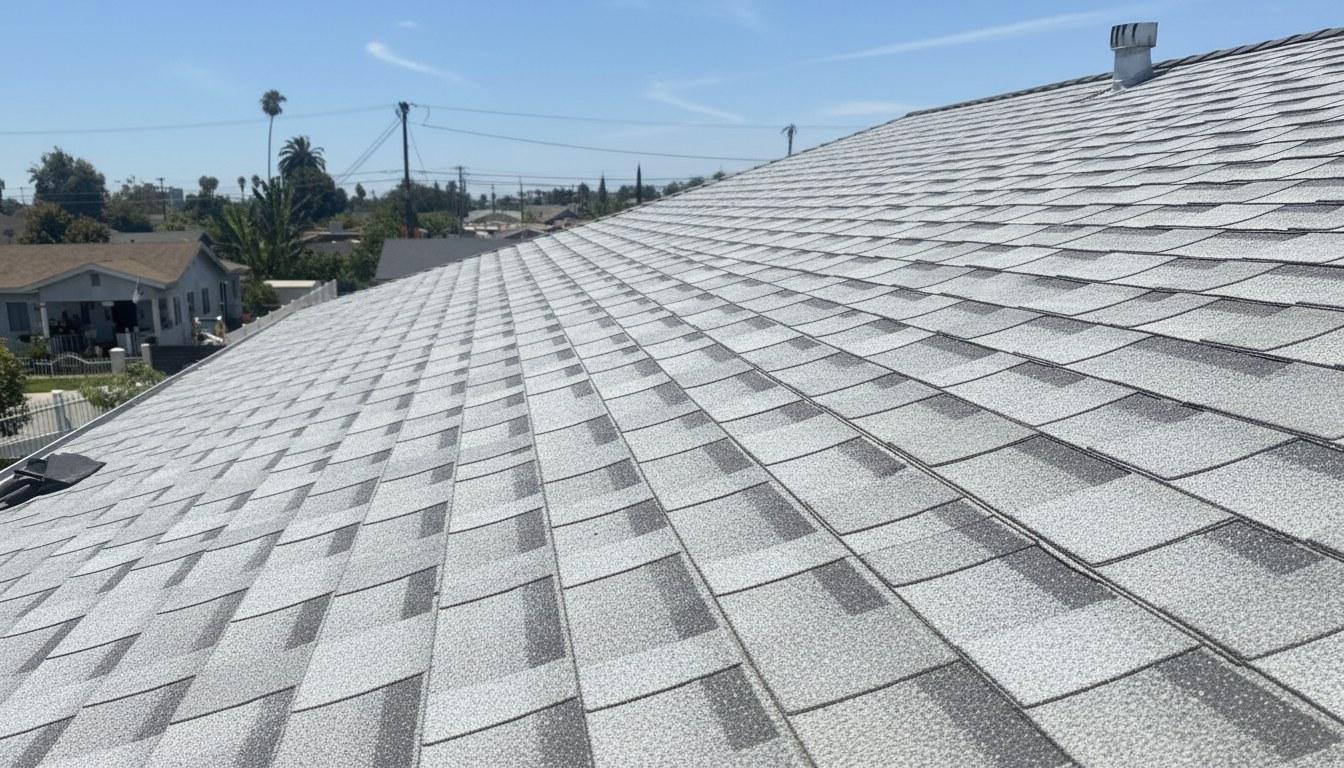
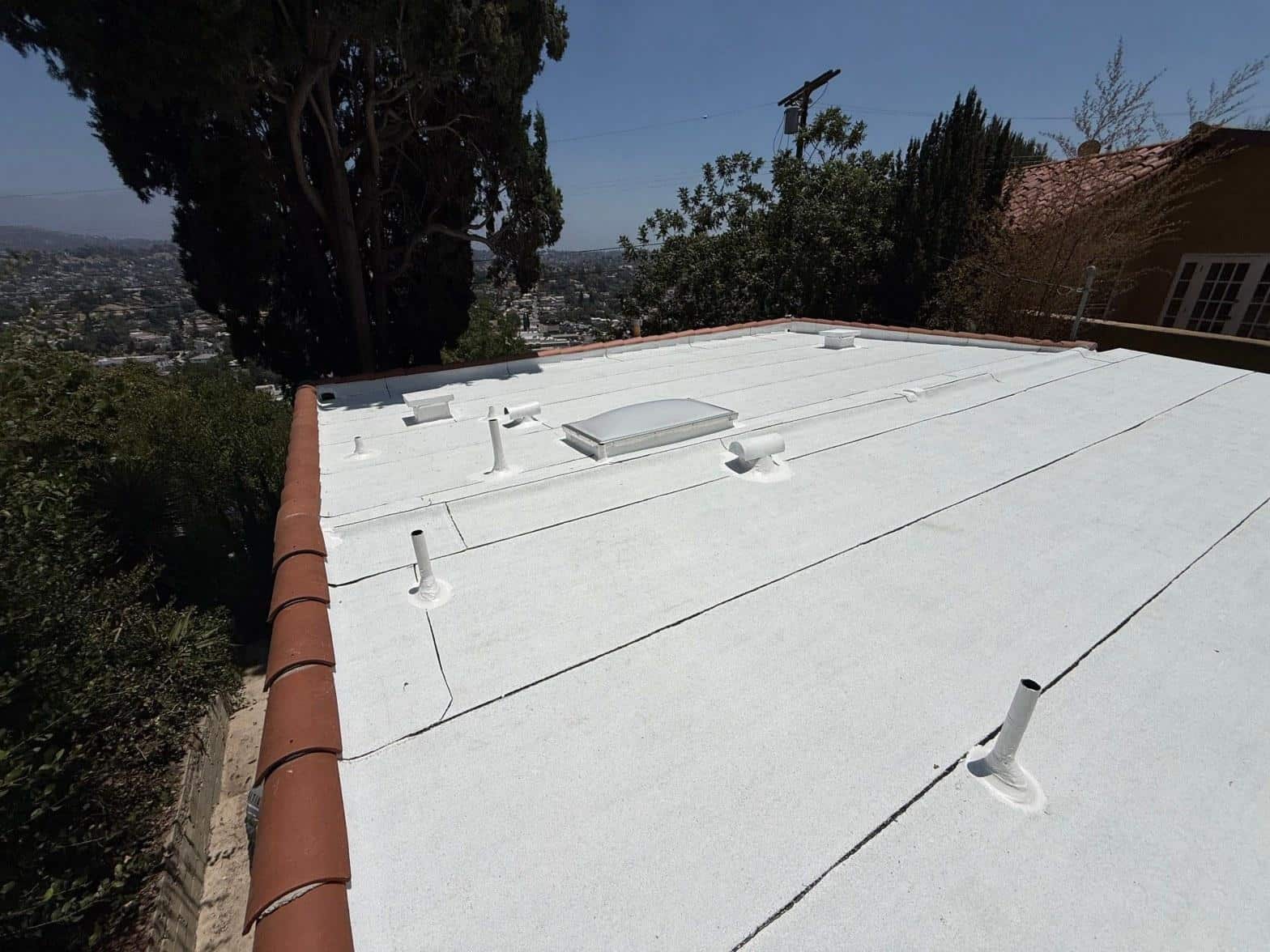
The top roofing trends shaping California homes in 2026 are cool-roof technology, solar-integrated roofing, fire-resistant materials, and smarter roof repair approaches. These trends are driven by tighter energy codes, rising summer temperatures, and growing wildfire risk across the state.
This roofing trends california 2026 guide is built for homeowners who want to make smart decisions — whether they are replacing an aging roof, handling roofing repairs, or planning ahead. California’s climate and building codes push roofing in a different direction than most other states, so national trend lists often miss the details that matter here.
According to NOAA climate data, California has seen average summer temperatures rise by roughly 3°F over the past 50 years. That shift makes heat-management a top priority for any roof installed or repaired in 2026.
- Cool roofs: Reflective coatings and light-colored materials that reduce attic heat gain by up to 30%.
- Solar-ready and solar-integrated roofs: Designs that support rooftop panels or use built-in photovoltaic tiles.
- Class A fire-rated materials: Required in many high-fire-hazard zones across the state.
- Synthetic and composite shingles: Lighter, longer-lasting alternatives to traditional asphalt.
- Smart roof monitoring: Sensors that detect moisture intrusion or structural stress early.
- Recycled and low-carbon materials: Growing demand from homeowners focused on sustainability.
Each of these trends responds to a real pressure California homeowners face — heat, fire, cost, or code compliance. The sections below break each one down so you know exactly what to expect.
How Is California’s Title 24 Changing What Roofs Must Do?
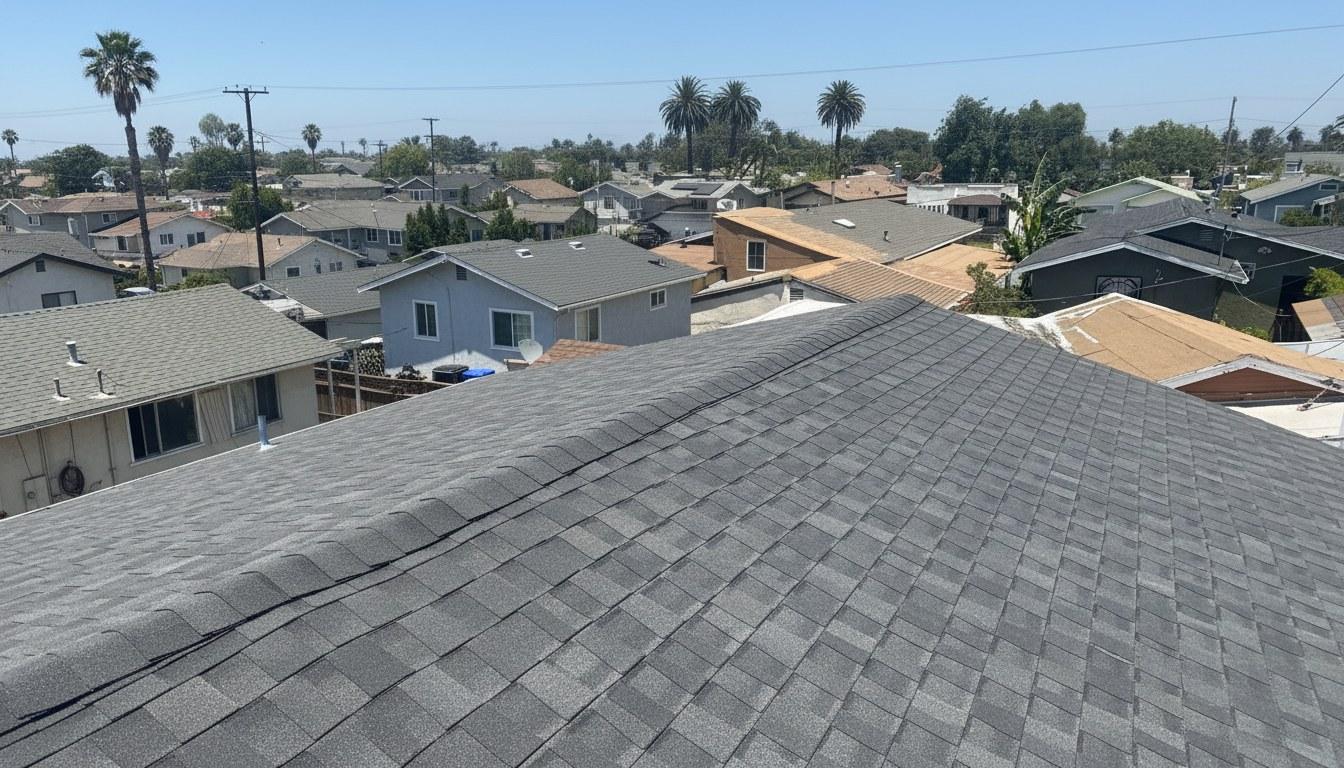
California’s Title 24 building energy standards now require most new and replacement roofs on low-slope or low-pitch residential buildings to meet minimum solar reflectance and thermal emittance thresholds. As of the 2022 code cycle — still fully enforced in 2026 — many re-roofing projects trigger compliance reviews that did not apply a decade ago.
California’s Title 24 building energy standards are updated every three years. The 2022 update expanded cool-roof requirements and added provisions for battery-ready and solar-ready construction. Homeowners doing a full replacement in 2026 should confirm with their contractor whether their project triggers a permit and what compliance looks like.
On steep-slope roofs (pitches above 2:12), Title 24 does not mandate cool-roof products in all cases, but many local jurisdictions layer additional requirements on top of state minimums. Los Angeles County, for example, has its own fire-hazard severity zone overlays that affect material choices.
Our team sees a significant share of re-roofing jobs — roughly 4 in 10 across our Southern California service calls — where homeowners are surprised to learn their chosen shingle color or material does not meet current reflectance requirements. Catching that before materials are ordered saves weeks of delay.
- Solar reflectance index (SRI): A combined measure of reflectance and emittance. Title 24 sets minimum SRI values by roof slope and climate zone.
- Climate zones: California has 16 climate zones. Requirements vary — coastal zones have different thresholds than inland desert zones.
- Re-roofing triggers: Replacing more than 50% of a roof surface typically triggers full compliance review in most California jurisdictions.
- Solar-ready provisions: New construction must include conduit pathways and panel-ready electrical infrastructure under the 2022 code.
Which Roofing Materials Are Gaining Popularity in 2026?
Concrete and clay tile, Class A asphalt shingles, synthetic composite shingles, and metal roofing are the four materials gaining the most ground among California homeowners in 2026. Each has a different profile for fire resistance, weight, longevity, and cost.
Traditional 3-tab asphalt shingles are losing market share. Architectural (dimensional) shingles now dominate the residential asphalt segment because they carry longer warranties — typically 30 to 50 years — and qualify for Class A fire ratings more easily.
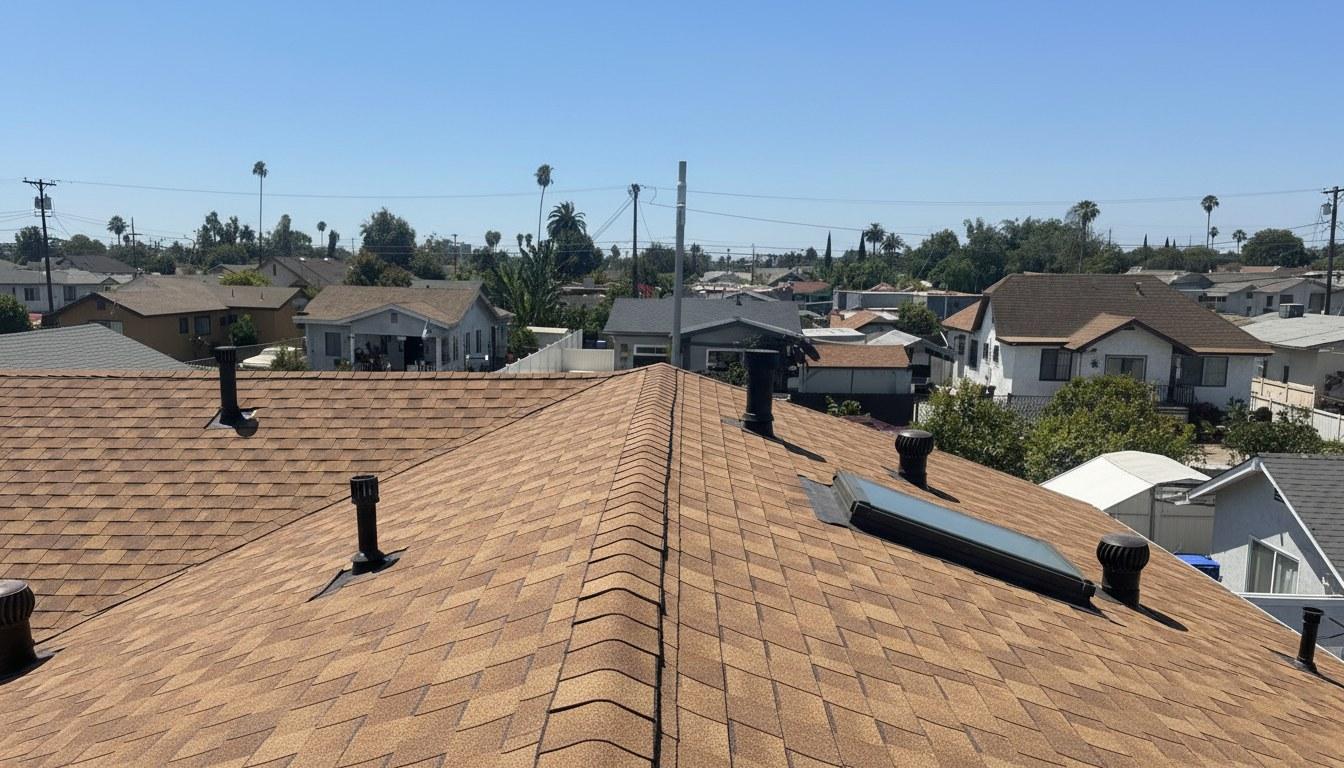
| Material | Typical Lifespan | Fire Rating | Cool-Roof Eligible | Best Climate Fit |
|---|---|---|---|---|
| Architectural Asphalt Shingles | 25–50 years | Class A available | Yes (light colors) | Statewide |
| Concrete Tile | 40–50 years | Class A | Yes (natural air gap) | Southern CA, inland valleys |
| Clay Tile | 50–100 years | Class A | Yes | Mediterranean / coastal CA |
| Metal (standing seam or panel) | 40–70 years | Class A | Yes (reflective coatings) | Wildfire zones, high-heat areas |
| Synthetic Composite | 30–50 years | Class A available | Yes | Statewide |
| Solar Shingles (PV integrated) | 25–30 years (panel warranty) | Class A | Inherently reflective | High-sun regions |
Metal roofing is seeing especially strong growth in wildfire-adjacent communities. A standing-seam metal roof with a Class A fire rating and a reflective coating addresses fire risk, heat gain, and longevity in a single product. The tradeoff is upfront cost, which is covered in the next section.
Metal roofing is seeing especially strong growth in wildfire-adjacent communities, addressing fire risk, heat gain, and longevity in a single product.
Solar shingles — integrated photovoltaic tiles that replace standard roofing material — are maturing quickly. They now carry panel warranties in the 25-to-30-year range and qualify for the Inflation Reduction Act federal tax credit of up to 30% on the full installed cost, including the roofing labor portion tied to the solar installation.
How Much Do These New Roofing Options Typically Cost?
In the California residential market, a full roof replacement typically ranges from $9,000 to $35,000 or more depending on roof size, material, slope complexity, and local permit costs. Roofing repairs on a smaller section generally run $500 to $4,000 in this market.
These are broad regional market ranges — not quotes from any specific contractor. The factors that move the number most are square footage, pitch steepness, the number of roof penetrations (vents, skylights, chimneys), tear-off layers, and whether the project triggers a Title 24 compliance inspection.
- Architectural asphalt shingles: Generally $9,000–$18,000 for a 2,000-square-foot roof in Southern California.
- Concrete or clay tile: Often $15,000–$28,000 for the same footprint, due to material weight and additional structural requirements.
- Standing-seam metal: Typically $18,000–$35,000, depending on panel profile and coating type.
- Solar-integrated shingles: Costs vary widely by system size; the solar tax credit can offset 30% of qualifying costs.
- Targeted roof repair: Small leak repairs or flashing work generally fall in the $500–$2,000 range; larger section replacements can reach $4,000.
Permit fees in California counties add $200–$800 on average for a standard re-roofing permit, though complex projects in some jurisdictions run higher. Always get a written, itemized estimate before any work begins. Call (213) 364-3979 to request a custom quote from Roof Replacement Inc.
What Does a Roofing Inspection or Repair Look Like Under These New Standards?
A professional roofing inspection in 2026 covers more ground than it did five years ago. Beyond checking for missing shingles or obvious leaks, contractors now assess cool-roof compliance, flashing integrity around solar conduit pathways, and fire-rating documentation — especially in high-hazard zones.
For homeowners searching for roof repair near me or trying to understand what a roofer near me will actually do, here is a clear picture of what a thorough inspection covers:
- Surface condition check: Shingle granule loss, cracking, cupping, or blistering — signs that typically appear after 15–20 years on standard asphalt.
- Flashing inspection: Metal flashing around chimneys, vents, and skylights is the most common source of leaks in California residential roofing.
- Underlayment assessment: The synthetic or felt layer beneath shingles degrades over time; modern synthetic underlayments last 25–40 years versus 15–20 for traditional felt.
- Ventilation review: Poor attic ventilation accelerates shingle aging and can trap heat, raising cooling costs by 10–15% in hot inland climates.
- Compliance documentation: For re-roofing permits, inspectors verify that the installed material meets the SRI and fire-rating requirements for that climate zone.
- Moisture scan (optional): Infrared scanning can detect trapped moisture in the deck without removing material — increasingly common on flat or low-slope roofs.
A roof certification — a formal written assessment of remaining roof life — is often required by lenders and insurance companies during a home sale. Roof certifications typically cover a 2-to-5-year window and must be issued by a licensed contractor. Roof Replacement Inc provides roof certifications as part of its inspection services.
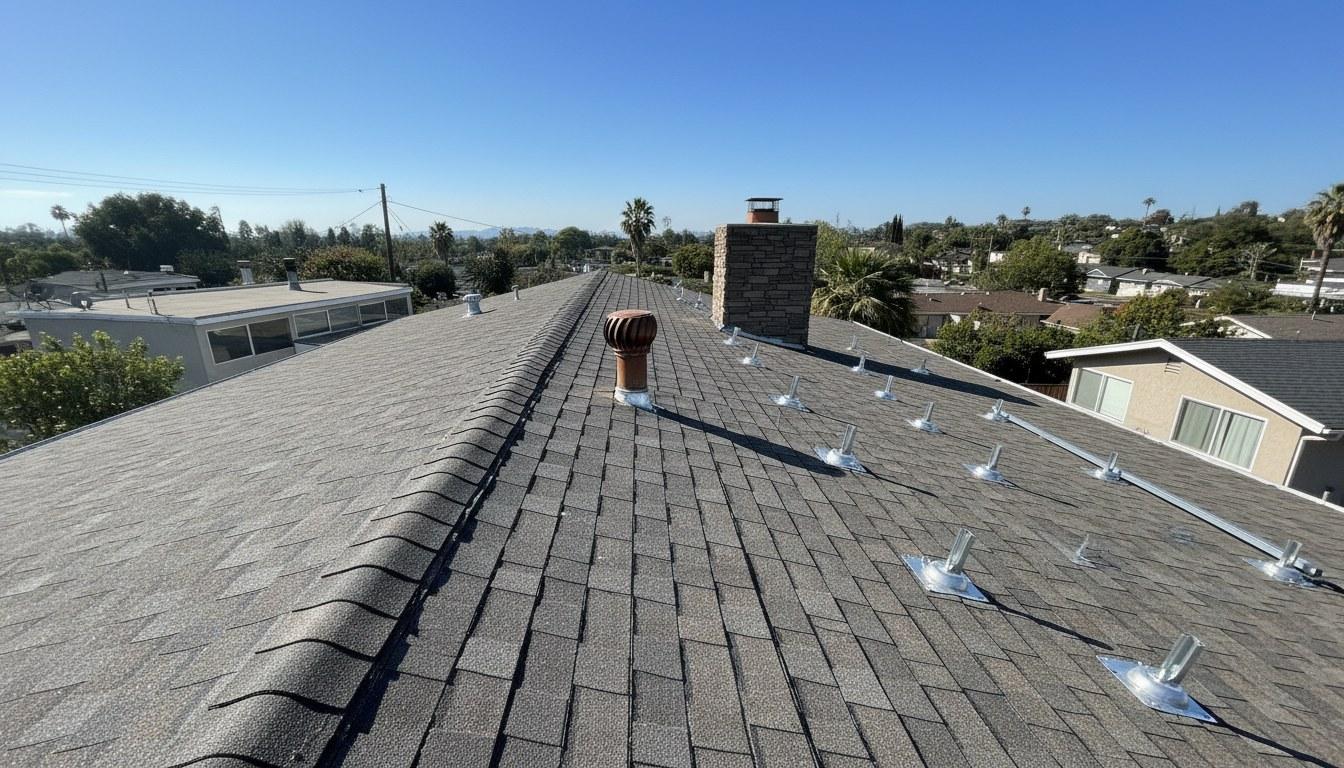
We find that on re-roofing jobs across Southern California where the previous roof was installed before 2010, about 6 in 10 have at least one layer of damaged or saturated decking that needs spot replacement before new material goes down. Skipping that step leads to premature failure of the new roof.
How Do You Choose the Right Roofing Contractor in California?
Any roofing contractor working in California must hold a valid license issued by the California Contractors State License Board (CSLB) — specifically a C-39 Roofing classification. Verifying that license before signing any contract is the single most important step a homeowner can take.
You can verify any contractor’s license status in real time at the CSLB license check portal. A valid C-39 license means the contractor has passed a trade exam, carries workers’ compensation insurance, and has posted a contractor’s bond.
Beyond licensing, look for these qualities when evaluating roofing contractors in Los Angeles or anywhere in California:
- Written, itemized estimates: A reputable contractor breaks down material, labor, permit, and disposal costs separately.
- Manufacturer certification: Many shingle and tile brands offer extended warranties only when installed by a certified contractor. Ask which programs the contractor participates in.
- Permit pull history: Contractors who routinely pull permits are accountable to inspectors and follow code. Those who skip permits put homeowners at legal and insurance risk.
- Local references: Ask for references from jobs completed in the past 12 months, ideally in your county or climate zone.
- Clear warranty terms: Know what the workmanship warranty covers and for how long — typically 2 to 10 years for labor, separate from the material warranty.
- No high-pressure tactics: Storm-chasing contractors often pressure homeowners to sign same-day. A trustworthy roofing company gives you time to review the estimate.
For homeowners comparing roofing companies or looking for a roofing company in Los Angeles, the combination of a valid CSLB license, permit compliance, and transparent pricing separates professional contractors from the rest of the market.
Explore our full range of roofing services across Southern California.
Frequently Asked Questions
What roofing material is best for California homes in 2026?
Concrete tile, clay tile, and Class A architectural asphalt shingles are the most widely used materials across California in 2026. Metal roofing is the fastest-growing option in wildfire-prone areas. The best choice depends on your climate zone, roof pitch, budget, and whether your project must meet Title 24 cool-roof requirements.
Do I need a permit for roof repairs in California?
Minor repairs — like replacing a few shingles or sealing flashing — typically do not require a permit. However, replacing more than 50% of a roof surface usually triggers a permit and a Title 24 compliance review in most California jurisdictions. Always confirm with your local building department or ask your contractor before work begins.
How long does a roof replacement take in Southern California?
Most residential roof replacements in Southern California take 1 to 3 days for the physical installation. Tile roofs or complex multi-slope designs can take 4 to 7 days. Permit processing adds time — typically 3 to 10 business days depending on the county — so plan for 2 to 3 weeks from contract signing to project completion.
Can I get a tax credit for a new roof in California in 2026?
A standard roof replacement does not qualify for the Inflation Reduction Act federal tax credit on its own. However, if your roof replacement is part of a solar shingle or solar panel installation, the roofing labor and materials tied to the solar portion may qualify for the 30% federal solar tax credit. Consult a tax professional to confirm eligibility for your specific project.
How do I know if my roof needs repair or a full replacement?
Roofs under 15 years old with isolated damage — a few cracked shingles, a leaking flashing joint — are usually good candidates for targeted repair. Roofs 20 years or older with widespread granule loss, sagging sections, or recurring leaks in multiple spots generally need full replacement. A licensed contractor can give you a written assessment after a physical inspection.
Related Articles




What Our Clients Say








Roof Replacement Inc. offers professional, high-quality work, guaranteed (call for details); ensuring all clients projects meet all code and design requirements. We are dedicated to exceptional customer service and will strive to ensure you with the highest quality roofing services. Roof Replacement Inc. offers lifetime warranty (call for details) on all of our workmanship to ensure the quality of our work. With over 40 years of combined experience within the roofing and construction industry, Roof Replacement Inc. has grown and developed in all areas of roofing construction, including roof inspections. As a leading residential and commercial roofing company in LA, we have hundreds of references from previous clients, so rest assured, that your roofing job will be done right the first time. Replacing an old roof can help add curb appeal and will increase the perceived value of your home. First impressions are vital when selling your home, especially when your roof takes up more than half of the exterior of your residence or business. Not only is the return of investment on a new roof attractive for potential buyers, but can be as beneficial as remodeling the kitchen or bathrooms within your residence.

