Flat roofs are common across Southern California, but choosing between a torch down system and modified bitumen can be confusing. This guide breaks down the real differences so you can make the right call.
What Is the Difference Between Torch Down Roofing and Modified Bitumen?
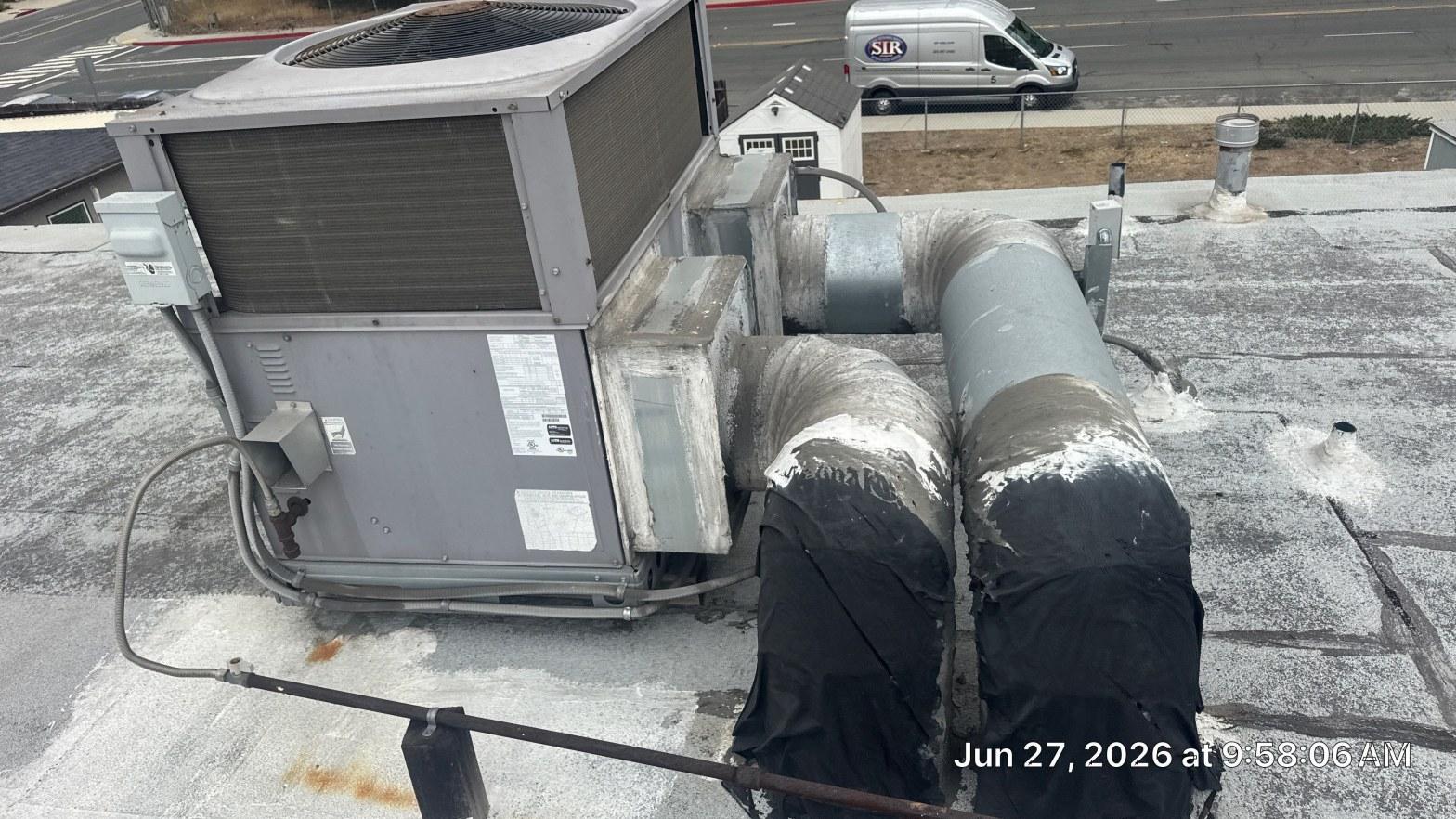
Torch down roofing is actually a subset of modified bitumen roofing — not a separate product. The phrase describes how the membrane is installed: a propane torch melts the underside of the sheet so it bonds directly to the roof deck or base layer. Modified bitumen itself is a broader category of asphalt-based roofing membranes reinforced with either polyester or fiberglass mats and modified with rubber or plastic polymers.
When homeowners search for torch down roof vs modified bitumen, they are usually trying to decide between torch-applied sheets and the other installation methods — cold-process adhesive, hot-mopped asphalt, or self-adhering peel-and-stick membranes. Understanding that distinction makes the comparison much clearer.
Flat and low-slope roofs are extremely common across Southern California, where the Mediterranean climate and Spanish-influenced architecture have made them a standard feature for decades. Choosing the wrong membrane for your specific roof can mean leaks, premature failure, or voided warranties — so the details matter.
What Are the Main Types of Modified Bitumen Roofing?
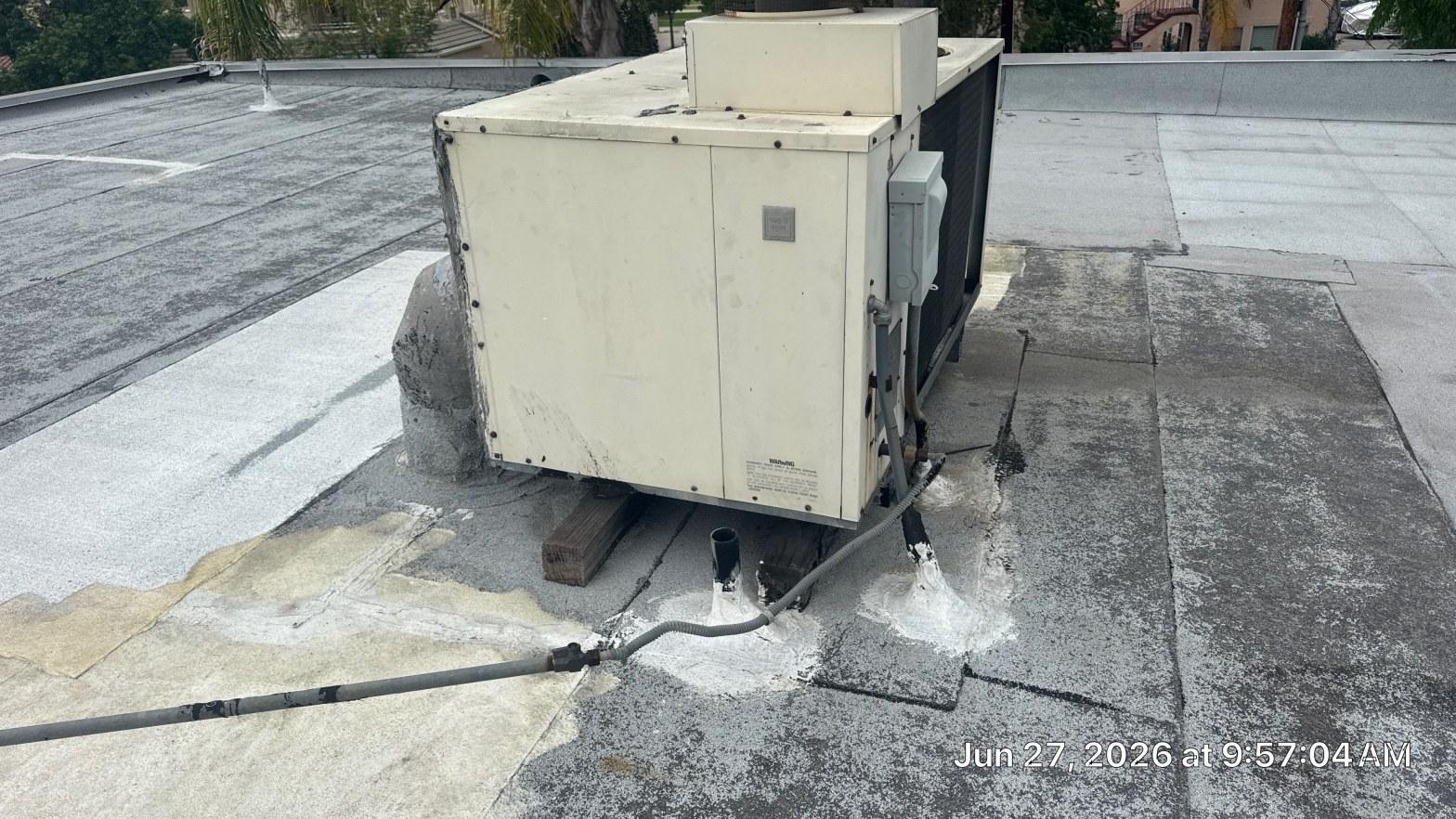
There are two core polymer types used in modified bitumen membranes: APP (Atactic Polypropylene) and SBS (Styrene-Butadiene-Styrene). Each is available in multiple installation formats, and the combination of polymer type plus installation method determines the roof’s performance profile.
APP-modified membranes are stiffer and handle UV exposure and high surface temperatures well. SBS-modified membranes stay more flexible at lower temperatures and are often described as having a rubber-like quality. In California’s hot inland valleys and sun-drenched coastal communities, APP is frequently the go-to choice for torch-applied systems.
Here is a breakdown of the main modified bitumen system types:
- Torch-applied APP: A propane torch melts the bottom of the APP sheet onto the substrate. Creates a very strong, waterproof bond. Requires a licensed contractor with fire-safety training. This is the classic “torch down” system most homeowners picture.
- Torch-applied SBS: Same torch process but with the more flexible SBS polymer. Common on roofs that experience temperature swings or where a granulated surface cap sheet is desired.
- Cold-process adhesive SBS: Sheets are bonded using a solvent-based or water-based adhesive instead of heat. No open flame on the roof. Often preferred in areas with strict fire codes or where torch work creates insurance complications.
- Self-adhering (peel-and-stick) SBS: Factory-applied adhesive on the underside. The installer peels a release film and presses the sheet down. Fast installation, no flame, but requires a very clean and primed substrate for a reliable bond.
- Hot-mopped modified bitumen: Sheets are set into hot liquid asphalt poured from a kettle. Less common on residential jobs today but still used on larger low-slope commercial roofs.
Most residential flat roof replacements in Southern California use either torch-applied APP (the traditional “torch down” approach) or self-adhering SBS, depending on the contractor’s recommendation and local fire-code requirements.
How Do Torch Down and Modified Bitumen Roofs Compare on Cost?
In the Southern California regional market, modified bitumen flat roof installations typically range from $4 to $9 per square foot for materials and labor combined, depending on the system type, roof condition, number of layers, and access complexity. A 1,500-square-foot flat roof could therefore run anywhere from roughly $6,000 to $13,500 before any tear-off or deck repair costs are added.
Our crews see torch-applied two-ply systems (a base sheet plus a granulated cap sheet) priced at the mid-to-upper end of that range because the labor is more intensive and requires certified torch operators. Self-adhering SBS systems often come in at the lower end, though premium self-adhering membranes with thicker mil ratings can close that gap quickly.
The table below summarizes the key cost and performance differences across the main system types:
| System | Typical Installed Cost (per sq ft) | Expected Lifespan | Fire Risk During Install | Best For |
|---|---|---|---|---|
| Torch-applied APP (2-ply) | $6–$9 | 20–30 years | Moderate (open flame) | High UV exposure, long-term durability |
| Torch-applied SBS (2-ply) | $5.50–$8.50 | 18–25 years | Moderate (open flame) | Temperature-variable climates, flexibility |
| Cold-process adhesive SBS | $4.50–$7.50 | 15–22 years | Low (no open flame) | Fire-sensitive areas, occupied buildings |
| Self-adhering SBS (peel-and-stick) | $4–$7 | 15–20 years | None | Budget-conscious projects, re-roofing over existing layers |
Several factors can move your final number significantly. Tear-off of an existing built-up roof (BUR) adds labor and disposal costs. Roof decks with soft spots or dry rot require board replacement before any membrane goes down. Penetrations — HVAC curbs, skylights, plumbing vents — each need individual flashing details that add time. Always request a written, itemized quote before work begins.
As of 2024, California’s Title 24 building energy standards require that new or replacement low-slope roofing on conditioned spaces meet minimum solar reflectance values. A cool-roof granulated cap sheet — standard on most quality torch-down systems — typically satisfies this requirement, but your contractor should confirm compliance for your specific project.
Which System Holds Up Better in California’s Climate?
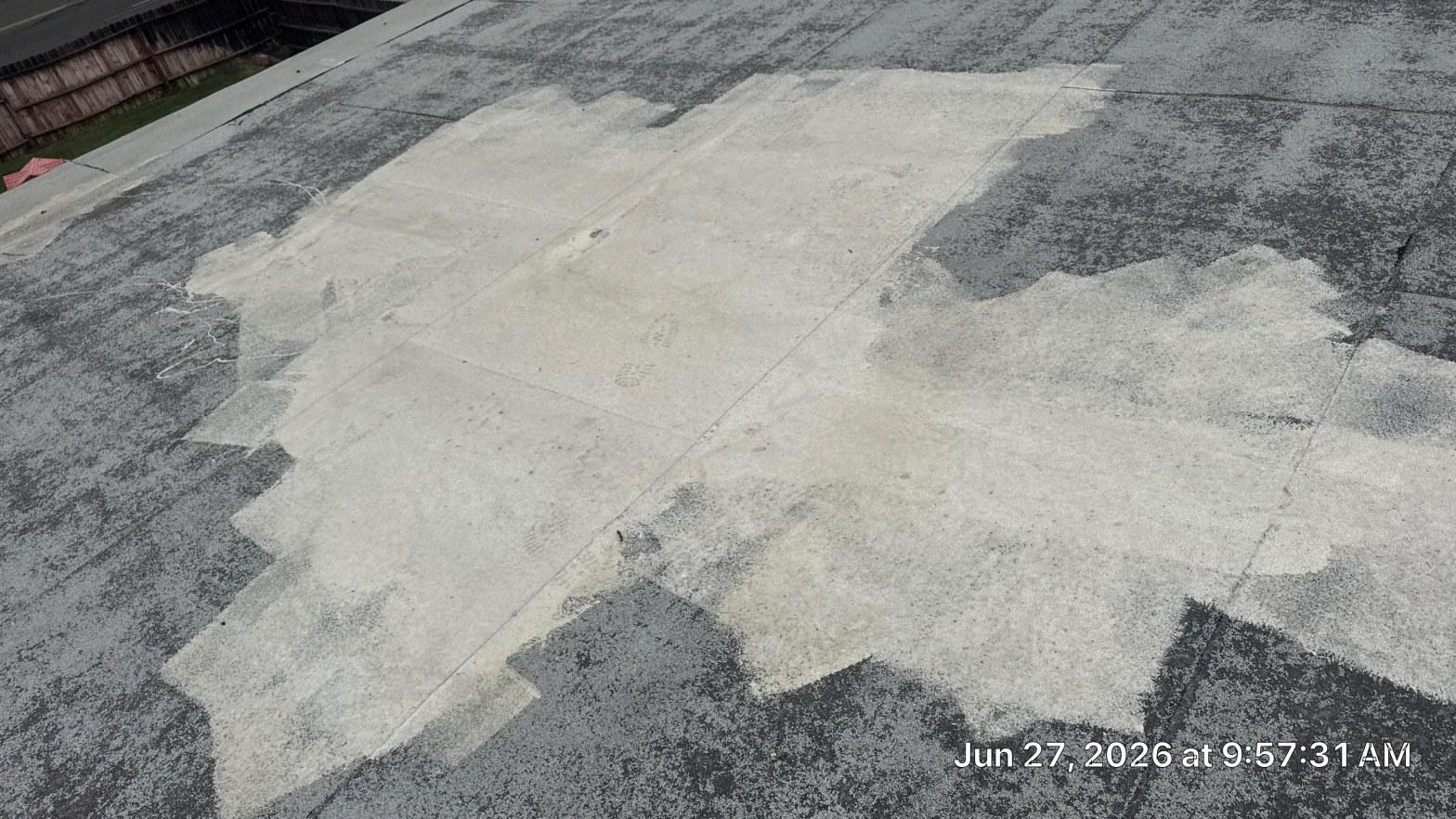
In Southern California’s climate — intense UV radiation, summer temperatures that routinely push roof surfaces past 150°F, and very little rainfall — torch-applied APP modified bitumen consistently outperforms cold-process and self-adhering alternatives on raw longevity. The heat-welded seams are essentially fused into a single sheet, eliminating the lap edges that adhesive-based systems rely on.
According to NOAA climate data, much of Southern California averages fewer than 15 inches of rain per year, but the UV index is among the highest in the continental United States. That combination degrades adhesive bonds and oxidizes unprotected asphalt faster than in cooler, cloudier regions.
SBS-modified systems have an edge in flexibility, which matters more in areas that experience genuine freeze-thaw cycles. In most of coastal and inland Southern California, that advantage is marginal. Where SBS shines locally is on roofs with complex geometry — lots of penetrations, drains, and inside corners — where a more pliable membrane is easier to detail correctly.
Across our service calls in Southern California, we find that torch-applied two-ply systems installed more than 15 years ago are still performing well when the original installation included proper base-sheet attachment and sealed flashings. Systems that fail early almost always trace back to poor flashing work at penetrations or walls, not membrane failure in the field.
Systems that fail early almost always trace back to poor flashing work at penetrations or walls, not membrane failure in the field.
Torch-applied two-ply systems installed more than 15 years ago are still performing well when the original installation included proper base-sheet attachment and sealed flashings.
One important note for California homeowners: the state’s Office of the State Fire Marshal and many local fire jurisdictions have specific requirements around torch work on occupied structures. Some municipalities require a hot-work permit, a fire watch during installation, and a waiting period before the crew leaves the site. A contractor who skips these steps creates real liability for the homeowner.
What Does Installation Actually Involve — and Why Does It Matter?
Proper modified bitumen installation is a multi-step process that takes one to three days for a typical residential flat roof, depending on size and complexity. Rushing any phase — especially surface prep and flashing — is the single biggest predictor of early failure.
Here is what a quality installation sequence looks like:
- Inspection and tear-off: The existing roofing is removed down to the deck (or to a sound existing layer if a recover is permitted by code). The deck is inspected for soft spots, and damaged boards are replaced.
- Deck preparation: The surface is swept clean, dried, and primed. For torch-applied systems, the primer promotes adhesion between the substrate and the base sheet. For self-adhering systems, primer is critical for bond strength.
- Base sheet installation: A mechanically fastened or adhered base sheet goes down first in a two-ply system. This layer adds redundancy — if the cap sheet is ever breached, the base sheet is the second line of defense.
- Cap sheet application: The granulated cap sheet is applied using the appropriate method (torch, adhesive, or peel-and-stick). Laps are staggered from the base sheet laps to prevent water pathways.
- Flashing installation: All penetrations, parapet walls, drains, and edges are flashed with membrane or metal. This step takes as long as the field membrane on a complex roof and is where most leaks originate if done carelessly.
- Final inspection: Seams are checked for voids, flashings are confirmed sealed, and drains are verified to flow freely.
Contractors licensed by the California Contractors State License Board (CSLB) are required to carry workers’ compensation and general liability insurance. Always verify a contractor’s CSLB license number before signing anything — it takes under two minutes on the CSLB website and protects you if something goes wrong.
How Do You Choose the Right System for Your Home?
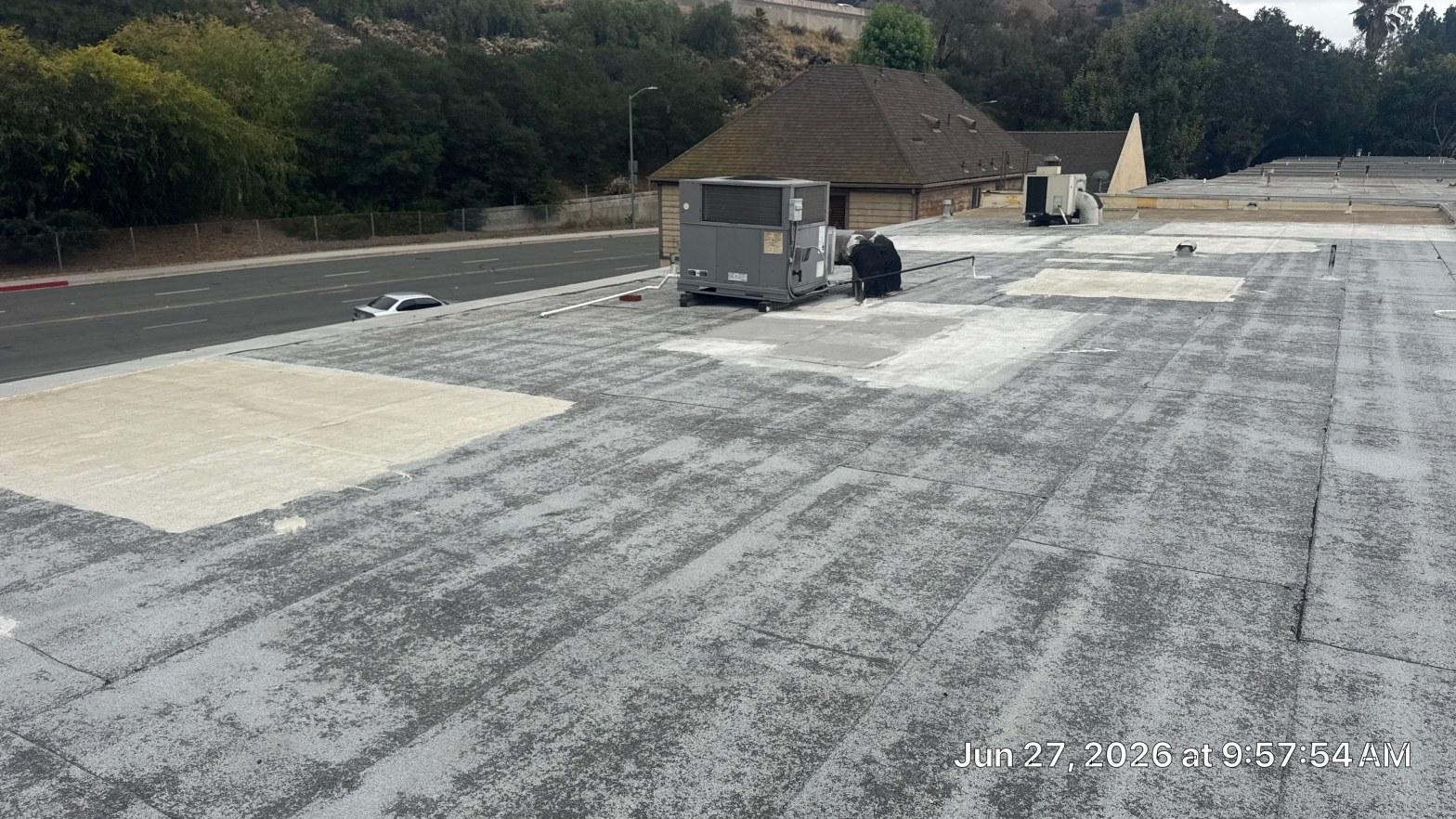
The right modified bitumen system depends on four factors: your roof’s current condition, local fire-code requirements, your budget, and how long you plan to stay in the home. There is no single answer that fits every California homeowner.
Use the checklist below to guide your conversation with a roofing contractor:
- Roof age and condition: If the existing deck is sound and you have only one existing roof layer, a quality two-ply torch-applied system is often the best long-term value. If the deck has damage or you already have two layers, a full tear-off and re-roof is typically required under California building codes.
- Fire code in your area: Some California counties and cities restrict open-flame torch work on occupied residential structures or require special permits. Ask your contractor to confirm what is allowed before you commit to a torch-applied system.
- Budget and timeline: If you need the lowest upfront cost and a fast turnaround, a self-adhering SBS system is a reasonable choice for roofs with good substrate conditions. Expect a shorter service life — plan for re-roofing in 15 to 20 years rather than 25 to 30.
- Roof complexity: A roof with many HVAC curbs, skylights, and penetrations benefits from the flexibility of SBS. A simple rectangular flat roof with two drains is an ideal candidate for torch-applied APP.
- Energy efficiency goals: Both torch-down and cold-process systems are available with cool-roof granule cap sheets that meet California’s Title 24 solar reflectance requirements. Specify a granulated white or light-colored cap sheet if energy savings matter to you.
- Warranty coverage: Manufacturer warranties on modified bitumen systems typically run 10 to 20 years. A longer warranty usually requires a certified installer and sometimes a paid inspection at installation. Ask for the warranty paperwork before work begins, not after.
Roof Replacement Inc handles both torch-applied and cold-process modified bitumen installations across Southern California. Our estimators assess the full picture — deck condition, drainage, existing layers, and local code requirements — before recommending a system, so you are not paying for more than your roof actually needs.
Explore our full range of roofing services across Southern California.
Frequently Asked Questions
Is torch down roofing the same thing as modified bitumen?
Torch down roofing is a type of modified bitumen roofing — not a separate product. The term 'torch down' refers to the installation method, where a propane torch melts the underside of the membrane so it bonds to the surface below. Modified bitumen is the broader category that includes torch-applied, cold-process adhesive, and self-adhering systems.
How long does a torch down roof last in Southern California?
A properly installed two-ply torch-applied modified bitumen roof typically lasts 20 to 30 years in Southern California's climate. The intense UV exposure and high surface temperatures actually favor torch-applied APP membranes, which are engineered to resist heat and oxidation. Lifespan depends heavily on flashing quality and whether the roof drains freely.
Is torch down roofing a fire hazard during installation?
There is a real fire risk if torch work is done carelessly, which is why California requires contractors to follow strict hot-work protocols. Many local jurisdictions require a permit, a fire watch during installation, and a post-job inspection period. A licensed contractor will handle all of this — if a roofer skips the permit process, that is a red flag.
What does a modified bitumen roof replacement cost in California?
In the Southern California regional market, modified bitumen flat roof installations typically range from $4 to $9 per square foot installed, depending on the system type, roof size, and condition of the existing deck. A 1,500-square-foot roof could run from roughly $6,000 to $13,500 before tear-off or deck repair costs. Call (213) 364-3979 for a written quote specific to your home.
Can I put a new modified bitumen roof over my existing flat roof?
California building codes generally allow one re-cover over an existing single-ply or modified bitumen layer, but not over two existing layers — at that point a full tear-off is required. The existing surface also needs to be in sound condition with no trapped moisture. Your contractor should probe the deck and check local code before recommending a recover versus a full replacement.
Related Articles




What Our Clients Say

Roof Replacement Inc. offers professional, high-quality work, guaranteed (call for details); ensuring all clients projects meet all code and design requirements. We are dedicated to exceptional customer service and will strive to ensure you with the highest quality roofing services. Roof Replacement Inc. offers lifetime warranty (call for details) on all of our workmanship to ensure the quality of our work. With over four decades of experience and success within the roofing and construction industry, Roof Replacement Inc. has grown and developed in all areas of roofing construction, including roof inspections. As a leading residential and commercial roofing company in LA, we have hundreds of references from previous clients, so rest assured, that your roofing job will be done right the first time. Replacing an old roof can help add curb appeal and will increase the perceived value of your home. First impressions are vital when selling your home, especially when your roof takes up more than half of the exterior of your residence or business. Not only is the return of investment on a new roof attractive for potential buyers, but can be as beneficial as remodeling the kitchen or bathrooms within your residence.

