California's Title 24 energy code requires cool roofs on many new construction and re-roofing projects, but most homeowners never find a clear explanation of what that actually means for their home. This guide breaks down the 2026 requirements, climate zone rules, approved materials, and what to expect from a compliant installation.
What Is a Cool Roof and Why Does California Require One?
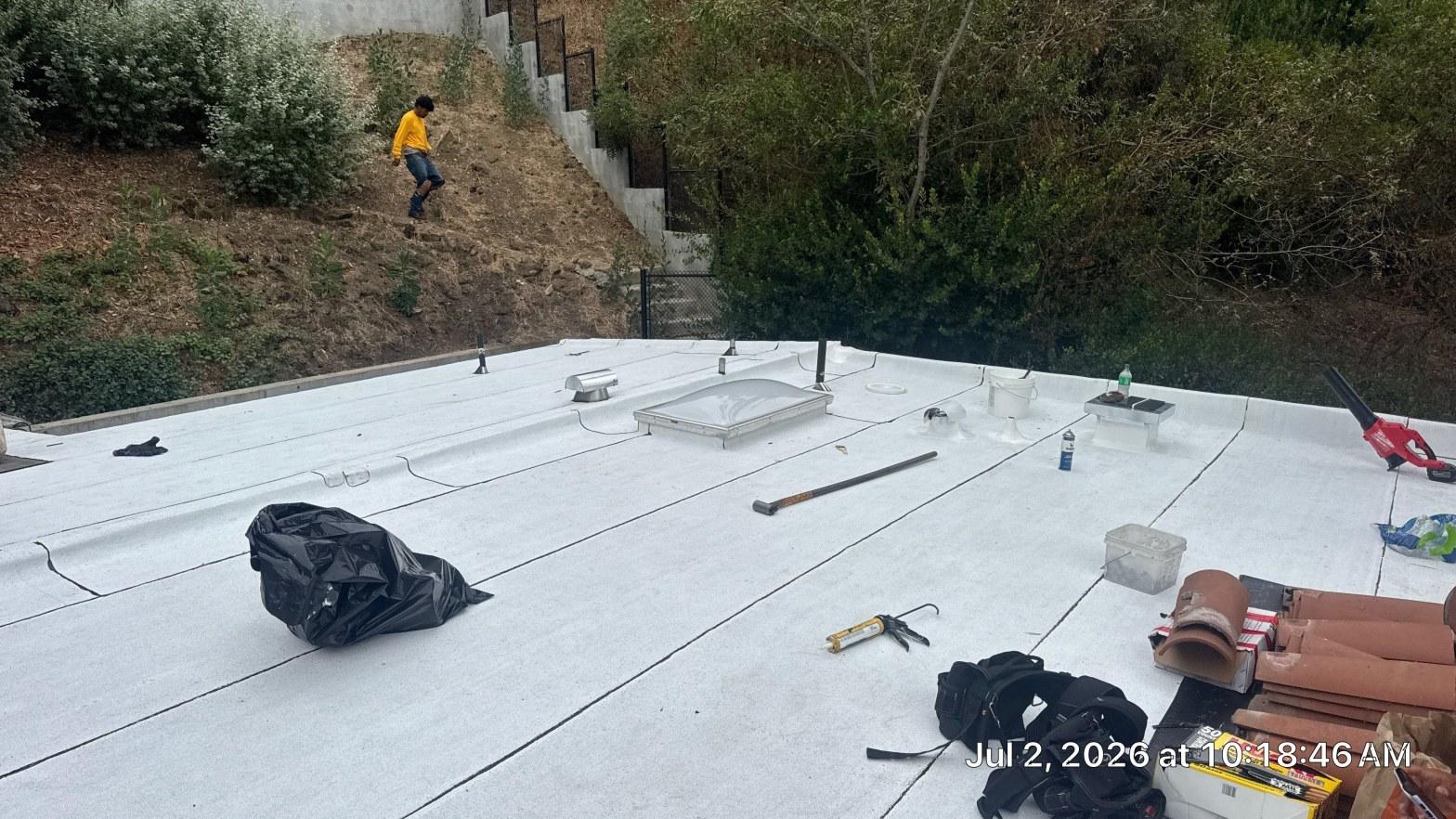
A cool roof is a roofing surface designed to reflect more sunlight and absorb less heat than a standard roof, keeping the building underneath significantly cooler during hot weather. California requires them because roofs are one of the biggest drivers of residential cooling energy use, and the state is legally committed to cutting building-sector emissions under its climate goals.
Standard dark roofs can reach surface temperatures of 150 to 190 degrees Fahrenheit on a hot summer day. A qualifying cool roof under the same conditions typically stays 50 to 60 degrees cooler, which directly reduces the load on your air conditioning system.
The California Energy Commission enforces cool roof requirements through Title 24, Part 6, the state’s building energy efficiency standards. The 2022 code cycle, which remains in effect as of 2026, expanded the scope of these requirements compared to earlier cycles, adding more climate zones and tightening the performance thresholds for both low-slope and steep-slope roofs.
Two numbers define whether a roof qualifies as “cool” under Title 24. The first is solar reflectance (SR), which measures how much sunlight the surface reflects on a scale of 0 to 1. The second is thermal emittance (TE), which measures how efficiently the surface radiates absorbed heat back into the atmosphere. Products that meet both thresholds are listed in the CRRC (Cool Roof Rating Council) Rated Products Directory, which California uses as its approved product database.
How Does California’s Title 24 Cool Roof Requirements Guide Apply to Your Home?
The california title 24 cool roof requirements guide applies to two categories of projects: new construction and re-roofing. If you are building a new home or replacing more than 50 percent of your existing roof surface, Title 24 cool roof rules almost certainly apply to you.
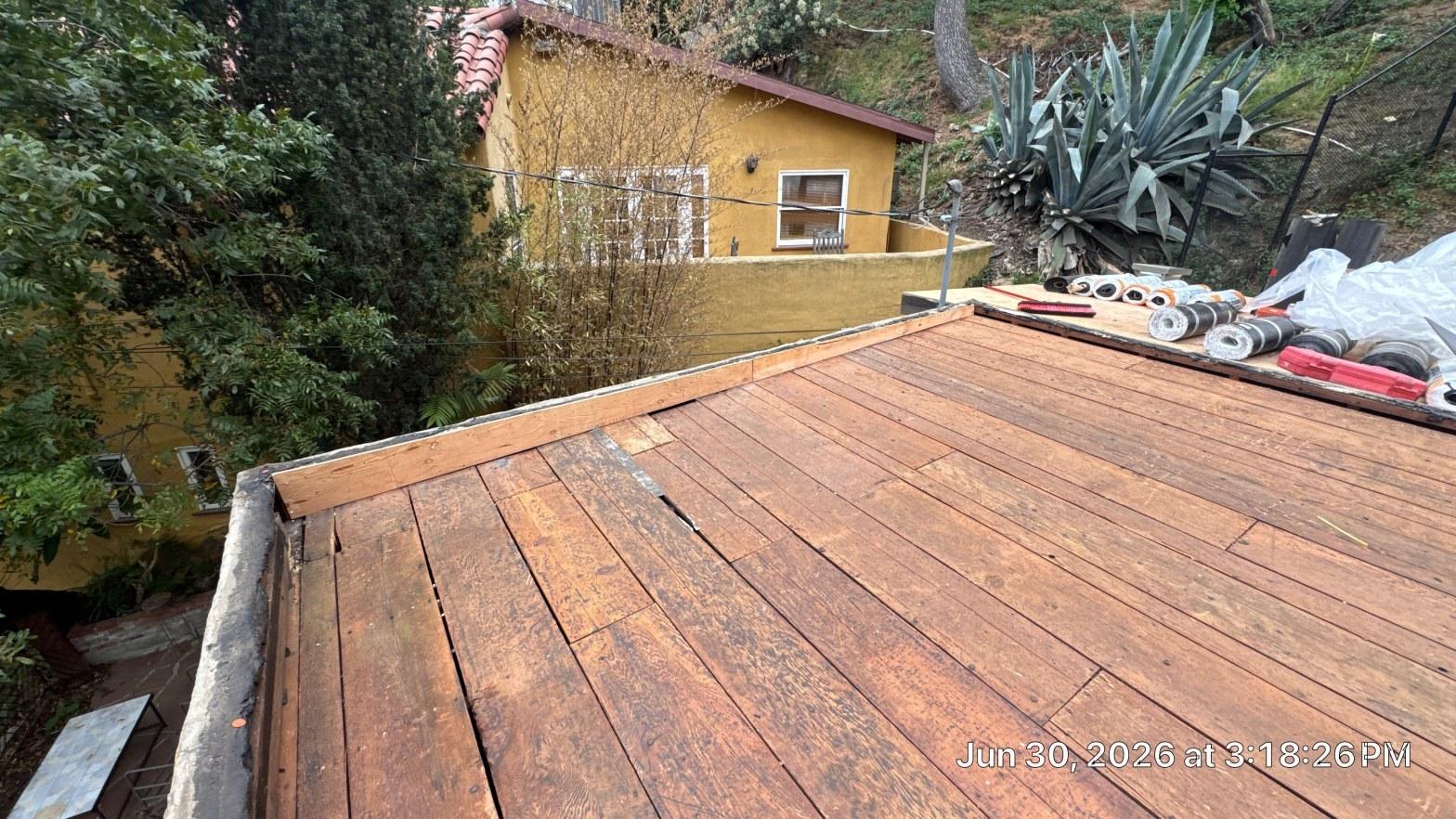
Re-roofing triggers compliance when the project involves removing the existing roof down to the deck and installing a new system. Simple repairs that cover less than half the roof area are generally exempt, but that threshold is strictly enforced by local building departments.
The code distinguishes between two roof geometries. A low-slope roof has a pitch of 2:12 or less, which is common on flat or nearly flat roofs found on many California ranch-style homes and commercial buildings. A steep-slope roof has a pitch greater than 2:12, covering most traditional residential roofs with visible shingles or tiles.
Low-slope roofs face stricter requirements than steep-slope roofs because flat surfaces absorb more direct solar radiation. Our team sees this most often on mid-century homes across Southern California where the original built-up tar roof is being replaced: in roughly 8 out of 10 of those projects, a cool-roof-rated product is required by the permit authority.
Nonresidential buildings follow a parallel but separate compliance pathway under Title 24, Part 6, Section 140.3. This guide focuses on residential applications, but the core SR and TE thresholds are similar for commercial low-slope roofs.
Which Climate Zones and Roof Types Must Comply?
California is divided into 16 climate zones, and Title 24 cool roof requirements vary by zone. As of the 2022 code cycle, cool roofs are mandatory for low-slope residential roofs in all 16 climate zones and for steep-slope roofs in most of them.
The California Energy Commission publishes a climate zone map that lets you look up your address. Most of Southern California falls in Climate Zones 6 through 10, all of which require cool roofs on both low-slope and steep-slope surfaces for new construction and re-roofing.
| Roof Type | Minimum Solar Reflectance (Aged) | Minimum Thermal Emittance | Climate Zones Required |
|---|---|---|---|
| Low-Slope Residential (pitch 2:12 or less) | 0.63 | 0.75 | All 16 zones |
| Steep-Slope Residential (pitch greater than 2:12) | 0.20 | 0.75 | Zones 1-15 (varies by zone) |
| Steep-Slope with Attic and Radiant Barrier (alternative compliance) | Exemption possible | N/A | Select zones, CEC approval required |
The aged solar reflectance values in the table above are the ones that matter for compliance. Products are rated at initial installation and then again after three years of weathering. Title 24 uses the aged value because roofs degrade over time and the code is designed to guarantee long-term performance, not just day-one performance.
Some steep-slope roof assemblies can meet the requirements through an alternative compliance path. If you install a qualifying radiant barrier in the attic and meet certain insulation levels, your local building department may accept that as equivalent to a cool roof surface. This option must be calculated using the California Energy Commission’s approved compliance software, such as CBECC-Res.
What Cool Roof Materials Meet Title 24 Standards?
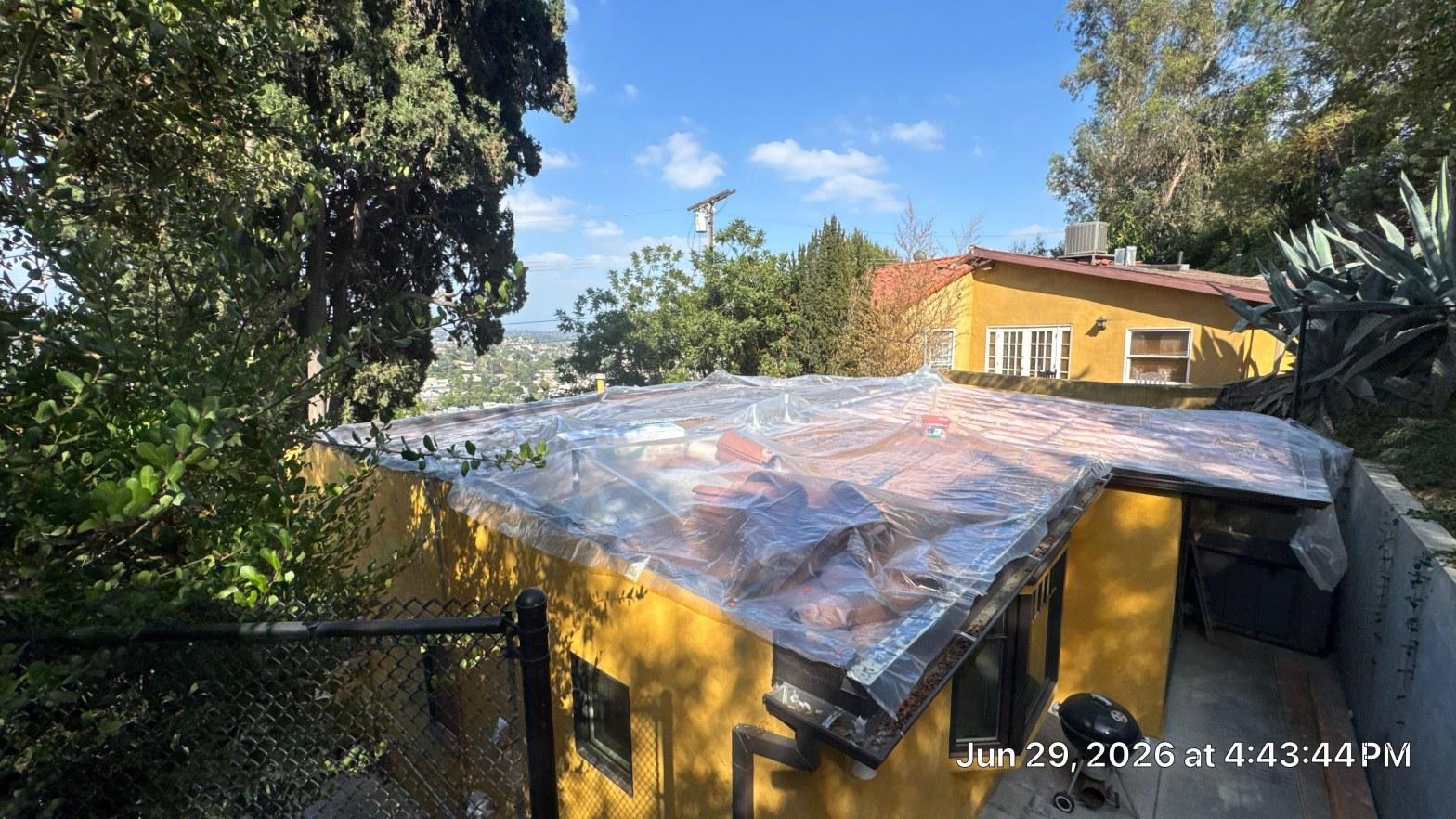
Several roofing material categories can meet California’s Title 24 cool roof thresholds. The most common compliant options for residential projects are cool-rated asphalt shingles, concrete and clay tile, single-ply membranes (for low-slope roofs), and reflective roof coatings applied over existing surfaces.
Every product must carry a CRRC rating label showing its initial and aged solar reflectance and thermal emittance values. The CRRC Rated Products Directory is searchable by product type and manufacturer, and your roofing contractor should be able to pull the specific CRRC product ID for whatever material they propose.
- Cool asphalt shingles: Manufactured with reflective granules that boost SR above the 0.20 threshold for steep-slope applications. They look similar to standard shingles but come in lighter color palettes. Many ENERGY STAR certified shingles also qualify under Title 24.
- Concrete and clay tile: Naturally higher reflectance than asphalt, especially in lighter colors. Many standard tile products already meet the steep-slope SR threshold without special treatment.
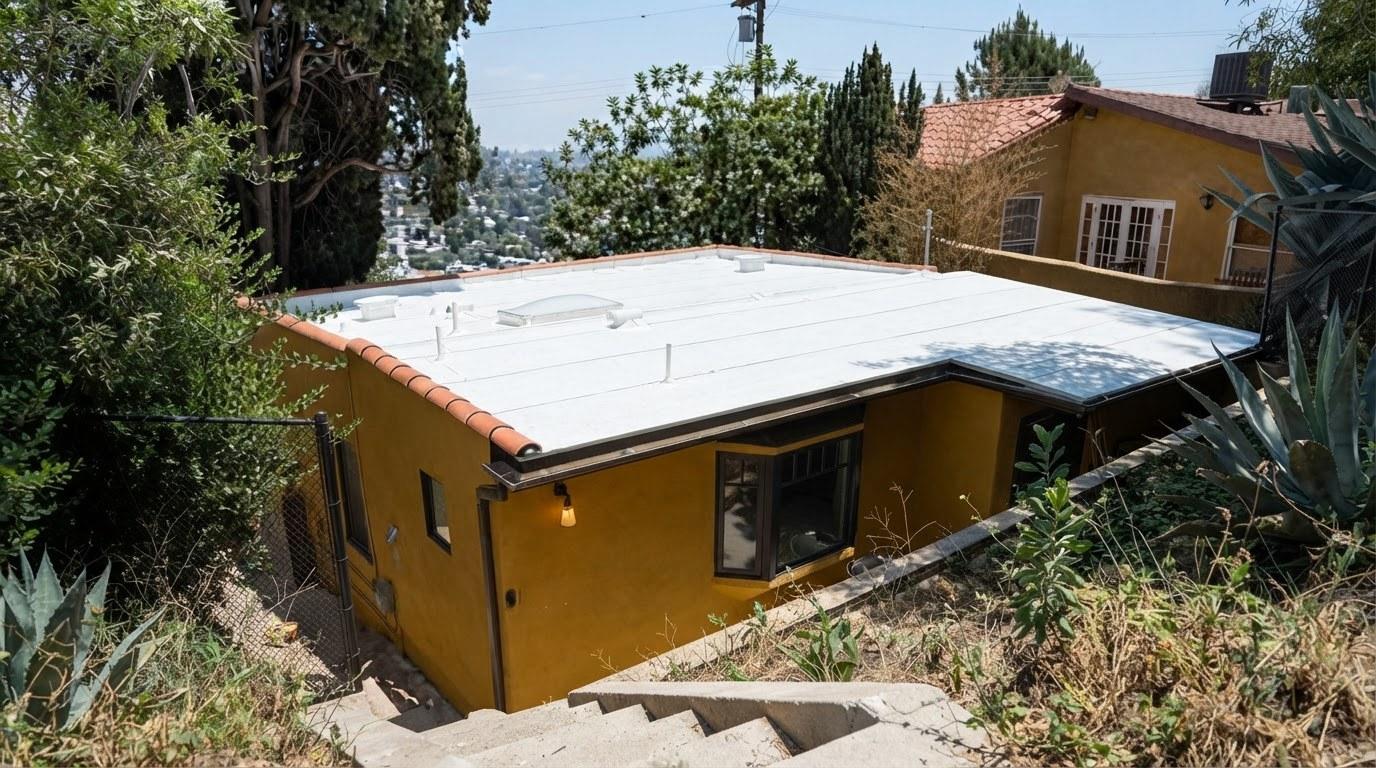
- Single-ply membranes (TPO and PVC): The dominant choice for low-slope roofs. White or light-gray TPO membranes routinely achieve aged SR values of 0.70 to 0.80, well above the 0.63 minimum. These are the most common compliant solution we see on re-roofing projects for flat-roof homes across Southern California.
- Modified bitumen with cool cap sheet: A torch-down or cold-applied system with a factory-applied reflective cap layer. This is a common upgrade path for older built-up roofs that need to comply on re-roofing.
- Reflective roof coatings: Elastomeric or silicone coatings applied over an existing substrate. When the coating carries a CRRC rating meeting Title 24 thresholds, it can bring a non-compliant existing roof into compliance without a full tear-off. Coating projects must still be permitted and inspected.
- Metal roofing with cool finish: Unpainted metal has high emittance but variable reflectance. Factory-applied cool-pigment coatings can bring metal panels into compliance for both low-slope and steep-slope applications.
Products that carry the ENERGY STAR label for roofing products generally meet or exceed the Title 24 aged SR thresholds, but you should always verify the specific CRRC-rated values before purchasing. ENERGY STAR and Title 24 use slightly different measurement protocols, and a product can carry one label without automatically satisfying the other.
What Does a Title 24 Cool Roof Installation Cost in California?
In the California market, a compliant cool roof installation on a typical single-family home generally ranges from $8,000 to $22,000 depending on roof size, slope, material choice, and whether a tear-off is required. Low-slope TPO re-roofing projects on smaller flat roofs can fall below that range, while large steep-slope tile replacements on complex roof geometries can exceed it.
Several factors move the final number significantly.
- Roof size and complexity: A straightforward 1,500-square-foot low-slope roof costs less per square than a 3,000-square-foot steep-slope roof with multiple valleys, hips, and penetrations.
- Tear-off requirement: Removing an existing roof adds labor and disposal costs, typically $1.50 to $3.00 per square foot in this market depending on the number of existing layers.
- Material selection: TPO membrane is generally less expensive per square than premium tile. Cool-rated concrete tile sits at the higher end of the material cost range.
- Permit and compliance documentation fees: Title 24 compliance requires a permit, and some jurisdictions charge plan-check fees for energy compliance documentation. Budget $300 to $800 for permit costs in most California counties.
- Attic improvements for alternative compliance: If you pursue the radiant barrier alternative path, adding insulation and a qualifying radiant barrier can add $1,500 to $4,000 depending on attic size and current insulation levels.
The Inflation Reduction Act federal tax credit (Section 25C) covers 30 percent of the cost of certain energy-efficient home improvements, and cool roofs that meet ENERGY STAR requirements may qualify. Check the ENERGY STAR tax credit page for current eligibility rules, as the credit applies to the product cost and not the installation labor for roofing. California also has utility rebate programs through SoCalREN and other regional energy networks that periodically offer incentives for cool roof upgrades, particularly for low-income households.
Always request a written, itemized quote before any work begins. Costs shift based on scope, and a detailed proposal makes it easier to compare bids from roofing contractors accurately.
How Do You Get a Cool Roof Certified and Permitted in California?
Getting a cool roof permitted in California involves four main steps: confirming your climate zone requirements, selecting a CRRC-rated product, pulling the required building permit, and passing a final inspection that verifies the installed product matches the permit documents. Skipping any of these steps can result in a failed inspection, a stop-work order, or a roof certification problem when you sell the home.
- Confirm your climate zone and applicable requirements. Use the California Energy Commission’s climate zone lookup tool or ask your local building department. Your zone determines the minimum SR and TE values your product must meet.
- Choose a CRRC-listed product. Search the CRRC Rated Products Directory for products that meet or exceed the aged SR and TE values for your zone and roof slope. Note the CRRC product ID number, as you will need it for the permit application.
- Submit a permit application with energy compliance documentation. Most jurisdictions require a CF1R (Certificate of Compliance) form showing the proposed product’s CRRC values. Your roofing contractor or a Title 24 energy consultant can prepare this. Contractors Licensed by the California Contractors State License Board (CSLB) in the C-39 Roofing classification are the appropriate license type for this work.
- Schedule and pass inspections. The building inspector will verify that the installed product’s CRRC label matches what was submitted. Keep the product packaging or label on site until inspection is complete.
- Obtain the final Certificate of Installation (CF2R and CF3R). The installing contractor signs the CF2R (Certificate of Installation) and a HERS rater or the inspector signs the CF3R (Certificate of Verification). These documents become part of the permanent permit record and are required for a roof certification if you sell the property.
One compliance mistake we see repeatedly is contractors installing a product that meets the initial SR rating but not the aged SR rating. The CRRC directory lists both values, and Title 24 compliance is based on the aged value. Always confirm both numbers before finalizing your material selection.
Some jurisdictions in California accept a prescriptive compliance path, where you simply install a listed product and submit the CRRC ID. Others require a performance compliance path using energy modeling software, particularly for projects with complex roof assemblies or alternative compliance strategies. Ask your building department which path they accept before submitting your permit application.
Get Expert Help with Your Cool Roof Installation
Title 24 compliance adds steps to any roofing project, but a knowledgeable contractor makes the process straightforward. Roof Replacement Inc works with homeowners across Southern California on cool roof installations that meet the 2026 Title 24 requirements, from material selection and permit documentation through final inspection and certificate of installation.
Whether you are replacing a flat roof that needs a TPO upgrade or re-roofing a steep-slope home with cool-rated tile or shingles, getting the compliance paperwork right from the start saves time and avoids costly corrections. Call Roof Replacement Inc at (213) 364-3979 to request a written quote and a Title 24 compliance review for your project.
Schedule your cool roof inspection and installation with a team that understands California’s energy code requirements. Serving homeowners across Southern California, Roof Replacement Inc is ready to help you meet your Title 24 obligations and reduce your cooling costs for years to come.
Explore our full range of roofing services across Southern California.
Frequently Asked Questions
Does California's Title 24 cool roof requirement apply to my re-roofing project or just new construction?
Title 24 cool roof requirements apply to both new construction and re-roofing projects in California. If your project involves removing the existing roof down to the deck and replacing more than 50 percent of the roof surface, the cool roof rules apply. Simple patch repairs that cover a smaller area are generally exempt, but your local building department makes the final call on whether your specific project triggers compliance.
What solar reflectance value does my California roof need to meet Title 24?
For low-slope roofs with a pitch of 2:12 or less, the minimum aged solar reflectance is 0.63. For steep-slope roofs with a pitch greater than 2:12, the minimum is 0.20 in most climate zones. These are aged values measured after three years of weathering, not the initial installation value. Always check the CRRC Rated Products Directory for the specific aged SR of any product you are considering.
Can I use a roof coating to meet Title 24 cool roof requirements instead of replacing my whole roof?
Yes, a reflective roof coating can bring an existing roof into Title 24 compliance if the coating carries a CRRC rating that meets the required solar reflectance and thermal emittance values for your climate zone and roof slope. The coating project still requires a building permit and a final inspection. This can be a cost-effective option for flat roofs that are structurally sound but do not meet current energy code standards.
How do I find out which climate zone I am in for California Title 24 purposes?
The California Energy Commission publishes an online climate zone lookup tool where you can enter your address to find your zone. You can also ask your local building department, which will confirm your zone when you submit a permit application. Most of Southern California falls in Climate Zones 6 through 10, all of which require cool roofs on both low-slope and steep-slope residential roofs.
What happens if my new roof does not meet Title 24 cool roof requirements?
If your installed roof does not meet Title 24 requirements, the building inspector will fail the final inspection and you will not receive a certificate of occupancy or a final permit sign-off. This can delay the sale of your home, trigger a stop-work order, and require you to remove and replace the non-compliant material at your own expense. Getting the material selection and permit documentation right before installation begins is far less costly than correcting a failed inspection.
Related Articles




What Our Clients Say











Roof Replacement Inc. offers professional, high-quality work, guaranteed (call for details); ensuring all clients projects meet all code and design requirements. We are dedicated to exceptional customer service and will strive to ensure you with the highest quality roofing services. Roof Replacement Inc. offers lifetime warranty (call for details) on all of our workmanship to ensure the quality of our work. With over 40 years of combined experience within the roofing and construction industry, Roof Replacement Inc. has grown and developed in all areas of roofing construction, including roof inspections. As a leading residential and commercial roofing company in LA, we have hundreds of references from previous clients, so rest assured, that your roofing job will be done right the first time. Replacing an old roof can help add curb appeal and will increase the perceived value of your home. First impressions are vital when selling your home, especially when your roof takes up more than half of the exterior of your residence or business. Not only is the return of investment on a new roof attractive for potential buyers, but can be as beneficial as remodeling the kitchen or bathrooms within your residence.

