

Deciding between shingle replacement vs full roof replacement in California comes down to the age of your roof, the extent of damage, and your long-term budget. This guide breaks down both options so you can make a confident, informed choice.
What Is the Difference Between Shingle Replacement and Full Roof Replacement?
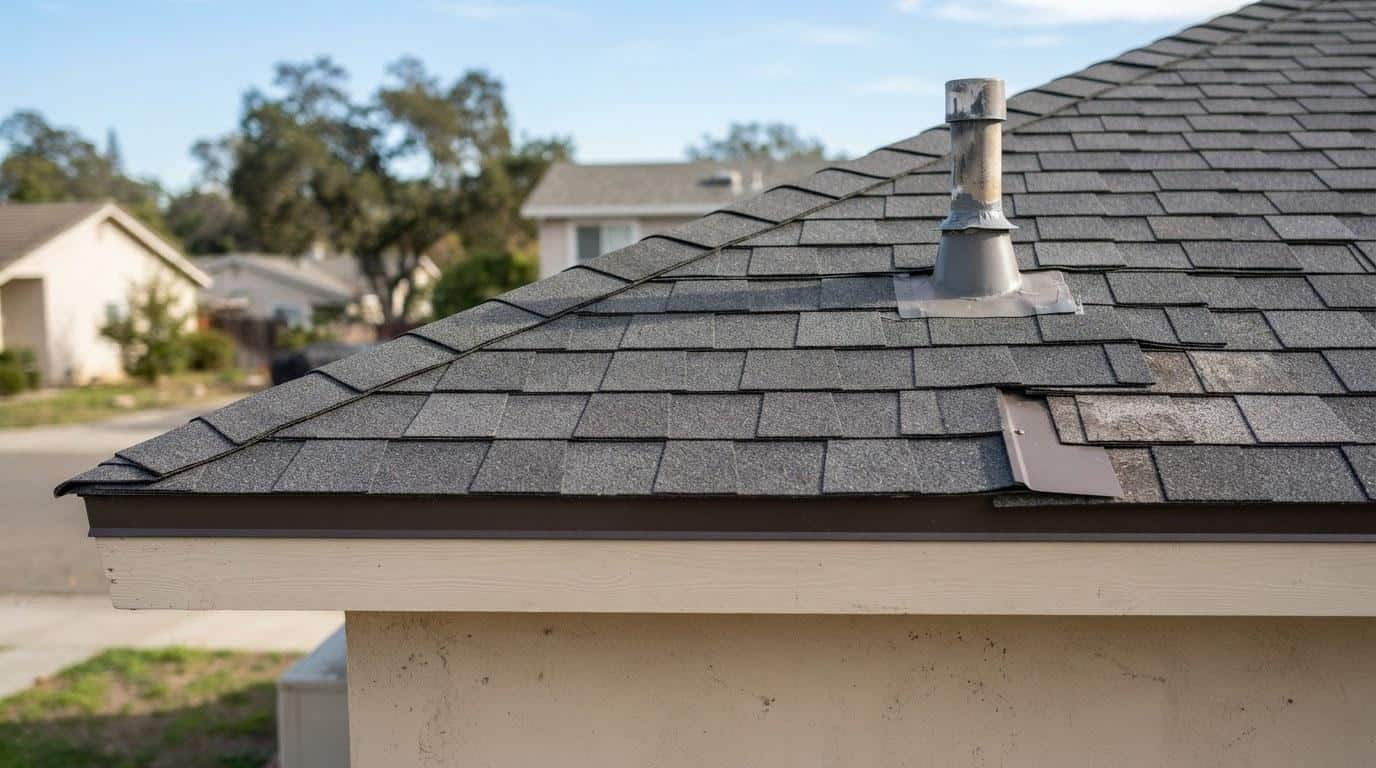
Shingle replacement means removing and replacing damaged or missing shingles in a specific area, leaving the rest of the roof intact. A full roof replacement tears off every layer down to the deck and installs a completely new roofing system. Both approaches solve real problems, but they serve very different situations and carry very different price tags.
Partial shingle work is sometimes called a “repair” or “patch,” but it can cover a surprisingly large area, up to several squares (one roofing square equals 100 square feet). A full replacement, by contrast, is a major construction project that typically takes one to three days for a standard residential home.
A third option exists for some homes: a roof overlay, where new shingles are installed directly over the old ones. California building codes generally allow a maximum of two layers of roofing material, so this option is only available if the existing roof has just one layer. Most roofing professionals advise against overlays because they hide the condition of the deck and add significant weight to the structure.
How Do You Know Which Option Your California Home Actually Needs?
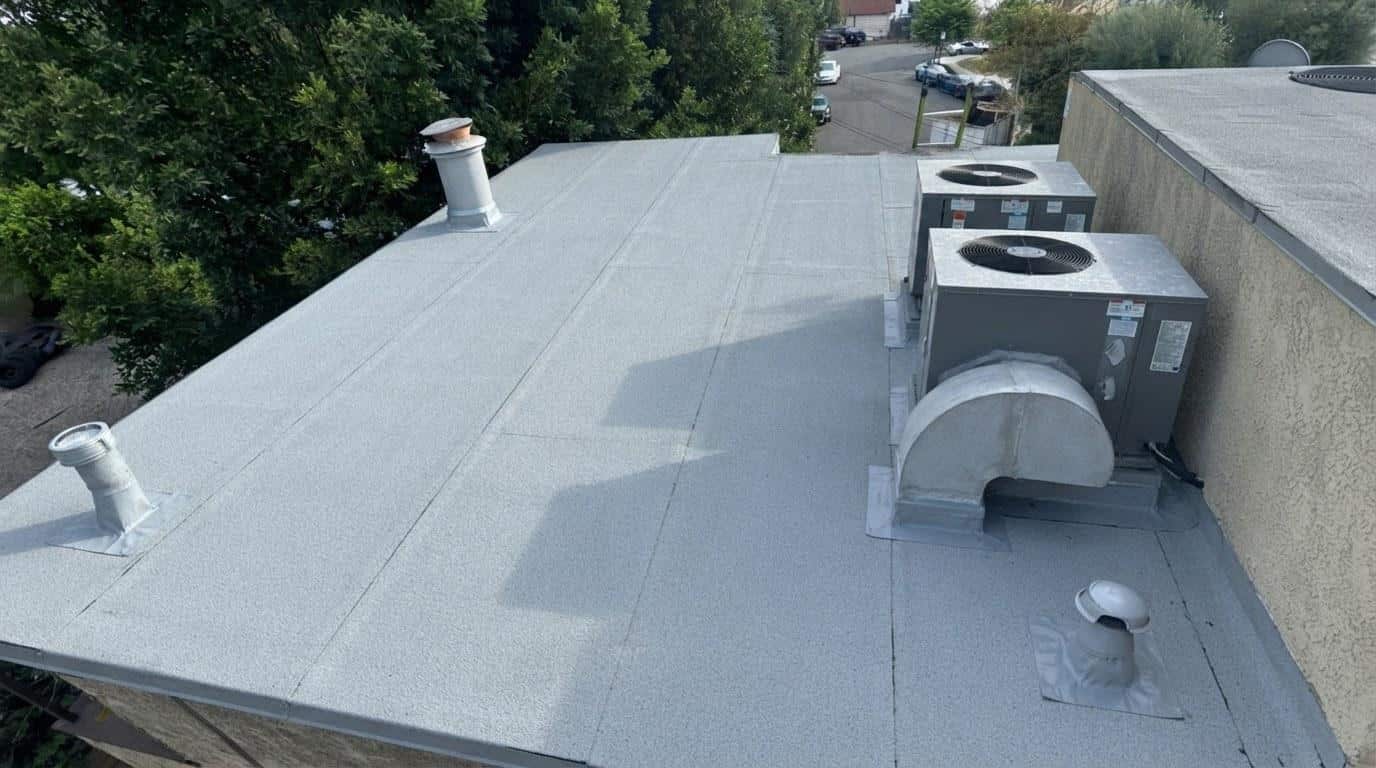
The two most reliable indicators are the age of your roof and the percentage of surface area that is damaged. If your roof is 20 years old or older, or if damage covers more than 25 to 30 percent of the total surface, a full replacement almost always delivers better long-term value.
Asphalt shingles in California typically carry a rated lifespan of 20 to 30 years, though intense UV exposure in inland valleys and desert-adjacent communities can shorten that to 15 to 20 years. Tile roofs, which are common throughout Southern California, can last 40 to 50 years, but the underlayment beneath the tiles often fails at the 20 to 25 year mark, making tile roof replacement of the underlayment a common mid-life repair.
Use this checklist to assess your situation before calling a roof repair specialist:
- Shingle age under 15 years: Partial replacement is usually cost-effective if damage is isolated.
- Granule loss in gutters: Heavy granule buildup signals widespread shingle wear, pointing toward full replacement.
- Multiple leak points: Two or more active leaks in different roof zones suggest systemic failure, not a localized problem.
- Sagging or soft spots: These indicate deck damage below the shingles, which requires full tear-off to address properly.
- Curling or cupping on more than one slope: This is a sign that the shingles have reached the end of their useful life across the whole roof.
- Failed roof certification: If an inspector cannot certify the roof for a home sale or insurance renewal, a full replacement is almost always required.
Our team has inspected roofs across Southern California where homeowners paid for repeated partial repairs over three to four years, spending a combined $6,000 to $9,000 before finally replacing the full roof, money that would have been better applied to the replacement from the start.
Shingle Replacement vs Full Roof Replacement California: A Cost Breakdown
In the California market, partial shingle replacement typically ranges from $300 to $1,500 for minor repairs and $1,500 to $5,000 for larger section work. Full roof replacements on a standard 1,500 to 2,500 square foot home generally range from $8,000 to $25,000, depending on materials, pitch, and access. These are regional market ranges, not quotes from any single contractor.
Several factors push costs toward the higher end of those ranges:
- Steep pitch: Roofs with a pitch steeper than 6:12 require additional safety equipment and slow the work down, adding 10 to 20 percent to labor costs.
- Material choice: Architectural asphalt shingles cost less than premium impact-resistant shingles, which in turn cost less than concrete tile or standing-seam metal.
- Deck condition: Rotted or damaged sheathing discovered during tear-off adds $2 to $5 per square foot in repair costs before new material goes down.
- Number of layers to remove: Tearing off two existing layers costs more than removing one.
- Permit fees: California counties and municipalities charge permit fees that vary widely, from around $150 to over $600 for a full replacement project.
| Factor | Partial Shingle Replacement | Full Roof Replacement |
|---|---|---|
| Typical CA market cost | $300 to $5,000 | $8,000 to $25,000+ |
| Project duration | 2 to 8 hours | 1 to 3 days |
| Permit typically required | Sometimes (varies by county) | Yes, in virtually all CA jurisdictions |
| Best for roofs aged | Under 15 to 18 years | Over 18 to 20 years, or heavily damaged |
| Addresses deck damage | Only in the repair zone | Entire deck inspected and repaired |
| Warranty on new material | Manufacturer warranty on replaced sections | Full manufacturer and workmanship warranty |
| Eligible for federal tax credit | Rarely | Yes, if qualifying energy-efficient materials are used |
Homeowners who install qualifying energy-efficient roofing materials during a full replacement may be eligible for the Inflation Reduction Act federal tax credit, which covers up to 30 percent of the cost of certain energy-efficient improvements. Always consult a tax professional to confirm eligibility for your specific project.
What California Climate and Code Rules Mean for Your Decision
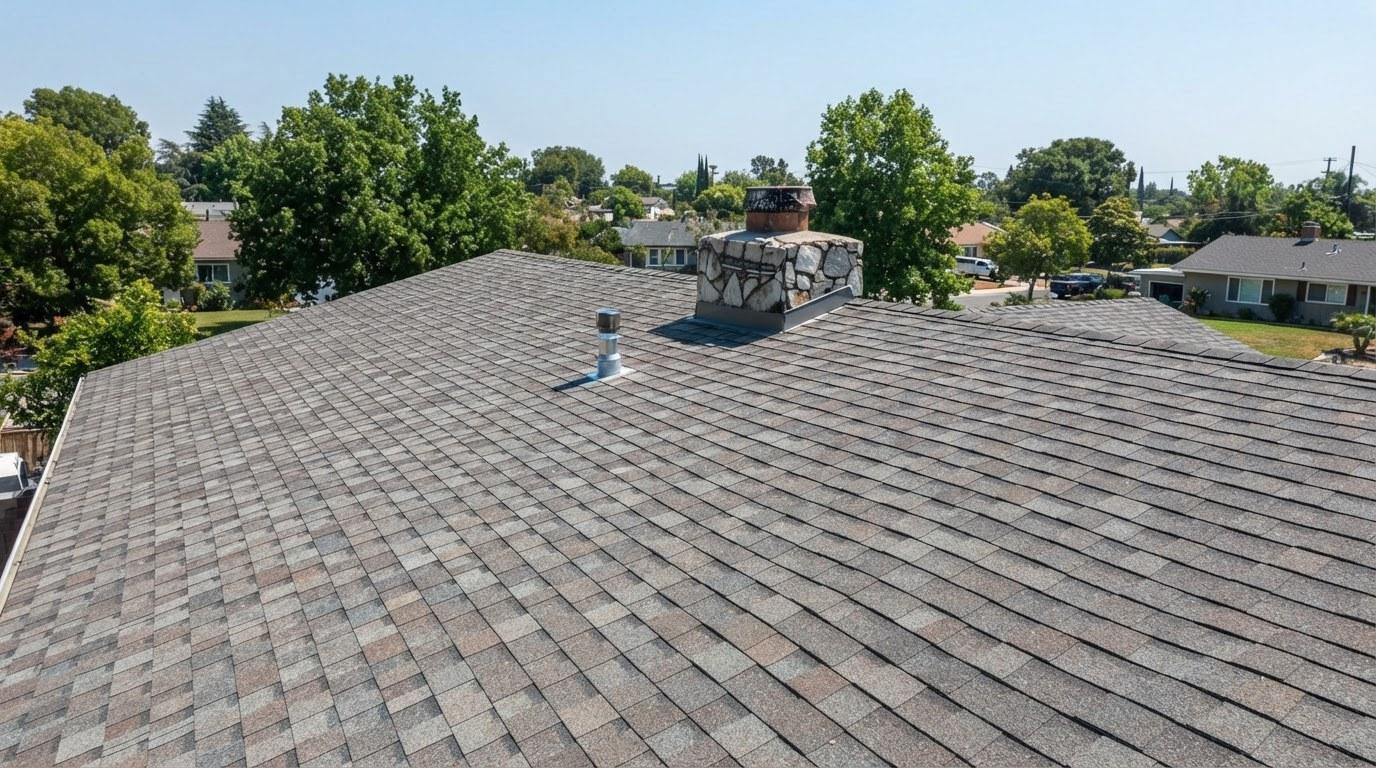
California’s climate varies dramatically from the coast to the Central Valley to the high desert, and those differences directly affect which roofing materials perform best and how long they last. A shingle that holds up well in the mild, marine-influenced climate of coastal communities may degrade significantly faster in areas that routinely see summer temperatures above 100 degrees Fahrenheit.
California’s Title 24 building energy standards require that roof replacements in most climate zones use cool-roof-rated materials, which reflect more solar energy than standard shingles. This rule applies to full replacements and, in many jurisdictions, to re-roofing projects that cover more than 50 percent of the roof surface. A partial shingle repair that stays under that threshold may not trigger the cool-roof requirement, which can affect your material options.
Wildfire risk is another California-specific factor. Communities in State Responsibility Areas (SRAs) or Very High Fire Hazard Severity Zones (VHFHSZs) are required to use Class A fire-rated roofing materials. If your current shingles are not Class A rated and you are in one of these zones, a full replacement gives you the opportunity to bring the entire roof into compliance. A partial repair using Class A materials in a non-compliant zone may satisfy the immediate code requirement but will not upgrade the rest of the roof.
Any roofing contractor you hire should be licensed by the California Contractors State License Board (CSLB). You can verify a contractor’s license number on the CSLB website before signing any contract. A valid CSLB license is not optional; unlicensed work can void your homeowner’s insurance and create liability issues if a worker is injured on your property.
What Are the Most Common Mistakes Homeowners Make When Choosing?
The single most common mistake is choosing partial replacement based on upfront cost alone, without accounting for the remaining lifespan of the surrounding shingles. If the rest of the roof has only three to five years of life left, the money spent on a patch is largely wasted.
Here are the other mistakes that come up most often:
- Skipping the deck inspection: Replacing shingles without pulling back a section to check the decking means hidden rot or moisture damage can continue spreading undetected.
- Mismatching shingles: Shingle colors and textures change over time. A patch installed today may not match shingles installed eight years ago, affecting curb appeal and resale value.
- Ignoring the underlayment: The felt or synthetic underlayment beneath the shingles is a critical moisture barrier. Partial repairs that do not address failing underlayment in the repair zone will leak again.
- Assuming insurance covers the full replacement: California homeowner policies vary widely. Many cover sudden, accidental damage but not wear-related deterioration. Get a written scope of coverage from your insurer before deciding.
- Hiring based on price alone: The lowest bid from a roofing company is often lowest because it excludes permit fees, proper disposal, or adequate flashing work. Compare bids line by line, not just the bottom number.
- Delaying too long after a storm: California’s rainy season runs roughly November through March. Waiting months to address storm damage allows water infiltration to spread from the sheathing into the attic insulation and ceiling framing.
What Does a Professional Roofing Inspection Actually Cover?
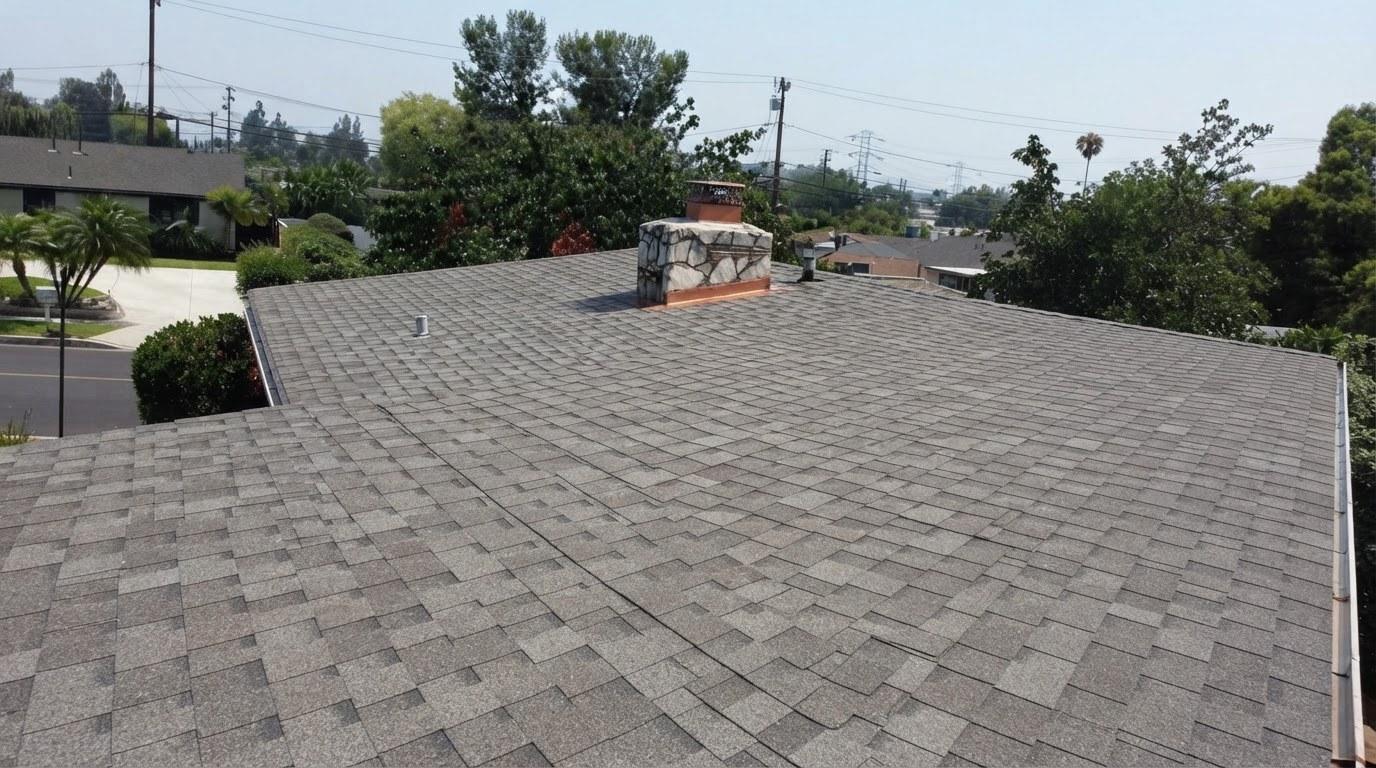
A thorough professional inspection examines the shingles, flashing, underlayment, decking, ridge cap, gutters, soffits, and ventilation system. It should result in a written report that identifies every deficiency and clearly recommends either repair or replacement with a justification for that recommendation.
A roof certification, which is a specific type of inspection report often required by insurance companies or buyers during a home sale, typically states that the roof has a minimum of two to five years of remaining useful life. If a roof cannot pass certification, the inspector will note the conditions that disqualify it, and those conditions almost always point toward full replacement rather than partial repair.
Across our service calls in Southern California, we find that roughly 6 in 10 roofs brought to us for a “repair quote” actually need full replacement once the deck is properly evaluated. The visible shingle damage is often just the surface symptom of a deeper moisture problem that has been developing for one to three years before the homeowner noticed it.
A professional inspection for a standard residential roof in California typically takes 45 minutes to 90 minutes on site. Some roofing contractors offer free inspections; others charge $150 to $350, which is often credited toward any work performed. ENERGY STAR has published guidelines on qualifying roofing products that inspectors and contractors use to recommend energy-efficient replacements when a full roof is needed.
The inspection should also note whether your attic has adequate ventilation. Poor ventilation is one of the leading causes of premature shingle failure in California’s hot inland climates. The U.S. Department of Energy recommends a minimum ventilation ratio of 1 square foot of net free area for every 150 square feet of attic floor space. If your ventilation is inadequate, fixing it at the time of a full replacement extends the life of the new roof significantly.
Frequently Asked Questions
How do I know if I need just shingle replacement or a full roof replacement?
If your roof is under 15 years old and damage is limited to less than 25 percent of the surface, partial shingle replacement is usually the better financial choice. If your roof is 20 years or older, has multiple leak points, or shows sagging or widespread granule loss, a full replacement will almost always cost less over time than repeated repairs. A licensed roofing contractor can give you a written assessment after inspecting the deck, underlayment, and flashing, not just the visible shingles.
How much does a full roof replacement cost in California?
In the California market, a full roof replacement on a typical 1,500 to 2,500 square foot home generally ranges from $8,000 to $25,000 or more, depending on materials, roof pitch, number of layers being removed, and local permit fees. Architectural asphalt shingles sit at the lower end; concrete tile, impact-resistant shingles, and metal roofing push costs higher. Request a written, itemized quote from a CSLB-licensed contractor before committing to any scope of work.
Can I just put new shingles over my old ones in California?
California building codes generally allow a maximum of two layers of roofing material, so an overlay is only possible if your current roof has a single layer. Most roofing professionals advise against overlays because they hide the deck's condition, add structural weight, and typically void the manufacturer's warranty on the new shingles. A full tear-off gives you a chance to inspect and repair the decking before the new roof goes on.
Does homeowner's insurance cover roof replacement in California?
Most California homeowner policies cover sudden, accidental damage from events like wind, hail, or falling trees, but they generally exclude damage caused by normal wear and aging. If your roof is old and deteriorating, the insurer may deny a full replacement claim or offer only actual cash value rather than replacement cost. Contact your insurance carrier and ask for a written explanation of your roof coverage before scheduling any work.
How long does a shingle roof last in California compared to a tile roof?
Standard three-tab asphalt shingles in California typically last 15 to 20 years in hot inland climates and up to 25 years in cooler coastal areas. Architectural shingles are rated for 25 to 30 years under similar conditions. Concrete and clay tile roofs can last 40 to 50 years, but the underlayment beneath the tiles often needs replacement at the 20 to 25 year mark, making tile roof replacement of the underlayment a common and necessary mid-life repair even when the tiles themselves look fine.
Related Articles




What Our Clients Say











Roof Replacement Inc. offers professional, high-quality work, guaranteed (call for details); ensuring all clients projects meet all code and design requirements. We are dedicated to exceptional customer service and will strive to ensure you with the highest quality roofing services. Roof Replacement Inc. offers lifetime warranty (call for details) on all of our workmanship to ensure the quality of our work. With over 40 years of combined experience within the roofing and construction industry, Roof Replacement Inc. has grown and developed in all areas of roofing construction, including roof inspections. As a leading residential and commercial roofing company in LA, we have hundreds of references from previous clients, so rest assured, that your roofing job will be done right the first time. Replacing an old roof can help add curb appeal and will increase the perceived value of your home. First impressions are vital when selling your home, especially when your roof takes up more than half of the exterior of your residence or business. Not only is the return of investment on a new roof attractive for potential buyers, but can be as beneficial as remodeling the kitchen or bathrooms within your residence.

