

Finding a trustworthy roofer in California takes more than a quick internet search. This guide walks you through every step, from checking CSLB licenses to reading contracts, so you hire with confidence.
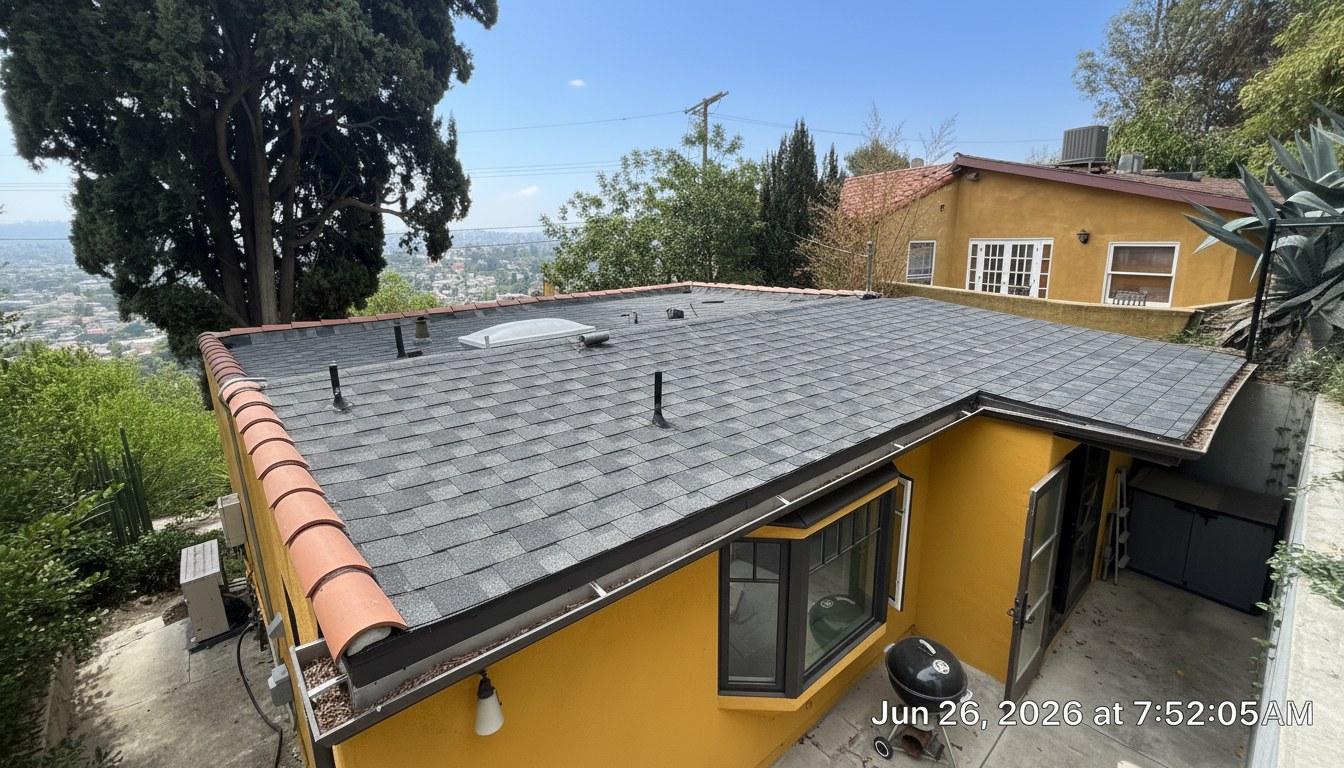
A reliable roofing contractor in California holds an active license issued by the California Contractors State License Board (CSLB), carries proof of insurance, and puts every detail of the job in writing before work starts. This reliable roofing contractor California guide was built for homeowners searching for roofing companies in California who want to move past the guesswork and make a confident, well-informed hire. Whether you need a full replacement or a targeted repair, the steps below apply statewide.
What Makes a Roofing Contractor Reliable in California?
Reliability comes down to three things: proper licensing, adequate insurance, and a track record of completed work you can verify independently. In California, roofing falls under the C-39 Roofing contractor classification. Any company performing roofing work for a fee above $500 in labor and materials combined must hold a current C-39 license issued by the California Contractors State License Board (CSLB).
Any company performing roofing work for a fee above $500 in labor and materials combined must hold a current C-39 license issued by the California Contractors State License Board.
Beyond the license, a dependable roofer carries two types of insurance: general liability (which covers property damage) and workers’ compensation (which covers injuries on your property). Ask for certificates of insurance naming you as an additional insured before any crew sets foot on your roof.
A strong local reputation matters too. Look for contractors with verifiable reviews on multiple platforms, references from jobs completed in the past 12 months, and a physical business address. Storm-chasing contractors who appear after a major weather event and pressure you to sign the same day are rarely the reliable choice.
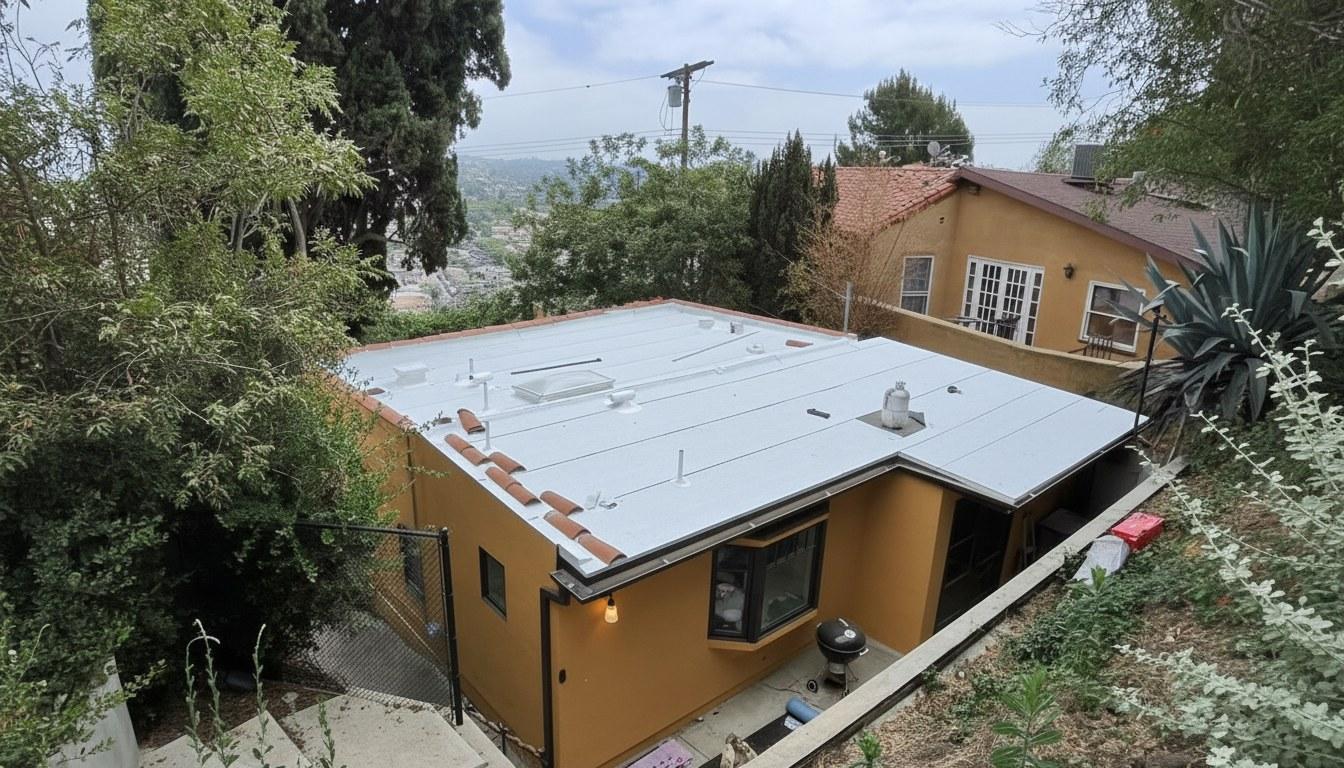
How Do You Verify a Roofer’s License and Insurance in California?
You can check any contractor’s license status in under two minutes at the CSLB’s online license check tool at cslb.ca.gov, which shows whether the license is active, the classification held, and any disciplinary actions on record. This step costs nothing and eliminates the single biggest source of roofing fraud in the state.
When you search, confirm all of the following:
- License classification: It should read C-39 for roofing work specifically.
- License status: Must show “Active,” not “Expired” or “Suspended.”
- Bond amount: California requires a minimum $25,000 contractor bond as of 2026.
- Workers’ compensation: The CSLB record will note whether the contractor has an active workers’ comp policy or a valid exemption.
- Disciplinary history: Any citations, suspensions, or consumer complaints appear here.
For insurance, ask the contractor’s agent to email a current certificate of insurance directly to you. Do not accept a certificate handed to you by the contractor, since those can be altered. Verify that the general liability limit is at least $1,000,000 per occurrence.
Our team reviews contractor credentials on behalf of homeowners regularly. Across our service calls in Southern California, we find that roughly 1 in 5 bids homeowners receive comes from a contractor whose CSLB license is either expired or misclassified for roofing work.
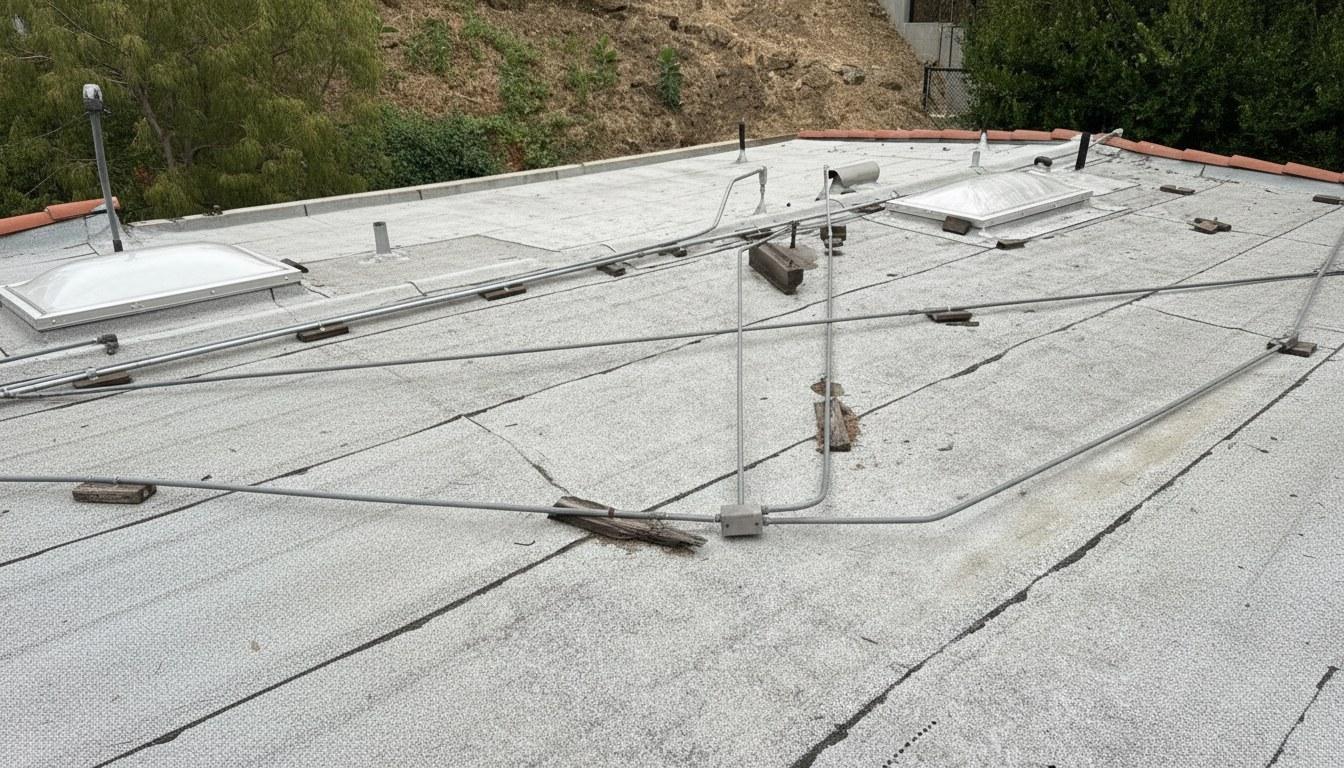
What Does Roof Replacement Cost in California?
Roof replacement in California typically ranges from $8,000 to $25,000 for a standard single-family home, with the median falling around $12,000 to $16,000 depending on roof size, pitch, material, and regional labor costs. High-fire-hazard zones, which cover large portions of Los Angeles County, San Diego County, and the Sierra Nevada foothills, often add 10 to 20 percent to material costs because California’s Office of the State Fire Marshal requires Class A fire-rated roofing assemblies in those areas.
The table below shows typical installed cost ranges by material type for an average 2,000-square-foot roof in the California market:
| Roofing Material | Typical Installed Cost Range | Estimated Lifespan | Fire Rating (Common) |
|---|---|---|---|
| 3-Tab Asphalt Shingle | $8,000 to $12,000 | 15 to 20 years | Class A |
| Architectural Asphalt Shingle | $10,000 to $16,000 | 25 to 30 years | Class A |
| Concrete or Clay Tile | $16,000 to $28,000 | 40 to 50 years | Class A |
| Metal (Standing Seam) | $18,000 to $30,000 | 40 to 60 years | Class A |
| Flat/Low-Slope TPO or Modified Bitumen | $7,000 to $14,000 | 15 to 25 years | Class A or B |
Several factors push costs toward the higher end of any range:
- Steep pitch: Roofs steeper than a 6:12 pitch require safety equipment and slower installation, adding 15 to 25 percent to labor.
- Tear-off layers: California building codes generally limit a roof to two layers of shingles. A second tear-off adds $1,000 to $3,000 to the project.
- Decking repairs: Rotted or damaged plywood decking is replaced at $2 to $5 per square foot, on top of the base contract price.
- Permit fees: Most California jurisdictions require a roofing permit. Fees vary by county but typically run $150 to $500.
- ENERGY STAR materials: Cool-roof products that meet California’s Title 24 building energy standards may cost 5 to 10 percent more but can qualify for utility rebates through programs like TECH Clean California.
For an accurate number on your specific project, request a custom quote from a licensed contractor who will physically inspect your roof before pricing it.
How Do You Compare Roofing Bids the Right Way?
Get at least three written bids and compare them line by line, not just by the bottom number. A bid that is $3,000 lower than the others is worth scrutiny, not celebration, until you understand exactly what it leaves out.
A complete roofing bid should spell out all of the following in writing:
- Scope of work: Number of layers being removed, square footage being replaced, and any areas excluded.
- Materials specified: Manufacturer name, product line, and weight or thickness of shingles or membrane.
- Underlayment type: Synthetic or felt, and whether ice-and-water shield is included at eaves and valleys.
- Flashing: Whether existing flashing is reused or replaced, and the material (galvanized steel vs. aluminum).
- Ventilation: Ridge vents, soffit vents, or power ventilators being installed or replaced.
- Warranty terms: Separate manufacturer warranty (typically 25 to 50 years on premium shingles) and contractor workmanship warranty (typically 2 to 10 years).
- Payment schedule: A reasonable schedule is 10 to 30 percent upfront, with the balance due after completion and inspection. Never pay more than 10 percent or $1,000 upfront, whichever is less, before work begins, per California Business and Professions Code.
- Permit responsibility: The contract should state which party pulls the permit. A licensed contractor should always pull it in their name.
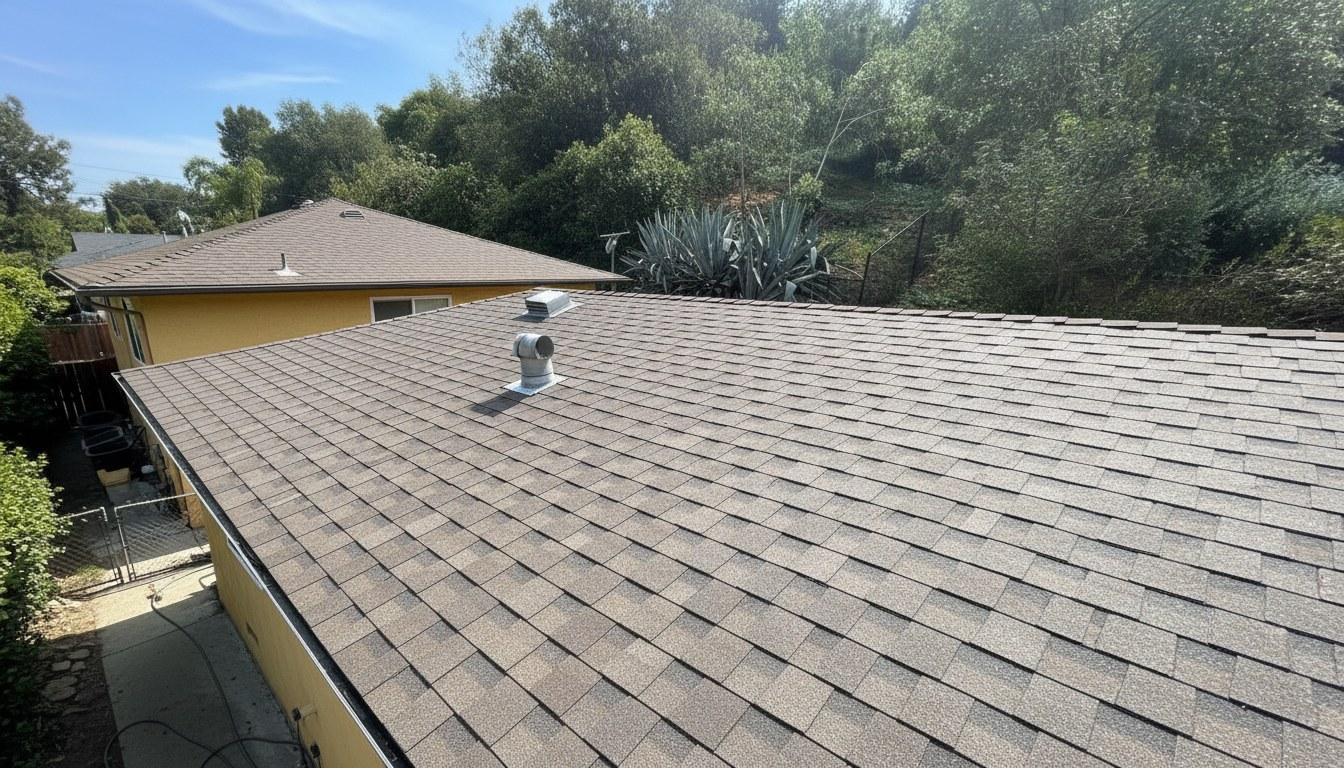
What Red Flags Should You Watch for When Hiring Roofing Companies?
The most common warning signs that a roofing contractor is unreliable are pressure to sign immediately, a request for full payment upfront, and an unwillingness to provide a written contract. These patterns appear across California every year, especially after windstorms, hail events, and wildfires bring out unlicensed operators.
Watch for these specific warning signs:
- Door-to-door solicitation after a storm: Legitimate roofing companies in California do not typically canvas neighborhoods the day after a weather event.
- No physical address: A contractor operating from a P.O. box or with only a cell phone number is harder to track down if problems arise.
- Unusually low bid: If one bid is 30 percent or more below the others, the contractor may be planning to cut corners on materials, skip permits, or use unlicensed labor.
- Verbal-only agreements: California law requires written contracts for home improvement projects over $500. Insist on it.
- Pressure to file an insurance claim for you: Contractors who offer to “handle” your insurance claim or waive your deductible in exchange for the job may be engaging in insurance fraud.
- No mention of a permit: Any reroofing project in California requires a permit. A contractor who says permits are unnecessary is either uninformed or trying to avoid inspection.
- Asking you to sign over your insurance benefits: Assignment of Benefits agreements have been linked to inflated claims and legal disputes across the state.
A roof certification, sometimes called a roof inspection certificate, is a separate document some buyers and lenders require. It is issued by a licensed contractor or inspector and states the roof’s estimated remaining life. If a contractor offers a roof certification without physically inspecting the roof, that is a red flag on its own.
What Does a Professional Roof Replacement Actually Include?
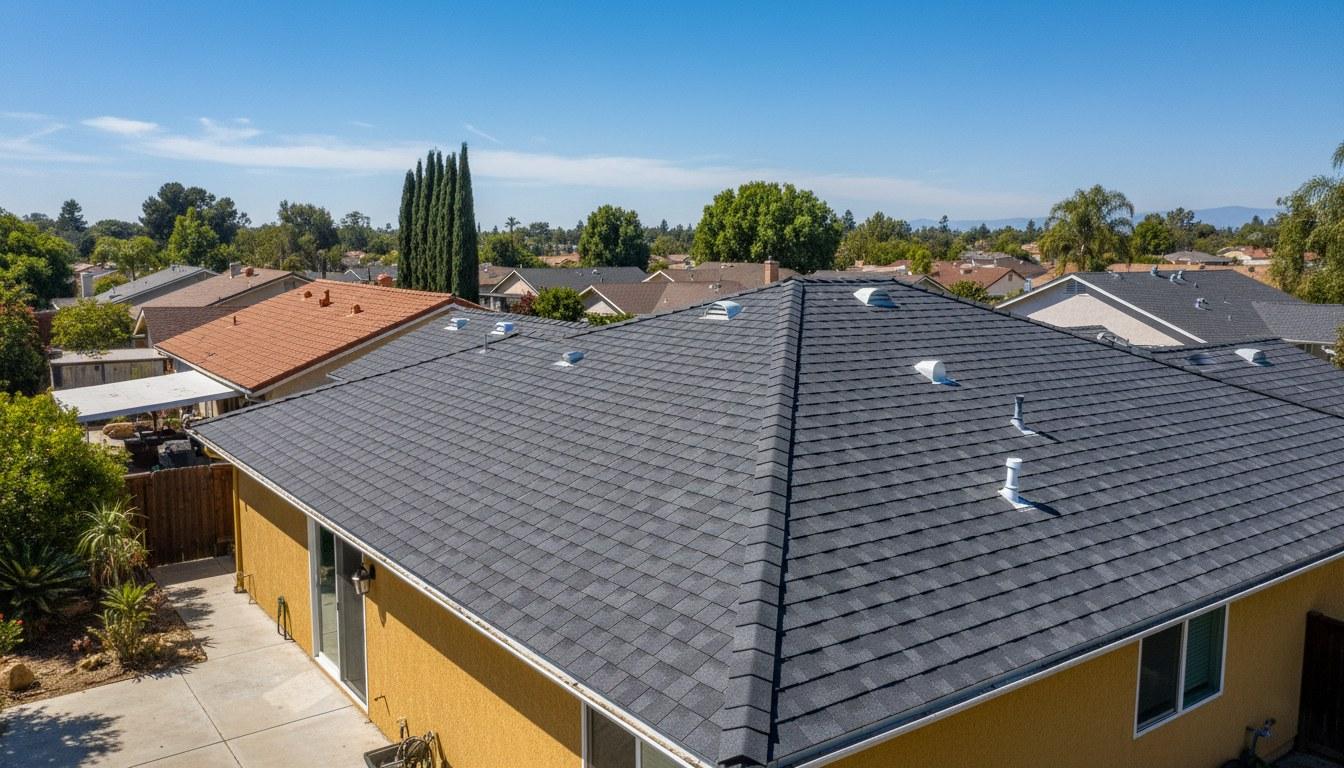
A properly executed roof replacement is a multi-day process that includes tear-off, deck inspection, underlayment installation, new roofing material, flashing, ridge caps, and a final permit inspection. Homeowners who understand the steps are better equipped to hold their contractor accountable at each stage.
Here is the typical sequence for a full replacement:
- Pre-job inspection and permit pull: The contractor inspects the deck, measures the roof, and pulls the required permit from your local building department before any material is ordered.
- Tear-off: Old roofing material is stripped to the decking. Debris is loaded into a dumpster or trailer placed in the driveway, not left on your lawn.
- Deck inspection and repair: Every sheet of plywood or OSB is inspected for rot, soft spots, or structural damage. Damaged sections are replaced before any new material goes down.
- Underlayment installation: Synthetic underlayment or felt paper is installed over the entire deck. Ice-and-water shield is applied at eaves, valleys, and around penetrations.
- Flashing installation: Step flashing, drip edge, and valley flashing are installed or replaced. This is one of the most leak-prone areas on any roof and should never be skipped.
- New roofing material installation: Shingles, tile, metal panels, or membrane are installed according to the manufacturer’s specifications to preserve the product warranty.
- Ridge cap and ventilation: Ridge caps are installed at the peak. Ridge vents or other ventilation components are added or verified to meet California’s Title 24 ventilation requirements.
- Cleanup and final inspection: The crew removes all debris, runs a magnet over the yard for nails, and the local building inspector signs off on the permit.
We see the most callbacks on projects where flashing was reused rather than replaced. On jobs we complete across Southern California, replacing all flashing rather than just the damaged sections reduces leak-related callbacks by a significant margin in the first three years after installation.
The ENERGY STAR program certifies roofing products that reflect more sunlight and reduce attic heat gain. Choosing an ENERGY STAR-rated shingle or membrane can lower cooling costs and may qualify for utility rebates in many California service territories.
Ready to Get a Reliable Roof Replacement Estimate?
Schedule your free roof inspection and written estimate today. Roof Replacement Inc serves homeowners across Southern California with licensed, insured roof replacement and repair services. Every project starts with a physical inspection, a line-item written bid, and a clear explanation of what your roof needs and why.
Use this reliable roofing contractor California guide as your checklist before signing anything. If you have questions about a bid you have already received, or if you want a second opinion from a licensed contractor, call Roof Replacement Inc at (213) 364-3979. A written quote costs nothing, and it gives you the information you need to make a confident decision.
Explore our full range of roofing services across Southern California.
Frequently Asked Questions
How much does it usually cost to replace a roof in California?
Roof replacement in California typically costs between $8,000 and $25,000 for a standard single-family home. The final price depends on the roof's size and pitch, the material chosen, the number of layers being torn off, and whether any decking needs repair. Getting three written bids from licensed contractors gives you the most accurate picture for your specific home.
How often does a roof need to be replaced?
Most asphalt shingle roofs last 20 to 30 years under normal California conditions, while concrete or clay tile roofs can last 40 to 50 years. Exposure to intense UV, coastal salt air, or wildfire ember damage can shorten that lifespan noticeably. A licensed contractor can inspect your roof and give you an honest estimate of how many years remain.
What license should a roofing contractor in California have?
California roofing contractors must hold a C-39 Roofing classification issued by the California Contractors State License Board (CSLB). You can verify any contractor's license status for free at cslb.ca.gov in under two minutes. Never hire a roofer who cannot provide an active C-39 license number.
Is a roofing permit required in California?
Yes, virtually all reroofing projects in California require a permit from the local building department. The permit triggers an inspection that confirms the work meets California's building code and Title 24 energy standards. A contractor who tells you a permit is not needed is either mistaken or trying to avoid oversight.
How do I know if a roofing bid is fair or too low?
Compare bids line by line rather than just looking at the total. A bid that is 30 percent or more below the others often signals that the contractor is using cheaper materials, skipping underlayment or flashing, or planning to avoid pulling a permit. Ask any low bidder to explain in writing exactly what their price includes and excludes before you decide.
Related Articles




What Our Clients Say











Roof Replacement Inc. offers professional, high-quality work, guaranteed (call for details); ensuring all clients projects meet all code and design requirements. We are dedicated to exceptional customer service and will strive to ensure you with the highest quality roofing services. Roof Replacement Inc. offers lifetime warranty (call for details) on all of our workmanship to ensure the quality of our work. With over 40 years of combined experience within the roofing and construction industry, Roof Replacement Inc. has grown and developed in all areas of roofing construction, including roof inspections. As a leading residential and commercial roofing company in LA, we have hundreds of references from previous clients, so rest assured, that your roofing job will be done right the first time. Replacing an old roof can help add curb appeal and will increase the perceived value of your home. First impressions are vital when selling your home, especially when your roof takes up more than half of the exterior of your residence or business. Not only is the return of investment on a new roof attractive for potential buyers, but can be as beneficial as remodeling the kitchen or bathrooms within your residence.

