A roof inspection checks every layer of your roof for damage, wear, and code issues before small problems become expensive ones. Learn what to expect and when to book one.
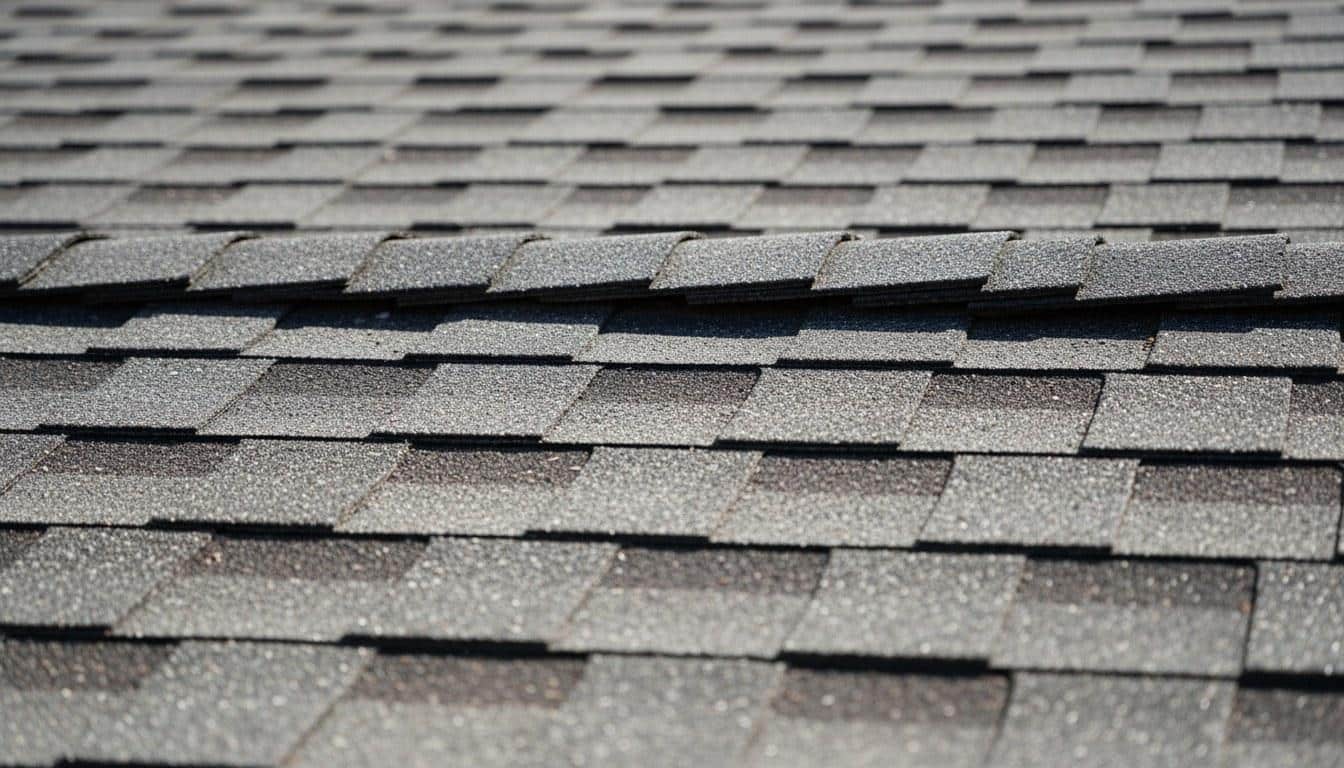
What Does a Roof Inspection Actually Cover?
A roof inspection is a systematic evaluation of every component of your roofing system — from the surface shingles down to the decking, flashing, gutters, and attic ventilation. A thorough inspection identifies current damage, signs of aging, and conditions that could lead to leaks or structural failure. Most homeowners are surprised by how many separate systems a roofer checks in a single visit.
Inspectors look at both the exterior and interior of the roofing system. On the outside, they examine the field of the roof, the edges, and every penetration point. On the inside, they check the attic for moisture, daylight gaps, and ventilation performance.
Here is what a complete inspection typically covers:
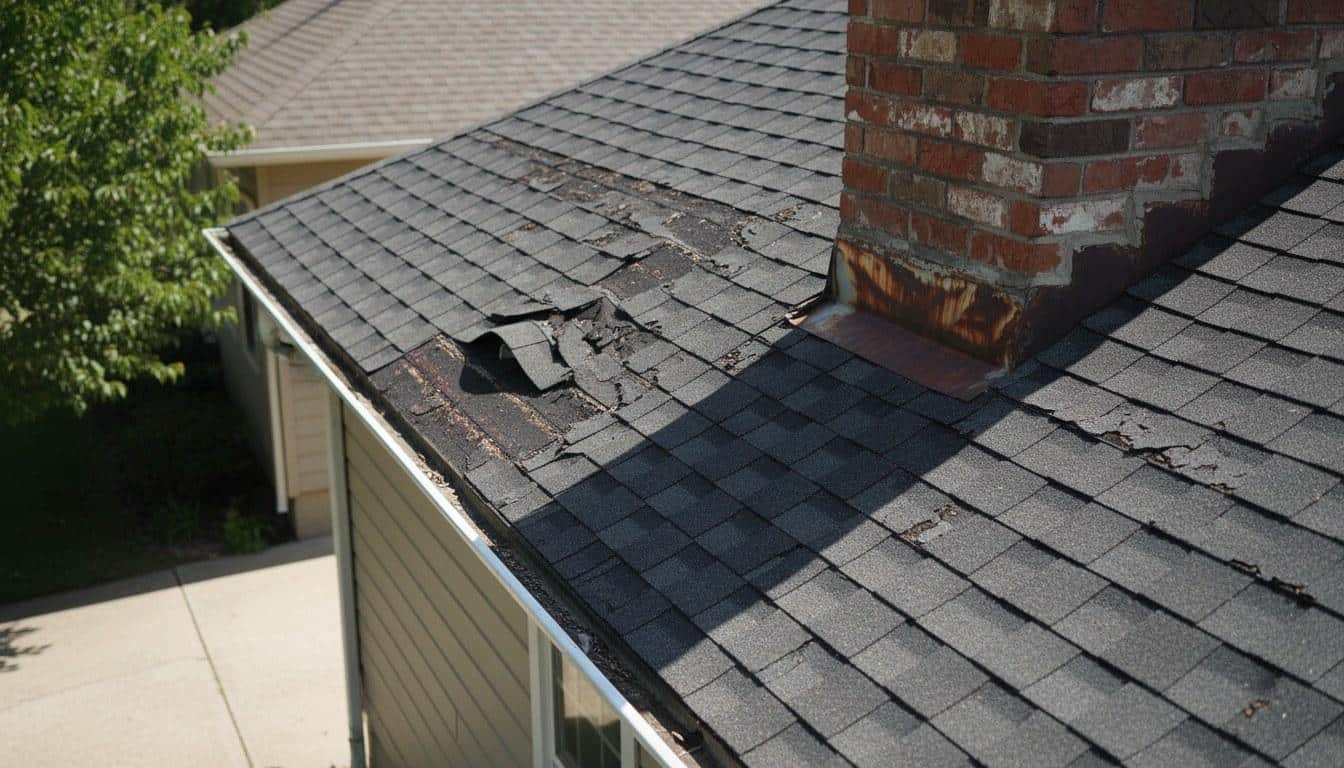
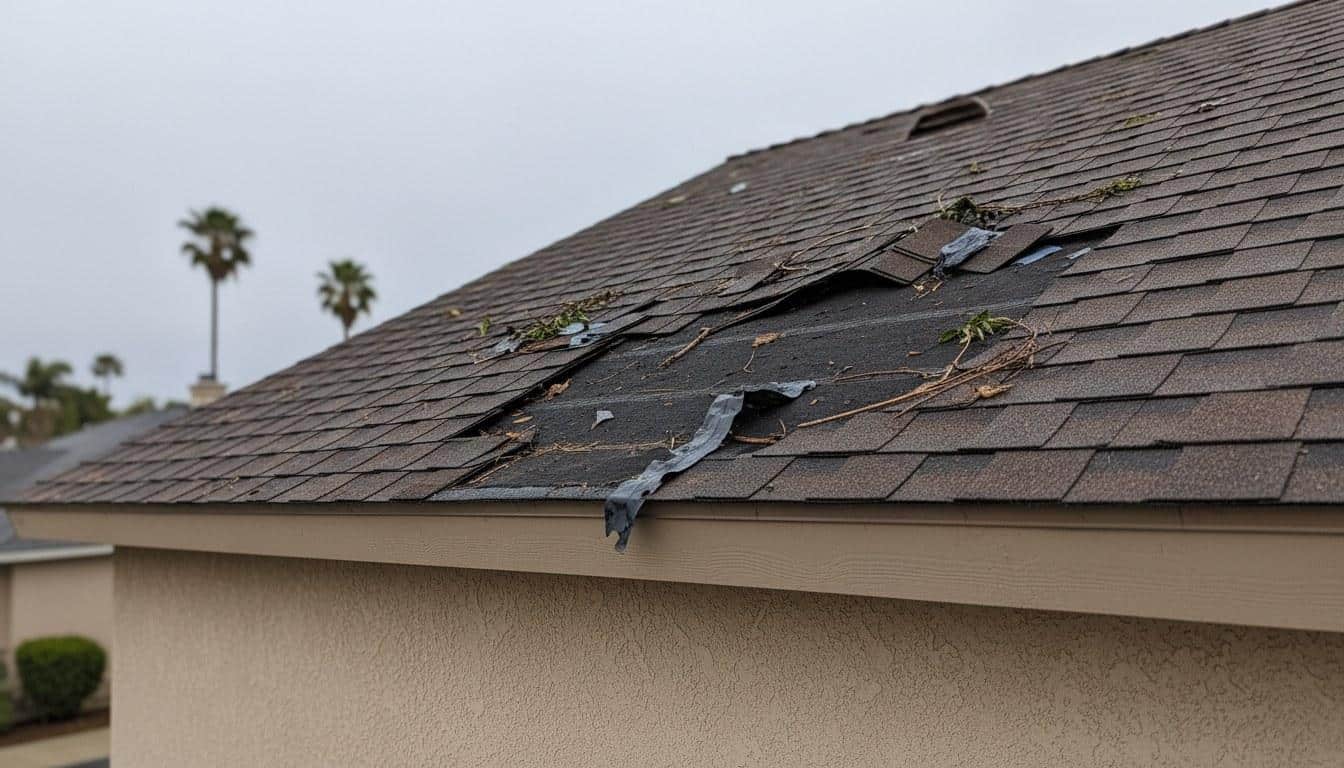
- Shingles or roofing surface: Missing, cracked, curling, or blistering shingles that signal UV damage or age-related wear.
- Flashing: Metal strips around chimneys, skylights, vents, and valleys that seal the roof’s most leak-prone joints.
- Gutters and downspouts: Blockages, sagging sections, or improper slope that cause water to pool against the fascia.
- Roof decking: Soft spots, rot, or delamination in the plywood or OSB layer beneath the surface material.
- Attic ventilation: Adequate airflow to prevent heat and moisture buildup that shortens shingle life by 3 to 5 years.
- Soffits and fascia: Wood or composite trim that protects the roof edge from moisture intrusion.
- Pipe boots and vent collars: Rubber seals around plumbing stacks that crack and shrink in California’s heat cycles.
Roof inspections are also the starting point for a roof certification, which is often required by lenders or insurance carriers when a home is sold or refinanced. A certification confirms the roof has a defined remaining useful life, typically 2 to 5 years at minimum.
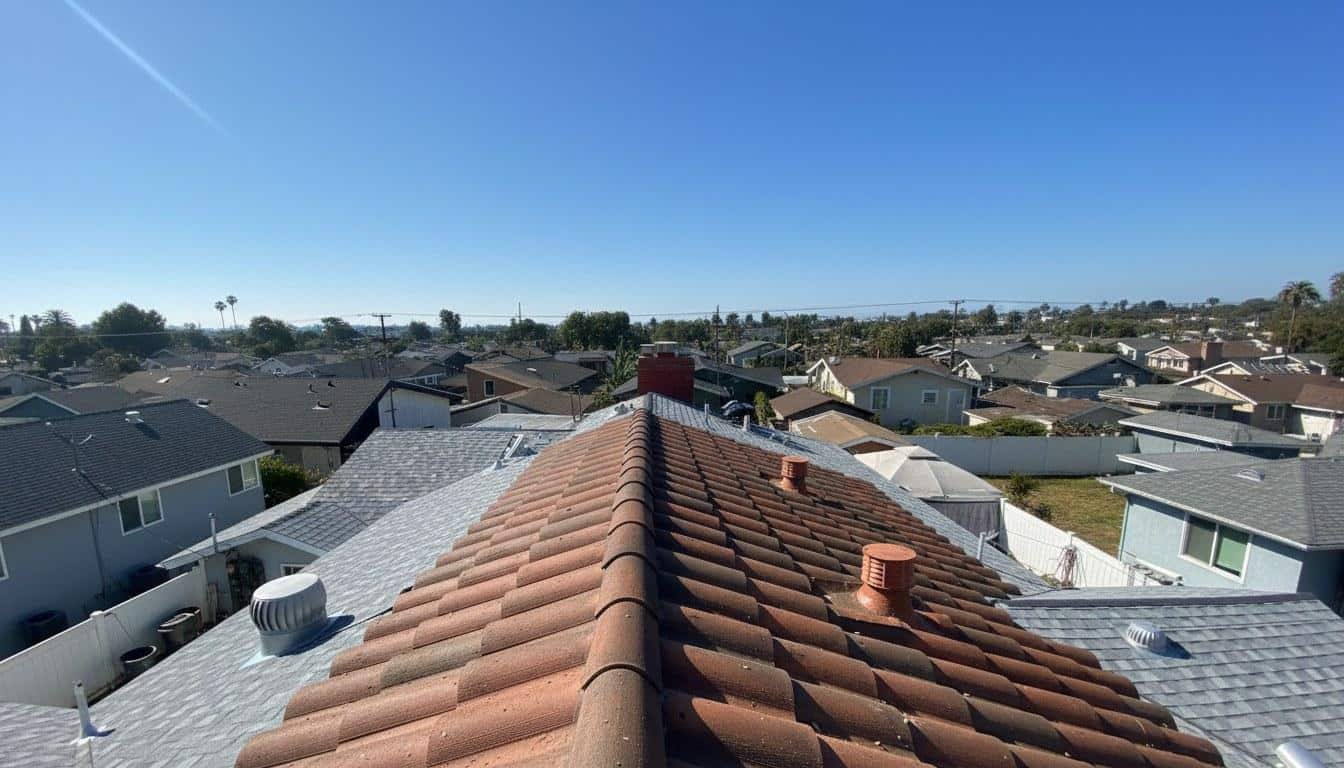
Roof Inspection: What to Expect Step by Step
Knowing roof inspection what to expect helps you prepare your home and understand the results. A standard residential inspection follows a clear sequence that usually takes 45 minutes to 2 hours depending on roof size, pitch, and complexity. Multi-story homes or roofs with many penetrations take longer.
- Initial walkthrough: The inspector reviews the home’s age, roof material, and any known concerns with the homeowner before climbing up.
- Ground-level assessment: The inspector circles the home on foot, looking for visible sagging, missing shingles, damaged fascia, and gutter condition from the ground.
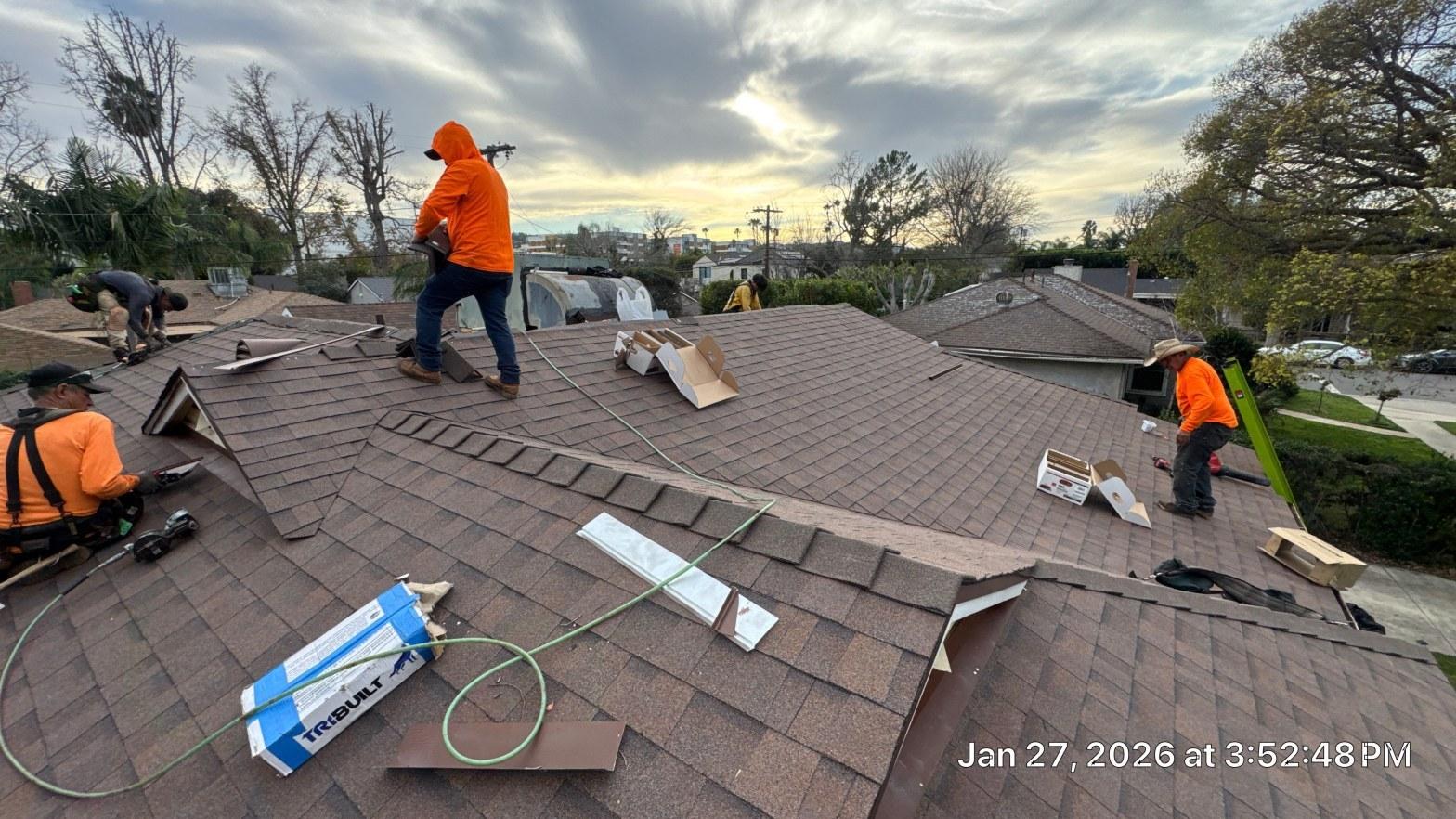
- Roof surface inspection: The inspector walks the roof (or uses a drone on steep-pitch roofs) to examine every field section, ridge, hip, and valley up close.
- Flashing and penetration check: Every chimney, skylight, pipe boot, and vent collar is checked for gaps, rust, or sealant failure.
- Attic inspection: The inspector enters the attic to look for daylight through the decking, moisture staining, mold, and insulation displacement caused by poor ventilation.
- Documentation: The inspector photographs all findings and notes the location, severity, and recommended action for each issue.
- Review with the homeowner: Results are explained in plain language, with a written report delivered the same day or within 24 hours.
Our team inspects roughly 15 to 20 roofs per week across Southern California, and we find that attic ventilation problems are present in about 6 out of 10 homes we visit — most homeowners have no idea until we show them the moisture staining on the decking.
Attic ventilation problems are present in about 6 out of 10 homes we inspect — most homeowners have no idea until we show them the moisture staining on the decking.
After the inspection, you receive a written report. If you are pursuing a roof certification for a real estate transaction, the inspector will also complete the required documentation for your lender or insurer. Licensed by the California Contractors State License Board (CSLB), qualified roofing contractors are authorized to issue these certifications in California.
What Are the Different Types of Roof Inspections?
There are four main types of roof inspections, and the right one depends on your goal — routine maintenance, a real estate transaction, storm damage assessment, or insurance documentation. Each has a different scope and deliverable.
| Inspection Type | Best For | Typical Duration | Key Deliverable |
|---|---|---|---|
| Annual Maintenance Inspection | Homeowners doing routine upkeep | 45 – 90 minutes | Written condition report |
| Pre-Sale / Roof Certification | Sellers, buyers, lenders, insurers | 60 – 120 minutes | Certification document + report |
| Storm Damage Inspection | After wind, hail, or heavy rain events | 60 – 90 minutes | Insurance-ready damage report |
| Drone / Infrared Inspection | Steep-pitch or high-access roofs | 30 – 60 minutes | Photo/thermal imaging report |
Drone inspections have become more common since California insurers began requiring photographic documentation for claims after 2022. Infrared thermal imaging adds another layer of accuracy by detecting moisture trapped beneath the surface that is invisible to the naked eye.
For most residential roofing situations, an annual maintenance inspection is the right starting point. It gives you a clear picture of where your roof stands without the cost or complexity of a specialized assessment.
How Much Does a Roof Inspection Cost in California?
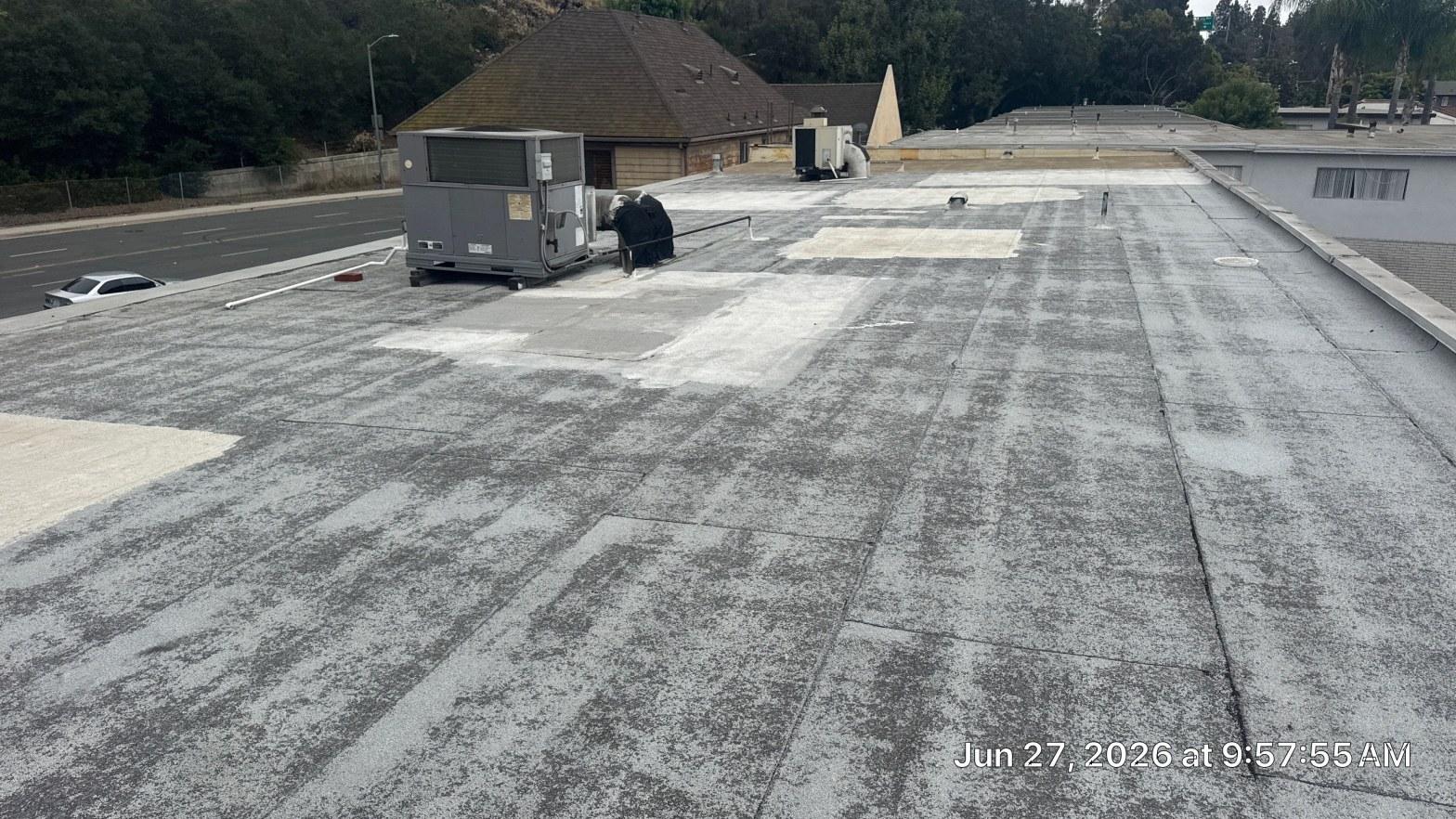
In the California market, a standard residential roof inspection typically ranges from $150 to $400, depending on roof size, pitch, and inspection method. Drone or infrared inspections generally fall at the higher end of that range. Some roofing contractors offer free inspections when the homeowner is also requesting a repair or replacement estimate.
Several factors move the cost within that range:
- Roof square footage: Larger roofs take more time to walk and document thoroughly.
- Pitch and accessibility: Steep roofs above a 6:12 pitch require safety equipment and slow the inspector down.
- Number of penetrations: Each chimney, skylight, or vent adds inspection time.
- Inspection method: Standard walk-on inspections cost less than drone or infrared thermal imaging.
- Report format: A basic verbal summary costs less than a full written report with photos, which is what lenders and insurers require.
If you are buying or selling a home, the inspection cost is almost always worth it. A missed roof defect can cost $5,000 to $25,000 or more to repair after closing, depending on scope. The Inflation Reduction Act federal tax credit also applies to qualifying energy-efficient roofing upgrades identified during an inspection, which can offset part of the improvement cost for eligible homeowners.
A missed roof defect can cost $5,000 to $25,000 or more to repair after closing, depending on scope.
Always request a custom quote before scheduling. Pricing varies by contractor, scope, and current demand. Call (213) 364-3979 to get a quote from Roof Replacement Inc.
Why Is Summer the Right Time to Inspect Your Roof?
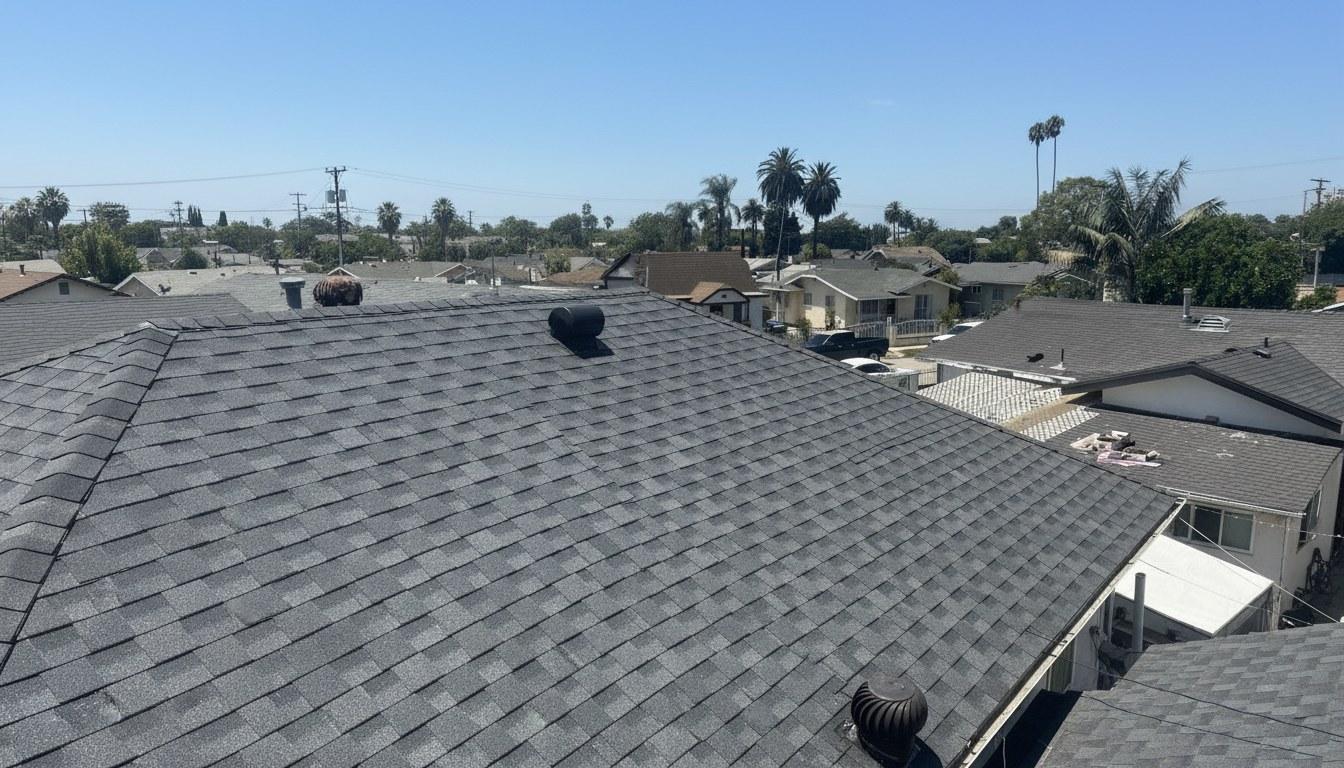
Summer is one of the best times to schedule a roof inspection in California because heat and UV exposure are the leading causes of roofing material degradation, and catching damage before the fall rain season prevents interior water damage. Asphalt shingles exposed to temperatures above 150°F on the surface — common on California rooftops in July and August — lose their protective granules faster and become brittle.
According to NOAA climate data, much of Southern California averages 280 to 300 sunny days per year, meaning roofing materials absorb UV radiation at a rate that shortens their rated lifespan by 10 to 20 percent compared to cooler climates. An inspection in June or July gives you the full summer to complete repairs before the first fall storms arrive.
Summer inspections are also practical because dry conditions allow inspectors to safely walk the full roof surface. Wet roofs limit what an inspector can physically access, reducing the accuracy of the assessment.
Here are the top warning signs that mean you should not wait for a scheduled inspection:
- Shingles that are curling, cupping, or visibly missing from the ground
- Dark water stains on interior ceilings or walls after any rain
- Granules collecting in gutters or at the base of downspouts
- Daylight visible through the attic when you look up
- A roof that is 15 years or older and has never been professionally inspected
- Moss or algae growth, which traps moisture against the shingle surface
California’s Title 24 building energy standards also set requirements for roofing materials used in replacements, including minimum solar reflectance values. An inspection can confirm whether your current roof meets those standards or whether an upgrade would qualify for available rebates.
What Happens After the Inspection — Repairs or Replacement?
After a roof inspection, the contractor will recommend one of three paths: minor repairs, a partial re-roof, or a full replacement. The right choice depends on the age of the roof, the extent of the damage, and the remaining useful life of the existing materials. A good inspector will give you an honest assessment rather than defaulting to the most expensive option.
Here is how inspectors generally think about the repair-versus-replace decision:
| Roof Condition | Typical Recommendation | Estimated Remaining Life |
|---|---|---|
| Isolated damage, good overall condition | Spot repairs | 8 – 15 years remaining |
| Widespread granule loss, multiple problem areas | Partial or full re-roof | 3 – 7 years remaining |
| Decking damage, structural issues, or age beyond 20 years | Full replacement | Under 3 years remaining |
Roofing repairs for isolated issues — a failed pipe boot, a section of lifted flashing, or a small area of missing shingles — are far less expensive than a full replacement and can extend a roof’s life by several years when caught early. Projects in this category typically range from $300 to $1,500 in this market, depending on scope and materials.
Full residential roofing replacements in California typically range from $8,000 to $25,000 or more, depending on roof size, pitch, material choice, and whether decking repair is needed. Complexity factors like multiple roof planes, skylights, and solar panel removal and reinstallation move costs toward the higher end.
Across the inspections our team has completed over the past two summers, we’ve found that roughly 40 percent of homeowners who called looking for a full replacement actually needed only targeted repairs costing a fraction of that amount — catching it early made all the difference.
Roughly 40 percent of homeowners who called looking for a full replacement actually needed only targeted repairs costing a fraction of that amount.
If a full replacement is the right call, ENERGY STAR-rated roofing products can reduce cooling loads and may qualify for the Inflation Reduction Act federal tax credit of up to 30 percent of the project cost for eligible improvements. Ask your contractor which products qualify before committing to a material.
Explore our full range of roofing services across Southern California.
Frequently Asked Questions
How long does a roof inspection usually take?
Most residential roof inspections take between 45 minutes and 2 hours. Larger homes, steep-pitch roofs, and roofs with multiple chimneys or skylights take longer because each penetration point needs individual attention. You should plan to be home for the full duration so the inspector can review findings with you at the end.
Do I need to be home when the roofer inspects my roof?
You do not need to be on the roof, but being home is strongly recommended. The inspector will need access to your attic and will want to walk you through the findings in person. Being present also lets you ask questions and understand exactly what repairs, if any, are being recommended.
How often should a roof be professionally inspected?
Most roofing professionals recommend an inspection every 1 to 3 years for roofs under 15 years old, and annually for older roofs. In California, where UV exposure and heat cycles are intense year-round, annual inspections are a smart investment. You should also schedule one after any major storm event regardless of your regular schedule.
Will a roof inspection find out if my roof needs to be completely replaced?
Yes. A thorough inspection assesses the overall condition of the shingles, decking, and structural components to estimate remaining useful life. If the inspector finds widespread granule loss, decking rot, or a roof that is over 20 years old with multiple failing areas, a full replacement recommendation is likely. The written report will explain the reasoning clearly.
What is a roof certification and do I need one when selling my home?
A roof certification is a document issued by a licensed roofing contractor stating that the roof has a minimum remaining useful life, typically 2 to 5 years. Many lenders and buyers request one during a real estate transaction in California. If the roof does not pass, the seller usually needs to complete repairs before the certification can be issued.
Related Articles




What Our Clients Say











Roof Replacement Inc. offers professional, high-quality work, guaranteed (call for details); ensuring all clients projects meet all code and design requirements. We are dedicated to exceptional customer service and will strive to ensure you with the highest quality roofing services. Roof Replacement Inc. offers lifetime warranty (call for details) on all of our workmanship to ensure the quality of our work. With over 40 years of combined experience within the roofing and construction industry, Roof Replacement Inc. has grown and developed in all areas of roofing construction, including roof inspections. As a leading residential and commercial roofing company in LA, we have hundreds of references from previous clients, so rest assured, that your roofing job will be done right the first time. Replacing an old roof can help add curb appeal and will increase the perceived value of your home. First impressions are vital when selling your home, especially when your roof takes up more than half of the exterior of your residence or business. Not only is the return of investment on a new roof attractive for potential buyers, but can be as beneficial as remodeling the kitchen or bathrooms within your residence.

