Roof leaks are a common and costly problem that can affect any home or building. If left untreated, roof leaks can cause serious damage to the structure, insulation, electrical systems, and interior of the property. Roof leaks can also lead to health hazards such as mold, mildew, and rot, which can affect the air quality and safety of the occupants. In 2026, with increasingly unpredictable weather patterns across Southern California, identifying leaks early has never been more important.
Common Types Of Roof Leaks: Signs To Look Out For
Roof leaks can cause serious damage to your home and property, so it is important to detect and repair them as soon as possible. These problems can allow water to seep into your roof and create stains, mold, and dripping. If you notice any of these signs, contact a professional roofer to fix the issue and avoid further damage.
- Missing Or Damaged Shingles
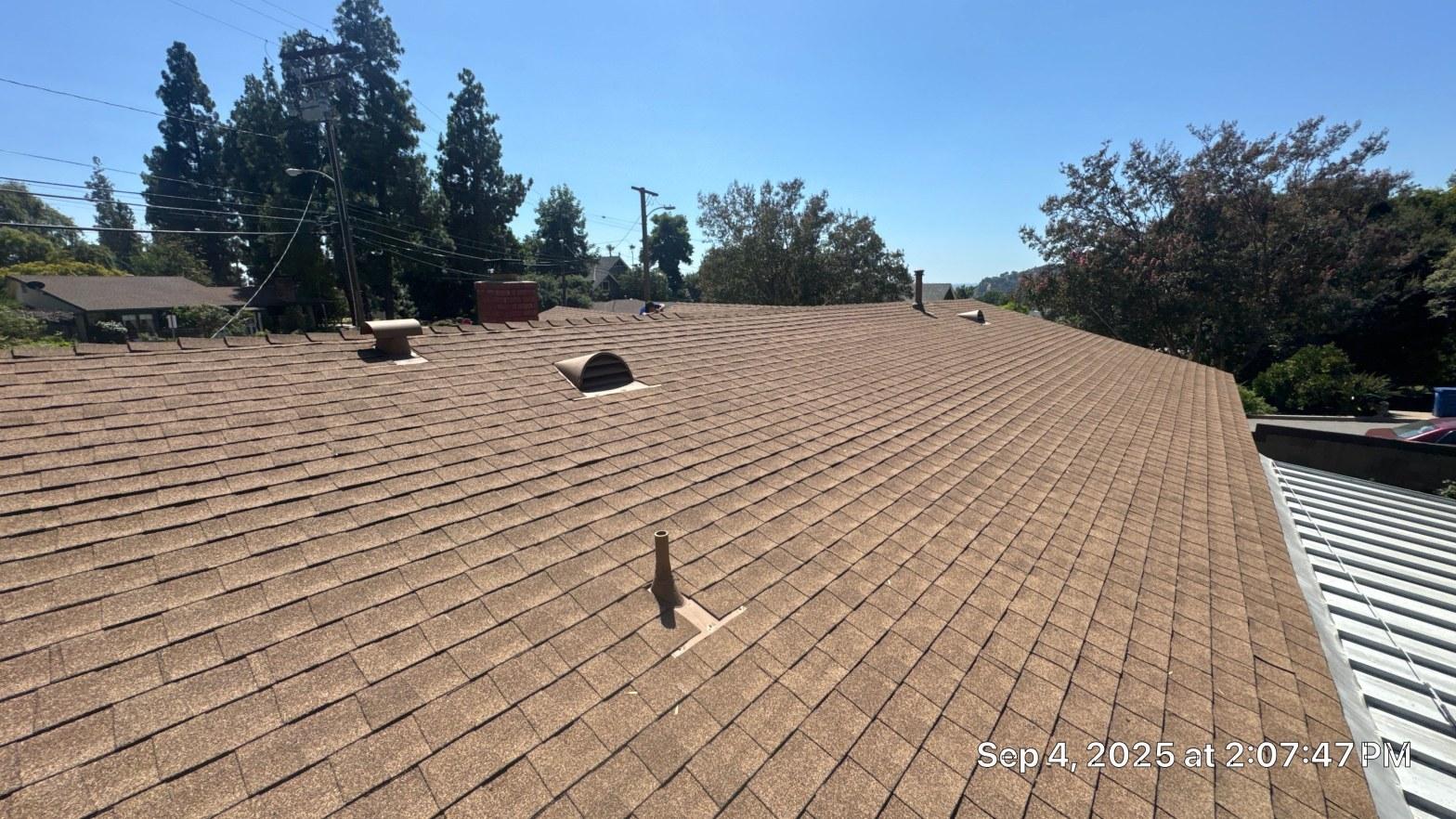
Shingles are the outermost layer of your roof that protects it from the elements. They may crack, tear, or blow off due to a variety of factors, including the environment, advancing age, or improper installation. When shingles are missing or damaged, they expose the underlying roof deck and underlayment to water infiltration, which can lead to leaks, stains, mold, and rot. After any significant wind event or heavy rain, it is a good idea to visually inspect your roof or have a professional do so.
- Cracked Flashing
Flashing is the thin metal sheet that covers the joints and edges of the roof, such as around chimneys, skylights, vents, and valleys. Flashing can crack due to weather, age, corrosion, or improper installation. When flashing cracks, it creates openings for water to leak into the roof and cause damage to the structure and interior of the property. Regular inspections — ideally once or twice a year — can catch cracked flashing before it becomes a major issue.
Clogged Gutters
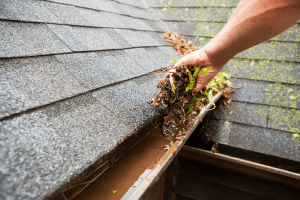
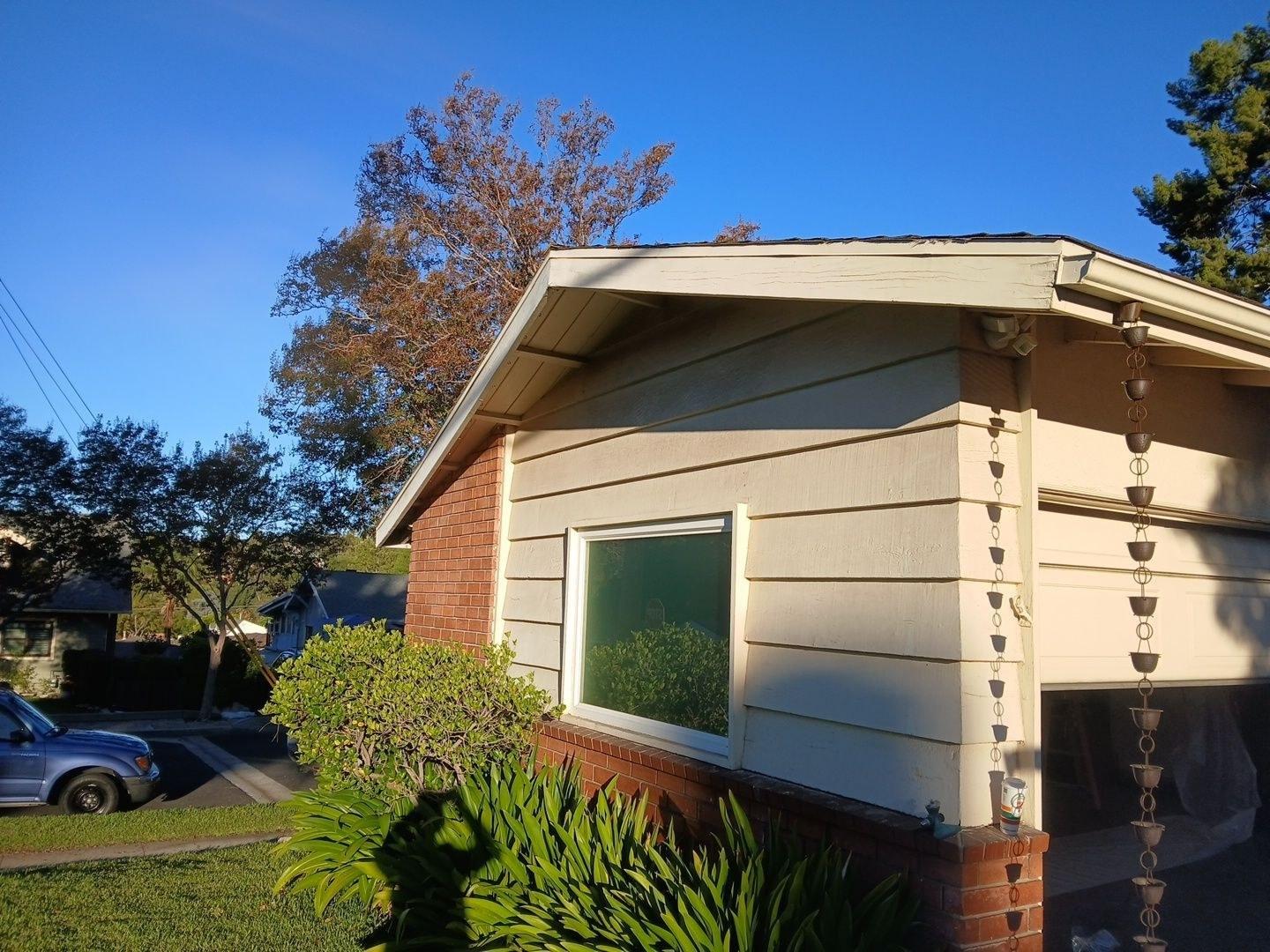
Especially during the fall and spring seasons, leaves, dirt, twigs, and other debris can clog the gutters. When gutters are clogged, they can overflow and spill water over the edges or back up and seep into the roof. This can lead to damage to the roof, siding, walls, ceilings, and foundation, as well as mold and mildew growth. Cleaning your gutters at least twice a year — and after major storms — is one of the simplest ways to prevent water damage.
- Chimney Issues
Chimneys are exposed to high temperatures, moisture, and weather, which can damage their components and create vulnerabilities to water intrusion. Some of the chimney issues that can lead to roof leaks are cracked or missing chimney crowns or caps and cracked or deteriorated mortar (this is the material that holds the bricks or stones of the chimney together). Having your chimney inspected annually can help you catch these problems early and avoid costly interior water damage.
Condensation Problems
Condensation occurs when warm, moist air meets a cold surface and releases water droplets. In the winter, this can happen in the attic, where the warm air from the house meets the cold roof deck and underlayment. This can create moisture and dampness in the attic, which can damage the insulation, wood, and electrical wiring. This can also create stains, mold, and rot. Ensuring your attic has proper ventilation is one of the most effective ways to reduce condensation-related leaks.
Frequently Asked Questions About Roof Leaks
How can I tell if my roof is leaking if I don't see dripping water? Not all leaks produce visible drips. Look for water stains on ceilings or walls, peeling paint near the roofline, dark spots or streaks in the attic, or a musty odor that could indicate hidden mold growth. Catching these early warning signs can save you from a much more expensive repair down the road.
How often should I have my roof inspected? Most roofing professionals recommend a professional inspection at least once a year, and again after any major storm or severe weather event. In Southern California, the rainy season — typically running from late fall through early spring — makes a pre-season inspection especially worthwhile.
In conclusion, understanding the various types of roof leaks and being able to identify them is crucial for maintaining the integrity of your home or building. Whether it's missing or damaged shingles, cracked flashing, clogged gutters, chimney issues, or condensation problems, prompt detection and repair are essential to prevent further damage to the structure and interior, as well as potential health hazards. If you notice any signs of roof leaks, it's important to contact a professional roofer to address the issue promptly. Additionally, if your roof is beyond repair or nearing the end of its lifespan, investing in a quality roof replacement from a reputable contractor like Roof Replacement Inc can provide long-term peace of mind and ensure a leak-free roof for your home.
Explore our full range of roofing services across Southern California.




What Our Clients Say











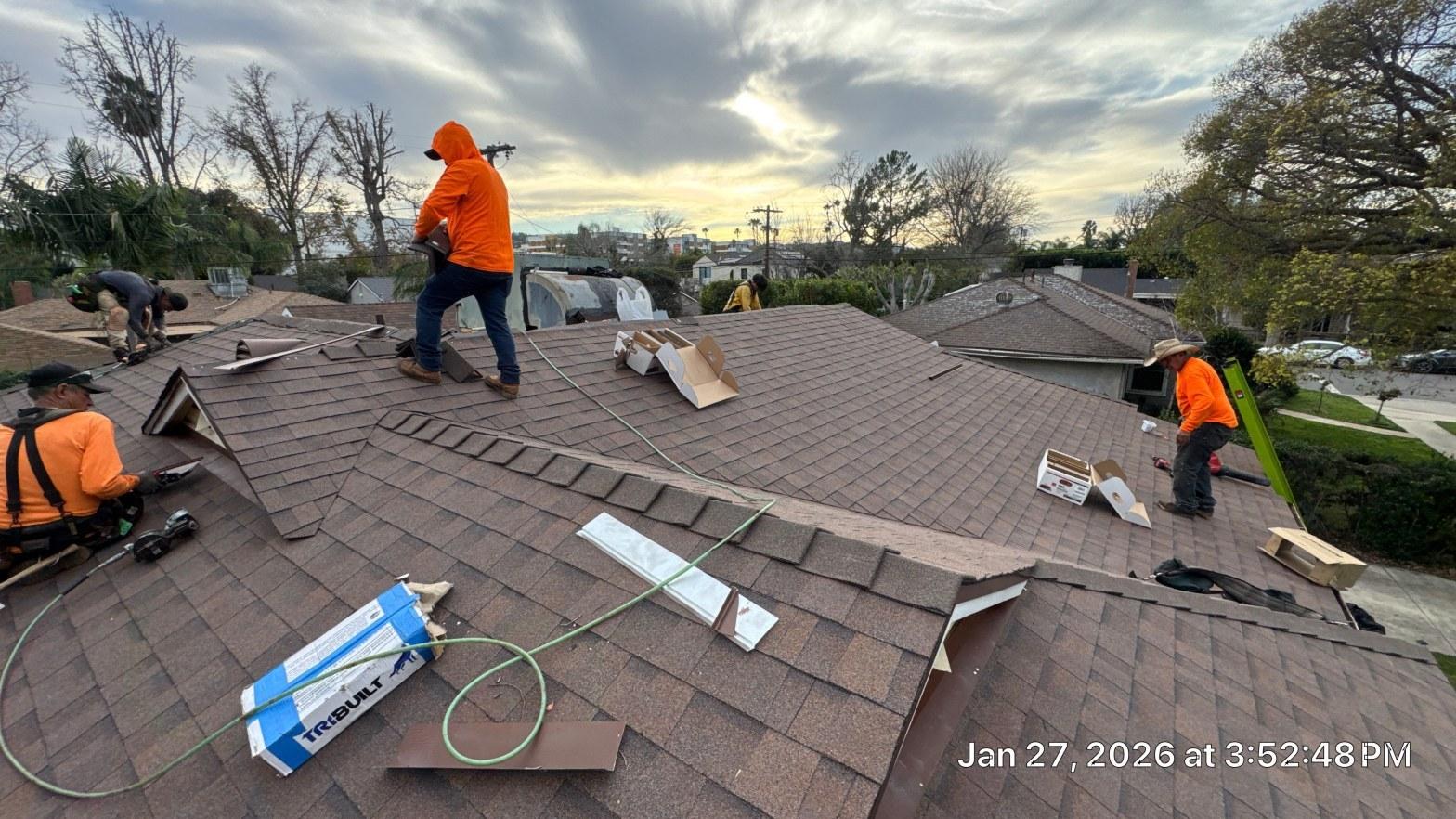
Roof Replacement Inc. offers professional, high-quality work, guaranteed (call for details); ensuring all clients projects meet all code and design requirements. We are dedicated to exceptional customer service and will strive to ensure you with the highest quality roofing services. Roof Replacement Inc. offers lifetime warranty (call for details) on all of our workmanship to ensure the quality of our work. With over 40 years of combined experience within the roofing and construction industry, Roof Replacement Inc. has grown and developed in all areas of roofing construction, including roof inspections. As a leading residential and commercial roofing company in LA, we have hundreds of references from previous clients, so rest assured, that your roofing job will be done right the first time. Replacing an old roof can help add curb appeal and will increase the perceived value of your home. First impressions are vital when selling your home, especially when your roof takes up more than half of the exterior of your residence or business. Not only is the return of investment on a new roof attractive for potential buyers, but can be as beneficial as remodeling the kitchen or bathrooms within your residence.

