Choosing Between Cool Roof Technologies: A Decision Framework for 2026
When summer temperatures push past 95°F in La Crescenta Montrose, the right roofing decision becomes critical. Homeowners face a fundamental choice: invest in cool roofing technology now and reduce energy costs for decades, or stick with standard materials and watch utility bills climb every summer. This guide walks you through the economic reality of cool roofs in 2026—comparing reflective coatings, cool-colored shingles, and white tile systems against their traditional counterparts. For high-value homes in neighborhoods like La Crescenta Highlands and Briggs Terrace, understanding the true return on investment transforms what seems like a premium expense into a strategic property upgrade.
📋 In This Guide
The decision starts with understanding what you’re actually buying. Cool roof technology isn’t a single product—it’s a spectrum of solutions ranging from simple reflective coatings to advanced ceramic tiles engineered for California’s climate. Each option delivers different energy savings, carries distinct upfront expenses, and qualifies for different rebate programs through Southern California utility companies. Working with an experienced roofing contractor in La Crescenta Montrose ensures you’re matching the right technology to your home’s architecture, your budget, and your long-term ownership plans.
The Science Behind Cool Roofing: How Reflectivity Reduces Cooling Costs
Cool roofs work by reflecting solar radiation rather than absorbing it. Traditional dark asphalt shingles can reach surface temperatures exceeding 160°F during La Crescenta Montrose summers, transferring tremendous heat into attic spaces and forcing air conditioning systems to work overtime. Cool roof materials reflect 50-90% of solar energy depending on their Solar Reflectance Index (SRI), keeping surface temperatures 30-50°F cooler.
California’s Title 24 energy code now mandates minimum SRI values for new construction and reroofing projects in climate zones like ours. Steep-sloped residential roofs must achieve an SRI of at least 16 for three years after installation. While this represents a modest baseline, homeowners pursuing LEED certification or maximum energy efficiency target SRI values above 78. The higher the reflectivity, the more dramatic your cooling cost reductions.
For La Crescenta Montrose’s climate—classified as warm-summer Mediterranean with hot, dry conditions from June through September—cool roofing delivers measurable benefits. Studies from Lawrence Berkeley National Laboratory show properly specified cool roofs can reduce peak cooling demand by 10-15% and annual cooling energy consumption by 7-15% in Southern California homes. When you’re running air conditioning 120+ days per year in a $1.3 million property, those percentages translate to substantial dollar savings.
Comparing Cool Roof Technologies: Performance and Investment Requirements
| Technology Type | Typical SRI Range | Lifespan | Best Application |
|---|---|---|---|
| Reflective Coatings | 85-115 | 10-15 years | Flat roofs, restoration projects |
| Cool-Colored Shingles | 25-50 | 20-25 years | Traditional aesthetics with moderate gains |
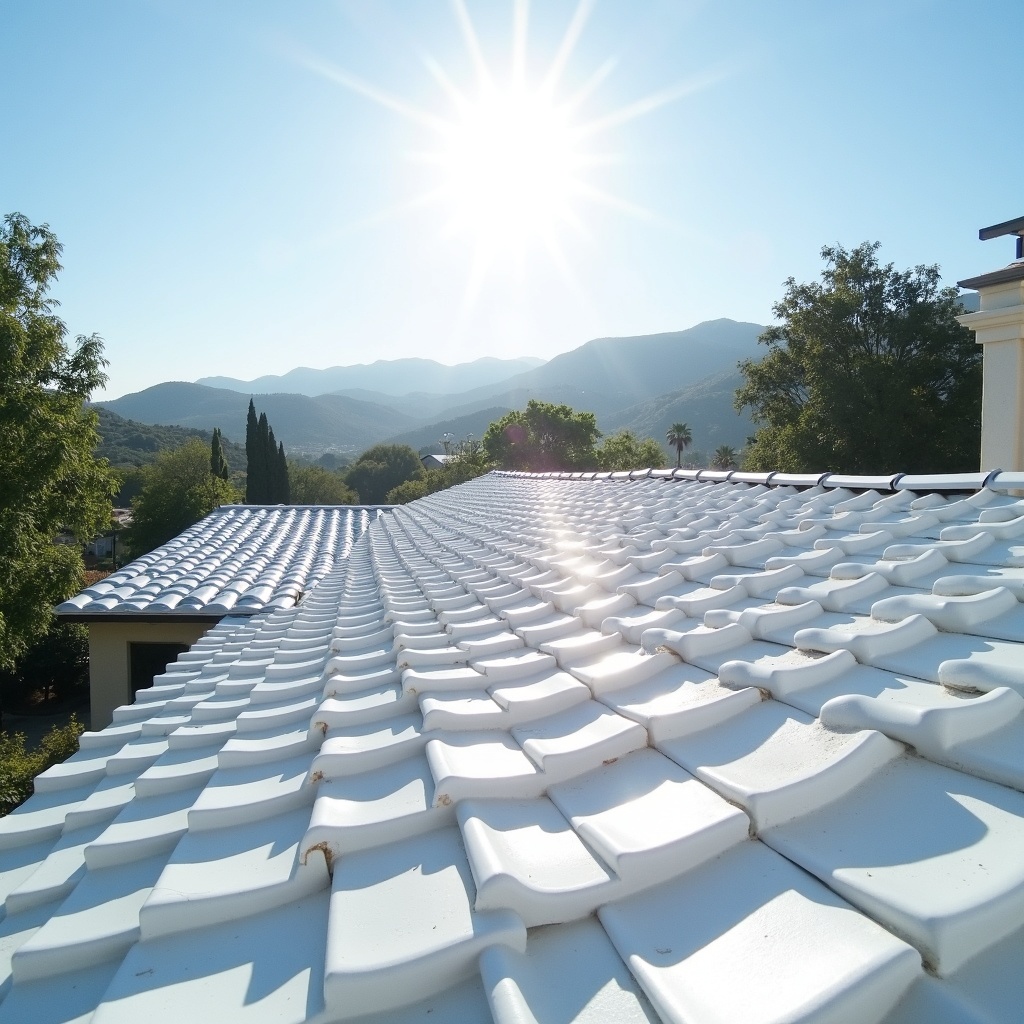
| White Concrete Tile | 90-110 | 40-50 years | Maximum performance, Mediterranean style |
| Metal Roofing (Light Colors) | 55-82 | 30-50 years | Durability plus energy efficiency |
The choice between technologies depends on your existing roof substrate, architectural style, and performance goals. Reflective coatings offer the lowest initial investment but require reapplication within 10-15 years. White concrete tile delivers exceptional longevity and maximum solar reflectance but demands structural support due to weight. Cool-colored shingles provide a middle path—enhanced granules containing special pigments reflect infrared radiation while maintaining traditional appearance. Reputable roofing companies can assess your home’s structural capacity and recommend the optimal system for your specific situation.
Energy Savings Calculations: What Cool Roofs Actually Deliver in Our Climate
Quantifying energy savings requires understanding your home’s current thermal performance. A typical 2,200-square-foot home in La Crescenta Montrose with standard dark asphalt shingles and R-30 attic insulation might spend $180-240 monthly on summer cooling. Installing a high-SRI cool roof system reduces attic temperatures by 20-40°F, which translates to measurable savings on your utility bill.
Conservative estimates based on California Energy Commission data suggest cool roofing reduces annual cooling costs by 7-12% for well-insulated homes in our climate zone. For a household spending $1,800 annually on air conditioning, that represents $126-216 in yearly savings. Homes with less effective insulation (R-19 or lower) or significant thermal bridging can see even larger reductions—sometimes reaching 15-20% annually.
Beyond direct cooling savings, cool roofs extend HVAC equipment lifespan by reducing runtime hours. When your air conditioning system doesn’t cycle constantly fighting heat gain from the roof, compressors and fan motors experience less wear. This delayed replacement—potentially pushing a $8,000-12,000 HVAC replacement out by 2-4 years—represents substantial hidden value that purely energy-focused calculations miss.
Peak Demand Reduction and Time-of-Use Rates
Southern California Edison’s time-of-use rate structures make cool roofing particularly valuable. Peak electricity rates during 4-9 PM summer hours can run 250-300% higher than off-peak pricing. Cool roofs reduce your home’s thermal mass, allowing interior spaces to cool more rapidly once outdoor temperatures drop after sunset. This enables you to delay air conditioning until lower-rate evening hours, amplifying your savings beyond simple kilowatt-hour reductions.
Homeowners with smart thermostats report 18-25% greater savings when combining cool roofing with strategic cooling schedules. The roof’s lower heat retention means your home doesn’t store thermal energy that must be removed during expensive peak hours—a synergy that standard energy models often underestimate.
Understanding True Investment Requirements: Premium Costs vs. Long-Term Value
Cool roofing technologies carry varying premium costs compared to standard materials. Reflective coatings typically add minimal expense to flat roof projects—often just the material differential since application labor remains identical. For sloped residential roofs, cool-colored shingles command premiums over standard products, reflecting the specialized granule technology and lower production volumes.
White concrete tile systems represent significant upfront investment compared to composition shingles, though the comparison becomes more favorable when you factor in the tile’s 40-50 year lifespan. A composition shingle roof requiring replacement twice during that period actually costs more than tile when you calculate lifecycle expenses. This longer time horizon matters tremendously for La Crescenta Montrose homeowners who plan extended ownership in high-value properties.
Metal roofing in light colors offers compelling economics—combining cool roof performance with exceptional durability and relatively moderate installation complexity. The material costs more than composition shingles but less than tile, while 30-50 year lifespans eliminate the need for mid-ownership replacement. When evaluating options, consider consulting with a qualified roofing contractor who can provide detailed comparisons based on your specific home configuration.
Hidden Cost Factors That Impact Real-World Expenses
Several variables beyond material choice affect final project investment. Homes with complex roof geometries—multiple valleys, dormers, or unusual pitches—require more labor regardless of material selection. Existing substrate conditions matter enormously: damaged decking discovered during tear-off adds expense but must be addressed for proper installation. Steep pitches demand additional safety equipment and slow installation, increasing labor hours.
Permit fees in Los Angeles County and compliance with local building codes add consistent baseline costs to every project. Title 24 compliance documentation, required engineering for tile roofs, and inspection fees create expenses independent of your cool roofing technology choice. Working with experienced professionals who understand these requirements prevents surprise charges mid-project.
California Rebate Programs and Financial Incentives for Cool Roofing
Southern California utility companies and government agencies offer various incentives for energy-efficient home improvements. While dedicated cool roof rebate programs have fluctuated over recent years, several pathways exist for reducing your net investment. The California Solar Initiative Thermal Program previously provided rebates for cool roofs installed alongside solar thermal systems, though program funding varies by year.
Property owners pursuing whole-home energy upgrades may qualify for broader incentive programs. The Energy Upgrade California program provides rebates for comprehensive improvements that include cool roofing as part of documented energy reduction packages. These programs typically require pre-approval, energy modeling, and post-installation verification—adding administrative complexity but potentially delivering substantial rebates.
Federal tax credits for residential energy efficiency have historically excluded roofing unless directly integrated with solar installations. However, homeowners installing cool roofs as part of new solar panel systems can sometimes allocate a portion of installation costs toward qualifying expenses. Tax law changes frequently, making consultation with qualified tax professionals essential before assuming specific deductions.
Utility Company Programs and Special Assessments
Some Southern California Edison and Los Angeles Department of Water and Power programs offer free home energy audits that identify cooling load issues and recommend solutions. While these audits don’t provide direct cool roof rebates, they document baseline energy consumption, enabling you to calculate precise savings after installation. This documentation proves valuable for LEED certification applications or when selling your home to energy-conscious buyers.
Property Assessed Clean Energy (PACE) financing programs allow homeowners to fund energy improvements through property tax assessments. This mechanism eliminates upfront costs by spreading payments over 10-20 years while immediately capturing energy savings. PACE eligibility depends on your mortgage structure and property tax status, but it represents a powerful tool for financing comprehensive roofing upgrades without depleting savings.
Return on Investment Timeline: When Cool Roofing Pays for Itself
Calculating ROI requires comparing the premium cost of cool roofing against annual energy savings and avoided future expenses. For a home spending $2,000 annually on cooling, installing cool-colored shingles saving 10% annually ($200/year) recovers premium costs in 7-12 years depending on the exact price differential. White concrete tile with higher upfront costs but 15% savings ($300/year) typically achieves payback within 15-20 years—well within the material’s 40-50 year lifespan.
This straightforward calculation understates true ROI by ignoring several valuable factors. Extended HVAC equipment life adds $2,000-4,000 in avoided replacement costs. Reduced roof surface temperatures slow material degradation, potentially extending roof lifespan by 10-15%. Enhanced home comfort—measurably cooler indoor temperatures during peak heat—delivers quality-of-life value that financial models can’t capture but homeowners experience daily.
For homeowners planning to sell within 5-7 years, cool roofing delivers marketing advantages beyond simple payback calculations. Energy-efficient features increasingly influence buyer decisions, particularly in California’s environmentally conscious market. A documented cool roof installation with quantified energy savings creates compelling selling points that differentiate your property from similar listings. Homes near attractions like Montrose Shopping Park with verified energy-efficient features command premiums reflecting buyer preferences for lower operating costs.
Impact on Home Appraisal and Resale Value
Real estate appraisers increasingly recognize energy-efficient improvements when determining property values. Cool roofing combined with comprehensive documentation—utility bill comparisons, energy audit results, and Title 24 compliance certificates—provides concrete evidence of reduced operating costs. While appraisal methods vary, studies suggest energy-efficient homes in California sell for 3-5% premiums compared to comparable properties with standard features.
In La Crescenta Montrose’s median home value range of $1.3 million, a 3% premium represents $39,000 in additional sale proceeds. Even capturing half that value through cool roofing and related efficiency upgrades delivers ROI that dramatically shortens payback periods. For homeowners viewing their property as both shelter and investment, this resale premium transforms cool roofing from operational expense into wealth-building strategy.
LEED Certification Considerations and Green Building Credits
Homeowners pursuing LEED for Homes certification find cool roofing addresses multiple credit categories. The Sustainable Sites credits reward heat island reduction through high-SRI roofing materials. Energy & Atmosphere credits recognize reduced cooling loads and lower overall energy consumption. Material selection—particularly recycled content in metal roofing or sustainably sourced tile—contributes toward Materials & Resources credits.
LEED certification adds administrative costs through design review, documentation requirements, and verification inspections. However, certified homes often command significant market premiums and attract environmentally conscious buyers willing to pay for documented green features. In communities like La Canada Flintridge and other nearby affluent neighborhoods, LEED certification differentiates properties in competitive markets.
The certification process requires working with roofing professionals experienced in documentation requirements. Proper specification verification, SRI testing, and installation photography all contribute to successful credit applications. Not every homeowner pursues formal LEED certification, but even implementing cool roofing to LEED standards ensures maximum performance whether or not you complete the certification process.
Choosing Your Cool Roof Strategy: Matching Technology to Your Situation
Your optimal cool roof solution depends on multiple factors beyond simple energy savings calculations. Homeowners planning 15+ years of ownership should prioritize lifecycle costs over initial investment—making white concrete tile or metal roofing financially attractive despite higher upfront requirements. Those anticipating 5-10 year ownership might emphasize cool-colored shingles that deliver energy savings and resale advantages without maximum premium costs.
Architectural considerations matter tremendously in established neighborhoods. La Crescenta Montrose features diverse housing styles from mid-century ranch homes to Mediterranean villas, each with aesthetic expectations. White concrete tile suits Spanish and Mediterranean architecture beautifully while looking out of place on Craftsman bungalows. Cool-colored composition shingles in grays, browns, and earth tones provide energy benefits while maintaining traditional appearances across architectural styles.
Climate-specific factors influence material performance in ways that national studies don’t capture. Our dry summers eliminate concerns about moisture-related degradation that affect humid climates, while intense UV exposure demands materials with proven fade resistance. Professional roofing companies familiar with local conditions specify products that maintain their cooling properties throughout their service lives—crucial for achieving projected energy savings.
Integration with Other Energy Efficiency Measures
Cool roofing delivers maximum value when coordinated with complementary improvements. Upgrading attic insulation to R-38 or R-49 multiplies cool roof benefits by preventing the reduced heat gain from escaping back through the ceiling. Proper attic ventilation—ridge vents, soffit vents, or powered attic fans—exhausts residual heat before it transfers into living spaces.
Homeowners replacing HVAC systems simultaneously with roofing can right-size equipment based on reduced cooling loads. A properly specified cool roof might allow downsizing from a 4-ton to a 3.5-ton air conditioner, saving thousands on equipment costs while maintaining comfort. This integrated approach requires coordination between roofing contractors and HVAC professionals but delivers optimization that sequential improvements miss.
Taking Action: Your Path to Cool Roof Installation
Beginning your cool roof journey requires gathering specific information about your current situation. Document your existing roof age, material type, and any known issues. Collect 12-24 months of utility bills to establish baseline cooling costs. Photograph your roof from multiple angles to share with potential contractors during initial consultations. This preparation enables more accurate estimates and productive conversations about your options.
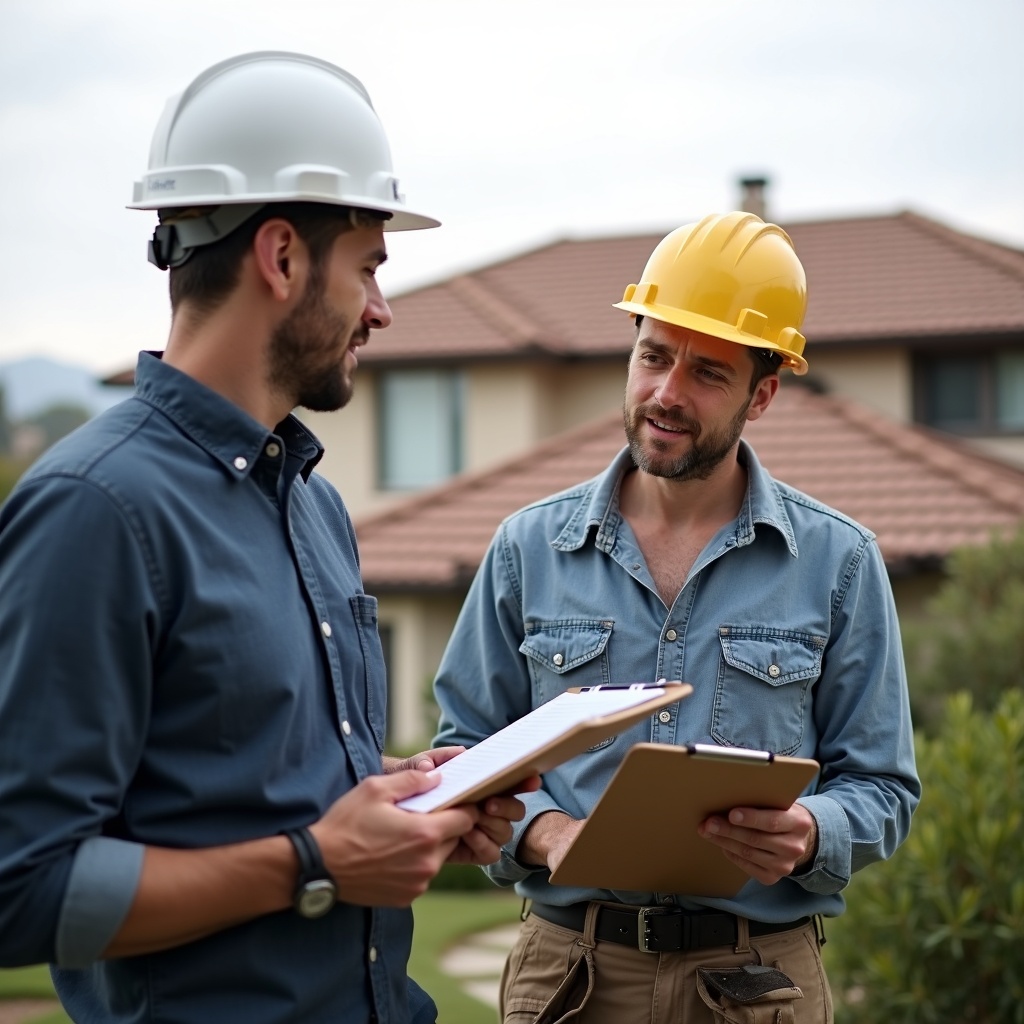
Schedule consultations with multiple licensed contractors experienced in cool roofing technology. Verify proper licensing through the California Contractors State License Board and confirm adequate liability and workers’ compensation insurance. Ask specifically about Title 24 compliance documentation, SRI specifications for proposed materials, and warranty coverage on both products and installation. The right professional will explain these details clearly rather than rushing toward quick sales.
Request detailed written proposals that break down material choices, labor requirements, permit fees, and projected timelines. Compare proposals based on specified product performance—not just brand names—and ensure SRI values meet or exceed your energy goals. Clarify what’s included: disposal of existing materials, substrate repairs, ventilation upgrades, or other scope elements that might otherwise create surprise charges. Working with established roofing professionals throughout the greater Los Angeles area ensures you’re getting comprehensive service from consultation through final inspection.
Roof Replacement Inc has served La Crescenta Montrose homeowners with comprehensive roofing solutions since establishing our reputation for quality workmanship and transparent communication. Our team understands cool roofing technology, California energy codes, and the specific requirements of high-value properties throughout the 91214 area. We provide detailed energy savings projections based on your home’s specific characteristics rather than generic estimates, ensuring you make decisions grounded in realistic expectations. Call (213) 364-3979 to schedule your free consultation and discover how cool roofing technology transforms your home’s energy performance while enhancing long-term value. Whether you’re exploring reflective coatings, advanced shingles, or premium tile systems, we’ll help you navigate the options and implement solutions that deliver measurable results for decades to come.
Related Posts




What Our Clients Say

Roof Replacement Inc. offers professional, high-quality work, guaranteed (call for details); ensuring all clients projects meet all code and design requirements. We are dedicated to exceptional customer service and will strive to ensure you with the highest quality roofing services. Roof Replacement Inc. offers lifetime warranty (call for details) on all of our workmanship to ensure the quality of our work. With over four decades of experience and success within the roofing and construction industry, Roof Replacement Inc. has grown and developed in all areas of roofing construction, including roof inspections. As a leading residential and commercial roofing company in LA, we have hundreds of references from previous clients, so rest assured, that your roofing job will be done right the first time. Replacing an old roof can help add curb appeal and will increase the perceived value of your home. First impressions are vital when selling your home, especially when your roof takes up more than half of the exterior of your residence or business. Not only is the return of investment on a new roof attractive for potential buyers, but can be as beneficial as remodeling the kitchen or bathrooms within your residence.

