Missing shingles, water stains, and sagging decking are among the clearest signs your roof needs repair before summer heat and storms make the damage worse. This guide walks you through what to look for and what to do next.
Why Does Summer Heat Cause So Much Roof Damage in California?
California summers push rooftop surface temperatures well above 150°F on dark asphalt shingles, accelerating material breakdown faster than most homeowners expect. Prolonged UV exposure dries out the oils in asphalt, causing shingles to crack, curl, and lose protective granules. By late summer, roofs that were borderline in spring are often in urgent need of attention.
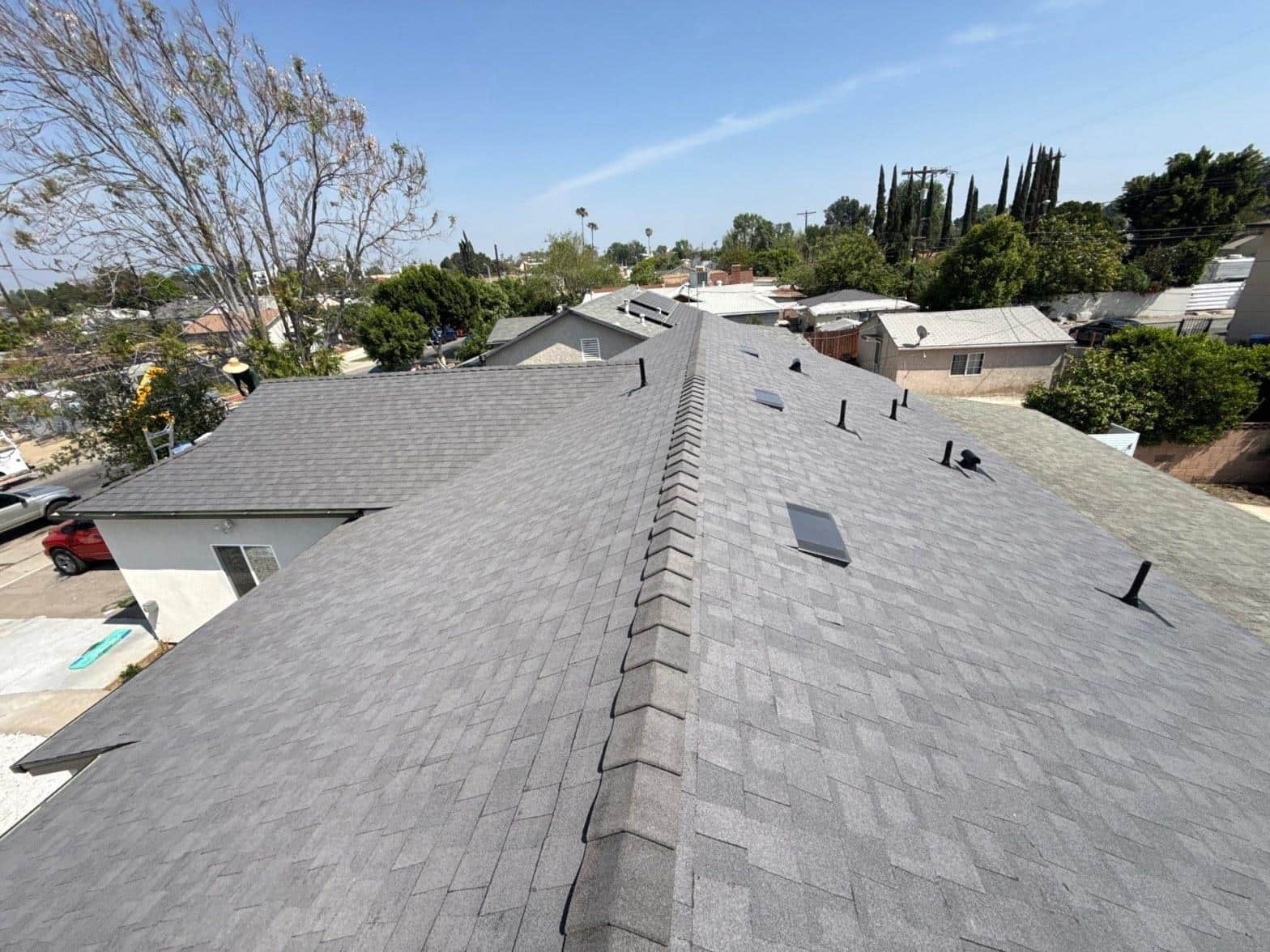
Much of California’s residential housing stock was built between the 1950s and 1990s, meaning millions of roofs are already past or near the end of their typical 20-to-30-year lifespan. Summer is the window to act — repairs completed before October cost significantly less than emergency fixes after the first winter storm.
According to the California Energy Commission, rooftop temperatures in inland valleys and desert-adjacent communities across Southern California regularly exceed 160°F during July and August. That thermal stress is cumulative: each summer cycle weakens the roof a little more, even if no single storm causes obvious damage.
What Are the Signs Your Roof Needs Repair Right Now?
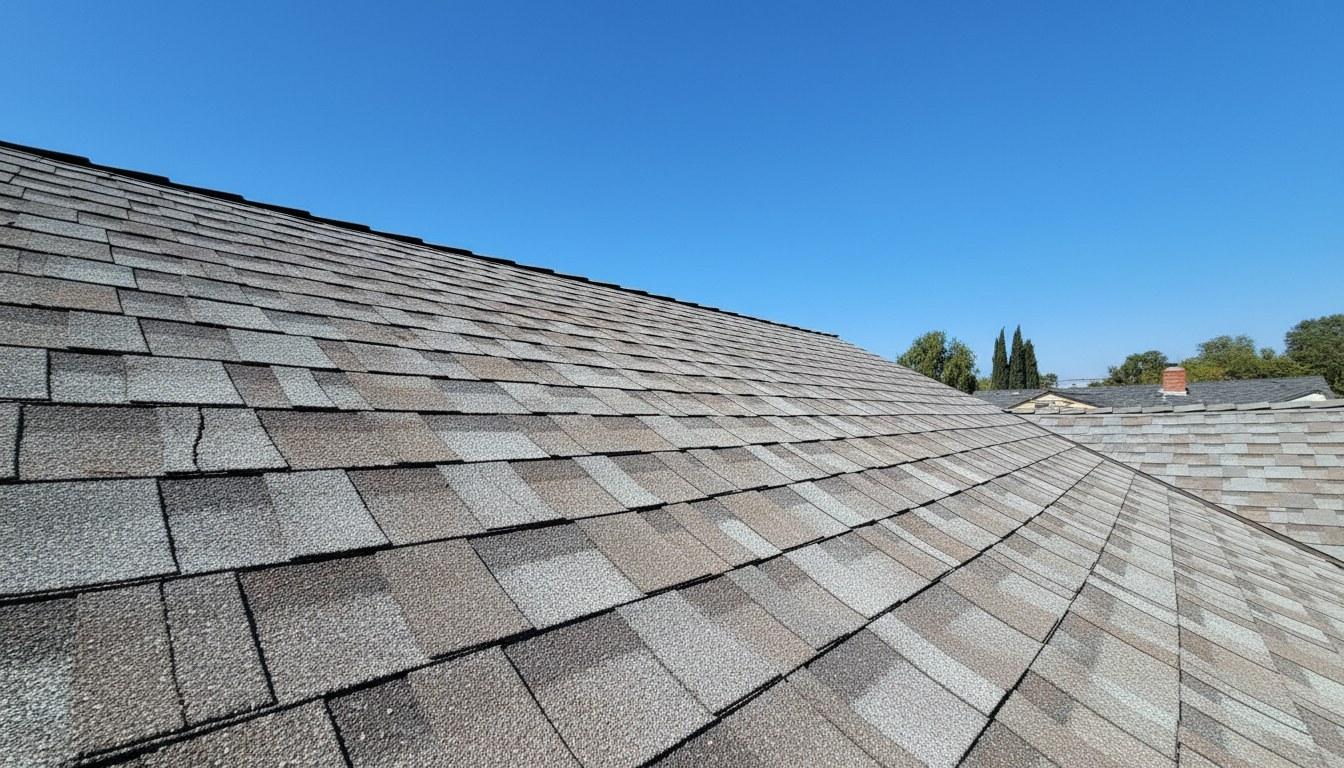
The most urgent signs your roof needs repair include missing shingles, interior water stains, sagging decking, granule loss, damaged flashing, visible daylight in the attic, and moss or algae growth. Any one of these symptoms warrants a professional inspection within 30 days. Two or more together mean you should schedule service this week.
- Missing or blown-off shingles: Even one missing shingle exposes the underlayment and decking to UV and rain. Summer wind events across Southern California routinely peel shingles that were already lifting at the edges.
- Curling, cracking, or buckling shingles: Shingles that cup upward at the edges or crack down the middle have lost their flexibility. This is a direct result of heat cycling and usually signals the shingle is within 2 to 5 years of total failure.
- Water stains on ceilings or walls: Brown or yellow rings on interior drywall indicate water has already breached the roof membrane. The leak point is almost always several feet away from the visible stain.
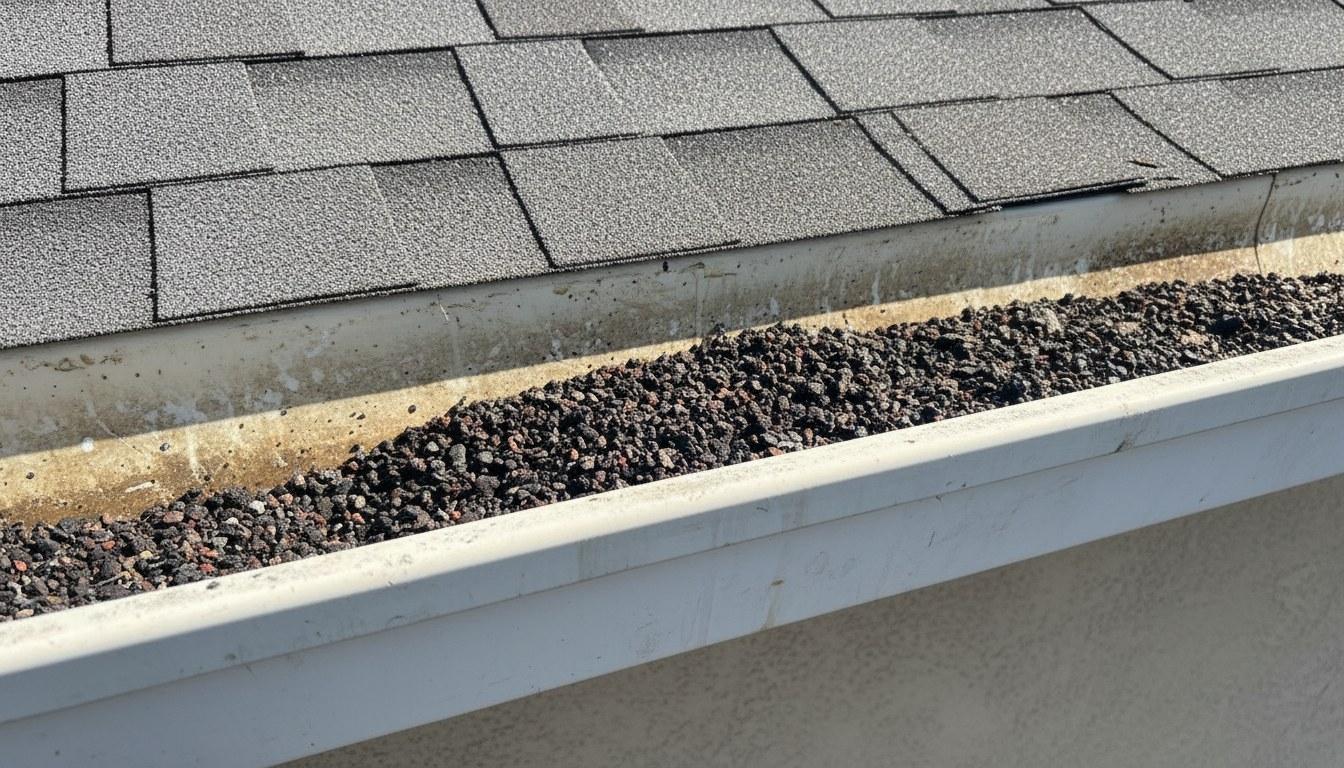
- Granules collecting in gutters: Asphalt shingles shed protective granules as they age. A sudden increase in granules — visible as dark sandy grit in downspout runoff — means the shingle surface is thinning and losing its UV protection.
- Sagging or soft spots on the roof deck: A roofline that dips or feels spongy underfoot points to rotted sheathing or damaged structural rafters. This is one of the most serious warning signs and requires immediate professional evaluation.
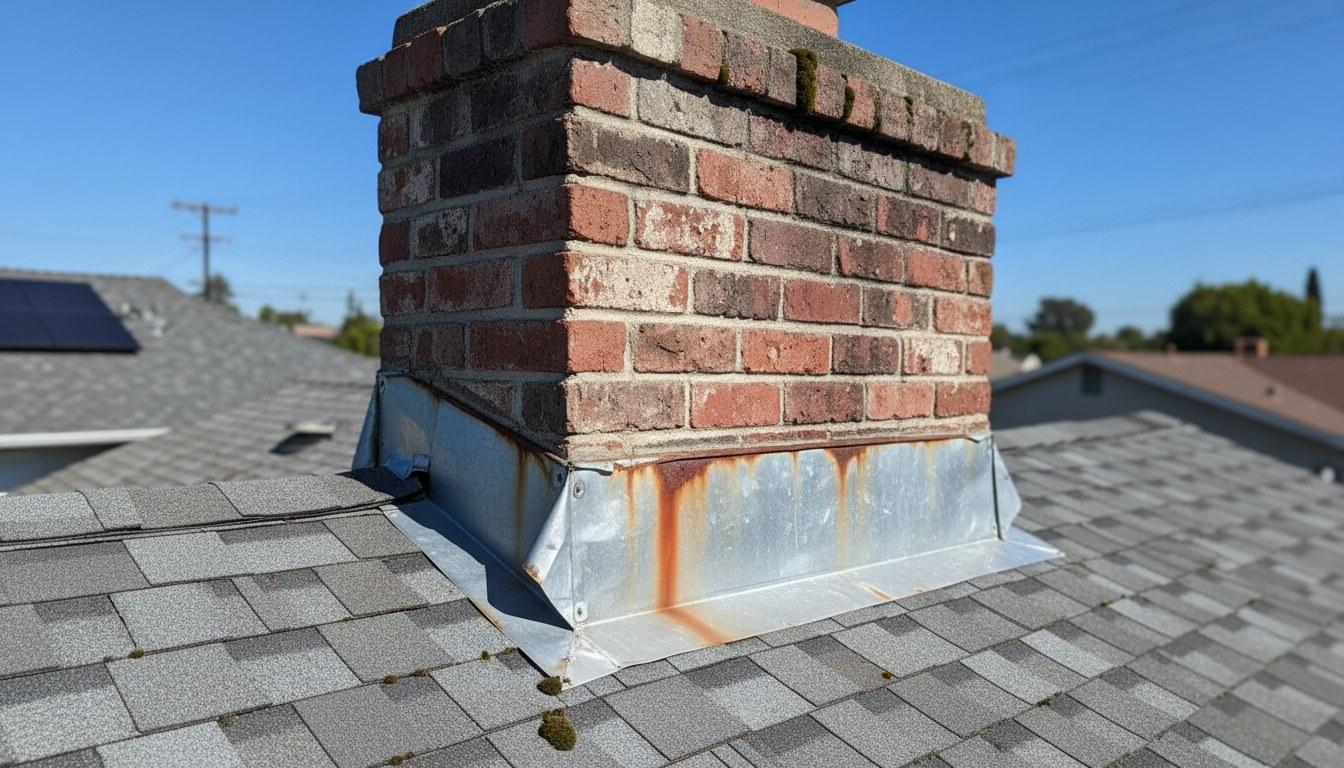
- Damaged or separated flashing: Flashing seals the joints around chimneys, vents, skylights, and valleys. When it lifts, rusts, or separates, water channels directly into the structure. Many California homes built before 1980 still have original galvanized flashing that has reached the end of its service life.
- Daylight visible through the attic: On a sunny day, go into your attic and look up. Any pinpoints of light coming through the decking mean there are gaps large enough for water and pests to enter.
- Moss, algae, or lichen growth: These organisms retain moisture against the shingle surface, accelerating deterioration. Moss is especially common on north-facing roof sections in coastal and foothill communities across California.
Symptom, Likely Cause, and Action: A Quick-Reference Guide
Use this table to match what you see to the most likely cause and decide whether it is a safe DIY check or a job for a licensed roofing contractor. When in doubt, always lean toward a professional inspection — a roof is not the place to guess.
| Symptom | Likely Cause | DIY or Pro? |
|---|---|---|
| Missing shingles | Wind uplift, aged adhesive strip | Pro — replacement requires matching material and proper nailing pattern |
| Curling or cracking shingles | UV damage, heat cycling, end of shingle lifespan | Pro — widespread curling usually means full-section or full-roof replacement |
| Water stains on ceiling | Breached membrane, failed flashing, cracked vent boot | Pro — leak source tracing requires trained eye and may involve underlayment |
| Granules in gutters | Shingle surface erosion from age or hail | DIY check — scoop gutters and inspect; call a pro if granule loss is heavy |
| Sagging roof deck | Rotted sheathing, structural rafter damage, chronic moisture | Pro immediately — structural issue requiring licensed contractor |
| Damaged or lifted flashing | Thermal expansion, corrosion, improper original install | Pro — improper flashing repair is a leading cause of repeat leaks |
| Daylight in attic | Cracked decking, open nail holes, separated panels | Pro — gaps this size allow water infiltration and pest entry |
| Moss or algae growth | Shade, moisture retention, lack of zinc or copper strips | DIY safe rinse with low-pressure water; pro for treatment and prevention strips |
What Can You Safely Check Yourself?
Homeowners can safely perform a ground-level visual inspection, an attic check, and a gutter inspection without ever stepping onto the roof. Walking on a damaged roof without training can worsen existing problems and create serious fall hazards. Keep your feet on the ground or on a stable ladder at the eave line.
Step 1: Ground-Level Visual Scan
Stand back from each side of your home and use binoculars if available. Look for shingles that are visibly missing, lifted at the corners, or a different color than the surrounding field — color variation often signals a past repair or accelerated weathering in that zone.
Step 2: Gutter and Downspout Check
After the next rainfall or after running a hose along the eave, check the downspout discharge. Heavy granule buildup — grit that looks like coarse dark sand — is one of the clearest signs your roof needs repair or is approaching replacement age. Also look for rust streaks from corroding flashing above.
Step 3: Attic Inspection
On a bright day, enter the attic with the lights off. Any visible pinpoints of light coming through the decking indicate gaps. Also look for water staining on the underside of the sheathing, dark streaks along rafters, or soft spots when you press gently on the decking from below. Our team finds that attic inspections reveal active leaks in roughly 1 out of every 3 homes where the homeowner reported no visible interior staining — the water was tracking along rafters before dripping elsewhere.
Step 4: Flashing Visual Check
From the ground or eave ladder, look at the metal strips around the chimney base, skylights, and any roof penetrations. Gaps, rust, or sections that appear to be lifting away from the surface are warning signs that warrant a professional look.
Step 5: Interior Ceiling and Wall Scan
Walk every room of the top floor and look up. Pay special attention to corners, areas directly below roof valleys, and the ceiling near exterior walls. Even faint discoloration or a slightly bubbled paint surface can indicate intermittent moisture intrusion that will worsen with fall rains.
When Should You Call a Professional Roofer?
Call a licensed roofing contractor immediately if you see sagging decking, active water intrusion, daylight through the attic, or any combination of three or more warning signs. These conditions can deteriorate rapidly — especially once California’s fall rainy season begins, typically in October or November.
Residential roofing work in California requires a contractor licensed by the California Contractors State License Board (CSLB). Always verify a contractor’s license number on the CSLB website before signing any contract. A valid C-39 roofing license is the classification required for standalone roofing work in the state.
A valid C-39 roofing license is the classification required for standalone roofing work in California — always verify before signing any contract.
Professionals bring tools and expertise that go beyond what any homeowner can safely do from the ground. Infrared moisture scanning can detect wet insulation and saturated decking that is invisible to the eye. A trained roofer can also identify whether a repair will extend the roof’s life by 5 to 10 years or whether the overall condition makes replacement the smarter investment.
Across our service calls throughout Southern California, we find that homeowners who delay action past August face repair costs that are on average 40 to 60 percent higher than those who address issues in June or July — primarily because summer storms expose the damage further before the contractor arrives.
Homeowners who delay action past August face repair costs that are on average 40 to 60 percent higher than those who address issues in June or July.
How Much Does Roof Repair Typically Cost in California?
In the California regional market, minor roof repairs — patching a few shingles or resealing flashing — typically range from $300 to $1,500 depending on scope and access. Mid-range repairs involving section replacement or underlayment work generally run $1,500 to $5,000. Full residential roof replacements in the Southern California market typically range from $8,000 to $25,000 or more, depending on roof size, pitch, material choice, and local permit requirements.
Several factors move the final number significantly:
- Roof pitch and complexity: Steeper roofs require more safety equipment and take longer, increasing labor cost by 20 to 40 percent compared to low-slope residential roofs.
- Material selection: Standard 3-tab asphalt shingles sit at the lower end of the cost range. Architectural shingles, tile, and metal roofing carry higher material costs but longer lifespans — often 40 to 50 years for tile and metal versus 20 to 30 years for asphalt.
- Decking condition: If the sheathing underneath is rotted or damaged, replacing it adds to the overall project cost. This is only discovered once the old roofing material is removed.
- Permit requirements: California’s Title 24 building energy standards apply to full re-roofing projects and may require cool-roof compliant materials in certain climate zones, which can affect material selection and cost.
- Number of layers being removed: California building codes generally limit roofs to two layers of asphalt shingles. If your home already has two layers, full tear-off is required before new material is installed, adding labor and disposal costs.
Homeowners who have made energy-efficiency improvements as part of a re-roofing project may also be eligible for the Inflation Reduction Act federal tax credit if cool-roof or qualifying insulation upgrades are included. Consult a tax professional to confirm eligibility for your specific project scope.
For an accurate number on your specific roof, the only reliable approach is a written quote from a licensed contractor after an in-person inspection. Request a custom quote before any work begins so you have a clear scope and price in writing.
Get Expert Roof Repair Help Before the Rainy Season Hits
Summer is the best time to repair a roof — dry weather allows proper adhesion, curing, and inspection. Once October arrives and California’s rainy season begins, scheduling becomes harder and damage compounds quickly.
Schedule your roof inspection with Roof Replacement Inc before the season changes. Call (213) 364-3979 to book a professional assessment for your home across Southern California. Get a written quote before any work begins so you know exactly what you are paying for and why.
Explore our full range of roofing services across Southern California.
Frequently Asked Questions
How do I know if my roof needs repair or a full replacement?
If damage is limited to a small section — a few missing shingles, a single area of failed flashing — repair is usually the right call. If more than 25 to 30 percent of the roof surface shows wear, curling, or granule loss, or if the roof is older than 20 years, a full replacement is often the more cost-effective long-term choice. A licensed roofing contractor can give you a clear recommendation after an in-person inspection.
How do I repair a leaky roof from inside my house?
You can temporarily slow an active interior leak by placing a bucket to catch dripping water and using roofing tape or a waterproof patch on the underside of the decking in the attic — but this is a temporary measure only. The actual leak source on the exterior must be identified and repaired by a licensed roofer. Patching from the inside does not fix the underlying problem and can mask damage that worsens over time.
What are the most common signs your roof needs repair after a California summer?
The most common signs your roof needs repair after a hot California summer are curling or cracked shingles, heavy granule loss in gutters, lifted or separated flashing around roof penetrations, and new water stains appearing on interior ceilings. UV exposure and heat cycling accelerate all of these failure modes, making late summer and early fall the right time for an inspection.
How long does a typical roof repair take?
Most minor residential roof repairs — patching shingles, resealing flashing, or replacing a vent boot — are completed in 2 to 6 hours. Larger section replacements or repairs that involve underlayment work typically take 1 to 2 full days. A contractor can give you a more accurate timeline after assessing the scope of the damage in person.
Do I need a permit for roof repair in California?
Minor repairs such as replacing a few shingles generally do not require a permit in most California jurisdictions. However, full re-roofing projects and structural repairs almost always require a permit, and California's Title 24 building energy standards apply to full replacements. Your licensed roofing contractor should pull the required permits as part of the project — if a contractor suggests skipping permits, treat that as a red flag.
Related Articles




What Our Clients Say

Roof Replacement Inc. offers professional, high-quality work, guaranteed (call for details); ensuring all clients projects meet all code and design requirements. We are dedicated to exceptional customer service and will strive to ensure you with the highest quality roofing services. Roof Replacement Inc. offers lifetime warranty (call for details) on all of our workmanship to ensure the quality of our work. With over four decades of experience and success within the roofing and construction industry, Roof Replacement Inc. has grown and developed in all areas of roofing construction, including roof inspections. As a leading residential and commercial roofing company in LA, we have hundreds of references from previous clients, so rest assured, that your roofing job will be done right the first time. Replacing an old roof can help add curb appeal and will increase the perceived value of your home. First impressions are vital when selling your home, especially when your roof takes up more than half of the exterior of your residence or business. Not only is the return of investment on a new roof attractive for potential buyers, but can be as beneficial as remodeling the kitchen or bathrooms within your residence.

