A 2-year roof certification is a written statement from a licensed roofing contractor confirming your roof is in good condition and expected to last at least two more years. This guide explains what inspectors check, when lenders require one, and what it costs in California.
What Is a 2-Year Roof Certification?
A 2-year roof certification is a written document signed by a licensed roofing contractor stating that your roof is in acceptable condition and expected to remain functional for at least 24 months. It is not a warranty or a guarantee — it is a professional opinion backed by a physical inspection. The document typically includes the contractor’s license number, the date of inspection, the roof’s current condition, and any repairs made or recommended.
This type of certification became common in California real estate because lenders and escrow companies needed a standardized way to confirm a home’s roof would not fail shortly after a sale. Without it, buyers could inherit a roof that needs thousands of dollars in repairs right after closing.
A roof certification is different from a standard home inspection. A general home inspector gives a broad overview of the entire property. A roofing certification comes from a contractor who specializes in residential roofing and can assess material life expectancy, flashing integrity, and structural decking in far more detail.
What Types of Roof Certifications Are There?
Most roof certifications in California cover 2 years, but some buyers and lenders ask for a 3-year or 5-year certification, and some cash sales only need an as-is inspection report. Knowing which one your transaction calls for saves time in escrow.
| Document | Time Horizon | Typically Requested For | What It Says |
|---|---|---|---|
| 2-Year Roof Certification | 24 months | Financed home sales where the lender, appraiser, or buyer asks about the roof | The contractor’s professional opinion that the roof should stay watertight for 2 years |
| 3-Year or 5-Year Roof Certification | 36 or 60 months | Buyers or lenders who want a longer horizon | The same opinion over a longer period, so the roof has to be in better shape to qualify |
| As-Is Roof Inspection Report | Point in time | Cash sales and investor purchases | Documents the roof’s current condition with no opinion on how long it will last |
The 2-year certification is the one most sellers run into, usually when the buyer’s lender or appraiser flags the roof during escrow.
A 3-year or 5-year certification is the same professional opinion held over a longer period. A roof that passes a 2-year inspection can still fall short of a 5-year one, especially once it is past the middle of its expected life, so ask early which term your buyer or lender needs.
An as-is inspection report is not a certification. It records what the inspector found and makes no prediction about future performance, which is why cash buyers and investors are usually the ones who accept it.
When Do You Actually Need a Roof Certification in California?
You most commonly need a roof certification when selling a home, refinancing a mortgage, or when a buyer’s lender flags the roof during underwriting. FHA and VA loan programs, in particular, often require proof that the roof has at least 2 years of remaining useful life before they will approve financing.
Here are the most common situations that trigger a roof certification requirement in California:
- FHA-backed mortgage: The FHA Single Family Housing Policy Handbook requires the roof to have at least 2 years of remaining life. An appraiser who spots visible deterioration will flag it, and the lender will require a certification before closing.
- VA home loan: VA appraisers follow similar guidelines. A roof showing missing shingles, sagging, or active leaks will trigger a certification requirement.
- Home sale negotiation: Buyers may request a roof certification as a condition of their offer, especially on homes older than 15 years.
- Homeowner’s insurance renewal: Some insurers in California now request a roof inspection or certification when renewing policies on homes with roofs older than 20 years.
- Refinancing: Lenders refinancing a property sometimes require updated documentation on the roof’s condition, particularly if the home’s value is being appraised at a higher level.
- Estate sales or probate transactions: When a property changes hands through an estate, escrow companies often request a certification to protect all parties.
Even outside of a transaction, getting a certification proactively is a smart move. It gives you a documented baseline of your roof’s condition and can speed up closing when you list the home.
What Does a Roof Inspector Check During a Certification?
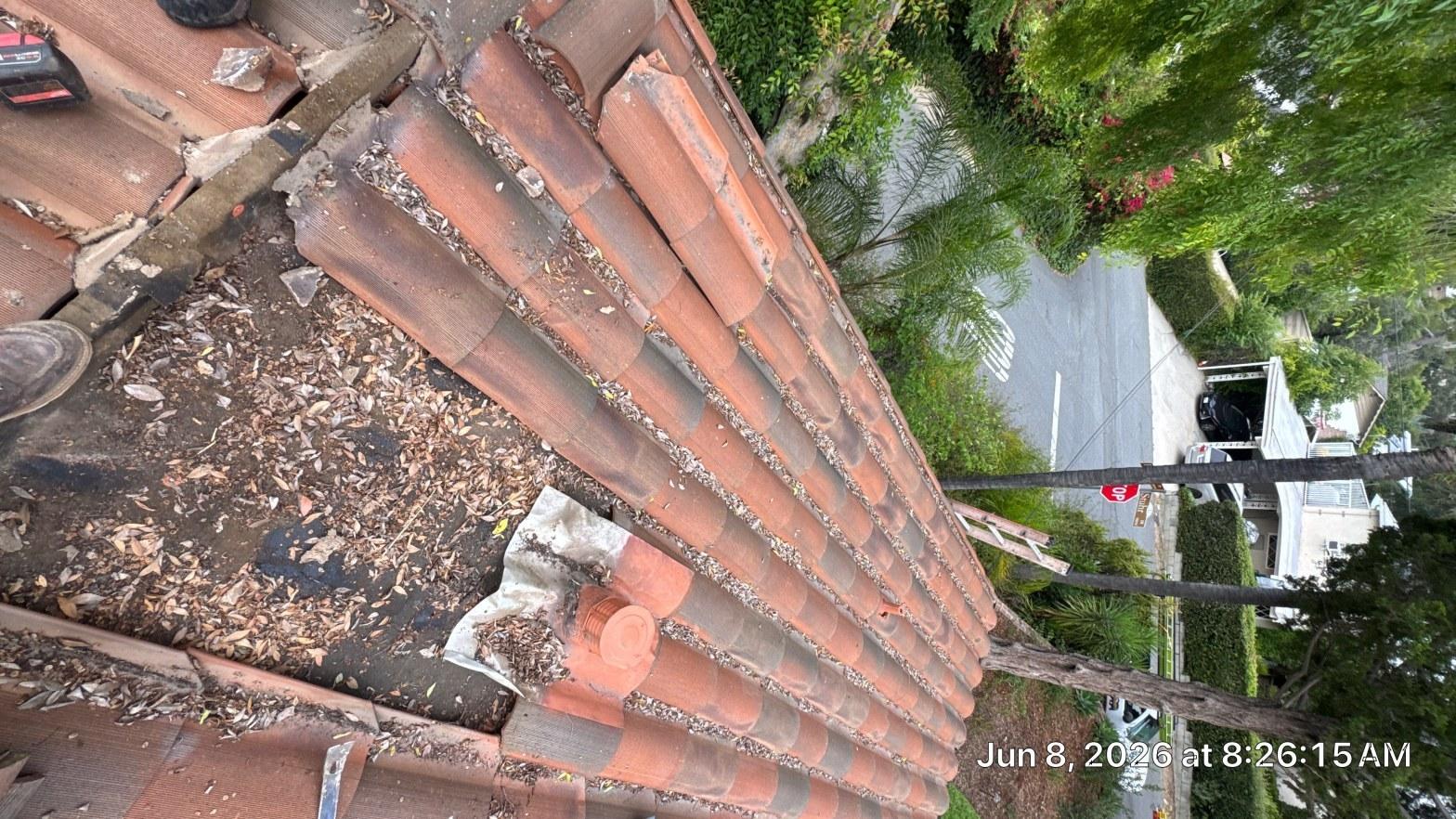
During a certification inspection, a licensed roofing contractor examines every major component of the roof system — not just the surface shingles. The inspection typically takes 45 minutes to 90 minutes depending on the roof’s size and pitch.
Our team conducts certification inspections across Southern California, and on homes built before 1990, we find underlayment deterioration in roughly 6 out of 10 inspections — often invisible from the ground but critical to long-term performance.
Here is what a thorough certification inspection covers:
- Roofing surface material: Shingles, tiles, or flat membrane are checked for cracking, curling, missing pieces, granule loss, and estimated remaining life.
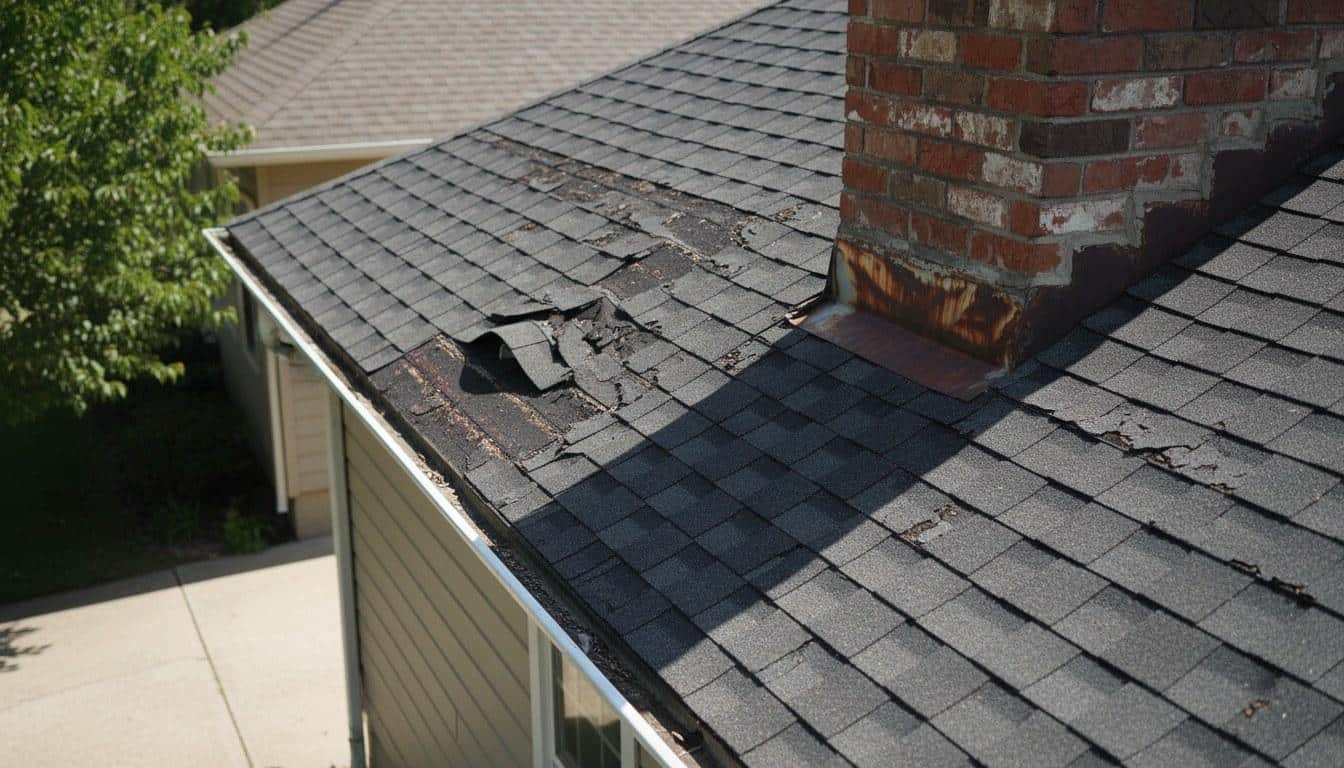
- Flashing: Metal flashing around chimneys, skylights, vents, and valleys is inspected for rust, separation, or improper installation.
- Underlayment: The water barrier beneath the surface material is assessed where visible, especially around penetrations.
- Decking and sheathing: Soft spots, rot, or delamination in the plywood or OSB decking are noted, often by walking the roof carefully.
- Gutters and drainage: Clogged or improperly pitched gutters can cause water to back up under the roofline. Inspectors note drainage issues that affect roof longevity.
- Ventilation: Inadequate attic ventilation accelerates shingle deterioration and can void manufacturer warranties. Inspectors check ridge vents, soffit vents, and attic airflow.
- Penetrations: Every pipe boot, vent stack, and HVAC penetration is checked for proper sealing.
- Interior signs of leaks: Many contractors also inspect the attic for water staining, mold, or daylight visible through the decking.
How Much Does a Roof Certification Cost in California?
In the California regional market, a basic roof certification inspection typically ranges from $75 to $200 when no repairs are needed. If the inspector identifies problems that must be corrected before the certification can be issued, repair costs are added separately and can range from a few hundred dollars to several thousand depending on scope.
Several factors move the price up or down:
| Cost Factor | Effect on Price | Typical Impact |
|---|---|---|
| Roof size (square footage) | Larger roofs take more time to inspect | Moderate increase for homes over 2,500 sq ft |
| Roof pitch and accessibility | Steep or complex roofs require more safety equipment | Can add $50–$100 to inspection fee |
| Roof material type | Tile and flat roofs require more expertise to assess | Slight premium over standard shingle inspections |
| Required repairs before certification | Contractor must fix deficiencies to issue the cert | Largest variable — can range from $150 to $5,000+ |
| Urgency of turnaround | Rush certifications for closing deadlines may cost more | 10–20% premium for same-day or next-day reports |
Some roofing contractors in California will apply the inspection fee toward the cost of any repairs they perform. Always ask about this before booking. For an accurate number on your specific property, request a custom quote from a licensed roofing contractor before assuming any range applies to your situation.
It is worth noting that California’s Title 24 building energy standards can affect re-roofing projects that accompany a certification repair. If repairs require replacing more than a certain percentage of the roof surface, cool-roof reflectivity requirements may apply, which can influence material choices and costs.
2 Year Roof Certification California Guide: Step-by-Step Process
Getting a roof certification in California follows a predictable sequence. Understanding each step helps you avoid delays, especially when a closing deadline is involved.
- Hire a licensed roofing contractor: Only a contractor licensed by the California Contractors State License Board (CSLB) can legally issue a roof certification that lenders will accept. Verify the license number on the CSLB website before scheduling.
- Schedule the inspection: Most contractors can schedule within 3 to 5 business days. If you are in escrow with a tight timeline, ask about priority scheduling upfront.
- Attend or be available during the inspection: While not required, being present lets you ask questions and understand what the inspector finds in real time.
- Review the inspection report: The contractor will document the roof’s current condition, note any deficiencies, and state whether the roof meets the 2-year standard as-is or requires repairs first.
- Complete any required repairs: If the roof does not meet the standard, the contractor will provide a repair estimate. Repairs must be completed before the certification is issued. Some contractors can complete both the repair and the certification in a single visit for minor issues.
- Receive the signed certification document: Once the roof passes, the contractor provides a signed, dated certificate on company letterhead with their CSLB license number. This is the document your lender or escrow company needs.
- Submit to lender or escrow: Provide the certification to the requesting party. Keep a copy for your own records — it documents the roof’s condition at the time of sale.
The entire process from first call to signed certificate typically takes 5 to 10 business days when no major repairs are needed. Budget 2 to 4 additional weeks if significant repairs are required.
The entire process from first call to signed certificate typically takes 5 to 10 business days when no major repairs are needed.
What Happens If Your Roof Fails Certification?
If a contractor determines your roof cannot be certified as-is, the transaction does not automatically fall apart. You have several options, and the right one depends on the severity of the deficiencies, the timeline, and who is paying for repairs.
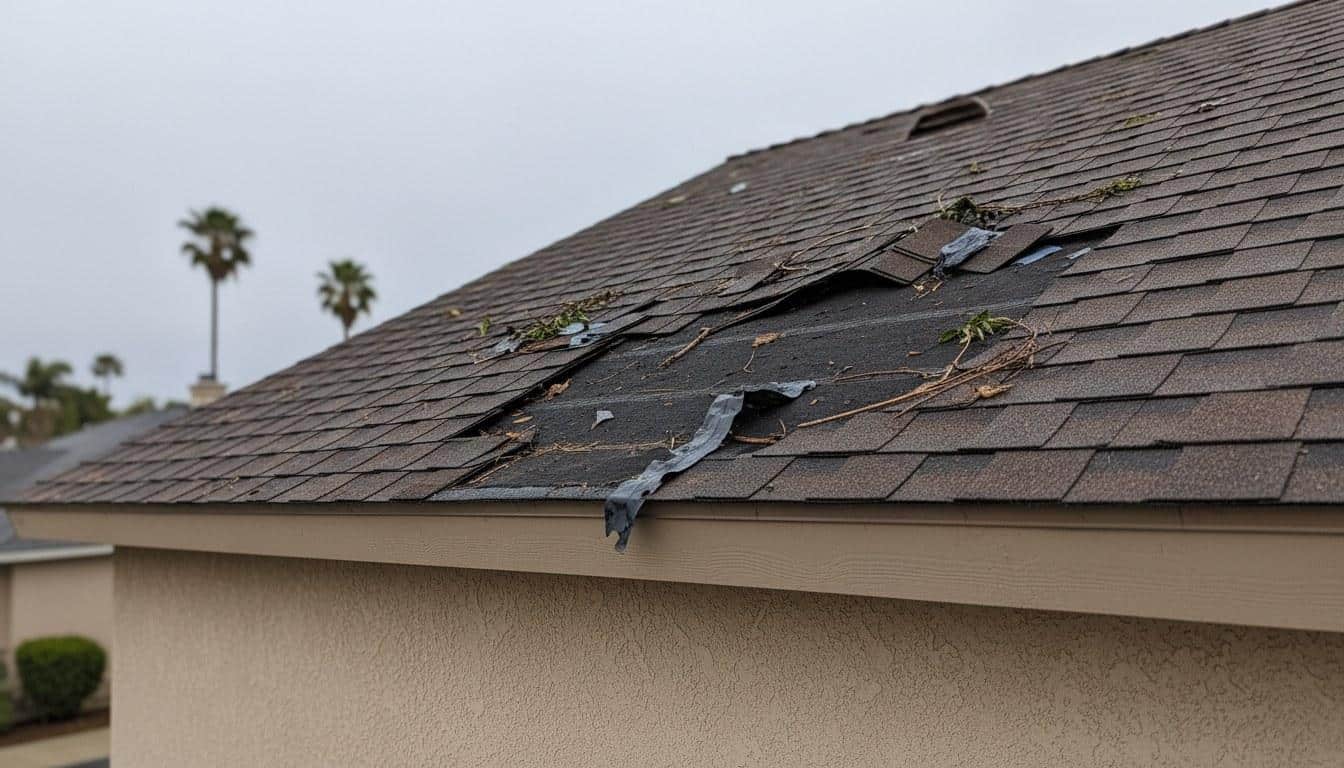
In our experience across Southern California, roughly 3 in 10 roofs on homes older than 20 years require at least minor repairs before a certification can be issued — most commonly failed pipe boots, deteriorated flashing, or missing shingles from wind events.
Roughly 3 in 10 roofs on homes older than 20 years require at least minor repairs before a 2-year certification can be issued.
Some conditions stop a certification outright until they are fixed: an active leak or fresh interior water damage, soft or rotted roof decking, and fire or storm damage. A shingle roof that already has two layers cannot simply be covered again either, because California’s residential building code does not allow a third layer, so it has to be torn off before a new roof goes on.
Common paths forward when a roof fails certification:
- Seller completes repairs before closing: The most common outcome. The seller hires the contractor to fix the deficiencies, the contractor re-inspects, and the certification is issued. This keeps the sale on track.
- Price reduction or credit to buyer: Some sellers negotiate a closing credit so the buyer can handle repairs after taking ownership. Lenders may or may not accept this approach — check with the specific loan program.
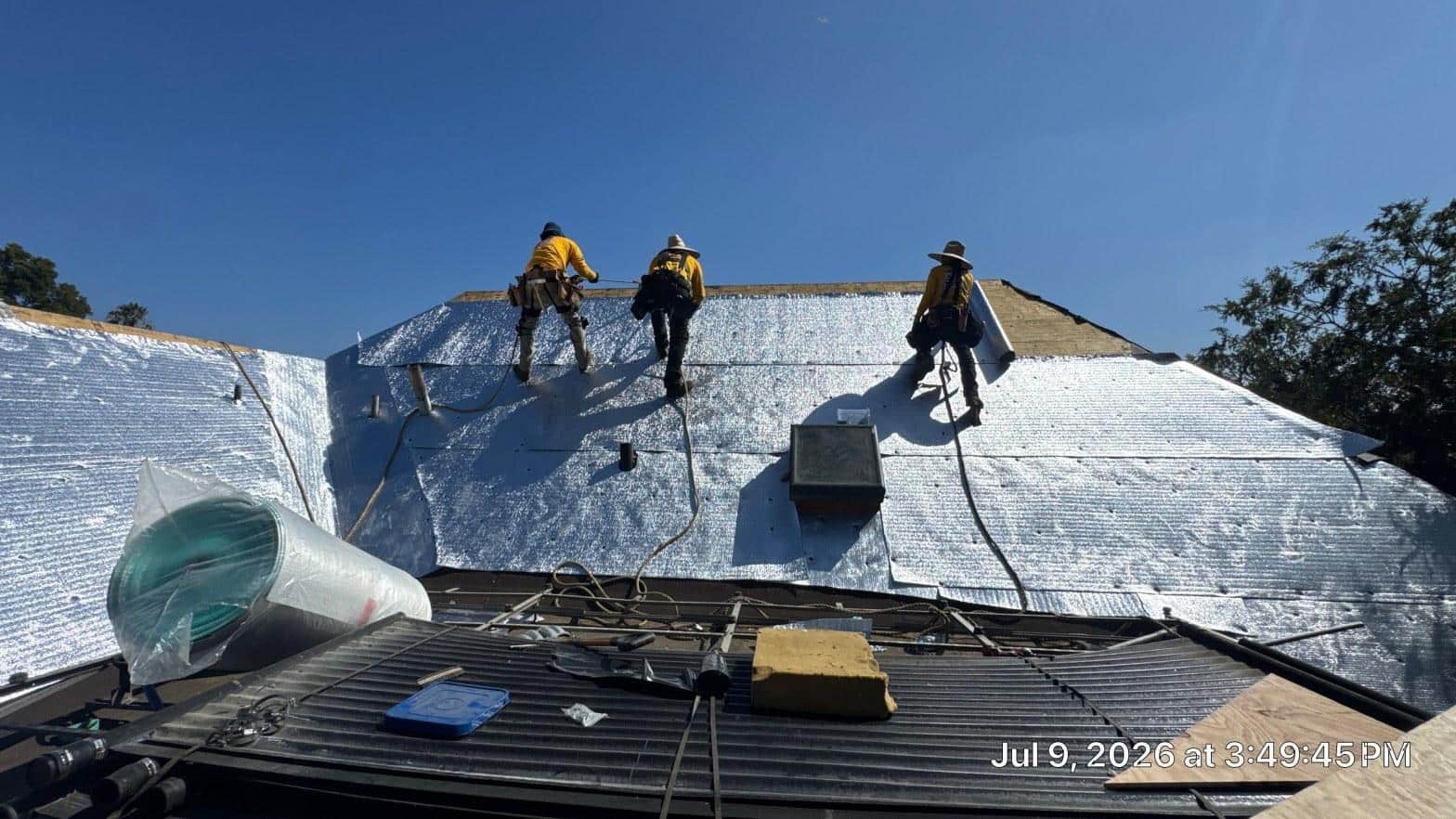
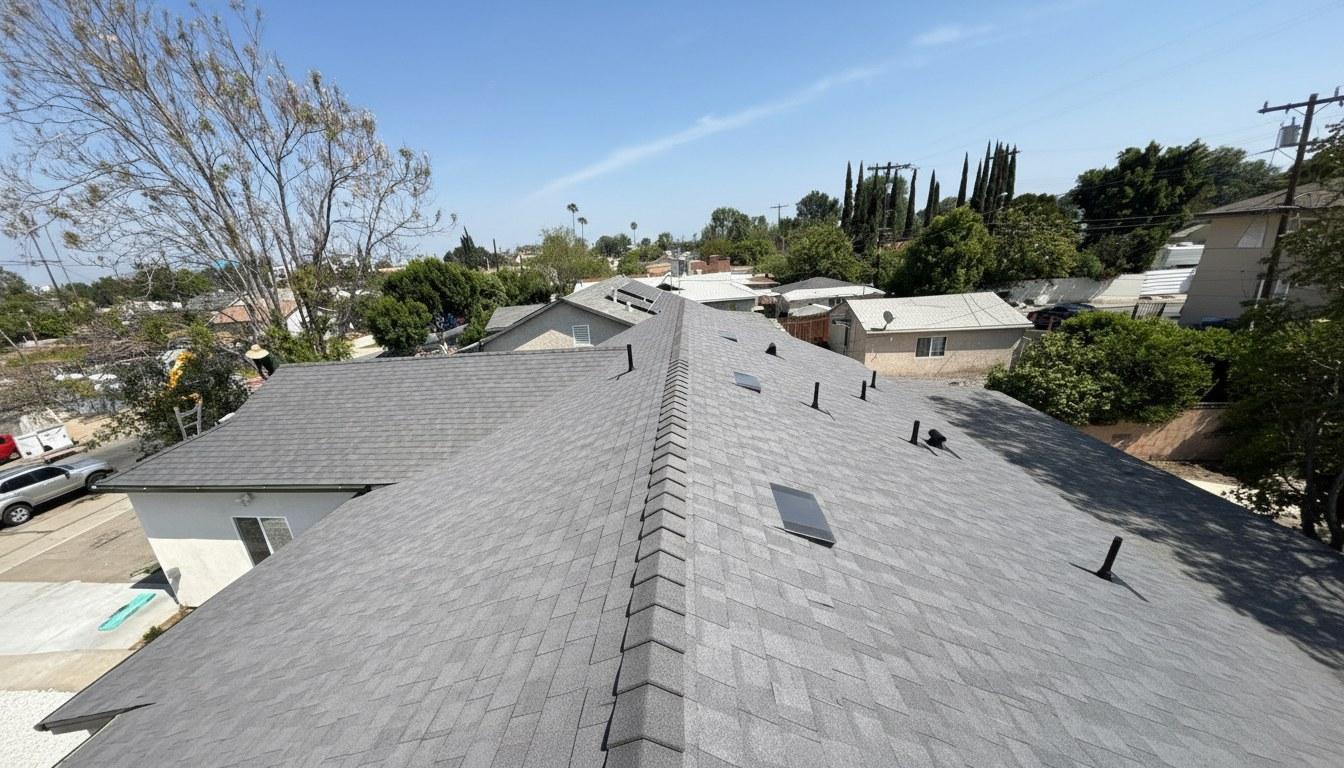
- Full roof replacement: When a roof is near the end of its life, repairs may not be enough to certify it for 2 years. A full replacement resolves the issue definitively and can actually increase the home’s appraised value. In Los Angeles County, a new residential roofing installation on a typical single-family home generally ranges from $8,000 to $20,000 depending on size, pitch, and material selected.
- Second opinion: If you believe the first assessment was overly conservative, you may request a second inspection from another licensed contractor. Opinions can vary, particularly on borderline cases.
- Loan program switch: If the roof issue is minor and the buyer’s financing allows flexibility, switching from an FHA or VA loan to a conventional loan with different appraisal standards may reduce the certification requirement.
How Do You Choose the Right Roofing Company for a Certification?
Not every roofing company is set up to issue certifications that lenders will accept. You need a contractor with an active CSLB license, real estate transaction experience, and the ability to deliver a properly formatted report on a timeline that works for escrow.
Here is what to look for when selecting a roofing contractor for a certification in California:
- Active CSLB license: Confirm the license is current and in good standing at CSLB’s online license check. A suspended or expired license means the certification will not be accepted.
- Experience with real estate transactions: Ask how many certifications the contractor issues per month. A company that regularly works with escrow officers and real estate agents will know exactly what format and language lenders require.
- Clear written estimate before any repairs: If repairs are needed, you should receive a written itemized estimate before work begins. Never agree to open-ended repair work.
- Insurance and bonding: Confirm the contractor carries general liability insurance and workers’ compensation. Ask for certificates of insurance before they step on your roof.
- Transparent turnaround time: Ask specifically how long it takes to receive the signed certification document after the inspection. In escrow situations, delays of even 2 to 3 days can cause problems.
- No pressure to over-repair: A trustworthy contractor will tell you exactly what is needed to meet the 2-year standard — not upsell you on a full replacement when targeted repairs will do the job.
Homeowners across Southern California benefit from working with a roofing company that understands both the technical side of residential roofing and the documentation requirements of California real estate transactions. Those two skill sets together are what make a certification smooth and accepted the first time.
Schedule Your Roof Certification with Roof Replacement Inc
If you need a roof certification for a sale, refinance, or lender requirement anywhere across Southern California, Roof Replacement Inc can help. Our team is licensed by the California Contractors State License Board (CSLB) and works directly with escrow officers and real estate agents to deliver properly formatted certifications that lenders accept.
Whether your roof passes on the first inspection or needs targeted repairs to meet the 2-year standard, we give you a clear, written assessment with no pressure and no surprises. Call (213) 364-3979 to schedule your inspection or request a custom quote. We serve homeowners and sellers throughout the Southern California region.
Explore our full range of roofing services across Southern California.
Frequently Asked Questions
How do I know if my roof will pass a 2-year certification in California?
A roof is likely to pass if it has no active leaks, missing shingles, significant granule loss, or deteriorated flashing. Roofs that are less than 15 years old and have been maintained regularly tend to pass without repairs. The only way to know for certain is to have a licensed roofing contractor inspect it in person.
Can I repair my own roof to pass a certification inspection?
Lenders require that the certification be signed by a contractor licensed by the California Contractors State License Board (CSLB). DIY repairs do not satisfy that requirement on their own. However, you can make minor cosmetic fixes before the inspection — a licensed contractor still needs to inspect the roof and issue the signed document.
How long is a roof certification valid in California?
A 2-year roof certification is valid for the 24-month period stated in the document. Most lenders require the certification to be dated within 90 days of the closing date, so an older certification may need to be refreshed. Check with your specific lender for their cutoff date.
Does a roof certification cover the whole roof or just part of it?
A standard 2-year roof certification covers the entire roof system — surface material, flashing, underlayment, and drainage. It is not a partial or zone-specific document. If only a section of the roof was repaired, the certification still applies to the whole roof after the contractor confirms the full system meets the standard.
What is the difference between a roof certification and a roof warranty?
A roof certification is a professional opinion that the roof will last at least 2 more years based on its current condition. A roof warranty is a legal promise from a manufacturer or contractor to repair or replace specific defects within a defined period. Certifications satisfy lender requirements; warranties provide ongoing protection after installation.
Related Articles




What Our Clients Say











Roof Replacement Inc. offers professional, high-quality work, guaranteed (call for details); ensuring all clients projects meet all code and design requirements. We are dedicated to exceptional customer service and will strive to ensure you with the highest quality roofing services. Roof Replacement Inc. offers lifetime warranty (call for details) on all of our workmanship to ensure the quality of our work. With over 40 years of combined experience within the roofing and construction industry, Roof Replacement Inc. has grown and developed in all areas of roofing construction, including roof inspections. As a leading residential and commercial roofing company in LA, we have hundreds of references from previous clients, so rest assured, that your roofing job will be done right the first time. Replacing an old roof can help add curb appeal and will increase the perceived value of your home. First impressions are vital when selling your home, especially when your roof takes up more than half of the exterior of your residence or business. Not only is the return of investment on a new roof attractive for potential buyers, but can be as beneficial as remodeling the kitchen or bathrooms within your residence.

