- Types Of Warranties
- What’s Actually Covered Under Each Warranty
- Real-World Material Warranty Durations
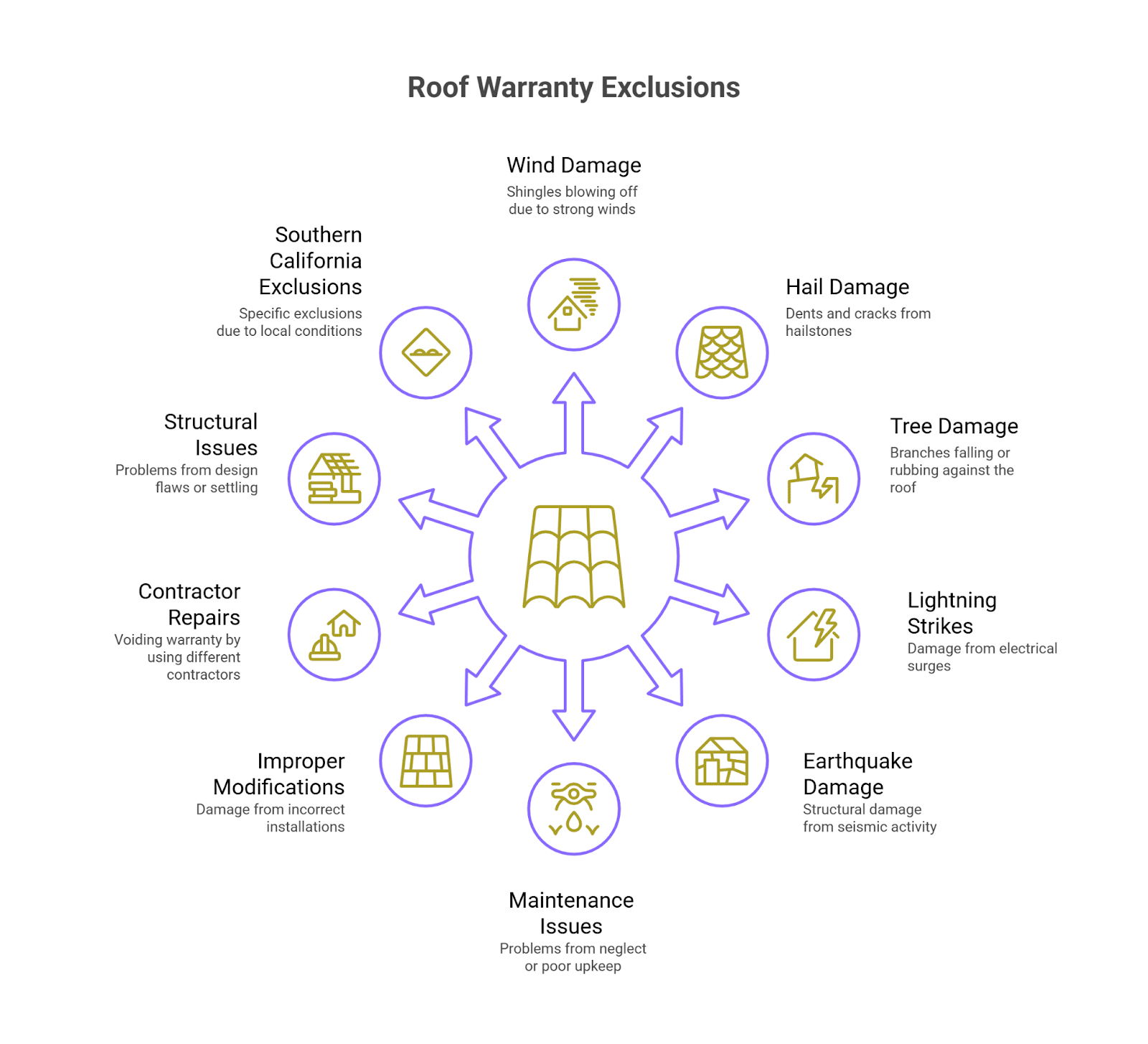
- What’s Not Covered
- Keeping Your Warranties Valid
- Questions To Ask Before You Sign
- FAQs
You just invested in your new roof, and your contractor hands you a warranty that mentions “lifetime coverage” and “manufacturer protection.” You nod and smile, but let’s be honest, do you really understand what’s protected and for how long?
Most homeowners don’t. And that confusion can cost thousands when something goes wrong, and you discover your roof warranty doesn’t cover what you thought it did.
Understanding roof warranties isn’t complicated once you know the basics. This guide breaks down exactly what matters, in plain language, with no confusing fine print.
Key Takeaways
- Roof warranties protect against material defects and installation errors.
- Material warranties cover defects but not installation mistakes.
- Workmanship warranties cover issues caused by improper installation or labor mistakes.
- Warranties are often prorated, meaning coverage decreases over time.
- Keep your warranty valid by scheduling regular inspections and maintenance.
- Read and understand exclusions like weather damage and wear and tear.
- Always ask about transferability and what happens if the company goes out of business.
Types Of Warranties
Your roof has two potential failure points: the materials themselves and their installation. Two companies take responsibility for each, so you actually have two separate warranties protecting your investment.
Manufacturer’s Material Warranty
This covers defects in the actual roofing materials, shingles, tiles, underlayment, and ridge caps made by companies like GAF, Owens Corning, or CertainTeed. These roofs typically last 25 to 50 years, sometimes advertised as “lifetime” coverage.
But the critical detail most homeowners miss is that this warranty covers only factory defects, not installation mistakes. If your tiles crack because they were manufactured poorly, you’re covered. If they crack because the installer did something wrong, this warranty doesn’t help you at all.
In Southern California’s intense sun, material quality becomes especially important. UV exposure is brutal on roofs, making choosing premium materials with solid warranties a smart long-term decision.
Contractor’s Workmanship Warranty
This is often more important than the material warranty, yet homeowners pay less attention to it. Your contractor’s workmanship warranty covers installation errors, labor mistakes, improper flashing, ventilation issues, and any issues related to how your roof was installed.
These warranties typically range from one year to lifetime, depending on the contractor. The huge variation should tell you something: this warranty reflects the contractor’s confidence in their work.
We offer a lifetime workmanship warranty because we stand behind every installation. If something goes wrong due to our work, we fix it, no questions, no hassle, no additional cost to you.
When it comes to your roof, the quality of installation matters just as much as the materials used. At Roof Replacement Inc., we stand behind our work with a comprehensive workmanship warranty that protects you against any installation errors.
Get a quote
Why Both Warranties Matter
You can have perfect materials installed poorly, and your roof fails. Or you can have a flawless installation with defective materials, and your roof still fails. You need both warranties working together for complete protection.
The key is understanding what each one actually covers, so you know who to call when problems arise.
What’s Actually Covered Under Each Warranty
Understanding your roof warranty is essential to ensuring that you’re fully protected. Warranties vary widely depending on the materials and workmanship, so it’s crucial to know exactly what is included. This section will break down the specifics of what you can expect from both material and workmanship warranties.
Material Warranty Coverage
Material coverage usually means the manufacturer provides replacement materials on a sliding scale. For the first 10 to 15 years, you typically receive full replacement cost for the material. After that, coverage becomes prorated—meaning you get a decreasing percentage as the roof ages.
For example, let’s say your 15-year-old shingles fail due to a manufacturing defect. The manufacturer might provide 50% of the material cost, since coverage is prorated. You’re still responsible for labor to remove the old materials, install new ones, disposal costs, and the other 50 percent of material costs. That “free” warranty claim could still cost you several thousand dollars.
Note: Labor costs, removal, and disposal are almost never included in standard material warranties. Remember that.
Workmanship Warranty Coverage
Contractor warranties cover the mistakes that are made during installation. This includes installation-related leaks, such as:
- Improper nailing or sealing
- Blow-offs caused by inadequate fastening
- Ventilation problems due to poor installation
- Nail pops and exposed fasteners
- Flashing failures around valleys, chimneys, skylights, and walls
- Improper underlayment installation
The best contractor warranties include labor to fix problems, replacement materials needed for repairs, and even interior damage resulting from installation errors like damaged drywall, paint, or carpet.
Common Coverage Gaps
Here’s what neither warranty covers: normal wear and tear, weather damage, including storms, hail, wind, and fallen trees, lack of proper maintenance, modifications made by others, like improperly installed solar panels, damage from foot traffic on the roof, and issues caused by different contractors working on your roof.
That’s what your homeowner’s insurance is for. Roof warranties protect against defects and errors. Insurance protects against events and damage. Understanding this distinction prevents frustration when filing claims.
Lifetime Vs 50-Year Warranties
A “lifetime limited warranty” typically means coverage for the original homeowner as long as they own the home. If you transfer the warranty when selling, it often converts to a 20-year term for the new owner. The word “limited” signals that lots of exclusions apply. And most importantly, coverage becomes prorated after 10 to 15 years.
A “50-year warranty” usually breaks down like this: 10 to 15 years of non-prorated coverage, where you get full benefits, followed by 35 to 40 years of prorated coverage, where benefits decrease yearly. By year 20, you might only receive 40 to 50 percent of material costs.
These long warranty terms often require premium products or complete system installations using the manufacturer’s shingles, underlayment, ventilation, and other components, all from the same brand.
Real-World Material Warranty Durations
When choosing roofing materials, it’s essential to understand the warranty duration for each option. The lifespan of a roof material warranty varies depending on the type of roof you choose and the manufacturer. In this section, we’ll break down the typical warranty durations for common roofing materials to give you a clearer idea of what to expect.
Standard architectural shingles:
- 30-year warranties
- 10 years non-prorated
- 20 years prorated
Premium shingles:
- 50-year warranties
- 15 years non-prorated
- 35 years prorated
Tile roofs:
- Concrete tiles: 50-year warranty
- Clay tiles: 50-year to lifetime protection
Metal roofs:
- 30 to 50 years for paint and finish warranties
- 20 to 40 years for panel warranties
Understanding real-world material warranty durations helps you make an informed decision when selecting a roof for your home. While warranties are an important consideration, remember that proper maintenance and timely repairs can extend the lifespan of your roof, ensuring lasting protection and value.
Also, read:
What’s Not Covered
While roof warranties offer significant protection, it’s important to understand what is not included in most standard coverage. Knowing these exclusions will help you avoid surprises when maintenance or repairs are needed.
Keeping Your Warranties Valid
Maintaining your roof warranty isn’t just about installing a quality roof, it also requires ongoing care and attention. To make sure you stay covered, it’s essential to follow guidelines that maintain your warranty’s validity and help you avoid unnecessary costs down the line. Here’s how you can keep your warranties intact.
- Schedule annual inspections: Most contractors require professional inspections every 1–2 years during the warranty period. Inspections help catch problems early and prove you’re maintaining the roof properly.
- Clean your gutters seasonally: Clogged gutters are a major cause of water damage that can void warranties. Clean gutters before fall rains and again in spring after trees drop debris.
- Address any issues immediately: Call your contractor right away if you see a problem. Delaying repairs can turn a covered issue into a voided claim if damage worsens.
- Contact your original contractor for warranty work: Always use your original installing contractor for work during the warranty period. Using other companies can void your workmanship warranty.
- Keep detailed records: Maintain annual condition photos, maintenance receipts, contractor correspondence, warranty registration confirmation, and inspection reports.
By following these simple steps, you can ensure that your roof warranty remains valid and your roof stays protected. Regular inspections, proper maintenance, and quick action when issues arise will not only extend the life of your roof but also provide peace of mind knowing you’re covered when you need it most.
Questions To Ask Before You Sign
Before signing a contract with a roofing contractor, it’s crucial to understand the full extent of your roof’s coverage and the terms of the warranty. Asking the right questions upfront can help you avoid surprises down the road and ensure you’re fully protected. Here’s a list of important questions to ask before moving forward with your roof installation.
Questions about workmanship warranty:
- How long is the workmanship warranty?
- What’s specifically covered and excluded?
- Does it cover interior damage caused by installation errors?
- Is the warranty transferable if you sell your home?
- What happens if the company goes out of business?
Questions about material warranties:
- Which products come with which warranty lengths?
- How many years are non-prorated versus prorated?
- Does the contractor register the warranty for you?
- What system components are required for enhanced coverage?
- Does the warranty cover labor costs or just materials?
Questions about maintenance requirements:
- What’s required to keep the warranty valid?
- How often are professional inspections needed?
- What documentation should you keep?
- Can you use other contractors for maintenance, or must you use the original installer?
Understanding the details of your roof warranty can help prevent costly surprises and ensure your roof’s longevity. By choosing a contractor who offers a comprehensive workmanship warranty, you’re investing in the quality and durability of your roof for years to come.
At Roof Replacement Inc., we have over 40 years of experience providing expert roofing solutions to homeowners across Southern California. Our team of licensed professionals is committed to delivering high-quality results that meet and exceed your expectations. We offer a variety of roofing services, all backed by our lifetime workmanship warranty:
Get a quote
FAQs
What does a “roof warranty” actually cover, and should I expect it to last as long as the roof itself?
A roof warranty typically covers either material defects or workmanship errors, not everyday wear, weather, or maintenance issues. While warranties provide some protection, they don’t always match actual roof longevity; a warranty may expire long before the roof reaches the end of its usable life.
How long does a roof last under normal conditions in Southern California, and what affects its lifespan?
The expected roof lifespan depends on the material, installation quality, maintenance, and local climate. For example, a properly installed metal roof can last 40–70 years or longer, while a well-maintained tile or slate roof may last 50–100 years or more.
If my roof is 20 years old, does that mean I’m already past its prime?
Not necessarily. “How long does a roof last?” varies widely by material and care. A 20‑year-old roof might still have many years left, especially if built with durable materials and maintained properly. Regular inspections, proper ventilation, and timely repairs can extend its effective lifespan well beyond typical estimates.
Can a long roof warranty guarantee that my roof will reach the full expected lifespan?
No. A long warranty helps protect against certain defects or installation errors, but a roof’s lifespan depends heavily on factors like materials, climate exposure, and maintenance. A warranty is a safety net, not a guarantee.
What should I check before buying a roof or signing a warranty contract to make sure I get a durable roof?
Before committing, ask about the warranty terms, make sure the roof materials are high quality, confirm proper installation, and plan for regular maintenance. These factors together greatly influence how long a roof will last and whether the warranty remains valid.
Explore our full range of roofing services across Southern California.




What Our Clients Say











Roof Replacement Inc. offers professional, high-quality work, guaranteed (call for details); ensuring all clients projects meet all code and design requirements. We are dedicated to exceptional customer service and will strive to ensure you with the highest quality roofing services. Roof Replacement Inc. offers lifetime warranty (call for details) on all of our workmanship to ensure the quality of our work. With over 40 years of combined experience within the roofing and construction industry, Roof Replacement Inc. has grown and developed in all areas of roofing construction, including roof inspections. As a leading residential and commercial roofing company in LA, we have hundreds of references from previous clients, so rest assured, that your roofing job will be done right the first time. Replacing an old roof can help add curb appeal and will increase the perceived value of your home. First impressions are vital when selling your home, especially when your roof takes up more than half of the exterior of your residence or business. Not only is the return of investment on a new roof attractive for potential buyers, but can be as beneficial as remodeling the kitchen or bathrooms within your residence.

