
- What Is Roof Underlayment And Why It Matters
- Main Types Of Roof Underlayment
- Key Factors When Choosing Underlayment
- How Roofing Underlayment Is Installed
- Maintenance And Lifespan Tips
- Common Mistakes To Avoid
- FAQs
When you look at your roof, you probably see shingles. But the real protection is underneath, with the layer that keeps water, wind, and heat from damaging your home. That layer is called roof underlayment, and it’s one of the most important parts of your roofing system.
The right underlayment does more than just sit between your shingles and the roof deck. It helps your roof stand up to heavy rain, strong winds, and long summers, all while improving energy efficiency and extending your roof’s lifespan.
In this guide, you’ll learn what underlayment is, the different types available, and how professionals install it to keep your home safe and dry for years to come.
Key Takeaways
- Roof underlayment is the hidden layer that protects your home from leaks, wind, and heat.
- There are three main types: asphalt-saturated felt, synthetic, and rubberized asphalt, each suited for different climates and budgets.
- Synthetic underlayment offers the best balance of strength, lifespan, and weather resistance.
- Proper installation and sealing around roof edges and vents are key to preventing water damage.
- A roof ice and water shield adds extra protection in valleys and cold-weather areas.
- Regular roof inspections and quick shingle repairs help extend the life of your underlayment.
- Choosing quality materials and professional installation ensures long-term roof performance and warranty protection.
What Is Roof Underlayment And Why It Matters
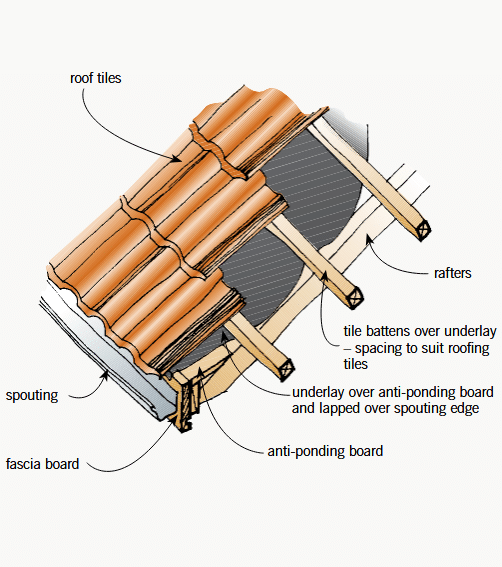
Roof underlayment is the protective layer between your roof deck and the outer roofing material, such as shingles, tile, or metal. It’s what keeps your home dry when the weather turns bad.
This layer blocks water from rain or melting snow, prevents moisture from soaking into the wood deck, and adds an extra line of defense if shingles loosen or blow off. It also helps balance attic temperature, keeping your home more energy-efficient and reducing the need for roof repair or roof replacement.
Every roof system works in layers: Roof deck-Underlayment-Roofing material.
Without a strong underlayment, your roof can’t perform as it should. It’s what protects your home’s structure from leaks and costly damage, helps your roof last longer, and keeps your warranty valid.
Source: Building Magazine
Also, read:
- Does A New Roof Increase Home Value?
- Signs You Need A New Roof: Complete Checklist
- Getting Accurate Roof Replacement Estimates
Main Types Of Underlayment
There are three main types of underlayment. Each og them has its own strengths and ideal uses. Understanding the differences will help you choose the best option for your home and budget.
Asphalt-Saturated Felt (Traditional Felt)
This classic type of underlayment is made from paper or fiberglass soaked in asphalt to help resist moisture. Asphalt-saturated felt is budget-friendly and is ideal as a secondary layer under tile roofs.
Pros:
- Low upfront cost.
- Proven performance over decades.
- Easy to find and install.
Cons:
- Tears easily during installation.
- Shorter lifespan (about 15–20 years).
- It must be covered quickly, as sun exposure can damage it.
Synthetic Underlayment
This underlayment is made from woven polypropylene or polyethylene with a waterproof coating. It’s now the most popular choice for new roofs because it’s stronger, lighter, and longer-lasting than felt. It is ideal for most residential homes in areas with changing weather, like heat, rain, or wind.
Pros:
- Lightweight and tear-resistant.
- UV- and mold-resistant; can stay exposed longer before shingles go on.
- Printed guides make installation faster and more accurate.
- Non-slip surface for safer footing.
- It can last 25–50 years, depending on quality.
Cons:
- Slightly higher cost than felt.
- Not all products meet the same standards.
Rubberized Asphalt (Self-Adhering)
Rubberized asphalt underlayment is a premium, self-adhesive option made from rubber polymers blended with asphalt. It sticks directly to the roof deck and creates a waterproof seal that self-heals around nails and fasteners. It is ideal for homes in heavy rain or snow areas, and with premium roofing systems where maximum durability and protection are crucial.
Pros:
- Completely waterproof and self-sealing.
- Ideal for valleys, eaves, and cold regions prone to ice dams.
- Offers the highest level of protection and longevity.
- Works especially well under metal or tile roofs.
Cons:
- More expensive than other types.
- It must be installed carefully.
- Best handled by professionals.

Key Factors When Choosing Underlayment
Picking the right roof underlayment isn’t just about price, it’s about matching the material to your home’s needs and environment. Here are the main things to consider before you decide.
Climate
- Wet or snowy areas: choose waterproof or self-sealing underlayment like rubberized asphalt to block leaks.
- Hot, sunny climates: Choose UV-resistant synthetic underlayment that won’t dry out or crack in the heat.
- Coastal regions: Choose materials that can handle humidity, salt, and corrosion over time.
Roof Material
- Asphalt shingles work well with synthetic or felt underlayment.
- Metal roofs work well with rubberized or high-temperature synthetic underlayment.
- Tile roofs work well, with heavy and durable materials that can support the extra weight.
Roof Pitch
- Low slopes (below 4:12): Use multiple layers or a self-adhering membrane for better waterproofing.
- Steep slopes: A single layer of synthetic underlayment usually provides enough coverage.
Building Codes and Warranties: Before choosing an underlayment, check local building codes for requirements on fire ratings or wind resistance. Many shingle manufacturers also require approved underlayments to keep your roof warranty valid.
Budget and Long-Term Value: When choosing an underlyment, don’t just look at the upfront cost. A higher-quality underlayment may cost more initially, but it can add decades to your roof’s life and save money on future repairs.
Every home is different, and the right underlayment can make all the difference in durability and protection. Our experts can help you choose the best option for your home and budget.
Get a free quote
How Roofing Underlayment Is Installed
Installing roof underlayment is a detailed process that protects your home from leaks. A good underlayment also ensures that your roof lasts for years. While it may look simple, professional roofers follow specific steps to get it right.
Step 1: Roof Deck Preparation
Before laying the underlayment, the roof deck is inspected for soft spots, rot, or loose boards. You will need to repair the roof if there is any damage. The surface must be clean and dry so the material can stick properly and form a tight seal.
Step 2: Underlayment Layout
Installation starts at the bottom edge of the roof (the eaves) and works upward. Each new row overlaps the one below it by about 4–6 inches to create a watertight barrier. Roofers secure the underlayment with roofing nails or cap fasteners. Synthetic materials usually need fewer fasteners since they lie flatter and are lighter.
Step 3: Sealing Critical Areas
Extra protection is added around roof valleys, chimneys, vents, and skylights. A self-adhering membrane is often used to create a tight, waterproof seal.
Step 4: Weather Considerations
Roofers avoid installing underlayment on wet or icy surfaces, as moisture can prevent proper adhesion. Synthetic options can stay exposed for several months (90–180 days), which is helpful during large projects or weather delays.
Step 5: Professional vs. DIY
While small roof repairs can sometimes be handled by experienced DIYers, a full roof installation should always be done by licensed professionals. Steep roofs, large areas, or premium systems require expert tools and safety gear. Professional installation ensures precise coverage, fewer mistakes, and long-term performance.
PRO TIP: Always ask your roofing contractor which underlayment they use. High-quality materials and certified installation can protect your home for years to come.
Maintenance And Lifespan Tips
Even the best underlayment needs a little care to stay effective. Regular maintenance can help your roof last longer and prevent costly repairs.
- Inspect your roof regularly, especially after heavy rain or wind. Look for loose or missing shingles that can expose the underlayment to the elements.
- Keep gutters clean so water drains properly and doesn’t pool on the roof. Clogged gutters can cause moisture to back up and damage both shingles and underlayment.
- Check your attic for leaks or stains. These are early signs that the underlayment might be wearing out or that water is getting through the roof deck.
- Maintain attic ventilation. Proper airflow prevents heat and moisture buildup, which can shorten the life of your roofing materials.
- Replace damaged shingles quickly. Underlayment is designed as a backup barrier, not a long-term surface.
A little attention each season can go a long way in protecting your underlayment and extending the lifespan of your entire roof system.
Common Mistakes To Avoid
When installing or choosing underlayment, a few mistakes can lead to leaks or shorten your roof’s lifespan. Here’s what to watch out for:
- Using felt in humid or windy areas. Traditional felt can tear or absorb moisture, which makes it less reliable in harsh climates.
- Not overlapping layers correctly. Each layer should overlap the one below it to create a watertight seal. Gaps allow water to seep in and damage the roof deck.
- Leaving the underlayment exposed too long. Sun and weather can break down materials that aren’t meant for long-term exposure.
- Ignoring local building codes. Skipping permits or using non-approved materials can void warranties and lead to costly fixes.
- Choosing uncertified synthetics. Always look for underlayment that meets ASTM standards to ensure quality and performance.
A dependable roof starts with a strong foundation, meaning the right underlayment is essential. This hidden layer does the hard work of keeping your home safe from leaks, heat, and weather damage. When installed correctly, it helps your roof last longer and perform better in every season.
At Roof Replacement Inc., we’ve spent over 20 years helping Southern California homeowners protect what matters most. Our licensed team provides expert roof repair, new roof installation, roof removal and installation, and cool roofing solutions designed for the region’s unique climate. Whether you’re dealing with storm damage, an aging roof, or rising energy costs, we deliver honest guidance, transparent pricing, and high-quality materials.
Don’t wait for leaks or costly damage to show up. Your roof’s strength starts with expert care and the right materials.
Get a free quote
FAQs
Do I still need a full roof underlayment if I’m installing a high-end metal or tile roof?
Yes. Even premium roofing materials rely on a quality underlayment beneath to protect the deck from moisture and provide compliance. Skipping this layer can compromise performance and void warranties.
Where and why should I use a “roof ice and water shield”?
A roof ice and water shield (self-adhering rubberized underlayment) is ideal in leak‐prone areas like eaves, valleys, and around chimneys, especially in cold or wet regions. It provides a watertight seal when moisture or ice dams might drive water beneath the shingles.
How often should I expect to replace the underlayment without tearing off the entire roof?
With a high-quality synthetic underlayment, you may get 25–50 years of performance before it needs replacement. In contrast, traditional felt may need replacement in around 15–20 years. Regular inspections help identify when the underlayment is the weak link.
Will installing premium underlayment really save me money over time?
Yes, while the initial cost may be higher, investing in a better underlayment reduces future repairs, extends the life of your roof, and may lower insurance premiums. It’s a long-term value decision.
Can I install underlayment myself, or should I hire a professional?
You can handle minor repairs, but full-scale roof jobs demand a licensed professional, especially when the correct installation of roof underlayment and flashing affects code compliance and warranty validity. Placement or sealing errors cause the most failures.
Related Posts


What Our Clients Say

Roof Replacement Inc. offers professional, high-quality work, guaranteed (call for details); ensuring all clients projects meet all code and design requirements. We are dedicated to exceptional customer service and will strive to ensure you with the highest quality roofing services. Roof Replacement Inc. offers lifetime warranty (call for details) on all of our workmanship to ensure the quality of our work. With over four decades of experience and success within the roofing and construction industry, Roof Replacement Inc. has grown and developed in all areas of roofing construction, including roof inspections. As a leading residential and commercial roofing company in LA, we have hundreds of references from previous clients, so rest assured, that your roofing job will be done right the first time. Replacing an old roof can help add curb appeal and will increase the perceived value of your home. First impressions are vital when selling your home, especially when your roof takes up more than half of the exterior of your residence or business. Not only is the return of investment on a new roof attractive for potential buyers, but can be as beneficial as remodeling the kitchen or bathrooms within your residence.


