The Morning Your Ceiling Started Dripping
You’re pouring coffee in your Arts District loft when you notice a dark stain spreading across the ceiling near the skylight. What started as a barely visible discoloration last month has transformed into an active drip, landing squarely on your hardwood floor. This is the moment most homeowners realize their roof flashing has failed—but by then, moisture has already infiltrated the structure, potentially compromising insulation, framing, and drywall. For properties in Los Angeles where home values average $900,000, ignoring compromised flashing means risking thousands in structural repairs that could have been prevented with early intervention.
📋 In This Guide
Flashing serves as your roof’s first line of defense at critical junctions where different materials meet—transitions that create natural weak points in your waterproofing system. In a climate where temperature swings between 50°F winter mornings and 95°F summer afternoons, the constant expansion and contraction of metal components accelerates seal degradation far faster than in more temperate zones. Understanding where failures occur and how to identify them before catastrophic leaks develop is essential for every property owner, whether you’re managing a historic Spanish Colonial in Highland Park or a modern downtown high-rise.
Recognizing the Early Warning Signs of Flashing Deterioration
Most flashing failures announce themselves long before water appears inside your home. The challenge is knowing where to look and what visual cues signal imminent problems. Begin by examining all roof penetrations and transitions from both inside and outside your property. Inside your attic, use a flashlight to trace along chimneys, vent pipes, and skylights during daylight hours—any pinpoint of light penetrating the darkness indicates a separation in your flashing system. Water stains on attic sheathing or framing near these penetrations confirm active moisture intrusion, even if you haven’t noticed ceiling damage in living spaces.
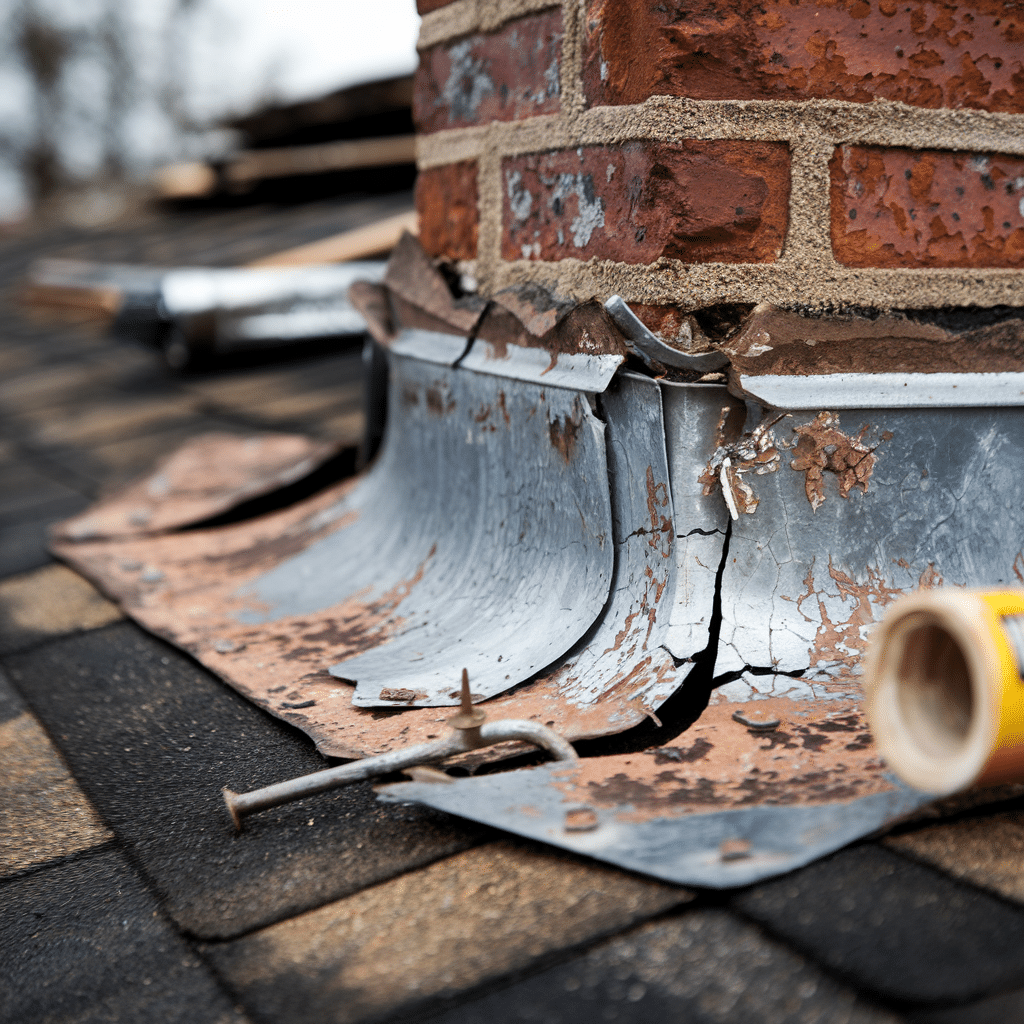
From the exterior, focus on sealant condition around flashing components. Caulk and roof cement exposed to Los Angeles sun become brittle and crack within 3-5 years, creating pathways for water entry. Look for gaps between flashing and adjacent surfaces, especially where vertical walls meet roofing planes. Metal flashing itself develops problems over time—galvanized steel corrodes when protective coatings fail, aluminum develops pinholes from oxidation, and copper can separate at soldered joints. If you notice rust streaks running down from flashing joints, brown staining on surrounding shingles, or visible separation between layered flashing pieces, deterioration has progressed beyond the cosmetic stage.
Pay particular attention to any flashing installed during previous Roof Repair in Los Angeles projects. Rushed repairs often rely on excessive sealant application to compensate for improper installation—a temporary fix that fails within seasons. Quality flashing depends on mechanical overlapping and proper integration with the roofing system, not adhesive alone. If you see thick beads of tar or caulk holding components together, plan for replacement rather than attempting another patch.
Diagnosing Chimney Flashing Systems: Base, Counter, and Step Components
Chimney flashing represents one of the most complex assemblies on residential roofs, requiring multiple interlocking components to create a weather-tight seal. The system typically consists of base flashing that extends from beneath shingles onto the chimney masonry, step flashing that runs along the chimney sides and integrates with each shingle course, and counter flashing embedded into chimney mortar joints that covers the base components. Each element must remain properly positioned and sealed for the system to function—failure of any single piece compromises the entire assembly.
The most common failure point occurs where counter flashing meets chimney masonry. Mortar joints deteriorate over time, allowing counter flashing to work loose from its embedded position. Once separation occurs, water flows behind the flashing and into the structure. To inspect this connection, carefully examine mortar joints around the entire chimney perimeter. Crumbling mortar, visible gaps between flashing and brick, or flashing pieces that move when pressed all indicate failed integration. The solution requires repointing mortar joints and properly re-embedding counter flashing—a repair that demands masonry experience beyond typical roofing work.
Base flashing deterioration typically results from sealant failure or metal corrosion. On the uphill side of chimneys, a critical flashing piece called a cricket or saddle diverts water around the obstruction. This component must remain securely fastened and sealed to prevent water from pooling against the chimney back wall. Inspect the cricket’s sealant carefully—any cracking or separation requires immediate attention. For Downtown LA properties with older chimneys, the original flashing may be approaching 20-30 years of age, well beyond the typical service life of sealants and protective coatings. At this point, complete flashing system replacement becomes more cost-effective than repeated patch repairs.
Skylight and Roof Penetration Failure Patterns
Skylights fail in predictable patterns based on their installation method and age. Older curb-mounted skylights rely on site-built flashing that integrates with surrounding roofing materials. These assemblies depend heavily on sealant continuity and proper lap sequencing—water must flow over each successive flashing layer without finding reverse paths into the structure. The most vulnerable point sits at the skylight’s uphill curb, where a continuous seal must prevent water from working underneath the assembly. Inspect this junction carefully, looking for gaps, cracks, or areas where sealant has pulled away from either the curb or the roofing material.
Modern skylights often utilize factory-installed flashing kits that arrive as complete systems. While these assemblies provide superior weather resistance when properly installed, they fail when roofers attempt shortcuts during replacement projects. The most common error involves inadequate integration with the underlayment—if ice and water shield doesn’t extend far enough beyond the skylight opening or isn’t properly lapped with the flashing components, moisture finds entry points. For Roofing services in Los Angeles properties undergoing reroofing, insist that installers follow manufacturer specifications exactly rather than relying on field experience alone.
Vent pipe boots represent another frequent failure point, particularly on older homes with original galvanized flashing. These components consist of a metal base that slides under shingles and a rubber or neoprene collar that seals around the pipe itself. The rubber collar degrades rapidly in intense sun exposure, becoming brittle and cracked within 10-15 years. Once cracking begins, replacement is the only viable solution—sealants applied to compromised rubber collars fail within months. Modern replacement boots utilize EPDM rubber or thermoplastic materials with superior UV resistance, but these components still require periodic inspection and eventual replacement as part of normal maintenance cycles.
Valley Flashing: Material Selection and Installation Standards
Valley installations represent critical water channeling systems that concentrate runoff from large roof sections into narrow paths. Two primary installation methods dominate modern construction: open valleys using metal flashing and closed valleys where shingles weave or are cut to form the channel. Open metal valleys provide superior longevity and easier maintenance but cost more initially. Closed valleys offer cleaner aesthetics but concentrate wear on shingle materials that weren’t designed for continuous water flow.
For open valley systems, flashing material selection determines service life. Galvanized steel provides the most economical option but corrodes within 15-20 years in coastal climates like nearby Roofing in Mar Vista. Aluminum offers better corrosion resistance but can develop pinholes from electrolytic reaction with dissimilar metals. Copper provides the longest service life—often exceeding 50 years—but costs significantly more. When inspecting valley flashing, look for rust perforation, separated seams, or areas where the flashing has lifted from the roof deck. Any of these conditions indicates imminent failure requiring replacement before the next significant rain event.
Closed valley failures typically manifest as premature shingle wear along the valley centerline. As water concentrates and accelerates through the channel, it erodes protective granules and exposes underlying asphalt. Once this deterioration begins, the valley’s waterproofing depends entirely on the underlayment—a layer never designed for direct weather exposure. If you notice a worn stripe running down valley centers or water staining on underlying sheathing, the valley has failed and requires reconstruction. This repair cannot be patched—successful resolution demands removing shingles from the entire valley area, installing proper ice and water shield, and rebuilding the assembly to current standards.
Emergency Temporary Repairs and Professional Replacement Timing
When active leaks develop, immediate temporary measures can limit damage while you arrange professional repair. For small penetration leaks around vent pipes or skylights, apply roofing cement generously around the compromised area, extending coverage at least six inches beyond visible damage. This provides short-term protection for days or weeks but should never be considered a permanent solution. For separated flashing at vertical walls or chimneys, carefully clean both surfaces, apply a continuous bead of high-quality polyurethane sealant, and press the flashing firmly into place. Again, this buys time rather than solving the underlying problem.
Understanding when emergency patches have reached their limit requires honest assessment. If you find yourself repeatedly applying sealant to the same locations, the flashing system has failed and requires replacement. For properties in South Park neighborhoods where maintaining home values matters significantly, documenting recurring repairs helps justify replacement costs to insurance carriers. Take dated photographs of failed areas and keep records of patch attempts—this documentation often proves crucial when Finding Water Intrusion in Your Roof Before Major Structural Damage Occurs becomes an insurance claim discussion.
Professional flashing replacement costs vary widely based on complexity and accessibility. Simple vent pipe boot replacement typically runs $150-300 per location, while complete chimney flashing systems can cost $800-2,000 depending on chimney size and masonry condition. Skylight reflashing generally falls in the $500-1,200 range for standard sizes. These costs increase substantially if underlying deck damage requires repair—wet sheathing must be replaced before new flashing installation, adding $50-100 per square foot to project costs. For budget-conscious Los Angeles homeowners where median household income is $72,000, addressing flashing problems promptly prevents the exponentially higher costs of structural repairs.
The climate reality in Los Angeles makes timing critical. Our extended dry season from May through October provides ideal conditions for flashing work—materials install properly, sealants cure completely, and you can verify repairs before winter rains return. Attempting flashing repairs during wet weather invites moisture into opened assemblies and prevents proper adhesion of sealants. Plan major flashing projects for late summer or early fall, giving contractors optimal working conditions and yourself peace of mind before storm season arrives.
Selecting Materials and Contractors for Lasting Flashing Repairs
Material quality determines flashing longevity more than any other factor. When planning replacements, avoid economy-grade galvanized steel unless you accept the need for replacement within 15-20 years. For properties you intend to own long-term, invest in aluminum for moderate-cost areas and copper for critical locations like chimneys and complex valleys. The upfront cost differential pays returns through decades of maintenance-free service. Insist that contractors use ice and water shield underlayment at all flashing locations—this self-sealing membrane provides critical backup protection when primary flashing develops minor issues.
Sealant selection matters equally. Standard roofing cement breaks down rapidly in intense sun exposure. Specify polyurethane or high-quality butyl rubber sealants for exposed applications. These materials maintain flexibility through temperature extremes and resist UV degradation far better than asphalt-based products. For chimney counter flashing, require contractors to use mortar rather than relying solely on sealants—mechanical integration into masonry provides the only reliable long-term solution.
Contractor selection requires scrutiny beyond standard licensing and insurance verification. Ask specifically about flashing installation training and request examples of previous work. Many roofing crews excel at shingle installation but lack proper flashing knowledge—this leads to installations that look acceptable initially but fail prematurely. For complex projects involving chimneys or multiple skylights, consider contractors who specialize in Understanding Roofing Warranties: What Every Los Angeles Homeowner Should Know repair work rather than just new construction. Experience with remediation reveals proper techniques that prevent recurring problems.
For residents in Historic Core properties with unique architectural details, finding contractors experienced in historic preservation matters significantly. Original flashing on vintage buildings often utilized methods and materials no longer common in modern construction. Proper restoration requires understanding these traditional techniques while incorporating modern waterproofing improvements. The wrong contractor may substitute incompatible materials or installation methods that compromise both functionality and historic character.
When you’re ready to address flashing concerns professionally, Roof Replacement Inc provides comprehensive inspection and repair services throughout Los Angeles. Our team understands the specific challenges that climate and architectural diversity create for flashing systems. We’ll evaluate your entire roof assembly, identify current and potential failure points, and provide detailed repair recommendations with transparent pricing. Contact us at (213) 364-3979 to schedule an inspection. Early intervention on flashing problems prevents the structural damage that transforms manageable repairs into major reconstruction projects—protecting both your property and your investment.
Related Posts




What Our Clients Say

Roof Replacement Inc. offers professional, high-quality work, guaranteed (call for details); ensuring all clients projects meet all code and design requirements. We are dedicated to exceptional customer service and will strive to ensure you with the highest quality roofing services. Roof Replacement Inc. offers lifetime warranty (call for details) on all of our workmanship to ensure the quality of our work. With over four decades of experience and success within the roofing and construction industry, Roof Replacement Inc. has grown and developed in all areas of roofing construction, including roof inspections. As a leading residential and commercial roofing company in LA, we have hundreds of references from previous clients, so rest assured, that your roofing job will be done right the first time. Replacing an old roof can help add curb appeal and will increase the perceived value of your home. First impressions are vital when selling your home, especially when your roof takes up more than half of the exterior of your residence or business. Not only is the return of investment on a new roof attractive for potential buyers, but can be as beneficial as remodeling the kitchen or bathrooms within your residence.

