Choosing the right roofing company protects your home and your wallet. This guide walks you through 8 essential questions to ask before you hire any roofer in California.
Why Does Choosing the Right Roofing Company Matter So Much?
Your roof is one of the most expensive components of your home, and a bad hire can cost you tens of thousands of dollars in faulty work, water damage, or voided manufacturer warranties. In California, roofing scams spike after every major wind event or rainstorm, so knowing how to choose a roofing company before you need one is genuinely protective.
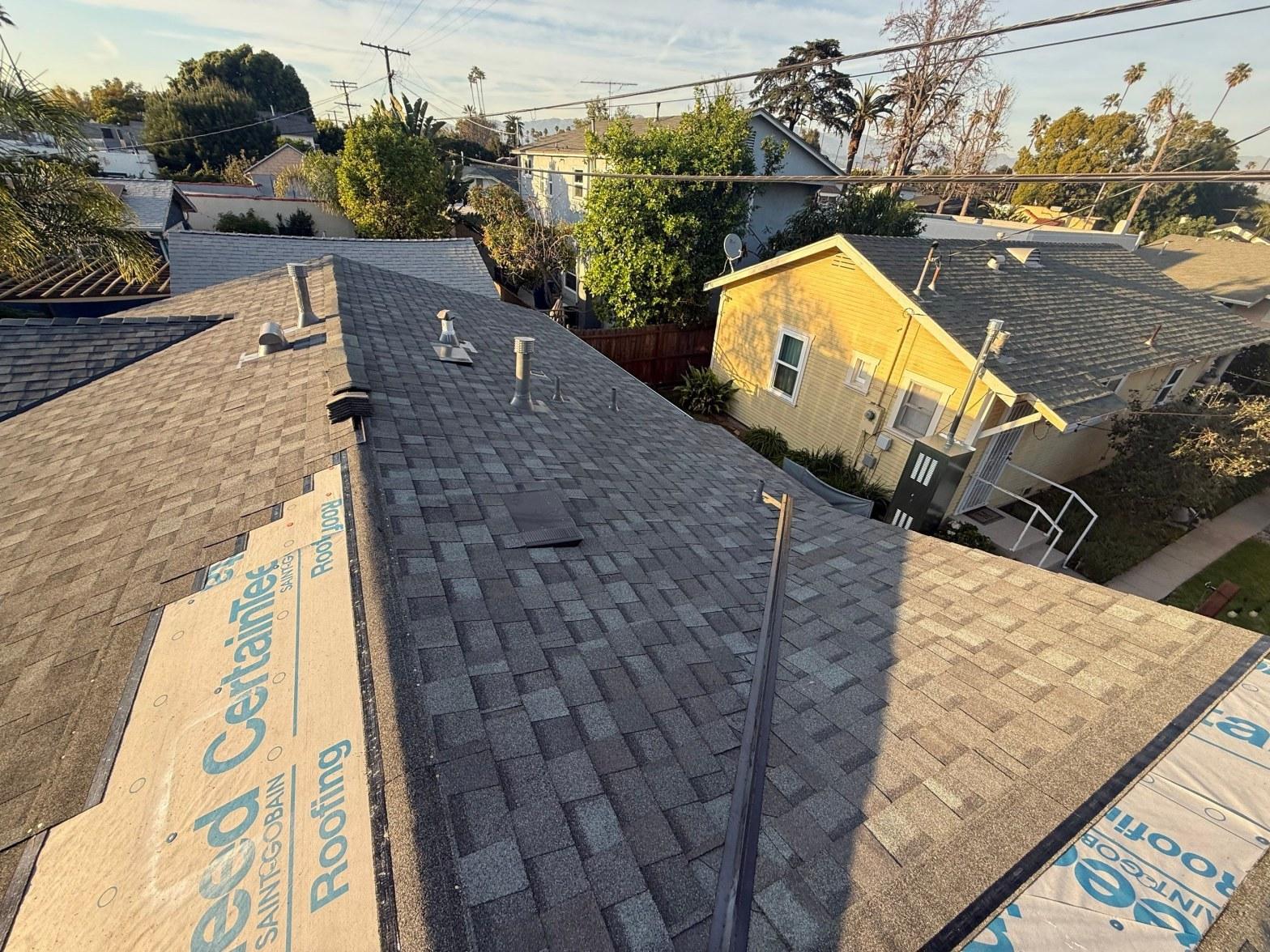
A licensed, insured roofing contractor will follow California’s Title 24 building energy standards, pull the correct permits, and back their work with a written warranty. An unlicensed crew may disappear after the first rain. The stakes are high enough that the eight questions in this guide are worth asking every single time.
How Do You Verify a Roofer’s License and Insurance in California?
Every roofing contractor working in California must hold an active license issued by the California Contractors State License Board (CSLB) — specifically a Class C-39 Roofing license. You can verify any license number for free at cslb.ca.gov in about 60 seconds.
Beyond the license, ask for two separate insurance certificates: general liability and workers’ compensation. General liability protects your property if the crew damages your home. Workers’ comp protects you from lawsuits if a worker is injured on your roof. If a contractor cannot produce both documents within 24 hours of your request, that is a serious warning sign.
Also confirm the policy expiration dates. A certificate that expired three months ago offers you zero protection. Call the insurance carrier directly to confirm the policy is active if you have any doubt.
What Questions Should You Ask Before You Hire a Roofing Company?
Asking the right questions up front separates professional roofing companies from fly-by-night operators. The eight questions below are the ones that matter most before you sign anything.
- Are you licensed by the CSLB with a C-39 classification? This is the baseline. No license means no hire.
- Can you show proof of general liability and workers’ compensation insurance? Ask for certificates naming you as the certificate holder.
- Will you pull the required building permits? In most California counties, a full roof replacement requires a permit. A contractor who skips this step puts you at risk when you sell the home.
- What roofing materials do you recommend for my roof pitch and climate zone? California has 16 climate zones, and the right material varies significantly. A knowledgeable roofer can explain why they recommend asphalt shingles, concrete tile, or a cool-roof coating for your specific situation.
- Do you handle roof removal as part of the job? Layering new shingles over old ones is sometimes allowed by code, but it adds weight and can shorten the new roof’s lifespan. Ask whether roof removal is included in the bid.
- What does your warranty cover, and for how long? Look for two separate warranties: a manufacturer’s material warranty (often 25 to 50 years on premium products) and a workmanship warranty from the contractor (typically 2 to 10 years for quality roofers).
- Who will actually be on my roof — your employees or subcontractors? Subcontractors are common, but make sure they are also licensed and covered under the general contractor’s insurance policy.
- Can you provide three recent local references I can contact? A confident roofing company will hand you references without hesitation. Call them and ask specifically about cleanup, timeline, and how the contractor handled any problems.
How Much Does Roof Replacement or Repair Cost in California?
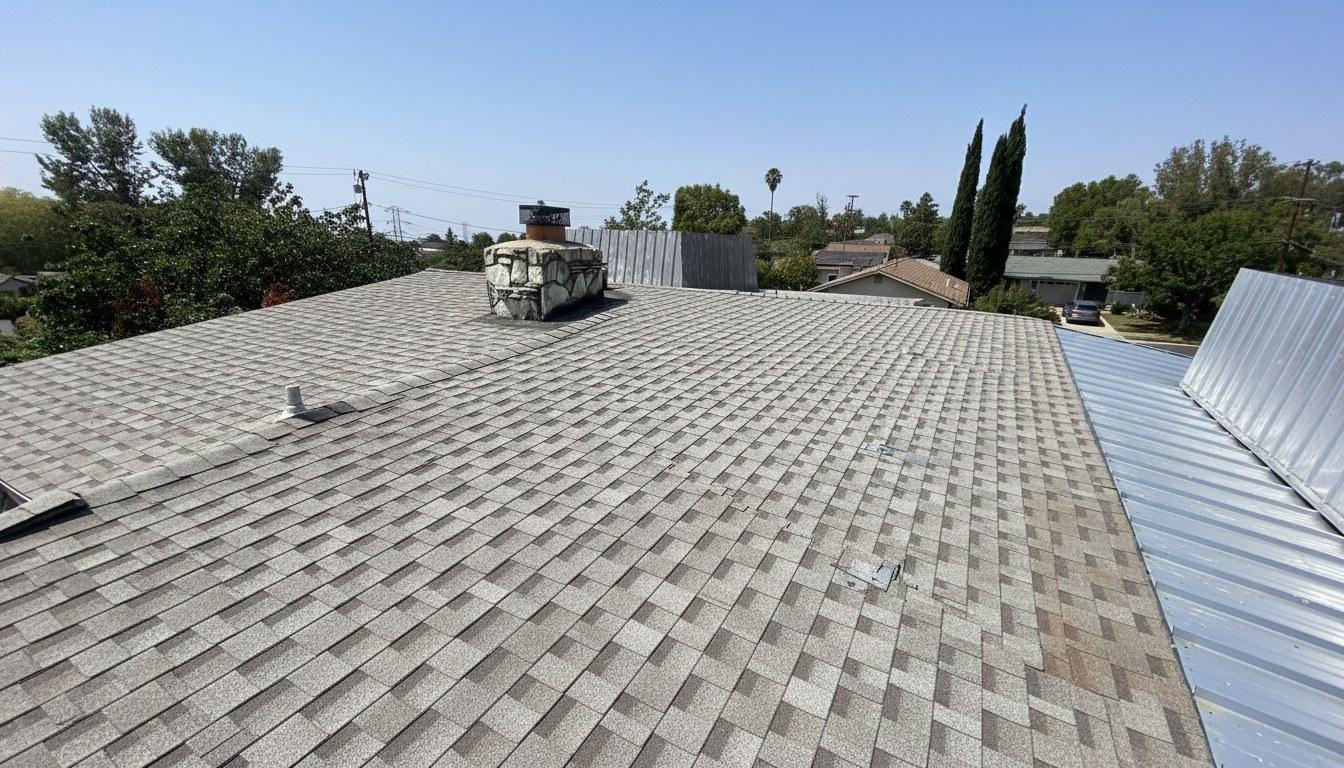
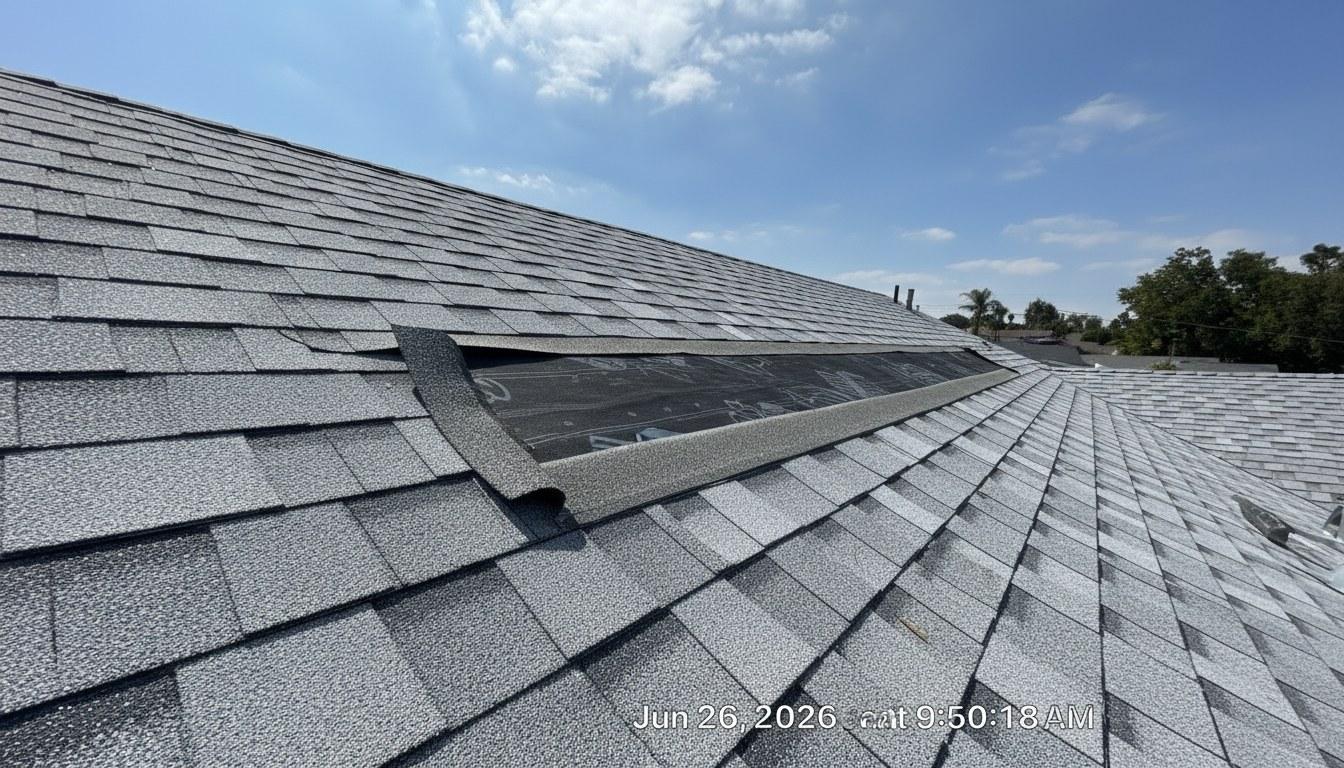
Roof replacement in the California market typically ranges from $8,000 to $25,000 for a standard single-family home, while targeted repairs generally fall between $400 and $3,500 depending on the scope. Several factors push costs toward the higher end of these ranges.
Our team replaces roofs across Southern California and consistently sees that steep-pitch roofs (above a 6:12 slope) add 20 to 30 percent to labor costs compared to low-slope or flat roofs. Material choice is the second biggest driver — concrete tile runs roughly 40 to 60 percent more per square than standard three-tab asphalt shingles.
| Cost Factor | Typical Impact on Price |
|---|---|
| Roof size (per 100 sq ft “square”) | Each roofing square adds $350–$700 in material and labor |
| Pitch (slope steeper than 6:12) | Adds 20–30% to labor costs |
| Material type (asphalt vs. tile vs. metal) | Asphalt is lowest cost; metal and tile run 40–100% more |
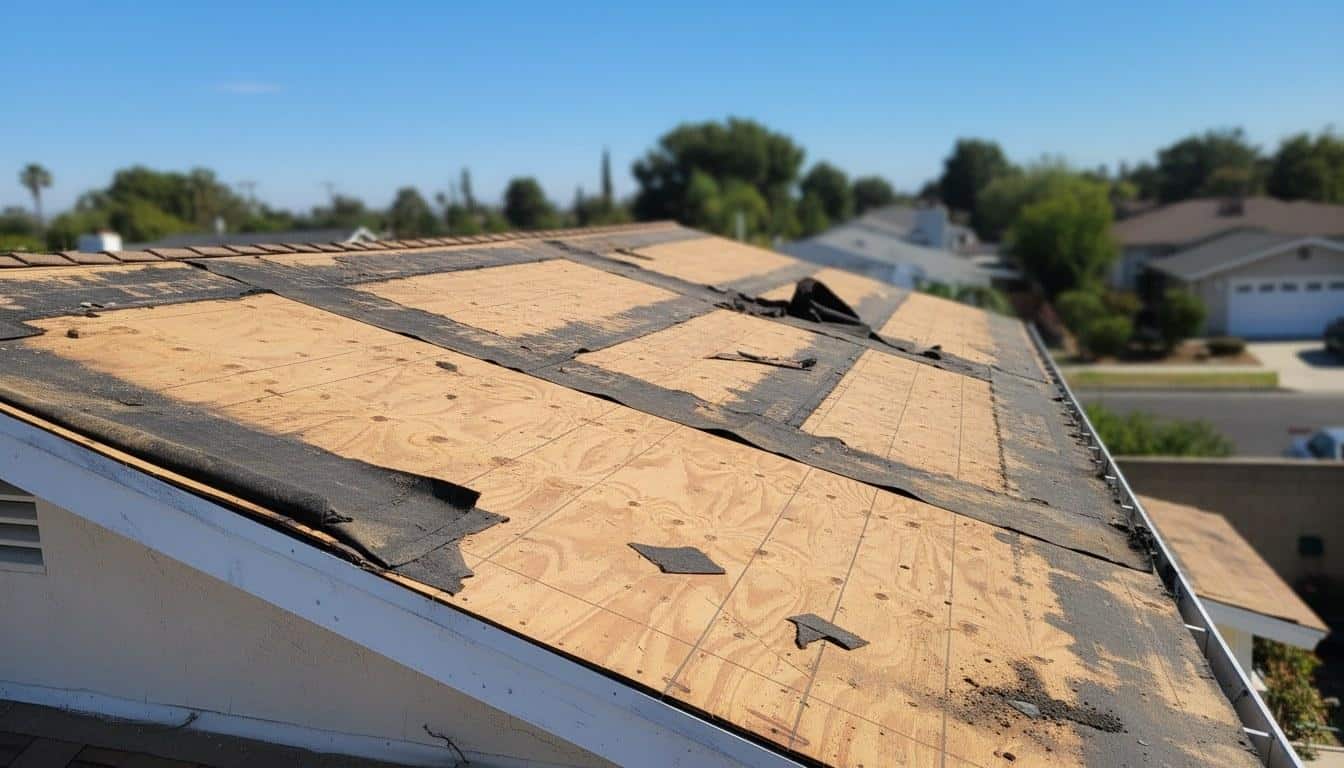
| Roof removal of existing layers | Adds $1,000–$3,000 for a typical home |
| Decking repairs found during tear-off | $75–$150 per sheet of plywood replaced |
| Permit fees (varies by county) | Generally $150–$600 in most California counties |
California homeowners may also qualify for the ENERGY STAR federal tax credit tied to the Inflation Reduction Act federal tax credit if they install a qualifying cool roof or energy-efficient roofing system. As of 2024, this credit covers up to 30 percent of the cost of eligible energy improvements, which can meaningfully offset a roof upgrade. Always request a custom quote based on your specific roof — ranges are a starting point, not a final number.
What Are the Biggest Red Flags When Hiring Roofing Companies?
Storm chasers, door-to-door salespeople demanding a same-day deposit, and bids that are 40 to 50 percent below every other estimate are the three most common warning signs that a roofing company is not trustworthy. Knowing these patterns before you are in the middle of a stressful situation helps you walk away.
Storm chasers, door-to-door salespeople demanding a same-day deposit, and bids that are 40 to 50 percent below every other estimate are the three most common warning signs that a roofing company is not trustworthy.
- No physical address: Legitimate roofing companies have a verifiable business address. A P.O. box or a contractor who refuses to provide one is a red flag.
- Cash-only payment demands: Reputable contractors accept checks or financing. Demanding full cash payment up front removes your ability to dispute the work.
- Pressure to skip permits: Any roofer who suggests skipping the permit to “save you money” is exposing you to fines, failed inspections, and resale problems.
- Unusually low bids: A bid that is dramatically lower than the others usually means the contractor plans to cut corners on materials, skip proper roof removal, or use unlicensed labor.
- No written contract: California law requires home improvement contracts over $500 to be in writing. Verbal agreements are unenforceable and leave you with no recourse.
- Asking you to sign over insurance rights: Some contractors ask homeowners to sign an Assignment of Benefits form immediately after a storm. This transfers your insurance claim rights to the contractor and removes your control over the process.
How Do You Compare Roofing Bids Without Getting Confused?
Compare roofing bids line by line — not just the bottom-line total — because two bids at the same price can represent very different scopes of work. Get at least three written estimates before making a decision.
When reviewing bids from roofing contractors, look for these specific items in writing:
- Total number of roofing squares to be replaced or repaired
- Whether roof removal is included and how many layers will be torn off
- Brand and product line of the proposed materials (not just “asphalt shingles”)
- Underlayment type — synthetic underlayment typically lasts longer than traditional felt
- Flashing details around chimneys, skylights, and vents
- Who is responsible for pulling permits and scheduling inspections
- Payment schedule (avoid paying more than 10 percent or $1,000 down, whichever is less, per California’s home improvement contract rules)
- Start date and estimated completion timeline
- Cleanup and haul-away of old materials
Across our service calls in Southern California, we find that roughly 60 percent of homeowners who received only one bid ended up with a scope gap — something they expected to be included was not covered, leading to surprise charges mid-project. Getting three bids in writing closes that gap before work begins.
Roughly 60 percent of homeowners who received only one bid ended up with a scope gap — something they expected to be included was not covered, leading to surprise charges mid-project.
Residential roofing projects in California must also comply with local building codes that reference California’s Title 24 building energy standards. A qualified contractor will know which cool-roof requirements or insulation upgrades apply to your climate zone and include them in the bid automatically — not as an aftercharge after tear-off begins.
| Bid Item | What to Look For | Why It Matters |
|---|---|---|
| Material brand and grade | Named manufacturer, specific product line | Generic “shingles” could mean builder-grade with a 15-year lifespan |
| Roof removal included? | Explicit yes/no with layer count | Layering adds weight; removal adds cost but protects long-term integrity |
| Permit responsibility | Contractor pulls and pays for permit | Skipped permits create resale and insurance problems |
| Workmanship warranty | Minimum 2 years; 5–10 years is better | Manufacturer warranty does not cover installation errors |
| Payment terms | No more than 10% or $1,000 down | California law limits upfront deposits on home improvement contracts |
Ready to Get a Reliable Roof Estimate?
Knowing how to choose a roofing company is the first step — the second is connecting with a contractor who will answer every one of those eight questions without hesitation. Roof Replacement Inc serves homeowners across Southern California and is licensed by the California Contractors State License Board (CSLB).
Whether you need a full roof replacement, targeted repairs, or a professional inspection after a storm, get your questions answered before any work begins. Call (213) 364-3979 to schedule a written estimate with no pressure and no obligation. A clear, itemized bid is the foundation of every project we take on.
Explore our full range of roofing services across Southern California.
Frequently Asked Questions
How do I know if a roofing company is legit before I hire them?
Check their license number on the California Contractors State License Board (CSLB) website at cslb.ca.gov to confirm they hold an active C-39 Roofing classification. Then ask for insurance certificates showing both general liability and workers' compensation coverage. A legitimate roofing company will also provide a written contract and pull the required permits — any contractor who resists any of these steps is a red flag.
How many bids should I get before choosing a roofing contractor?
Get at least three written bids before making a decision. Three bids give you enough data to spot an outlier — either a suspiciously low bid that may signal corner-cutting or an inflated one. Compare each bid line by line, not just the total, so you can see exactly what is and is not included in each scope of work.
How do I repair a leaky roof or know if I need a full replacement?
A licensed roofer can tell you whether a leak requires a targeted repair or a full replacement after a proper inspection. Repairs typically make sense when damage is limited to a small area — a few missing shingles, failed flashing around a chimney, or a cracked vent boot. If the roof is more than 20 to 25 years old, has widespread granule loss, or shows sagging decking, replacement is usually the more cost-effective long-term choice.
Does a roofing company need to pull a permit for roof replacement in California?
Yes, most California counties require a building permit for a full roof replacement. The permit triggers an inspection that confirms the work meets local building codes, including California's Title 24 energy standards. A contractor who suggests skipping the permit to save money is putting you at legal and financial risk when you sell or file an insurance claim.
What is a fair down payment to give a roofing contractor?
California's home improvement contract law limits the initial deposit to 10 percent of the total contract price or $1,000, whichever is less. Any contractor demanding a large upfront cash payment before work begins is not following state law and may not be trustworthy. A reasonable payment schedule ties installments to project milestones, with the final payment due only after the work passes inspection and you are satisfied.
Related Articles




What Our Clients Say

Roof Replacement Inc. offers professional, high-quality work, guaranteed (call for details); ensuring all clients projects meet all code and design requirements. We are dedicated to exceptional customer service and will strive to ensure you with the highest quality roofing services. Roof Replacement Inc. offers lifetime warranty (call for details) on all of our workmanship to ensure the quality of our work. With over four decades of experience and success within the roofing and construction industry, Roof Replacement Inc. has grown and developed in all areas of roofing construction, including roof inspections. As a leading residential and commercial roofing company in LA, we have hundreds of references from previous clients, so rest assured, that your roofing job will be done right the first time. Replacing an old roof can help add curb appeal and will increase the perceived value of your home. First impressions are vital when selling your home, especially when your roof takes up more than half of the exterior of your residence or business. Not only is the return of investment on a new roof attractive for potential buyers, but can be as beneficial as remodeling the kitchen or bathrooms within your residence.

