

Comparing Water Damage Patterns Across Tile, Composition, and Flat Roof Systems
The way water infiltrates and travels through your roofing system depends entirely on what’s covering your Sherman Oaks home. A tile roof might channel moisture in completely different patterns than asphalt shingles, while flat roofing systems present unique detection challenges that homeowners often miss until significant damage has occurred. Understanding these material-specific vulnerabilities helps you know exactly where to look—and what warning signs matter most for your particular roof type.
📋 In This Guide
In Sherman Oaks’ Fashion Square Area and Sherman Oaks Hills neighborhoods, where million-dollar homes feature diverse roofing materials, the same rainfall event can create vastly different leak scenarios depending on whether you’re dealing with concrete tile, composition shingles, or modified bitumen. This material-based detection framework helps you target your inspection efforts where they’ll actually reveal problems before structural damage begins.
Concrete and Clay Tile Systems: Reading the Underlayment Failure Timeline
Tile roofs present a paradox: the tiles themselves rarely fail, but the waterproofing membrane beneath them degrades invisibly. Water enters through broken tiles or deteriorated mortar along ridge lines, then travels horizontally across the underlayment for significant distances before finding a penetration point into your attic space. This migration pattern means the ceiling stain in your master bedroom might originate from a compromised tile fifteen feet away near the roof peak.
Sherman Oaks homes built in the 1970s and 1980s—common throughout the Riverside Drive Corridor—often have original tar paper underlayment that has exceeded its service life by decades. The tile looks perfect from the street, but the waterproofing layer has disintegrated. Detection requires lifting individual tiles in strategic locations to examine the underlayment condition, focusing on south and west-facing slopes where solar degradation accelerates failure. Look for underlayment that crumbles when touched, has visible gaps between sheets, or shows dark staining indicating repeated saturation cycles.
Water trapped between tile and underlayment creates a moisture-rich environment that professional thermal imaging cameras can detect through temperature differentials. After a rain event, saturated underlayment areas remain cooler than surrounding dry sections for 24-48 hours. This detection window is critical—schedule professional Roof Repair in Sherman Oaks inspections within two days of rainfall for maximum effectiveness.
Composition Shingle Vulnerabilities: Following the Nail Line Water Highway
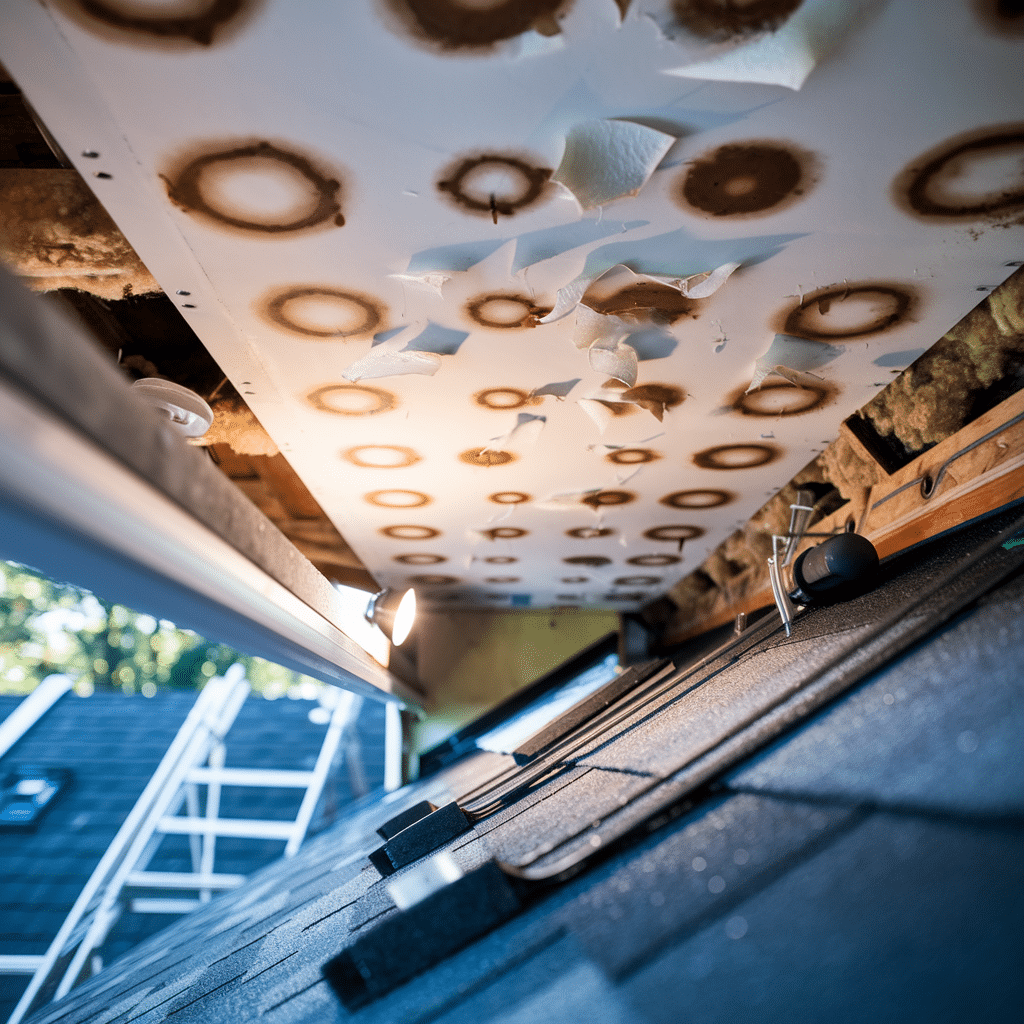
Asphalt shingle roofs fail along predictable paths that most homeowners never consider. Water doesn’t typically penetrate through intact shingles; it enters at nail penetrations where sealant has failed, then follows the nail shank down through the sheathing. Once inside the roof deck, moisture spreads along the grain of the plywood or OSB sheathing, potentially traveling several feet before dripping into insulation or appearing as ceiling stains.
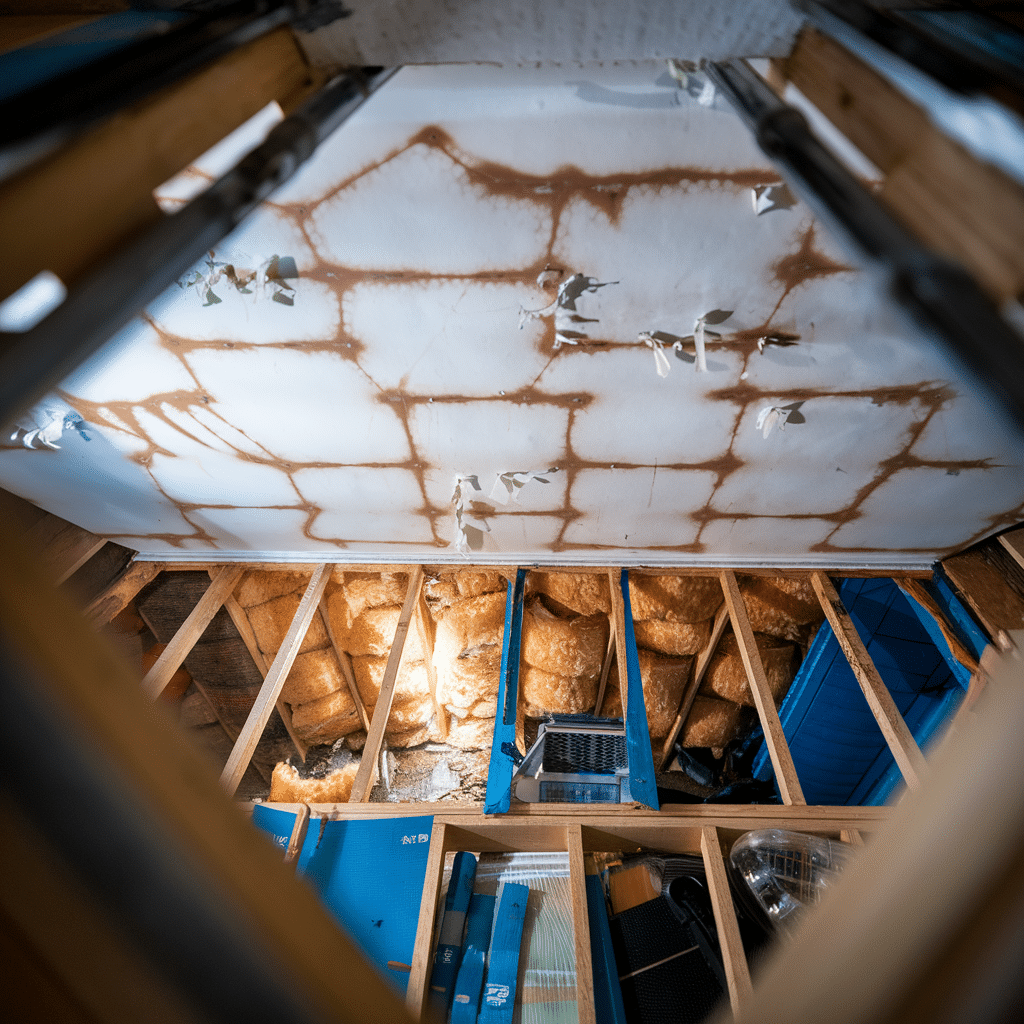
The South of Ventura Boulevard area contains numerous homes with aging composition roofs where this nail-line infiltration has created extensive hidden damage. From your attic, shine a flashlight at an oblique angle across the underside of roof sheathing—you’re looking for dark streaking patterns that radiate from nail points. These stains indicate water has been entering for months or years, potentially compromising the structural integrity of the sheathing itself.
Pay particular attention to the valley regions where two roof planes meet. These high-water-volume areas concentrate flow and often feature metal valley flashing that develops pinhole perforations or separation gaps at the edges. Water entering here spreads laterally beneath shingles before finding a way through the deck. Professional roofing services in Sherman Oaks use moisture meters with pin-type probes to measure sheathing moisture content at valley edges—readings above 20% indicate active leakage requiring immediate intervention.
The Granule Loss Detection Method
Composition shingles announce their impending failure through granule erosion visible in gutters and downspout discharge areas. Excessive granule loss exposes the asphalt layer to direct UV degradation, accelerating deterioration. But the more critical diagnostic information comes from where those granules are missing on the roof itself. Localized bare spots often indicate areas where water backs up during rain, creating prolonged saturation that dissolves the asphalt-granule bond. These vulnerable zones become future leak entry points within 12-24 months.
Flat and Low-Slope Roof Detection: Pooling Water as Your Primary Diagnostic
Modified bitumen, TPO, and built-up roofing systems common on Sherman Oaks’ commercial properties and some residential additions require completely different detection approaches. These roofs rely on continuous membrane integrity rather than overlapping shingles for waterproofing. A single puncture, seam separation, or blister can allow water entry that spreads horizontally across the entire deck before finding a penetration through to interior spaces.
The most reliable field test involves walking your flat roof 24 hours after a rain event—ponding water that hasn’t drained reveals low spots where membrane degradation is most likely. These depressions trap water that cycles through freeze-thaw expansion (even in Sherman Oaks’ moderate climate, overnight temperatures occasionally dip below freezing), accelerating membrane failure. Mark ponding locations with chalk, then correlate them with interior ceiling locations below. Any stains directly beneath ponding areas indicate membrane compromise requiring immediate attention.
Flat roof blisters—raised bubbles in the membrane surface—function as water reservoirs that slowly leak at their perimeter edges. Professional detection involves using a thin probe to test whether blisters contain water or just trapped air. Water-filled blisters indicate underlying deck moisture and almost always correlate with interior damage, even when no ceiling stains are visible yet. The moisture travels through insulation layers before accumulating enough volume to penetrate ceiling materials.
Penetration Inspection Protocols: Where All Roof Types Reveal Their Weaknesses
Regardless of roofing material, every penetration through your roof plane represents a potential leak source. Plumbing vent boots, exhaust fan housings, satellite dish mounts, and HVAC equipment curbs all rely on flashing systems that degrade over time. The detection challenge lies in recognizing which penetrations are actively leaking versus those simply nearing failure.
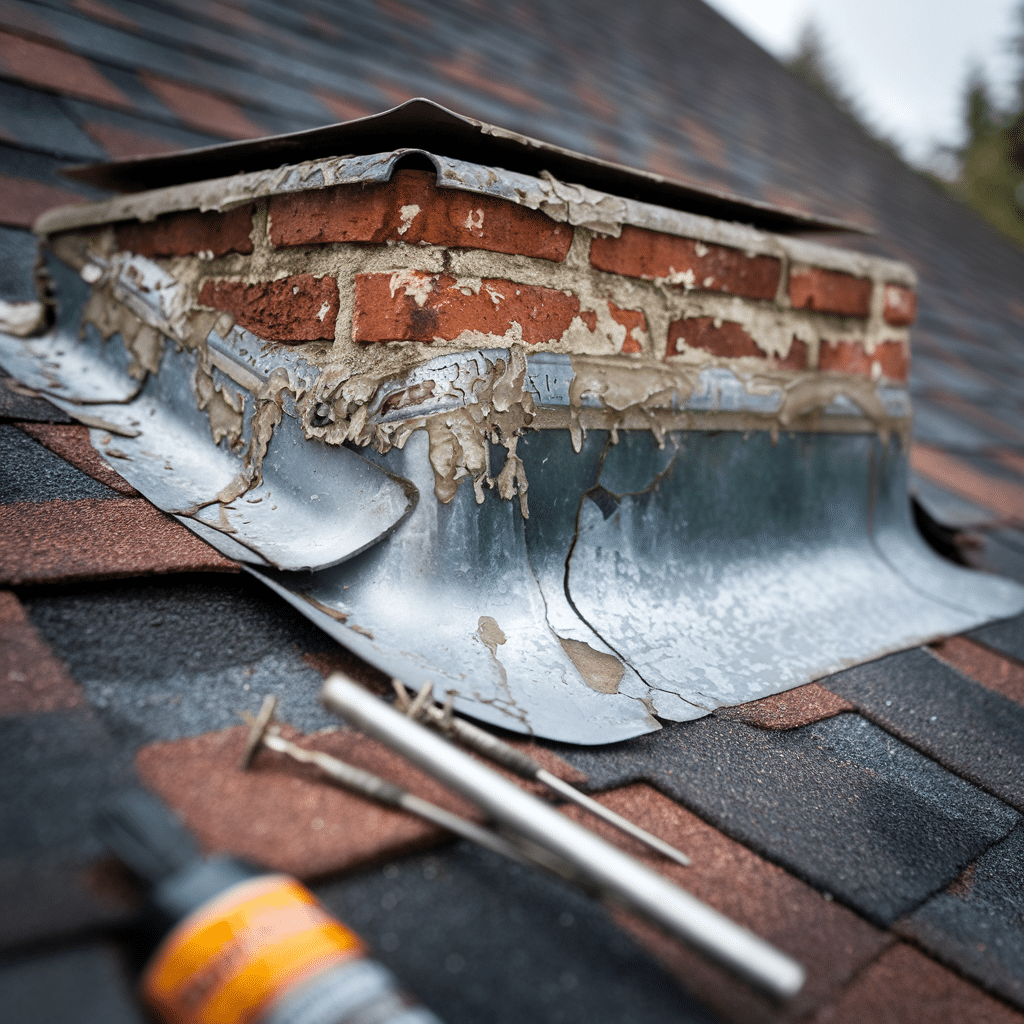
For composition and tile roofs, examine the sealant bead around penetration flashings during different seasons. Sherman Oaks’ temperature swings cause sealants to expand and contract, eventually creating microscopic cracks that admit water. Fresh sealant appears glossy and flexible; failed sealant looks cracked, dried, or has pulled away from the surface it’s supposed to seal. Apply gentle thumb pressure to sealant beads—if the material has lost elasticity and feels brittle, water intrusion is likely during the next significant rain.
From the attic side, penetration flashings should show no light bleeding around their perimeter when inspected during daylight hours. Any visible light indicates a gap that will admit wind-driven rain. More subtly, look for rust staining on metal flashing components or dark water stains on the wood framing immediately surrounding penetrations. These indicate historical leakage that may have self-sealed temporarily but will reactivate during heavy rain events. The Roofing in Van Nuys experts use borescope cameras to inspect the narrow gaps between flashing and deck where visual access is impossible—this technology reveals moisture damage invisible to standard flashlight inspection.
Material-Specific Moisture Meter Techniques and Interpretation Standards
Professional leak detection relies heavily on moisture meters, but the interpretation of readings varies dramatically based on roofing material and construction methods. Pin-type meters measure electrical resistance between two probes inserted into material—higher moisture content reduces resistance, translating to higher percentage readings on the meter. Pinless meters use electromagnetic field analysis to scan moisture levels without surface penetration, though they’re less accurate for precise measurements.
For composition shingle roofs with plywood sheathing, readings above 16% indicate concerning moisture levels; above 20% suggests active leaking requiring urgent repair. OSB sheathing swells more dramatically than plywood when wet, so readings above 14% warrant investigation. Tile roofs with solid sheathing and skip-sheathing systems require different standards—skip-sheathing by design allows air circulation that maintains higher baseline moisture readings (10-12%) without indicating problems. The key is comparing readings from suspected problem areas against readings from areas known to be sound.
Flat roof moisture detection often employs nuclear moisture scanning equipment that measures hydrogen atom density beneath the membrane surface—water molecules contain hydrogen while dry roofing materials contain less, allowing precise mapping of wet areas. This technology identifies where trapped moisture has saturated insulation layers beneath the membrane, pinpointing areas requiring removal and replacement during repair. For homes in Encino and Sherman Oaks with extensive flat roof sections, this scanning provides repair scope definition that prevents both over-repair and under-repair scenarios.
The Infrared Thermal Imaging Window of Opportunity
Thermal imaging cameras detect temperature differences as small as 0.1°F, revealing moisture-laden materials that retain heat differently than dry materials. The optimal detection window occurs at night following an afternoon rain—wet materials cool more slowly than dry materials, creating thermal contrast visible to infrared sensors. Professional Roofing in Studio City contractors schedule thermal surveys between 10 PM and 2 AM for maximum accuracy, mapping entire roof surfaces to create moisture infiltration maps that guide targeted repairs rather than speculative exploratory work.
When Detection Reveals Damage Requiring Professional Intervention
DIY detection methods successfully identify problem areas approximately 70% of the time, but they cannot assess the full scope of hidden damage or determine whether immediate repair prevents catastrophic failure. Water that reaches your attic has already compromised multiple roofing system layers—the only question is how extensively and whether structural members require replacement beyond simple waterproofing restoration.
Professional roof inspections in Sherman Oaks should occur annually for roofs over fifteen years old, within 48 hours after any severe weather event, and immediately upon noticing any interior water stains regardless of size. The cost of inspection pales compared to the structural repairs necessary when concealed leaks progress from minor waterproofing failure to framing rot, mold colonization, and insulation collapse. Roof Replacement Inc provides comprehensive leak detection services combining visual assessment, moisture meter testing, thermal imaging, and structural evaluation—call (213) 319-5884 to schedule an inspection that establishes your roof’s current condition and provides a documented baseline for future comparison.
For Sherman Oaks homeowners managing rental properties—where the owner-occupancy rate is just 35%—regular professional inspections protect both property value and tenant relationships. Hidden water damage that goes undetected for multiple tenant turnover cycles often results in repair costs exceeding five figures. The median home value of $1.1 million in Sherman Oaks makes protecting your roofing investment through proactive detection simply sound financial management. Professional services extend roof system life spans by addressing small problems before they evolve into replacement-level failures.
Related Posts



What Our Clients Say

Roof Replacement Inc. offers professional, high-quality work, guaranteed (call for details); ensuring all clients projects meet all code and design requirements. We are dedicated to exceptional customer service and will strive to ensure you with the highest quality roofing services. Roof Replacement Inc. offers lifetime warranty (call for details) on all of our workmanship to ensure the quality of our work. With over four decades of experience and success within the roofing and construction industry, Roof Replacement Inc. has grown and developed in all areas of roofing construction, including roof inspections. As a leading residential and commercial roofing company in LA, we have hundreds of references from previous clients, so rest assured, that your roofing job will be done right the first time. Replacing an old roof can help add curb appeal and will increase the perceived value of your home. First impressions are vital when selling your home, especially when your roof takes up more than half of the exterior of your residence or business. Not only is the return of investment on a new roof attractive for potential buyers, but can be as beneficial as remodeling the kitchen or bathrooms within your residence.


