

When Minutes Matter: A Pasadena Homeowner’s Storm Lesson
Last January, a Bungalow Heaven homeowner noticed a small water stain on their dining room ceiling after a particularly heavy rain. They decided to wait until the weekend to investigate. By the time they called a roofing contractor in Pasadena, moisture had already compromised two ceiling joists and spawned a colony of black mold inside the attic. What could have been a simple flashing repair escalated into a structural restoration project. The lesson? Post-rain inspection isn’t optional in Pasadena—it’s essential preventive maintenance that protects your $1.15 million investment. This roof inspection after rain Pasadena checklist ensures you catch problems within that critical 24-48 hour window when intervention is simplest and most cost-effective.

A warm glow shines from this charming home on a rainy evening. The inviting lights contrast beautifully with the cool, misty surroundings.
📋 In This Guide
Pasadena’s unique rainfall pattern—months of drought followed by concentrated November-March storms—creates specific vulnerabilities. Dry-season debris accumulation combines with sudden heavy rainfall to overwhelm drainage systems, while thermal expansion and contraction weaken sealants around penetrations. The city’s mix of historic Craftsman bungalows and mid-century ranch homes each present distinct inspection priorities. Whether you’re managing rental properties (Pasadena has a 58% rental rate) or maintaining your primary residence, this checklist transforms post-storm anxiety into actionable protocol.
Immediate Ground-Level Inspection (Within 2 Hours of Rain Stopping)
Begin your post-rain assessment from the safety of the ground—never climb onto wet roofing surfaces. Walk your property’s perimeter with a smartphone camera, documenting conditions for potential insurance claims. Start with gutter systems: look for overflow stains on siding below gutter lines, which indicate clogged downspouts or insufficient drainage capacity. Check ground-level downspout discharge points—pooling water within three feet of your foundation signals inadequate slope or blocked underground drains.
Examine accessible roof edges for displaced tiles or lifted shingles. Pasadena’s older neighborhoods feature countless clay tile roofs where individual tiles can shift during heavy rain, especially after seismic activity has loosened fasteners. Note any granule accumulation in gutters or near downspouts—asphalt shingle deterioration accelerates when roofs cycle between intense UV exposure and sudden saturation. On flat or low-slope sections visible from ground level, watch for standing water that persists beyond 48 hours, indicating compromised drainage or structural sagging.
Exterior Wall and Soffit Assessment
Inspect exterior walls where rooflines terminate, particularly around chimneys, skylights, and vent pipes. Fresh water stains below these penetrations indicate active flashing failures. Check soffit vents for water intrusion signs—discoloration or sagging panels suggest attic moisture problems. Document gable vent conditions: screen damage allows debris entry that blocks attic ventilation and traps moisture.
Documentation Protocol for Insurance Claims
Photograph everything with timestamp metadata enabled. Capture wide-angle context shots showing the roof’s relationship to trees or structures, then zoom in on specific concerns. If you discover new damage, photograph the same areas from multiple angles. This documentation proves invaluable when roofing companies evaluate claims or when you need to establish a timeline of deterioration for insurance adjusters.
Interior Ceiling and Attic Inspection Checklist
Move indoors for the second inspection phase. Systematically check every ceiling in your home, paying special attention to areas directly below roof valleys, skylights, and plumbing vents. Fresh water stains appear darker than surrounding drywall and may feel cool to the touch. Run your hand along ceiling-wall joints where leaks often first manifest. In Pasadena’s older homes with plaster ceilings, watch for bubbling or sagging sections that indicate trapped water.
Attic inspection requires a flashlight and careful attention to safety—never walk on insulation or between joists. Look for daylight penetrating through the roof deck, which reveals holes or separation. Check insulation for moisture, compression, or discoloration. Inspect the underside of roof decking for water stains, which appear as dark streaks following rafter lines. Fresh leaks show active moisture, while old stains appear dry and may have fuzzy mold growth.
Critical Attic Warning Signs
Pay particular attention to areas where different roof planes intersect—valleys concentrate water flow and experience the highest failure rates. Examine attic vents for condensation, which indicates inadequate ventilation compounding moisture intrusion. Smell the attic air: musty odors signal established mold colonies even when visible signs aren’t obvious. Note any rusted nail heads protruding through decking—these create secondary leak points as rust expands and compromises penetrations.
| Inspection Area | What to Check | Red Flag Indicators |
|---|---|---|
| Gutters & Downspouts | Flow patterns, overflow marks, debris accumulation | Siding stains, sagging sections, detached brackets |
| Roof Surface | Tile displacement, shingle integrity, flat-roof ponding | Missing materials, granule loss, 48+ hour water pooling |
| Interior Ceilings | Water stains, discoloration, texture changes | Fresh wetness, bubbling paint, sagging drywall |
| Attic Space | Decking condition, insulation moisture, ventilation | Visible daylight, wet insulation, mold growth, musty odors |
Flat Roof and Low-Slope Drainage Assessment
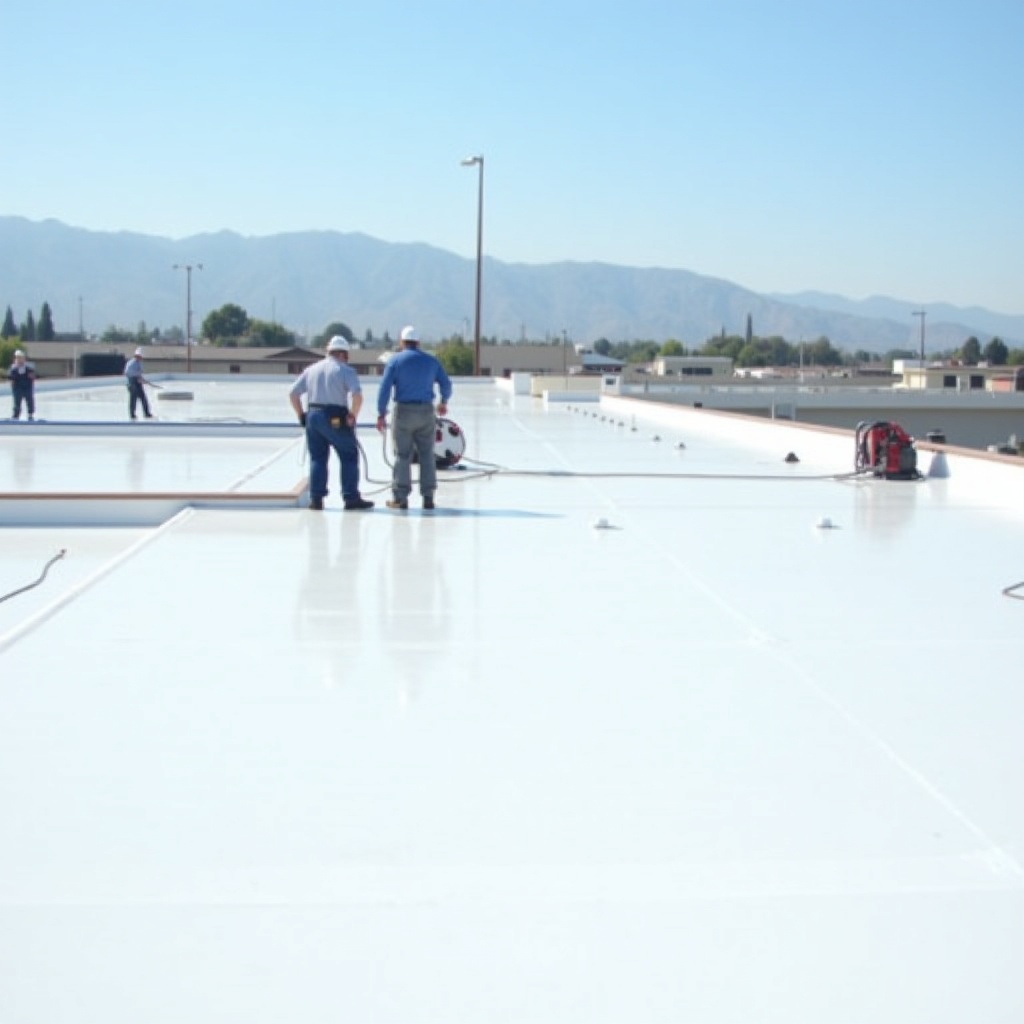
Pasadena’s commercial buildings and many mid-century modern homes feature flat or low-slope roofing systems that require specialized post-rain attention. These roofs depend entirely on functional drainage since gravity provides minimal water movement. Within 24 hours of rainfall, access safe viewing points (second-story windows, adjacent structures) to assess drainage performance without walking on saturated membranes.
Ponding water—defined as any pooling that persists beyond 48 hours—indicates structural deflection, clogged drains, or inadequate slope. Note the location and approximate size of each pond. Check roof drains and scuppers for debris blockage; leaves and silt commonly obstruct drain baskets during Pasadena’s first autumn rains after the dry season. Look for lifting membrane seams around drain penetrations, which create secondary leak paths as trapped water works beneath the roofing material.
Parapet walls and roof-edge terminations require careful inspection. Check for open lap seams, blistering, or separation at wall flashings. If you manage commercial or multi-family properties, consider scheduling professional commercial roof maintenance inspections quarterly during rain season. The cost of preventive inspection pales compared to interior water damage in occupied rental units.
Professional Inspection Triggers vs. DIY Monitoring
Not every post-rain observation demands immediate professional intervention, but certain conditions require expert assessment within 48 hours. Contact a licensed roofing contractor immediately if you discover active interior leaking, fresh water stains expanding with each rain event, sagging ceiling sections, visible mold growth exceeding one square foot, or structural deflection in flat roof areas. These conditions indicate problems actively degrading your home’s structural integrity.
Similarly, missing or severely displaced roofing materials—whether tiles, shingles, or membrane sections—create openings for exponential water intrusion. A single missing tile might seem minor, but Pasadena’s intense winter rains can channel gallons of water through that opening, saturating insulation and compromising ceiling integrity within hours. The best roofing company can often execute emergency repairs that prevent a $500 problem from escalating into a $15,000 restoration project.
Conditions Safe for Monitoring
Some observations warrant watchful attention rather than emergency response. Minor granule loss on aging asphalt shingles, small amounts of debris in gutters that didn’t cause overflow, or old attic stains that remain dry after fresh rainfall can typically wait for scheduled maintenance. Document these conditions with dated photographs and re-inspect after the next significant rain. If conditions remain stable through multiple storm cycles, address them during your annual roof inspection.
However, maintain realistic perspective about Pasadena’s rainfall patterns. While annual precipitation averages just 20 inches, individual storms can deliver 2-3 inches in hours, particularly during atmospheric river events. What appears stable after a light shower may fail catastrophically during the next heavy downpour. When in doubt, request professional assessment—most reputable roofing companies offer free inspection services.
Seasonal Preparation and Professional Partnership
Post-rain inspection becomes dramatically simpler when you’ve prepared your roof before storm season begins. Schedule professional cleaning and inspection each October, before Pasadena’s typical November rain onset. This timing allows contractors to address vulnerabilities during optimal working conditions and ensures adequate scheduling availability before emergency calls surge.
Develop a relationship with a trusted roofing contractor rather than searching frantically during active leaks. Research licensed, insured contractors who maintain local presence in Pasadena and neighboring Altadena, Glendale, and La Cañada Flintridge communities. Established contractors understand regional architecture—the difference between repairing 1920s Craftsman tile roofs in Bungalow Heaven versus 1960s composition shingle installations in Linda Vista.
If your post-rain inspection reveals concerns requiring expert evaluation, contact Roof Replacement Inc at (213) 364-3979. Our team provides comprehensive storm damage assessment, emergency leak repair, and preventive maintenance services throughout Pasadena’s 91101, 91103, 91104, 91105, and 91106 ZIP codes. We understand that your home represents both significant financial investment and irreplaceable family space—protecting it demands expertise, responsiveness, and proven local experience.
Remember that post-rain inspection isn’t about creating anxiety—it’s about empowering informed decision-making. A systematic 20-minute check after each significant rainfall provides peace of mind and protects your property value. The few minutes invested in methodical assessment prevent the devastating discovery of long-term water damage that could have been intercepted with timely intervention.
Related Posts




What Our Clients Say

Roof Replacement Inc. offers professional, high-quality work, guaranteed (call for details); ensuring all clients projects meet all code and design requirements. We are dedicated to exceptional customer service and will strive to ensure you with the highest quality roofing services. Roof Replacement Inc. offers lifetime warranty (call for details) on all of our workmanship to ensure the quality of our work. With over four decades of experience and success within the roofing and construction industry, Roof Replacement Inc. has grown and developed in all areas of roofing construction, including roof inspections. As a leading residential and commercial roofing company in LA, we have hundreds of references from previous clients, so rest assured, that your roofing job will be done right the first time. Replacing an old roof can help add curb appeal and will increase the perceived value of your home. First impressions are vital when selling your home, especially when your roof takes up more than half of the exterior of your residence or business. Not only is the return of investment on a new roof attractive for potential buyers, but can be as beneficial as remodeling the kitchen or bathrooms within your residence.

