Why Flashing Failures Demand Immediate Attention This Season
Long Beach homeowners face a critical window right now as winter rain systems approach coastal Southern California. Roof flashing—those thin metal or composite barriers that seal roof transitions—deteriorates faster than most realize under the constant temperature swings between ocean-cooled mornings and afternoon heat. Properties throughout Belmont Shore and Naples Island are particularly vulnerable, where salt air accelerates corrosion cycles. A small separation in chimney flashing today becomes a ceiling-staining leak tomorrow when the first storm hits. The time to inspect and repair compromised flashing is before water finds its way into your $820,000 investment.
📋 In This Guide
Chimney Base Flashing: The Most Common Failure Point
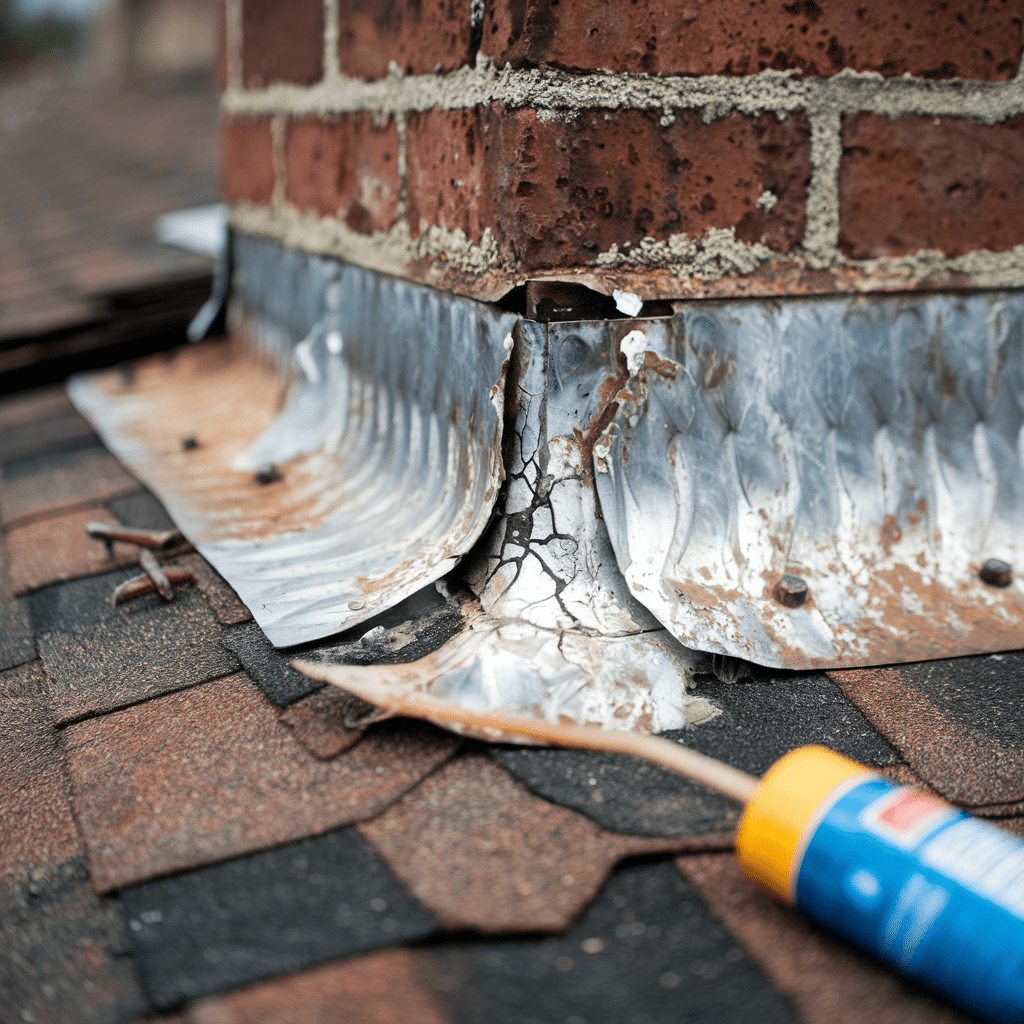
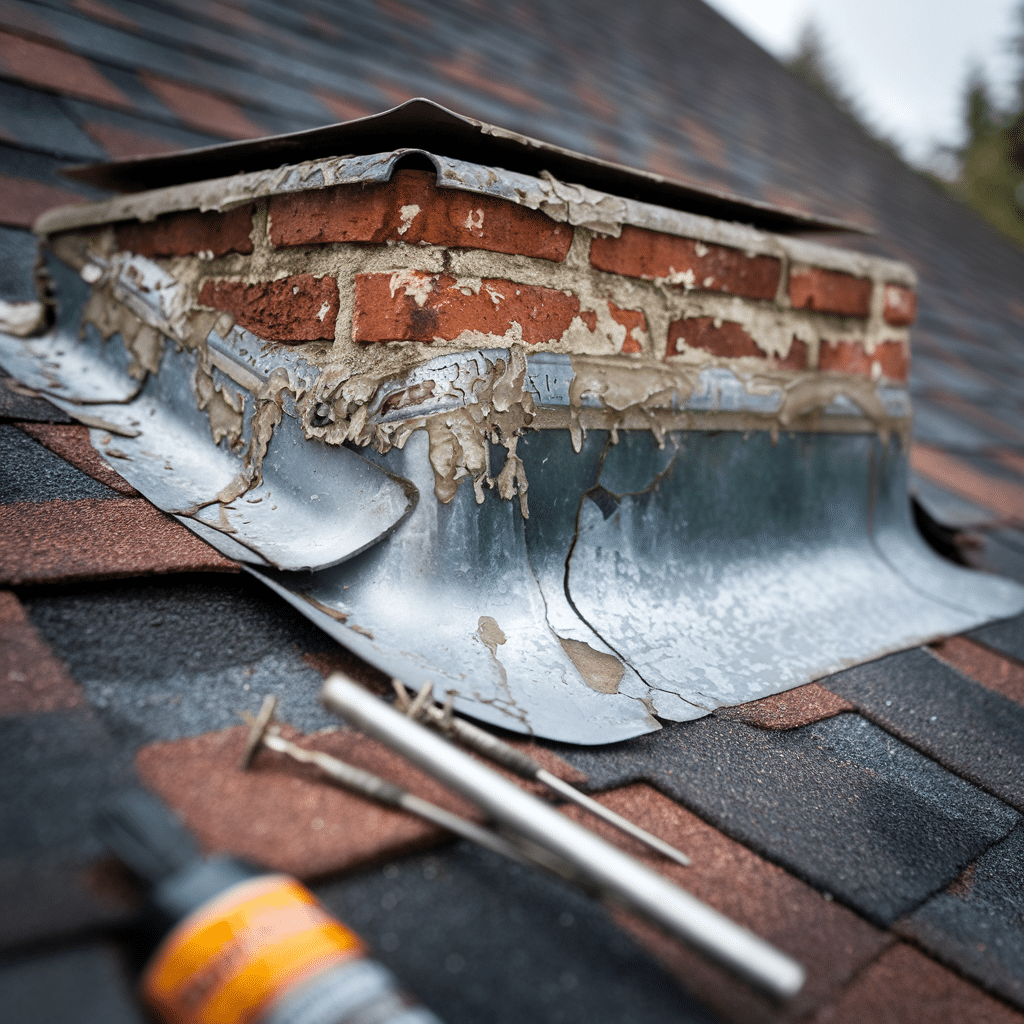
Chimney flashing fails more frequently than any other roof penetration because it involves multiple layers and materials expanding at different rates. The base flashing sits underneath shingles, while counter-flashing embeds into mortar joints. Long Beach’s temperature variations—60-degree mornings warming to 85-degree afternoons—cause the metal to contract and expand repeatedly. This movement gradually breaks down the sealant bead where metal meets masonry.
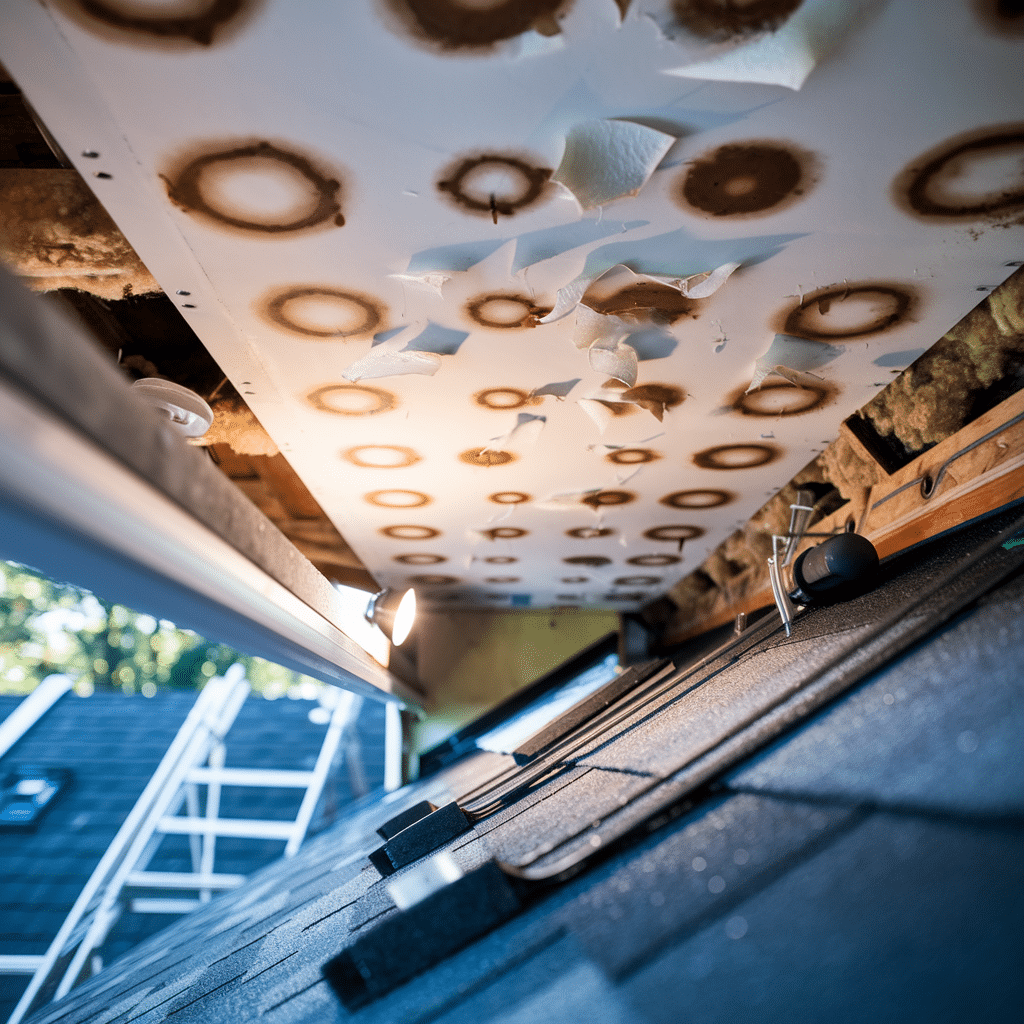
Inspect your chimney flashing from ground level with binoculars. Look for rust stains bleeding down the chimney face, gaps between metal and brick wider than a credit card edge, or sealant that’s cracked and pulling away. Walk your attic during daylight with lights off—pinpricks of light around the chimney opening indicate compromised waterproofing. If the step flashing pieces (the L-shaped metal sections running up the chimney sides) show visible corrosion or the counter-flashing has separated from mortar joints, you’re looking at a replacement project, not a simple caulk repair.
For emergency temporary fixes during active leaks, apply roof cement under lifted flashing edges and weight them down with bricks. This buys you days, not months. Professional Roof Repair in Long Beach involves removing surrounding shingles, fabricating new step flashing, properly embedding counter-flashing, and sealing with high-temperature polyurethane designed for coastal environments.
Skylight Perimeter Failures and Water Intrusion Patterns
Skylight flashing operates differently than chimney systems because it must accommodate a fixed glass unit that doesn’t move with the roof deck. The flashing kit creates a curb that diverts water around the opening. Failure typically occurs where the uphill (headwall) flashing meets the skylight frame or where corner pieces overlap improperly.
Downtown Long Beach homes with flat or low-slope sections frequently experience skylight ponding—water that doesn’t drain quickly enough and finds microscopic entry points. Check for water stains on the skylight frame interior, condensation between double-pane glass (indicating seal failure that often accompanies flashing problems), or dampness in the drywall shaft leading to the ceiling below.
The coastal humidity in neighborhoods like Bixby Knolls creates a perfect environment for sealant degradation around skylights. Butyl-based sealants dry out within 5-7 years here, while silicone formulations last 10-12 years but cost more initially. When inspecting, press a screwdriver handle against sealant beads—if they’re hard and brittle rather than pliable, replacement is overdue.
Temporary fixes involve cleaning the flashing surface with denatured alcohol, applying a thick bead of premium roof sealant, and covering with self-adhesive flashing tape rated for UV exposure. Permanent solutions require removing shingles around the entire perimeter, checking the curb for rot, installing new pan flashing underneath, and integrating it properly with surrounding roofing services in Long Beach materials.
Valley Flashing: Where Water Volume Overwhelms Poor Installation
Roof valleys channel more water per square foot than any other roof section. In Long Beach, where winter storms can dump an inch of rain in an hour, valley flashing must handle high-velocity runoff without allowing water to wick under shingles. Open metal valleys use W-shaped channels; closed valleys weave shingles together over ice-and-water barrier. Both fail when improperly installed or when material deteriorates.
Metal valley failures show as rust perforation, typically starting at the valley bottom where debris collects and holds moisture. Aluminum valleys last 20-25 years in coastal climates; galvanized steel corrodes faster unless coated. Inspect valleys after heavy rain—standing water indicates insufficient slope or debris blockage, both accelerating failure. Look for shingles curling away from valley edges or granule loss in a concentrated line parallel to the valley center.
The most dangerous valley failures aren’t visible from above. Water penetrates at shingle edges, travels laterally under felt paper, and emerges inside the house ten feet from the actual failure point. In your attic, trace valley lines with a flashlight after rain. Watermarks on rafters or dampness in insulation along valley paths indicate active leaks requiring immediate attention.
Emergency valley repairs involve clearing debris, applying roof cement along failure zones, and laying self-adhesive membrane over the damaged section. This buys time until proper repair, which requires removing shingles 12 inches either side of the valley centerline, installing new ice-and-water barrier, placing fresh valley metal with proper overlap (minimum 6 inches between sections), and reinstalling shingles with correct exposure. For comprehensive solutions, experienced Roof Replacement Inc teams factor in Long Beach’s specific rainfall patterns and recommend valley materials accordingly.
Vent Pipe Boot Deterioration: Small Components With Outsized Impact
Plumbing vent pipes penetrate roofs throughout your home, each sealed with a rubber boot that fits over the pipe and integrates with surrounding shingles. These boots deteriorate predictably: UV exposure cracks the rubber, temperature cycling causes shrinkage, and the seal separates from the pipe. Given Long Beach’s year-round sun exposure, expect rubber boots to fail within 10-12 years even on otherwise sound roofs.
Inspect boots by physically touching them—degraded rubber feels brittle and may crack when pressed. Look for gaps between the boot collar and the pipe itself, splits radiating from the top center, or the entire boot pulling away from the base flange. These failures leak during every rain, sending water directly into wall cavities where it causes hidden damage for months before showing interior signs.
Homeowners often attempt boot replacement as a DIY project, but improper installation creates worse leaks. The base flange must slide under uphill shingles and over downhill shingles, with the top edge sealed with roofing cement. The collar must fit snugly around the pipe diameter—a 3-inch collar on a 2-inch pipe leaks immediately. Professional repair costs $150-250 per boot including labor, a worthwhile investment given the water damage potential.
For truly emergency situations—active dripping during a storm—cut a section from an old bicycle inner tube, slip it over the pipe, and clamp it tight with a hose clamp positioned just below the boot collar. This creates a temporary seal lasting days. Then contact a qualified team at (213) 319-5884 for proper replacement before the next weather system arrives.
Wall-to-Roof Intersections: Complex Joints Requiring Precision
Where a vertical wall meets a sloped roof—common in multi-level homes throughout Belmont Heights—proper flashing installation determines whether the junction sheds water or funnels it into the building envelope. This intersection requires both step flashing (L-shaped pieces woven with shingles up the slope) and kickout flashing at the bottom to divert water into gutters rather than behind siding.
The most common failure occurs when contractors omit kickout flashing entirely. Water runs down the wall, hits the roof-wall junction, follows the last piece of step flashing, and pours behind exterior cladding. This creates extensive hidden damage—rotted wall sheathing, destroyed insulation, and mold growth in wall cavities. Check for paint blistering on exterior walls just above roof level, staining on siding, or soft spots when pressing siding near the roof intersection.
Step flashing failures develop when pieces weren’t embedded properly into wall construction. Each piece should tuck behind the weather-resistant barrier (housewrap or building paper), extend onto the roof surface, and overlap the piece below by 3 inches minimum. Missing or incorrectly sized pieces create direct water entry points. Long Beach’s wind-driven rain tests these installations—water doesn’t just fall vertically but streams sideways under pressure.
Proper repair requires understanding the wall assembly. Stucco walls need careful cutting to embed flashing without cracking the finish coat. Lap siding requires removing courses above the roof line to access the weather barrier. Both scenarios exceed most homeowners’ skill levels. For wall-to-roof junction repairs, professional assessment determines whether partial reflashing suffices or whether water damage requires wall reconstruction. Quality roofing in Torrance and neighboring Long Beach communities involves coordinating roofing and siding trades to ensure proper integration.
Taking Action: Inspection Schedule and Professional Assessment
Long Beach homeowners should inspect accessible flashing points twice annually—once before winter rains (October) and once after (April). Use binoculars for roof-level inspection and walk your attic with a bright flashlight during and after rain events. Document any suspicious areas with photos showing date stamps. This creates a timeline if deterioration accelerates.
Understanding when DIY repairs cross into professional territory protects your investment. Small sealant touch-ups around vent boots represent reasonable homeowner maintenance. Chimney reflashing, valley replacement, and wall intersection repairs require specialized knowledge, proper materials, and often building permits. The middle-income character of Long Beach means homeowners rightfully want value, but cutting corners on flashing creates $10,000 water damage repairs that dwarf the $1,500 cost of proper professional flashing replacement.
For homeowners managing rental properties—significant given Long Beach’s 59% renter population—flashing failures create liability exposure. Tenants reporting ceiling leaks expect rapid response, and deferred maintenance arguments fail when preventable water damage causes injury or property loss. Schedule annual professional roof inspections as a cost-effective insurance policy. Many comprehensive roofing in Los Angeles area programs include flashing assessment as part of routine service.
When scheduling professional evaluation, ask specific questions: What’s the expected remaining service life of current flashing? Which areas show early deterioration requiring monitoring? What’s the cost difference between repair and replacement? Request documentation with photos showing problem areas and explaining failure mechanisms. Quality contractors educate rather than simply sell.
If you’ve noticed any warning signs discussed here—rust stains, separated sealant, interior water marks, or visible gaps in flashing systems—don’t wait for the next storm to confirm your suspicions. Call Roof Replacement Inc at (213) 319-5884 for a thorough flashing assessment. Our teams understand Long Beach’s specific challenges, from salt air corrosion to temperature cycling, and provide honest evaluations distinguishing between immediate repairs and items requiring future monitoring. Protecting your home’s envelope starts with maintaining the critical transitions that flashing systems seal.
Related Posts



What Our Clients Say

Roof Replacement Inc. offers professional, high-quality work, guaranteed (call for details); ensuring all clients projects meet all code and design requirements. We are dedicated to exceptional customer service and will strive to ensure you with the highest quality roofing services. Roof Replacement Inc. offers lifetime warranty (call for details) on all of our workmanship to ensure the quality of our work. With over four decades of experience and success within the roofing and construction industry, Roof Replacement Inc. has grown and developed in all areas of roofing construction, including roof inspections. As a leading residential and commercial roofing company in LA, we have hundreds of references from previous clients, so rest assured, that your roofing job will be done right the first time. Replacing an old roof can help add curb appeal and will increase the perceived value of your home. First impressions are vital when selling your home, especially when your roof takes up more than half of the exterior of your residence or business. Not only is the return of investment on a new roof attractive for potential buyers, but can be as beneficial as remodeling the kitchen or bathrooms within your residence.


