

Is Your Calabasas Roof Quietly Leaking Without Any Obvious Signs?
Many homeowners in neighborhoods like Calabasas Park Estates and The Oaks of Calabasas assume their roofs are fine because they don’t see water dripping from their ceilings. The truth is more unsettling: hidden roof leaks can silently damage your home’s structure for months before any visible evidence appears inside. In a community where median home values exceed $1.6 million, undetected water intrusion can erode tens of thousands of dollars in property value while compromising structural integrity. The question isn’t whether your roof might be leaking—it’s whether you know how to find the evidence before your insurance adjuster does.
📋 In This Guide
Calabasas experiences sporadic but intense rainfall that tests even well-maintained roofing systems. When brief but heavy storms hit, water finds microscopic pathways through deteriorated sealants, compromised flashing, and aging underlayment. These slow leaks create ideal conditions for mold growth, wood rot, and insulation damage—all occurring in spaces you rarely inspect. This guide provides a systematic approach to roof leak detection in Calabasas, equipping you with professional-grade knowledge to identify problems while they’re still manageable.
Decoding the Geography of Hidden Water Entry Points
Water doesn’t always enter your home directly above where you see damage. Professional leak detection begins with understanding how water travels once it breaches your roofing system. In Calabasas homes, particularly those with complex rooflines common in custom-built properties around Mulwood, water can enter at a compromised flashing joint and travel horizontally along roof decking or rafters for ten feet or more before dropping onto insulation or drywall.
The most deceptive entry points create what roofing professionals call “false origin stains”—ceiling discoloration that misleads homeowners into inspecting the wrong roof section entirely. A brown water stain near your dining room light fixture might actually originate from failed step flashing where your roof meets an exterior wall on the opposite side of the house. This horizontal migration happens because water follows the path of least resistance along wood grain, fastener lines, and structural components before gravity finally pulls it through your ceiling.
Start your investigation by identifying every roof penetration and transition point on your property. Chimneys, plumbing vents, HVAC exhaust pipes, skylights, satellite dishes, and roof-mounted solar equipment all require sealed flashing systems that deteriorate over time. In Calabasas, temperature fluctuations between daytime heat and cool coastal evening air cause expansion and contraction cycles that gradually separate sealant materials from metal flashing. Each of these penetrations represents a potential entry point that requires individual inspection.
Valley locations—where two roof planes intersect at an angle—deserve particular scrutiny. These areas channel concentrated water flow during storms, making them vulnerable to both flashing failure and shingle deterioration. Properties near Calabasas Lake that receive additional moisture from morning fog should inspect valley flashing annually, as sustained humidity accelerates metal corrosion and sealant breakdown.
Strategic Attic Reconnaissance: Reading the Damage Before It Reaches Your Ceiling
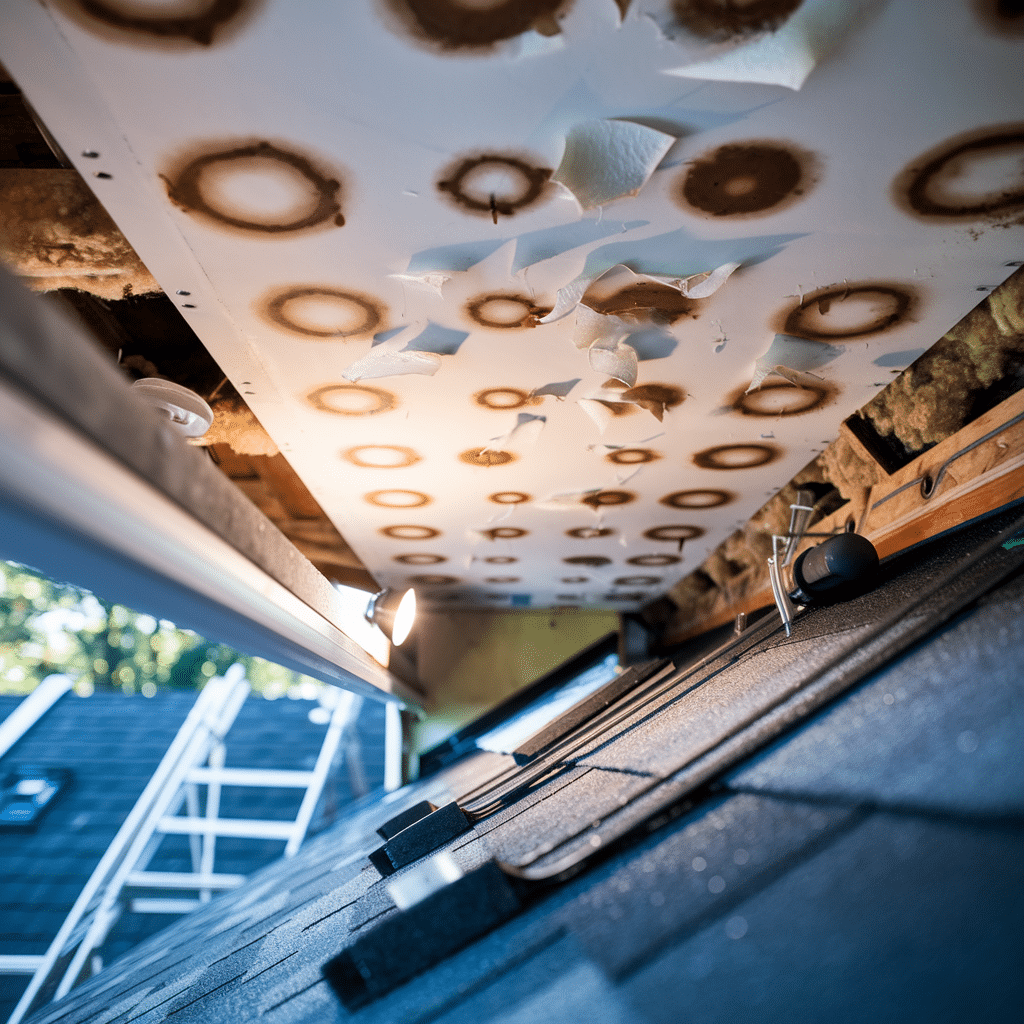
Your attic contains forensic evidence of roof leaks long before water stains appear on finished ceilings. A systematic attic inspection during daylight hours—preferably within 48 hours after significant rainfall—reveals active leaks while they’re easiest to trace. Enter your attic with a high-powered flashlight and look for three primary indicators: water stains on roof decking, moisture on insulation surfaces, and darkened or blackened wood that indicates mold colonization.
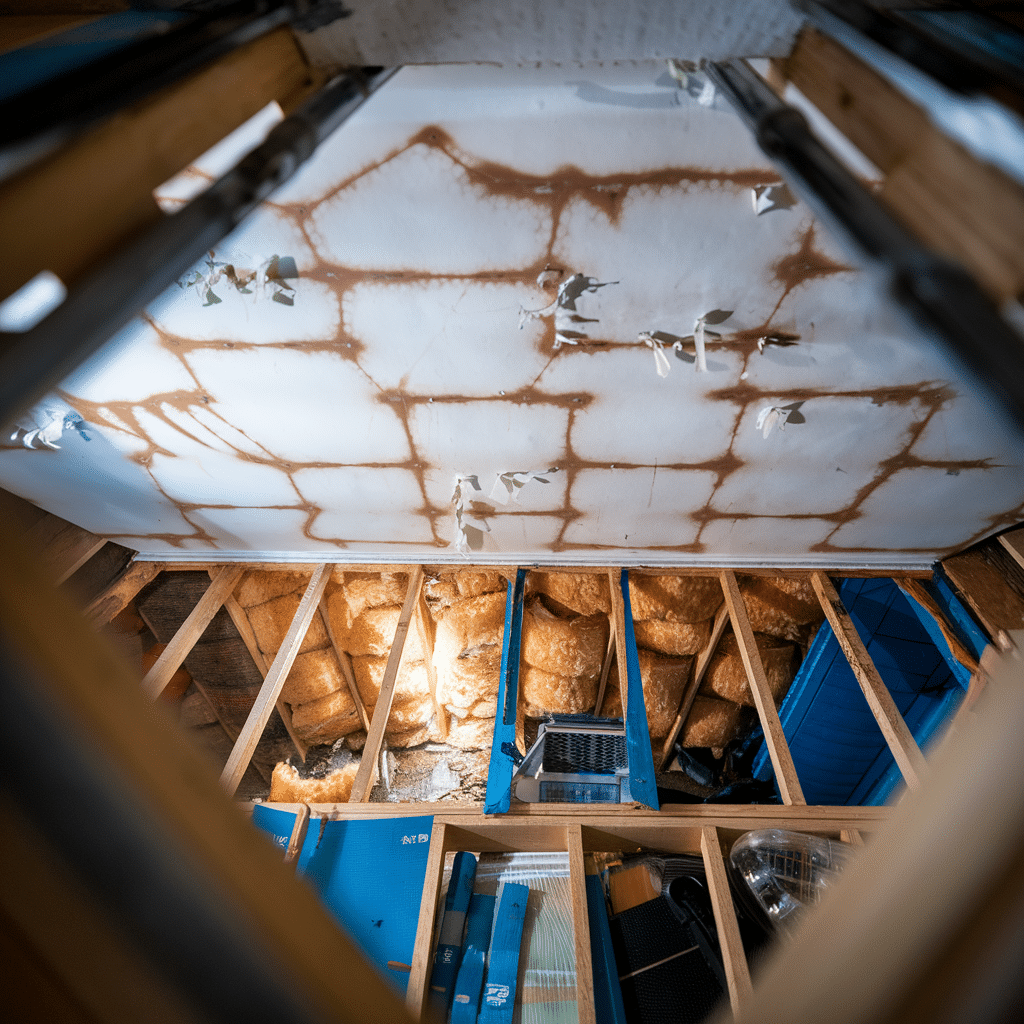
Fresh water stains appear darker than surrounding wood and may show slight dampness when touched. Older stains create distinctive oval or oblong patterns with darker edges and lighter centers—evidence of multiple wetting and drying cycles. The size of these stains tells you how long the leak has been active: small stains (less than six inches in diameter) suggest recent development, while extensive discoloration spanning multiple rafters indicates months of water intrusion.
Pay particular attention to the underside of roof decking directly beneath valleys, around chimney penetrations, and along the lower four feet of roof slopes where ice dam damage can occur (though rare in Calabasas, extreme weather events have occasionally produced conditions for ice formation). Shine your flashlight at an oblique angle across decking surfaces to highlight subtle water trails and staining patterns that disappear under direct illumination.
Insulation provides another diagnostic layer. Fiberglass batt insulation that has absorbed moisture loses its fluffy texture and compresses into dense, matted sections. This compressed insulation has lost approximately 50% of its R-value and creates cold spots that increase your heating and cooling costs. Blown-in cellulose insulation shows water damage through darkened coloring and clumping. Both materials should be probed gently with a screwdriver or moisture meter—saturated insulation feels noticeably heavier and denser than dry material.
Document everything you find with smartphone photos that include reference objects for scale. These images become invaluable when consulting with professional roofing services in Calabasas and provide baseline documentation for insurance claims if water damage requires major remediation.
Surface-Level Investigation Techniques for Exterior Assessment
While attic inspections reveal interior consequences, exterior roof assessment identifies the actual entry points where water defeats your roofing system. This investigation requires careful roof access—if you’re uncomfortable with heights or your roof pitch exceeds 6:12 (6 inches of rise per 12 inches of horizontal run), hire a professional for this inspection. Calabasas properties in areas like Calabasas Village often feature Mediterranean-style clay tile or concrete tile roofing that requires specialized walking techniques to avoid tile breakage.
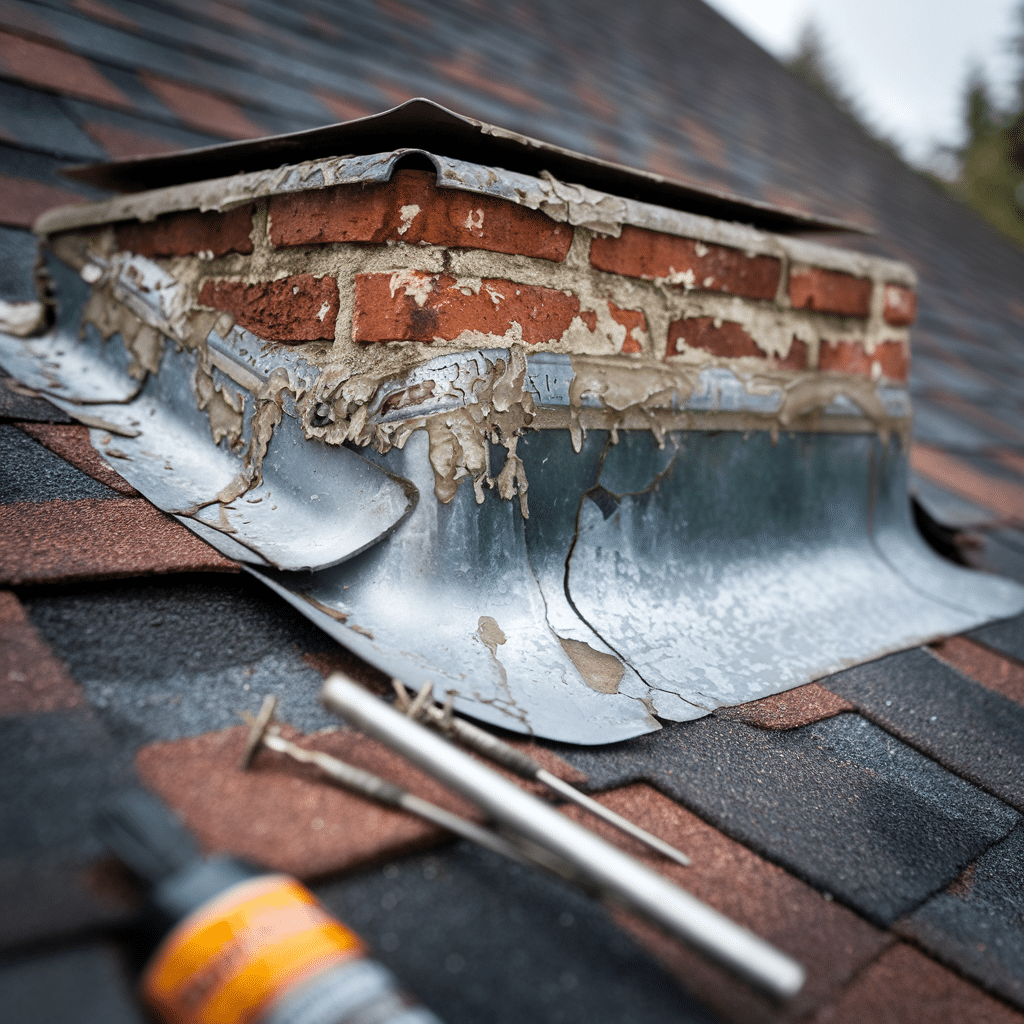
Begin your exterior inspection by examining every flashing installation. Counter-flashing around chimneys should overlap base flashing by at least four inches, with all joints sealed with high-grade polyurethane or butyl sealant. Look for gaps, cracks, or separations where sealant has pulled away from masonry or metal surfaces. Even quarter-inch gaps allow substantial water entry during driving rain events.
Step flashing along wall-to-roof intersections often fails where individual pieces overlap. Each L-shaped flashing piece should overlap the one below it by at least three inches, creating a shingled effect that directs water downslope. Look for rust-through holes, bent flashing that creates upslope water dams, or missing pieces entirely. Many Calabasas homes built in the 1970s and 1980s used galvanized steel flashing that has reached the end of its 30-40 year service life and shows extensive corrosion.
Plumbing vent boots deserve specific attention—these rubber or neoprene collars deteriorate rapidly under UV exposure. Check for cracks in the rubber collar, particularly on south and west-facing roof planes that receive maximum sun exposure. The metal base of vent boots should lie flat against surrounding shingles with no visible gaps. If you can slide a business card between the boot base and the shingle surface, water can enter during wind-driven rain.
Inspect the lowest three feet of all roof slopes for shingle damage or missing granules—indicators of age-related deterioration that becomes critical near eaves where water velocity and volume are greatest. Shingles that have lost more than 30% of their protective granule coating allow water to penetrate the asphalt mat beneath, creating slow leaks that rarely produce obvious interior evidence until significant damage has occurred.
Technology-Assisted Detection: When Visual Inspection Isn’t Enough
Professional roof leak detection employs specialized equipment that identifies moisture presence and measures its severity with quantifiable accuracy. While homeowners shouldn’t feel compelled to purchase expensive diagnostic tools, understanding these technologies helps you evaluate whether your DIY investigation has reached its practical limits.
Moisture meters provide the most accessible professional-grade detection capability. Pin-type meters use two probes that penetrate wood surfaces to measure electrical resistance—wet wood conducts electricity more readily than dry wood, producing higher readings. Pinless meters use electromagnetic signals to detect moisture without damaging surfaces. Both types produce percentage readings that indicate moisture content: wood moisture levels above 20% support mold growth, while readings above 28% indicate active water intrusion.
When using moisture meters in your Calabasas attic, establish baseline readings in areas you’re confident are dry before testing suspected leak zones. This gives you a comparison standard—readings 10-15 percentage points higher than your baseline indicate problematic moisture levels. Take multiple readings around suspected leak areas to map the extent of water migration. Moisture meters cost $30-$400 depending on accuracy and features, representing a worthwhile investment for homeowners in high-value properties.
Infrared thermal imaging cameras reveal temperature differences across surfaces that indicate moisture presence. Wet building materials show cooler surface temperatures than dry materials due to evaporative cooling—an effect that remains detectable for days after active leaking stops. Professional-grade thermal cameras cost $3,000-$15,000, but smartphone-attachable thermal cameras ($200-$400) provide sufficient accuracy for homeowner investigations.
When conducting thermal imaging, scan attic spaces and interior ceilings during early morning hours when temperature differentials are most pronounced. Cool, dark spots on your thermal display indicate areas where moisture has lowered surface temperatures. These zones warrant immediate physical inspection with moisture meters or visual assessment. Document thermal images with corresponding visible-light photos to create comprehensive leak documentation.
For homeowners who discover evidence suggesting extensive hidden damage, professional inspection services using commercial-grade equipment justify their cost. Companies specializing in comprehensive roof inspection can conduct thorough assessments that include moisture mapping, structural evaluation, and detailed reporting suitable for insurance claims and contractor bidding.
Calabasas-Specific Leak Patterns and Vulnerability Timelines
Local climate conditions create predictable leak development patterns that Calabasas homeowners can use to schedule strategic inspections. The area’s Mediterranean climate produces distinct wet and dry seasons that stress roofing systems in specific ways, creating optimal detection windows when evidence is freshest and most revealing.
January through March represents peak leak detection season. After Calabasas receives 70-80% of its annual rainfall during these months, roofing systems that have developed vulnerabilities during the dry season experience their first water intrusion events. Schedule attic inspections within 24-72 hours after significant storms—defined as rainfall events exceeding 0.5 inches. Fresh water stains appear darker and remain slightly damp, making them far easier to identify than older, dried stains that blend into normal wood coloration.
Properties in western Calabasas near Malibu receive additional moisture from coastal fog, particularly during May and June when marine layer conditions produce morning condensation. While this moisture rarely causes acute leaking, it accelerates wood rot in areas where roofing systems have minor vulnerabilities. Homeowners in these areas should conduct mid-summer attic inspections specifically looking for mold growth patterns rather than water stains—mold appears as black, gray, or green discoloration on wood surfaces and indicates chronic moisture exposure even without active leaking.
September and October create a secondary detection window as the first autumn storms arrive after months of dry conditions. Roofing sealants that have dried and cracked during summer heat often fail during these first rainfall events, producing leaks that wouldn’t occur during sustained winter wet periods when sealants remain more pliable. Properties throughout The Oaks of Calabasas with tile roofing should specifically inspect underlayment condition during this period—tile roofs depend on waterproof underlayment as their primary defense against water intrusion, and underlayment failures typically first manifest during transitional weather.
Homes built before 1990 warrant additional scrutiny regardless of season. Construction standards for roof flashing and waterproofing have improved substantially over the past three decades, and properties approaching 35-40 years of age frequently develop multiple leak points simultaneously as original materials reach their service life limits. If your Calabasas home was built during the 1980s construction boom, consider scheduling annual professional inspections regardless of visible interior evidence—hidden damage in these properties often reaches crisis levels before homeowners recognize symptoms.
When to Stop Investigating and Contact Professional Roofing Specialists
DIY leak detection provides valuable early warning and can identify minor problems you can address before they become emergencies. However, certain findings should immediately trigger professional consultation. If your investigation reveals any of the following conditions, contact Roof Replacement Inc at (213) 319-5884 for expert assessment rather than attempting repairs yourself.
Widespread attic mold growth covering areas larger than ten square feet indicates chronic moisture problems requiring both source correction and professional remediation. Mold spores become airborne during disturbance, creating health hazards that require containment protocols beyond typical homeowner capabilities. Additionally, extensive mold suggests water intrusion has been occurring for months or years—the roofing damage causing this mold likely extends beyond simple flashing repair into structural concerns requiring comprehensive evaluation.
Multiple leak locations—three or more separate areas showing active water intrusion—suggest systemic roofing failure rather than isolated problems. This pattern indicates your roof has reached the end of its effective service life and requires replacement rather than repair. Professional assessment helps you understand whether a full roof replacement and repair project is necessary or whether strategic section replacement can extend your roof’s life cost-effectively.
Structural concerns including sagging roof decking, cracked or split rafters, or ceiling joists showing rot damage require immediate professional intervention. These conditions indicate water has compromised your home’s structural integrity—continuing leaks could lead to catastrophic failure including roof collapse or ceiling collapse. Structural repairs often require building permits and inspections that only licensed contractors can coordinate.
Finally, if your investigation reveals evidence of leaking but you cannot identify the entry point after thorough interior and exterior inspection, professional leak detection services using advanced equipment become necessary. Some leak paths are simply too complex for visual inspection—water entering through a failed valley flashing might travel along roof decking, drop onto a top plate, migrate along that horizontal surface, and finally penetrate drywall twenty feet from the actual roof breach. Thermal imaging and moisture mapping conducted by experienced professionals can trace these complex pathways and identify repair locations that would otherwise require destructive investigation.
Calabasas homeowners dealing with hidden water damage shouldn’t delay professional consultation. The longer water intrudes into your home’s structure, the more extensive and expensive repairs become. What begins as a $400 flashing repair escalates into $8,000 of rot remediation and structural work when detection is delayed by just one season. For property values in the Calabasas market, protecting your investment through prompt leak detection and professional repair represents sound financial planning that preserves both home value and your family’s safety. Our team has served Calabasas residents for decades and understands the specific roofing challenges your neighborhood faces—from the tile roofing common in established communities to the modern cool roof systems increasingly popular throughout the area.
Related Posts




What Our Clients Say

Roof Replacement Inc. offers professional, high-quality work, guaranteed (call for details); ensuring all clients projects meet all code and design requirements. We are dedicated to exceptional customer service and will strive to ensure you with the highest quality roofing services. Roof Replacement Inc. offers lifetime warranty (call for details) on all of our workmanship to ensure the quality of our work. With over four decades of experience and success within the roofing and construction industry, Roof Replacement Inc. has grown and developed in all areas of roofing construction, including roof inspections. As a leading residential and commercial roofing company in LA, we have hundreds of references from previous clients, so rest assured, that your roofing job will be done right the first time. Replacing an old roof can help add curb appeal and will increase the perceived value of your home. First impressions are vital when selling your home, especially when your roof takes up more than half of the exterior of your residence or business. Not only is the return of investment on a new roof attractive for potential buyers, but can be as beneficial as remodeling the kitchen or bathrooms within your residence.


