Most Southern California homeowners know that their roof protects them from rain and sun, but far fewer understand that what happens underneath the roof is just as important as the materials on top of it. Your attic ventilation system is the hidden factor that determines how long your roof lasts, how much you spend on cooling, and whether your shingle warranty remains valid. In Southern California, where summer attic temperatures can climb above 150 degrees without proper airflow, inadequate ventilation does not just waste energy. It actively destroys your roof from the inside out. If you are planning a roof replacement, dealing with unexpectedly high energy bills, or simply wondering why your upstairs rooms are always warmer than the rest of the house, this guide from a best roofing company in Southern California will explain exactly what is happening and how to fix it.

How Roof Ventilation Works
A properly ventilated roof works on a simple principle: cool air enters the attic through intake vents located at the lowest point of the roofline, typically in the soffit or along the eaves, and hot air exits through exhaust vents positioned near the top of the roof, such as ridge vents, box vents, or powered attic fans.
This continuous cycle of airflow accomplishes two critical things. In summer, it carries superheated air out of the attic before it can radiate downward into your living space and bake your shingles from the underside. In winter, it prevents warm, moist air from your home’s interior from condensing on the cold underside of the roof deck, which causes wood rot, mold growth, and insulation damage over time.
The building code standard for attic ventilation is one square foot of net free ventilation area for every 150 square feet of attic floor space, with the ideal split being roughly equal between intake and exhaust. Many older homes in the region, especially those built before modern energy codes, have significantly less ventilation than this standard requires. Some have exhaust vents but no adequate intake, which creates an unbalanced system that pulls air from gaps in the ceiling rather than from the soffits, reducing effectiveness dramatically.
What Happens When Ventilation Fails
In Southern California’s extreme heat, poor ventilation creates a cascade of problems that affect your roof, your energy bills, and your comfort.
The most immediate impact is accelerated shingle aging. When trapped heat bakes the underside of the roof deck, shingles deteriorate from both sides simultaneously. The sun attacks from above while the superheated attic attacks from below. This dual assault causes premature granule loss, curling, and cracking that can cut years off your roof’s expected lifespan. A roof rated to last 25 years may only make it to 15 or 18 years in a poorly ventilated attic.
Excessive attic heat also drives up your cooling costs. When your attic is 150 degrees or higher, that heat radiates through the ceiling and into your living space, forcing your air conditioning system to work significantly harder. Homeowners with poor attic ventilation often notice that their upstairs rooms are consistently five to ten degrees warmer than the ground floor, even with the AC running. Improving ventilation can reduce attic temperatures by 30 to 40 degrees, which translates directly into lower utility bills. Pairing proper ventilation with a cool roof system that reflects solar energy amplifies these savings even further.
Moisture damage is the third major consequence. Even in dry Southern California, everyday activities like cooking, bathing, and laundry generate moisture that rises into the attic. Without adequate exhaust ventilation, this moisture condenses on the roof deck and rafters, promoting wood rot and mold growth over time. If left unchecked, this hidden damage can compromise the structural integrity of the entire roof system. Our guide on identifying roof leaks covers additional signs of moisture damage to watch for in your attic.
Signs Your Home Has a Ventilation Problem
Several telltale signs indicate that your home may have insufficient attic ventilation. The most noticeable is a significant temperature difference between your upstairs and downstairs living areas during summer. If your upstairs consistently runs warmer despite your AC working normally, poor attic ventilation is a likely culprit.
Inside the attic, look for dark staining on the underside of the roof decking, which indicates moisture condensation. Damp or compressed insulation is another sign, as is any visible mold or a musty odor when you open the attic access. If the attic feels overwhelmingly hot even after sunset on a summer evening, the ventilation system is not moving air fast enough to keep up with heat buildup.
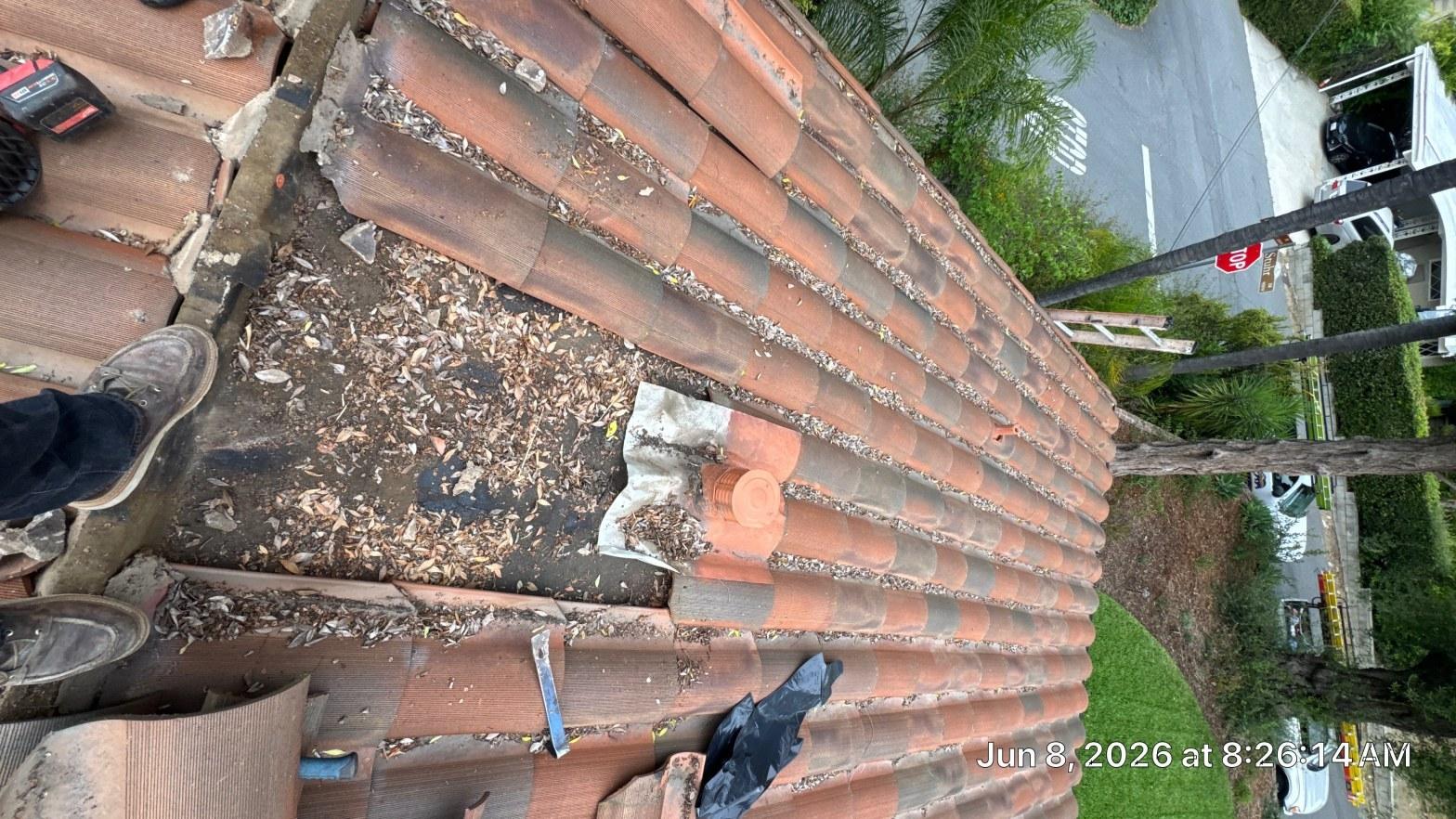
From outside, check whether your soffit vents are clear and unblocked. Insulation that has been pushed against the soffit openings during previous work is one of the most common causes of restricted intake airflow. Also look at your ridge or box vents to ensure they are not clogged with debris or paint. A professional roof inspection will include a ventilation assessment that measures your current airflow capacity against the recommended standard for your attic size and identifies specific areas for improvement.
Get Your Ventilation Assessed by Roof Replacement Inc
Roof Replacement Inc includes a full ventilation assessment with every free roof inspection we perform across Southern California. Our team measures your existing intake and exhaust capacity, identifies blockages or deficiencies, and recommends the most cost-effective upgrades to bring your system into proper balance.
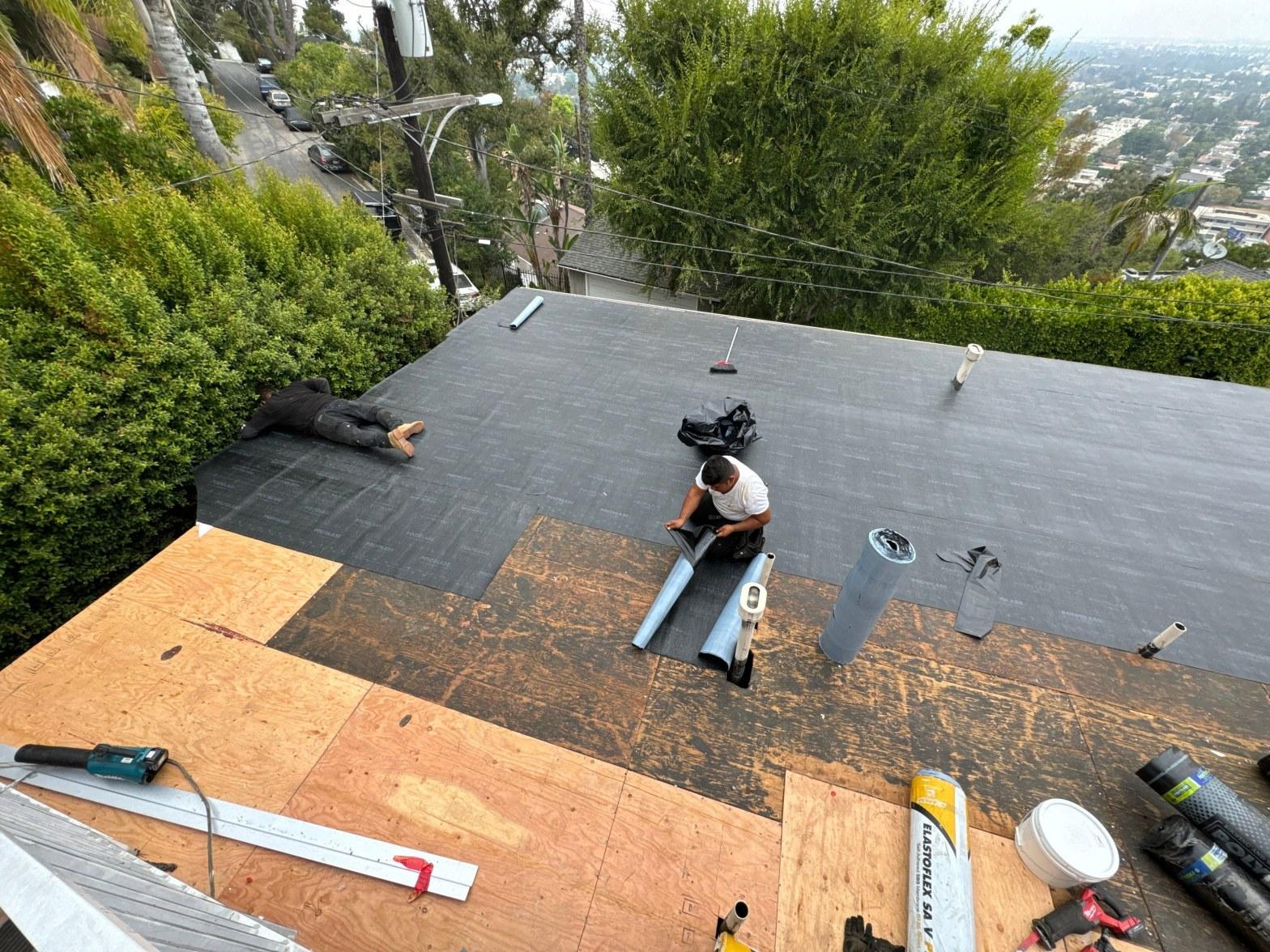
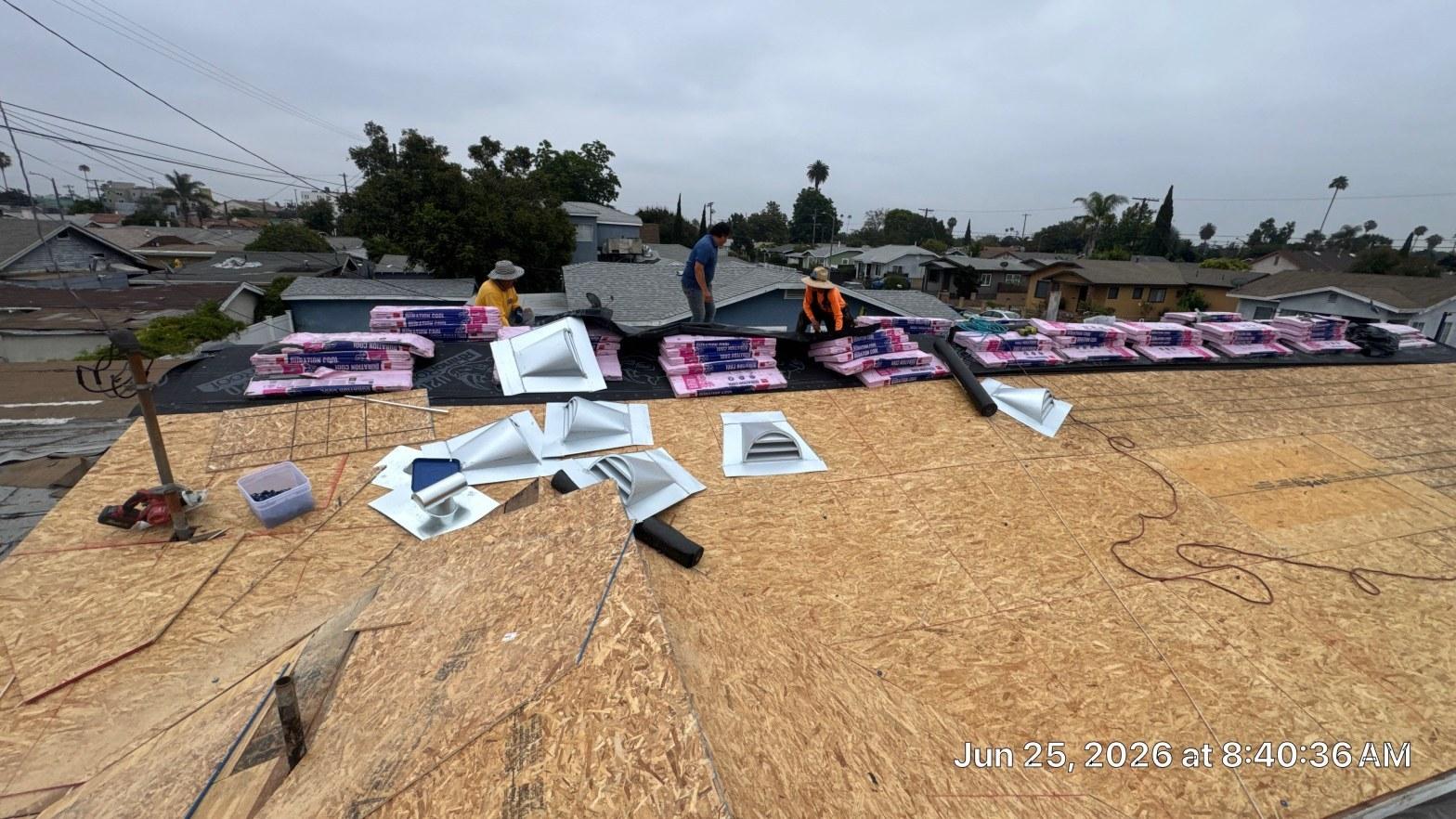
When we perform a roof replacement, we always address ventilation as part of the installation. This ensures that your new roof has the airflow it needs to perform at its best, maintain its manufacturer warranty, and deliver the full lifespan the materials are designed to provide. We install ridge vents, soffit vents, baffles, and powered ventilation solutions depending on what your specific attic configuration requires.
We hold Contractor License #1063655 and have over 50 years of experience serving Southern California. Our 5 out of 5 star rating from 194 Google reviews reflects the attention to detail that separates a quality installation from one that just looks good on the surface.
For homeowners in other nearby areas, we provide the same comprehensive services including roof repair in Southern California, roof repair in Southern California, new roof installations, roof removal, and financing options for projects of any size. Check out our completed projects to see ventilation upgrades and full installations across the valley, or visit our FAQ page for answers to common questions.
Call (213) 364-3979 or visit our free quote page to schedule your free ventilation assessment and roof inspection today.
Frequently Asked Questions
Explore our full range of roofing services across Southern California.




What Our Clients Say

Roof Replacement Inc. offers professional, high-quality work, guaranteed (call for details); ensuring all clients projects meet all code and design requirements. We are dedicated to exceptional customer service and will strive to ensure you with the highest quality roofing services. Roof Replacement Inc. offers lifetime warranty (call for details) on all of our workmanship to ensure the quality of our work. With over four decades of experience and success within the roofing and construction industry, Roof Replacement Inc. has grown and developed in all areas of roofing construction, including roof inspections. As a leading residential and commercial roofing company in LA, we have hundreds of references from previous clients, so rest assured, that your roofing job will be done right the first time. Replacing an old roof can help add curb appeal and will increase the perceived value of your home. First impressions are vital when selling your home, especially when your roof takes up more than half of the exterior of your residence or business. Not only is the return of investment on a new roof attractive for potential buyers, but can be as beneficial as remodeling the kitchen or bathrooms within your residence.

