

Choosing Between Immediate Action and Strategic Monitoring for Roof Water Issues
Sun Valley homeowners face a critical choice when they suspect roof water problems: is this an active emergency requiring immediate intervention, or a slow deterioration pattern that needs strategic monitoring and planned repair? Understanding the difference determines whether you’re calling for emergency service at midnight or scheduling a comprehensive inspection next week. The $750,000 median home values in neighborhoods like Stonehurst and Glencrest Hills mean making the wrong call can cost thousands in unnecessary emergency fees—or tens of thousands in structural damage from delayed action.
📋 In This Guide
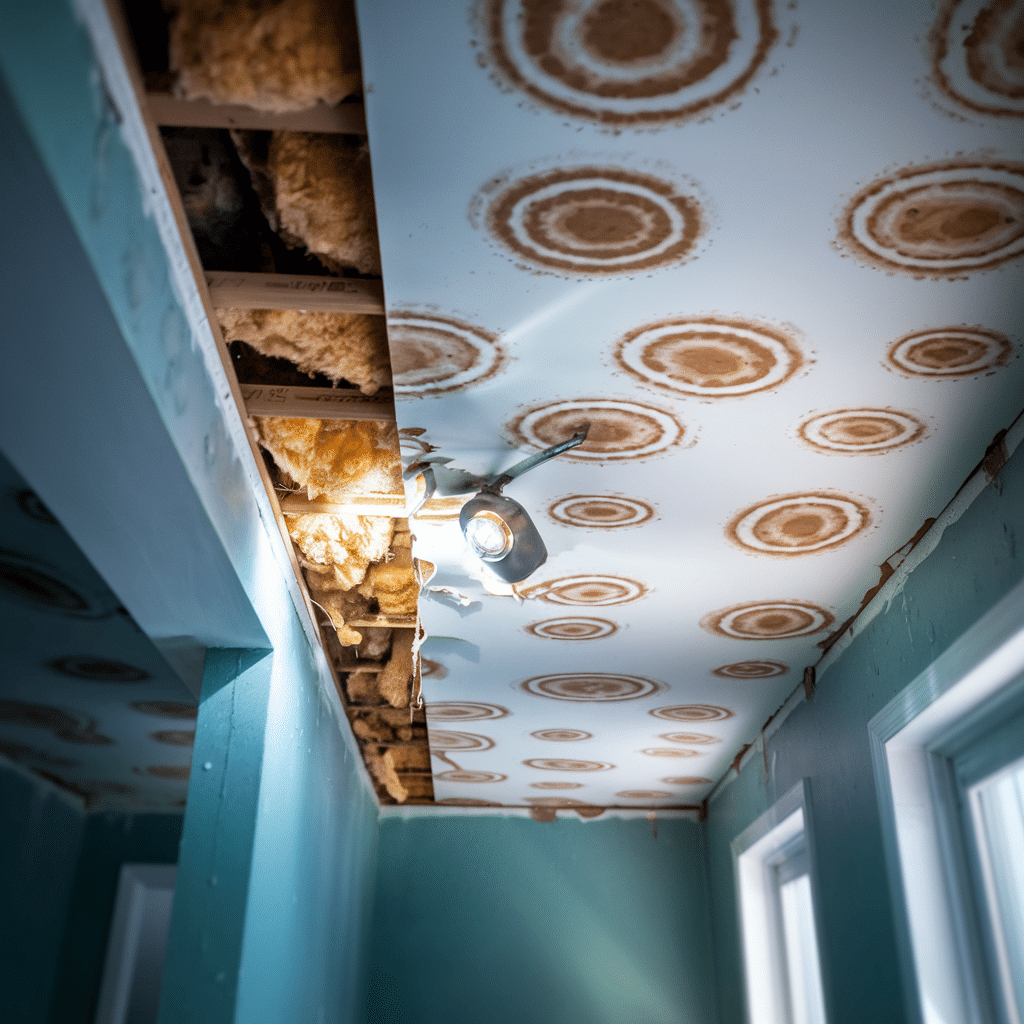
The San Fernando Valley’s weather patterns create unique detection challenges. Sun Valley receives most rainfall between November and March, with occasional intense downpours that can suddenly expose vulnerabilities that remained hidden during nine months of dry weather. A roof that seemed perfectly functional in August might reveal critical weaknesses during the first significant rain in October. Many homeowners in the Sun Valley Park Area and Shadow Hills Adjacent have discovered that what appeared to be minor ceiling discoloration in spring had actually been an active leak pathway all winter, causing hidden damage to framing, insulation, and electrical systems.
Four Diagnostic Questions That Reveal Your True Situation
Before you pick up the phone, answer these four questions to determine your actual risk level. First: Is the visible evidence expanding right now? Active leaks create fresh water stains that darken and spread within hours. Take a photo of any ceiling discoloration or wall staining, then check it again in 24 hours. If the stain has grown, you’re witnessing an active intrusion that requires immediate professional attention from Roof Repair in Sun Valley specialists.
Second: Can you correlate the evidence with specific weather events? Check your weather app for rainfall dates, then examine when you first noticed moisture signs. If ceiling stains appeared within 48 hours of heavy rain, you’re likely dealing with an active penetration pathway. If the evidence predates the last rainfall by weeks, you might be seeing the residual effects of an older event that’s already dried out—suggesting monitoring rather than emergency response.
Third: Is there moisture present when you physically touch suspected areas? Use your hand to feel ceiling stains, wall surfaces near exterior walls, and attic insulation near roof penetrations. Actual dampness indicates ongoing moisture presence; completely dry surfaces with visible staining suggest historical events. Fourth: Do you smell mustiness in affected areas? Fresh water intrusion typically has no odor; that characteristic musty smell indicates moisture has been present long enough for microbial growth to begin—usually 48-72 hours. This timeline helps determine whether you’re dealing with a current event or discovering evidence of repeated cycles.
Mapping Water Migration Patterns Through Your Home’s Hidden Spaces
Water rarely travels straight down through a structure. In Sun Valley’s typical post-1960s construction common throughout La Tuna Canyon areas, water enters at one roof location, travels horizontally along framing members or top plates, then drips down at a completely different interior location—sometimes 10-15 feet away from the actual roof penetration. This creates the classic homeowner frustration: “I can see water damage in my bedroom ceiling, but the roofer says there’s no problem directly above that spot.”
Understanding migration patterns requires thinking in three dimensions. Start with your visible interior evidence, then work backward. Ceiling stains near exterior walls often trace back to roof edge details—fascia boards, gutter backing, or rake trim where wind-driven rain can work behind the primary roofing material. Stains centered in rooms often connect to roof penetrations: plumbing vents, bathroom exhaust terminations, or attic ventilation turbines. Stains that follow the line of interior walls frequently indicate valley failures where two roof planes meet.
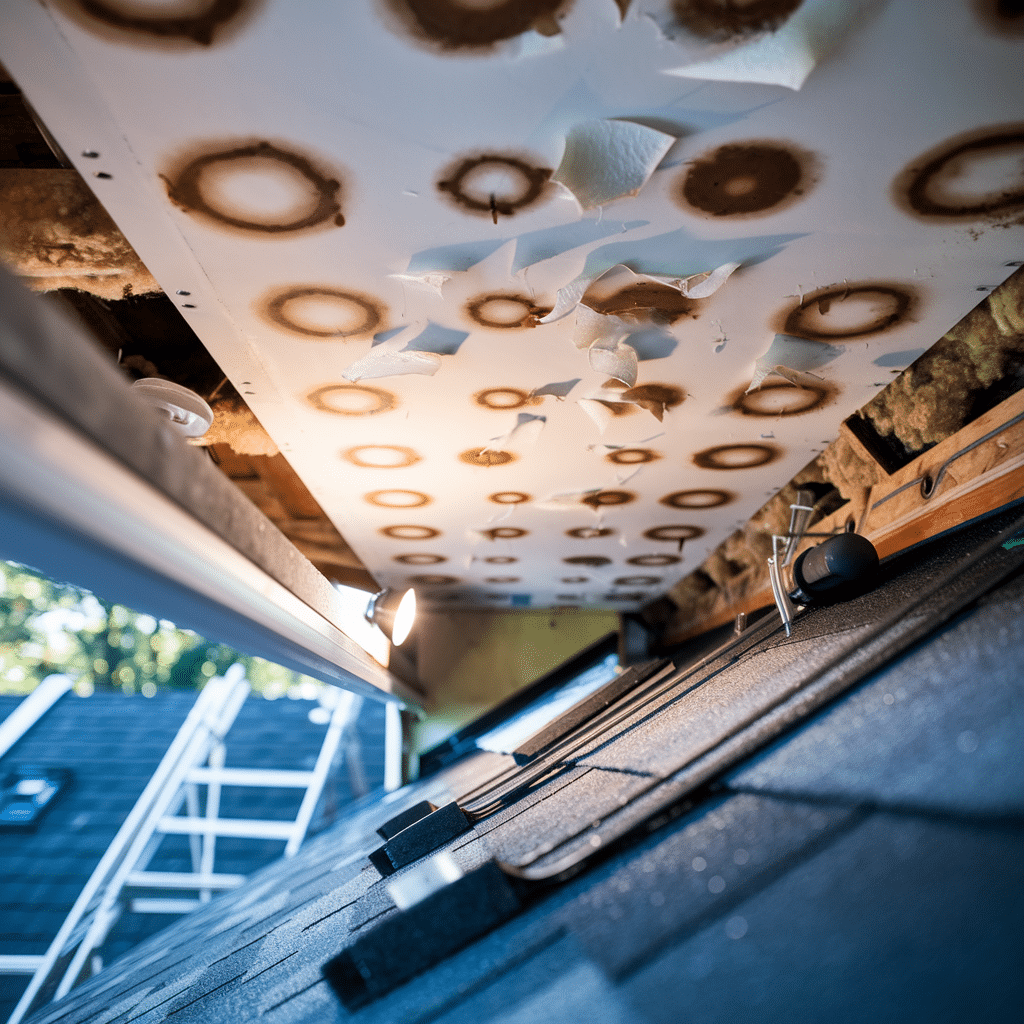
The attic investigation reveals the actual water highway. Bring a bright flashlight and look for darkened wood, rust staining on nail shanks, crushed or matted insulation, and watermarks on framing lumber. In Sun Valley’s budget-conscious housing market where 46% of homes are owner-occupied, many homeowners can perform this initial investigation themselves. Look for evidence trails: water enters at the roof deck level, runs along rafters or trusses, follows electrical conduit or plumbing pipes as convenient pathways, then finally drips onto insulation or through ceiling penetrations like recessed lights.
Strategic Timing: When Sun Valley’s Climate Windows Create Detection Opportunities
Successful leak detection in Sun Valley requires working with the climate, not against it. The optimal detection window opens during the first significant rainfall after the dry season—typically October or November. This first substantial rain event tests your roof’s integrity after months of thermal expansion and contraction that may have opened gaps, shifted flashing, or compromised sealant joints. Schedule your attic inspection within 24-48 hours after this first rain, while evidence is fresh but before everything dries out.
The worst time to discover leaks is during a January storm when every roofer in the Valley is responding to emergencies and temporary repairs might take days. Proactive homeowners in neighborhoods near the Discovery Cube Los Angeles and Stonehurst Recreation Center have learned to schedule annual pre-season inspections in September—before the rains begin. Professional services like those offered by Roofing services in Sun Valley can identify vulnerabilities while weather is still cooperative for efficient repairs.
Spring presents a different detection opportunity. After the winter rainy season concludes, usually by April, schedule a comprehensive damage assessment. Any moisture-related issues that developed during winter will now be visible as dried evidence: water stains, mineral deposits, rust patterns, wood discoloration, and insulation compression. This evidence reveals the full scope of winter moisture intrusion and allows for planned summer repairs when contractors have better availability and homeowners can budget appropriately.
Technology-Enhanced Detection Versus Traditional Investigation Methods
The gap between consumer detection tools and professional equipment has narrowed significantly, but critical differences remain. A $30 moisture meter from a home improvement store measures surface moisture content—useful for confirming whether visible stains are currently wet or historically dry. These pin-type or pinless meters can detect elevated moisture readings in drywall, wood framing, or insulation, but they cannot identify moisture pathways or trace water back to entry points. They answer “is this wet?” but not “where is water entering?”
Professional thermal imaging cameras—$3,000-$15,000 equipment—reveal temperature differentials that indicate moisture presence even when no visible evidence exists. Wet building materials have different thermal properties than dry materials, appearing cooler in thermal images due to evaporative cooling. Professional technicians at Roof Replacement Inc use thermal imaging to map entire moisture intrusion patterns, identifying not just the visible damage but the complete pathway from roof entry to interior evidence. This technology is particularly valuable in Sun Valley homes where insulation conceals water damage that won’t become visually apparent for months.
Ultrasonic moisture detection represents the next technology level—using sound waves to detect moisture within wall cavities and ceiling spaces without physical penetration. While beyond most homeowner budgets, this equipment can identify moisture trapped between vapor barriers, behind tile surrounds, or within multi-layer roofing assemblies. For homes in Glencrest Hills with complex rooflines featuring multiple valleys, dormers, and roof plane transitions, this technology can identify problems that traditional visual inspection would miss entirely. The investment in professional detection typically costs $300-600 but can prevent $5,000-15,000 in structural repairs by catching problems early.
Vulnerability Zones Specific to Sun Valley’s Housing Stock
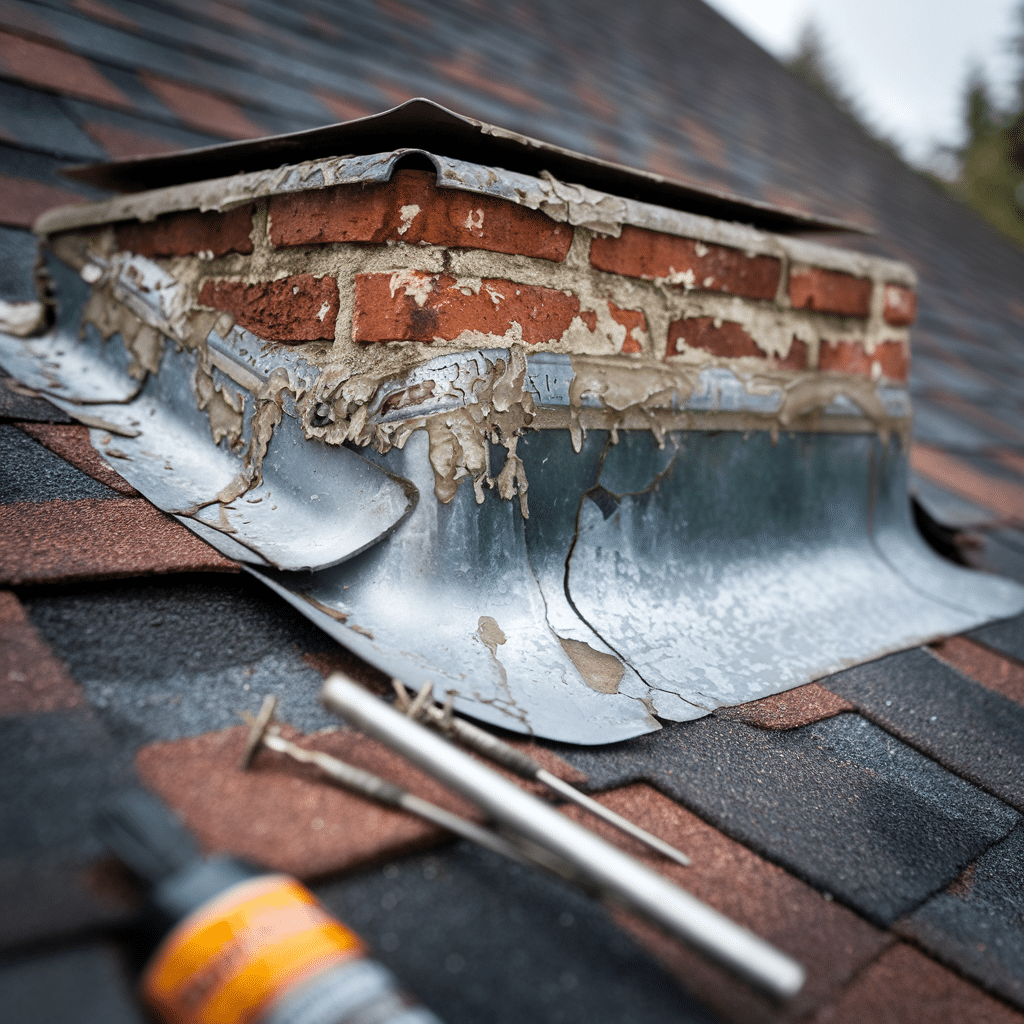
Sun Valley’s mix of older and newer homes creates specific vulnerability patterns. Homes built before 1980—common in established neighborhoods near Sun Valley Chamber of Commerce—typically feature composition shingle roofs with minimal underlayment and simpler flashing details that may have degraded over decades. These older homes often show water intrusion at three critical zones: where original construction meets additions (creating structural discontinuities), around original brick chimneys with aging mortar and failed cricket assemblies, and at T-intersections where attached garages meet main structures.
Newer construction, prevalent in developments from the 1990s-2000s, presents different challenges. These homes often feature complex architectural details—multiple roof planes, decorative gables, integrated skylights—that create numerous potential failure points. Low-slope or nearly flat sections designed for architectural interest become water collection zones during heavy rain. Pay particular attention to where stucco exterior walls meet roofing at head walls and sidewalls; the transition flashing in these locations frequently fails due to differential thermal movement between dissimilar materials.
For Sun Valley homeowners evaluating properties in the $67,000 median household income range, understanding these vulnerability zones allows strategic inspection and maintenance budgeting. Focus your detection efforts on the statistically most problematic areas: skylight curbs and flashing (especially on north-facing roof planes where biological growth accelerates deterioration), plumbing vent pipe boot seals (typically fail every 15-20 years), chimney crickets and counter-flashing (where the four-plane intersection creates complex water management challenges), and roof-to-wall transitions on multi-story homes where horizontal surfaces above lower roof sections channel water against vertical wall assemblies.
Building Your Personal Detection Protocol and Response Plan
Effective leak detection requires a systematic approach adapted to your specific home and risk tolerance. Create a seasonal inspection schedule: September pre-season roof surface examination from the ground using binoculars (looking for visible damage, missing shingles, lifted edges, or deteriorated flashing), October/November post-first-rain attic investigation within 48 hours of significant rainfall, January mid-season check during a dry spell to assess any developing issues, and April/May post-season comprehensive evaluation to document winter impacts and plan summer repairs.
For each inspection, document findings with dated photos and written notes. Create a simple diagram of your home’s interior showing where any moisture evidence appears, then add roof penetration locations from your attic investigation. Over time, this documentation reveals patterns: does the same location show evidence after every significant rain, or do different areas activate under different conditions? This historical data becomes invaluable when working with professional contractors to identify root causes rather than just treating symptoms.
Know your response thresholds before problems occur. Define what constitutes an immediate emergency requiring same-day service (active dripping water, visible water accumulation, moisture near electrical panels or fixtures), what qualifies as urgent but can wait for next-business-day attention (fresh moisture evidence, expanding stains, damp insulation), and what falls into planned monitoring and scheduled repair (dried historical evidence, isolated minor staining, suspected but unconfirmed vulnerability). Having these definitions established prevents panic-driven decisions and allows thoughtful response to actual conditions.
When detection reveals problems beyond your comfort level or expertise, professional help ensures accurate diagnosis and appropriate solutions. The experienced team at Roof Replacement Inc provides comprehensive leak detection and repair services throughout Sun Valley and surrounding areas including Roofing in North Hollywood, Roofing in Tujunga, and Roofing in Burbank. Call (213) 319-5884 to schedule an inspection that uses professional-grade thermal imaging, moisture mapping, and structural assessment to identify not just visible problems but hidden vulnerabilities before they become expensive emergencies. For properties ranging from modest single-story homes to complex multi-level structures, early detection and strategic repair planning protects your investment while respecting your budget constraints and timeline requirements.

Marcus Rivera has spent 14 years in the field as a roofing estimator and site supervisor across Southern California, inspecting and overseeing hundreds of residential and commercial roof replacements throughout the San Fernando Valley and Ventura County. He holds a HAAG-certified roof inspector credential and specializes in helping homeowners understand the real scope of damage before committing to a replacement. At Roof Replacement Inc., Marcus leads the estimation team and serves as the go-to resource for complex re-roofing projects involving tile, shingle, and low-slope systems.
❓ Frequently Asked Questions
How quickly can a small roof leak cause serious structural damage in Sun Valley homes?
In Sun Valley's climate, a small active leak can cause significant damage within 3-6 months if left unaddressed. During the November-March rainy season, consistent moisture exposure leads to wood rot, insulation compression, and potential mold growth. Early detection through systematic inspection prevents minor leaks from becoming expensive structural repairs.
What's the difference between moisture meters and thermal imaging for leak detection?
Moisture meters measure surface moisture content and confirm whether materials are currently wet, while thermal imaging cameras detect temperature differentials that reveal hidden moisture pathways even without visible evidence. Professional thermal imaging provides comprehensive moisture mapping, while consumer moisture meters offer useful spot-checking for confirming suspected problems.
When should Sun Valley homeowners schedule roof inspections for best leak detection results?
Schedule inspections 24-48 hours after Sun Valley's first significant October or November rainfall, when evidence is fresh but before materials dry out. Also conduct a post-season evaluation in April or May to assess winter damage and plan summer repairs when contractor availability is better and weather allows efficient work.
Can I trust ceiling stain location to identify where my roof is actually leaking?
No—water often travels 10-15 feet horizontally along framing before dripping through ceilings at locations far from the actual roof entry point. Professional leak detection from Roof Replacement Inc at (213) 319-5884 uses thermal imaging and systematic investigation to trace ceiling evidence back to actual roof penetration points, ensuring repairs address root causes rather than symptoms.
🏘️ Same Topic in Nearby Cities
Related Posts



What Our Clients Say

Roof Replacement Inc. offers professional, high-quality work, guaranteed (call for details); ensuring all clients projects meet all code and design requirements. We are dedicated to exceptional customer service and will strive to ensure you with the highest quality roofing services. Roof Replacement Inc. offers lifetime warranty (call for details) on all of our workmanship to ensure the quality of our work. With over four decades of experience and success within the roofing and construction industry, Roof Replacement Inc. has grown and developed in all areas of roofing construction, including roof inspections. As a leading residential and commercial roofing company in LA, we have hundreds of references from previous clients, so rest assured, that your roofing job will be done right the first time. Replacing an old roof can help add curb appeal and will increase the perceived value of your home. First impressions are vital when selling your home, especially when your roof takes up more than half of the exterior of your residence or business. Not only is the return of investment on a new roof attractive for potential buyers, but can be as beneficial as remodeling the kitchen or bathrooms within your residence.
Marcus Rivera has spent 14 years in the field as a roofing estimator and site supervisor across Southern California, inspecting and overseeing hundreds of residential and commercial roof replacements throughout the San Fernando Valley and Ventura County. He holds a HAAG-certified roof inspector credential and specializes in helping homeowners understand the real scope of damage before committing to a replacement. At Roof Replacement Inc., Marcus leads the estimation team and serves as the go-to resource for complex re-roofing projects involving tile, shingle, and low-slope systems.


