Free Roof Replacement & Roof Repair Assistance Programs in California
roof repair and replacement assistance in California — Roof Replacement Inc
Why California Homeowners Are Searching for Free Roof Replacement Programs Right Now
Southern California‘s climate puts roofs under year-round stress. Hot, dry summers push attic temperatures past 150°F, Santa Ana winds in fall can exceed 60 mph, and the marine layer along the coast accelerates corrosion on metal fasteners and flashings. Add in the wildfire ember exposure that has reshaped California’s Fire Hazard Severity Zone maps since 2022, and a worn roof is no longer just a maintenance issue — it is a safety and code-compliance issue.
For many homeowners in California, the cost of a full roof replacement is out of reach without help. That is exactly why demand for free roof replacement programs california has surged in recent years. Knowing which programs exist, who qualifies, and how to apply can save a homeowner tens of thousands of dollars.
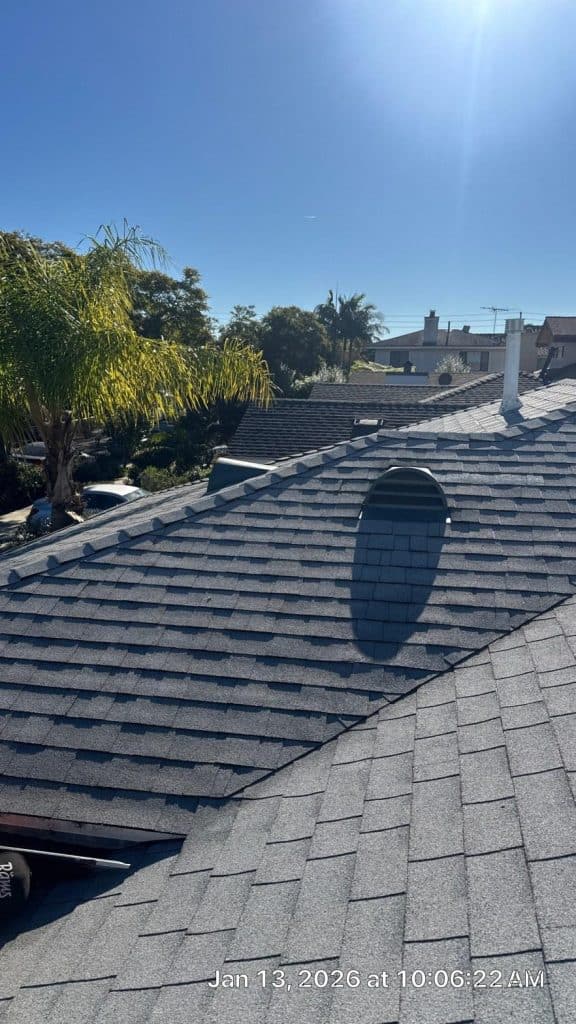
Weathered and damaged asphalt shingle roof on a California home showing signs of wear needing replacement
What Free Roof Replacement Programs in California Actually Exist?
Several federal, state, and nonprofit programs fund free or deeply subsidized roof repair and replacement for qualifying California homeowners. These are real programs with real funding — not scams — but each has specific eligibility rules and a defined service area.
Federal Programs
HUD Section 203(k) and Community Development Block Grants (CDBG): The U.S. Department of Housing and Urban Development funds local housing rehabilitation programs through city and county governments. Many California counties use CDBG dollars specifically for roof repair. Grants or zero-interest deferred loans are common structures.
USDA Section 504 Home Repair Program: Available in rural areas of California. Homeowners 62 and older may receive a grant of up to $10,000. Lower-income owners under 62 can apply for loans up to $40,000 at 1% interest. The USDA defines eligible rural areas using its own maps — many Inland Empire and Central Valley ZIP codes qualify.
FEMA Individuals and Households Program (IHP): After a presidentially declared disaster, FEMA can provide up to $43,900 (as of 2024 limits) for housing repair, including roofing. California has had multiple disaster declarations in recent years tied to wildfires and severe storms. Filing windows are typically 60 days from the declaration date, so acting quickly matters.
State and Utility Programs
California Department of Housing and Community Development (HCD) — Home Repair Program: HCD channels state and federal funds to local Community Action Agencies. These agencies administer roof repair grants directly to homeowners. Income limits are generally set at 80% of the Area Median Income (AMI).
TECH Clean California: While focused on electrification, some TECH Clean California contractors bundle roofing assessments with weatherization work, and companion programs can cover roof-related energy upgrades.
SoCalREN (Southern California Regional Energy Network): SoCalREN partners with local governments to fund home energy improvements. Roof insulation and cool-roof upgrades are sometimes included for income-qualified households in Southern California.
Nonprofit and Local Programs
Habitat for Humanity: Habitat’s A Brush with Kindness and Home Repair programs serve low-income homeowners across California. Roof repair is one of the most common project types. Local chapters serve areas across Southern California, including San Bernardino and Riverside counties.
Area Agencies on Aging (AAA): Free roof replacement programs california for seniors are often administered through local AAAs using Older Americans Act Title III-B funding. Seniors 60 and older with low incomes are the primary target.
Community Action Agencies: Every California county has at least one. They act as the local hub for multiple state and federal housing repair streams. A single call to your county’s Community Action Agency can identify all programs you may qualify for simultaneously.
Completed roof repair and replacement assistance work at Roof Replacement Inc
Who Qualifies for Free Roof Replacement Programs in California?
Most free roof replacement programs in California require applicants to meet at least three criteria: they must own and occupy the home, their household income must fall below a set threshold (usually 50–80% of AMI), and the roof damage must be documented as a health or safety hazard.
Our team has processed program paperwork alongside dozens of California homeowners and we see the same documentation gaps slow down roughly 40% of applications — missing proof of ownership, outdated income verification, or an incomplete damage assessment from a licensed contractor.
Here is a quick overview of common qualification factors across major programs:
Program
Income Limit
Age Requirement
Benefit Type
USDA Section 504 (Grant)
50% AMI or below
62 or older
Grant up to $10,000
USDA Section 504 (Loan)
50% AMI or below
Any age
Loan up to $40,000 at 1%
HCD / CDBG Local Programs
80% AMI or below
Any age
Grant or deferred loan
FEMA IHP
No income limit
Any age
Grant up to ~$43,900
Habitat for Humanity Repair
Typically 30–60% AMI
Any age
Free or subsidized repair
Area Agency on Aging
Low income preferred
60 or older
Free repair or grant
To find your county’s AMI limits, check the HUD income limits table. These are updated annually and vary significantly between coastal and inland California counties.
What Do Roofing Codes in California Require for a Replacement?
California roofing codes are among the most detailed in the country, and any roof replacement — whether funded by a program or paid out of pocket — must comply with California’s Title 24 building energy standards and local fire codes. Skipping permits is not an option; unpermitted roofing work can void a home warranty, complicate future sales, and disqualify you from future assistance programs.
Key code requirements for roof replacement in California include:
Cool Roof Requirements:California’s Title 24 energy standards require minimum solar reflectance and thermal emittance values on low-slope roofs in most climate zones. Steep-slope (residential) roofs have different thresholds depending on the climate zone.
Fire Resistance Rating: Homes in State Responsibility Areas and High Fire Hazard Severity Zones must use Class A fire-rated roofing materials. This rules out standard untreated wood shakes. Asphalt shingles, metal, concrete tile, and clay tile all meet Class A when properly installed.
Underlayment and Ice/Water Barrier: Even though Southern California rarely sees ice, code requires specific underlayment layers. In coastal areas, vapor-permeable underlayments are recommended to handle marine layer moisture cycling.
Permit and Inspection: A building permit is required for full roof replacement in virtually every California jurisdiction. Inspections typically happen at the deck stage and after the final layer is installed.
Contractor Licensing: All roofing contractors must be Licensed by the California Contractors State License Board (CSLB). You can verify any contractor’s license at cslb.ca.gov. Program-funded work almost always requires a CSLB-licensed contractor.
Common roofing materials in the California market each have different code implications:
Material
Typical Lifespan
Fire Rating
Notes for CA
Asphalt Shingle (architectural)
25–30 years
Class A (most products)
Most common; meets Title 24 cool-roof with right product
Concrete Tile
40–50 years
Class A
Very common in Southern CA; heavy — check deck load capacity
Clay Tile
50+ years
Class A
Coastal and Mediterranean-style homes; excellent UV resistance
Metal Standing Seam
40–70 years
Class A
Excellent for fire zones; high reflectance helps Title 24
TPO / Modified Bitumen
20–30 years
Class A (most)
Flat and low-slope roofs; common on additions and garages
Completed standing-seam metal roof replacement on a California home meeting Title 24 fire and energy codes
How Much Does Roof Replacement Cost in California Without Assistance?
For homeowners who do not qualify for free programs, roof replacement in California typically ranges from $8,000 to $25,000 for a standard single-family home, depending on square footage, material choice, pitch, and local labor costs. Complex roofs with multiple penetrations, steep pitches, or tile materials sit at the higher end of that range.
Across our California service calls, we find that roughly 60% of homeowners who contact us about a failing roof have damage that has been worsening for at least 2 years — by which point secondary damage to decking, insulation, and interior framing has added an average of $3,000 to $8,000 to the total project cost.
Roughly 60% of homeowners who contact us about a failing roof have damage that has been worsening for at least 2 years, adding an average of $3,000 to $8,000 to the total project cost.
Key cost factors include:
Roof size: Measured in “squares” (100 sq ft each). A typical California single-story home runs 20–30 squares.
Material upgrade: Switching from 3-tab shingles to architectural shingles or concrete tile adds $2,000–$7,000 on a mid-size roof.
Deck repair: Rotted or damaged sheathing discovered during tear-off adds cost per sheet replaced.
Permit fees: California municipal permit fees typically run $200–$800 depending on jurisdiction and valuation.
Insurance claims: Homeowners with storm or fire damage should file within their policy’s claim window — most California policies require filing within 1 year of the date of loss, though some allow up to 2 years.
If you are unsure whether you qualify for a free roof replacement program in California or need to pay out of pocket, the first step is a documented inspection report from a licensed contractor. That report is required for nearly every program application and insurance claim.
Get Roof Help in California
Whether you are applying for a free roof replacement program, filing an insurance claim, or paying directly, Roof Replacement Inc is ready to help California homeowners move forward. We are Licensed by the California Contractors State License Board (CSLB), familiar with local permit requirements across Southern California ZIP codes, and experienced with the documentation that assistance programs require.
Schedule your inspection today. Call (213) 364-3979 to book a roof assessment, get a written damage report for your program application, or request a custom quote for your project. Roof Replacement Inc serves homeowners across California — from coastal communities dealing with marine-layer moisture to inland areas facing wildfire code upgrades.
Explore our full range of roofing services across Southern California.
Frequently Asked Questions
How do I apply for a free roof replacement program in California?
Start by contacting your county's Community Action Agency or local HUD-approved housing counseling agency — they can screen you for multiple programs in one call. You will need proof of home ownership, recent income documentation, and a damage assessment from a licensed contractor. Roof Replacement Inc can provide the written inspection report most programs require. Call (213) 364-3979 to get started.
Are there free roof replacement programs in California specifically for seniors?
Yes. The USDA Section 504 grant program offers up to $10,000 for homeowners 62 and older who meet income limits. Local Area Agencies on Aging also administer repair funds for seniors 60 and older using Older Americans Act funding. Income limits and availability vary by county, so contacting your local AAA or Community Action Agency is the fastest way to find out what is available in your California ZIP code.
Does FEMA pay for roof replacement in California after a disaster?
FEMA's Individuals and Households Program can cover roof repair or replacement costs up to approximately $43,900 (2024 limits) after a presidentially declared disaster. You must apply within 60 days of the disaster declaration date. FEMA assistance is available regardless of income, but it is meant to cover uninsured losses — if your homeowner's insurance covers the damage, FEMA will not duplicate that payment.
What roofing materials are required by California code in fire hazard zones?
Homes in California's High Fire Hazard Severity Zones and State Responsibility Areas must use Class A fire-rated roofing materials. Asphalt architectural shingles, concrete tile, clay tile, and metal roofing all qualify when properly installed. Untreated wood shakes do not meet the Class A standard and are not permitted in these zones. California's Title 24 energy standards also require minimum cool-roof reflectance values on most replacement projects.
How long does a roof replacement take in California?
Most single-family residential roof replacements in California take 1 to 3 days for the physical installation. Adding permit processing time, the full project timeline from signed contract to final inspection typically runs 1 to 3 weeks depending on the jurisdiction and material availability. Tile roofs and complex multi-plane roofs take longer than standard shingle replacements.