Torch Down Roof Repair Project in Los Angeles, CA
At 5264 Los Adornos Way, Los Angeles, CA 90027, Roof Replacement Inc completed a torch down roof repair on a residential property featuring both flat and sloped roof sections. The work addressed visible cracking, open seams, deteriorated membrane surfaces, moisture intrusion staining, and failed flashing transitions across multiple roof planes. Upon completion, the flat roof sections were restored with fresh torch-applied modified bitumen membrane, and the transition zones between flat and pitched surfaces were properly sealed and integrated.
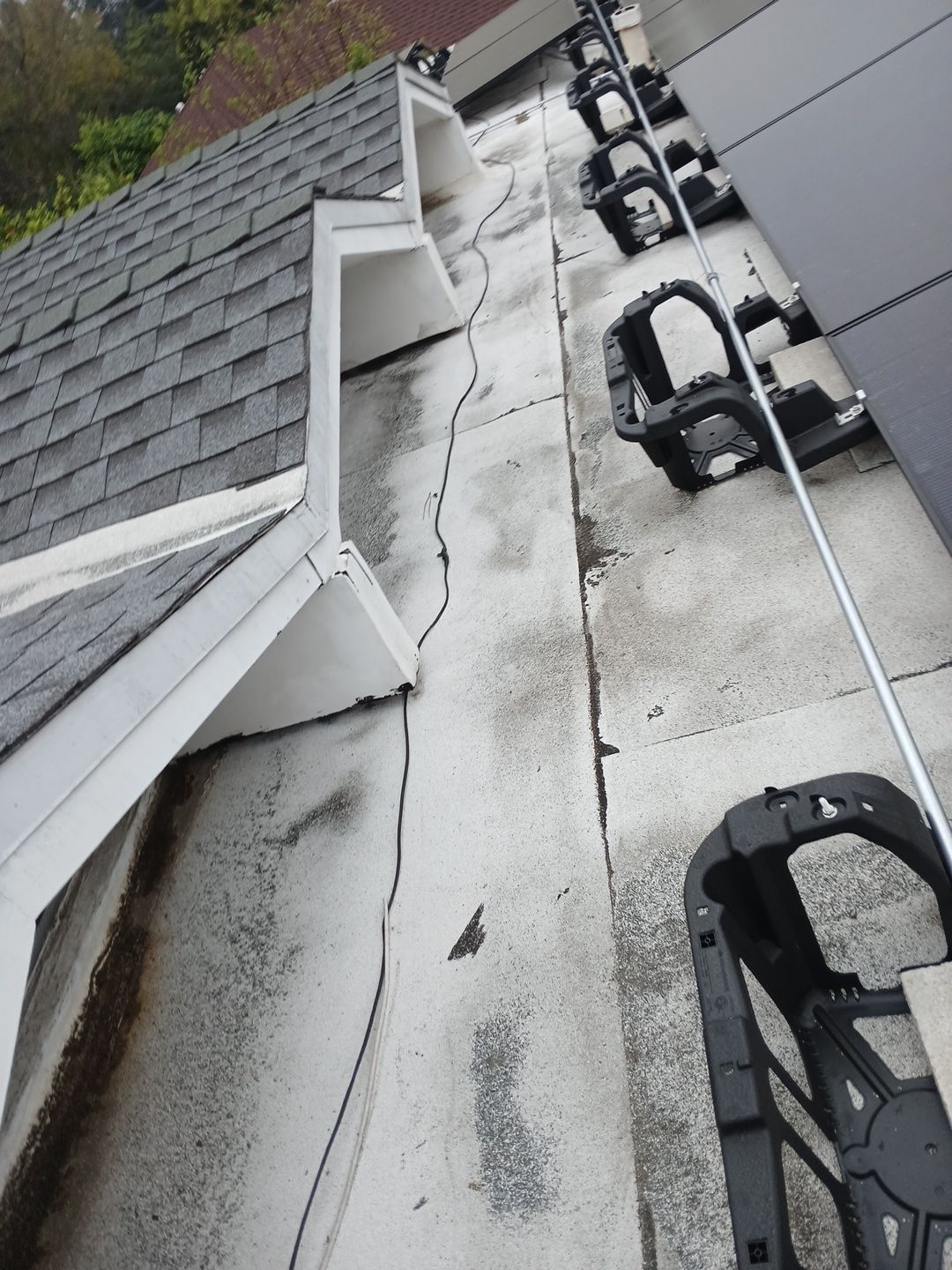
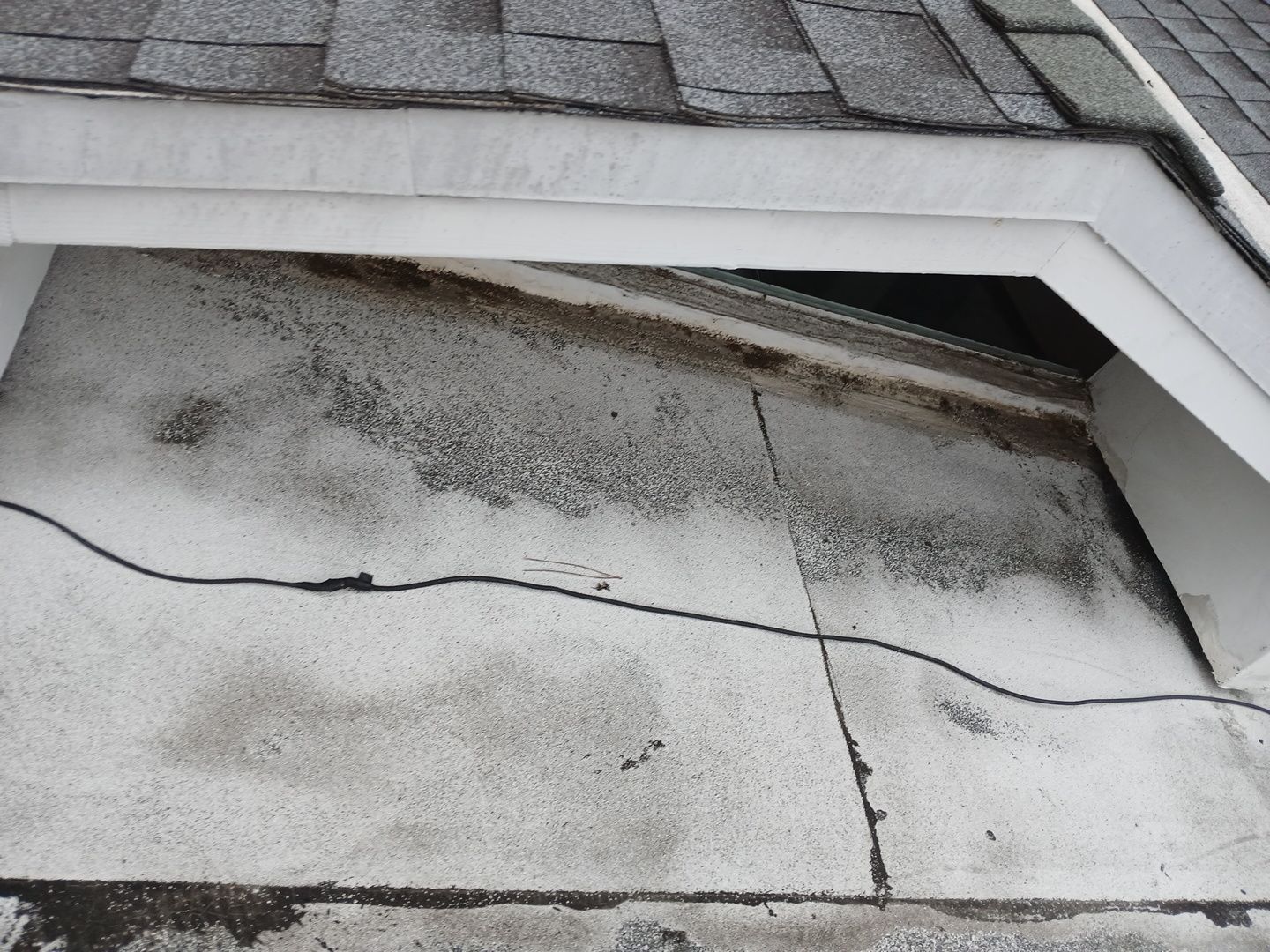
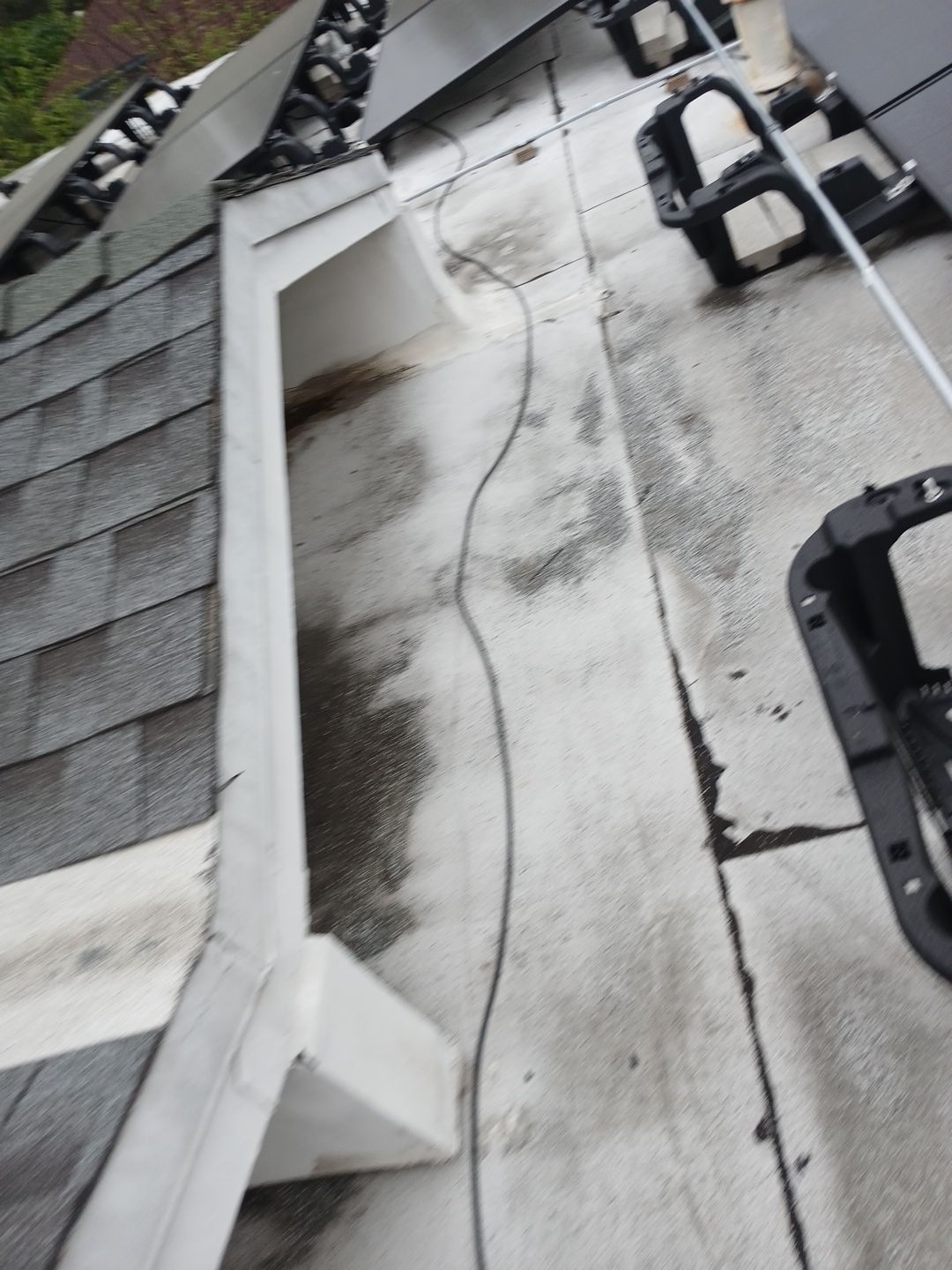
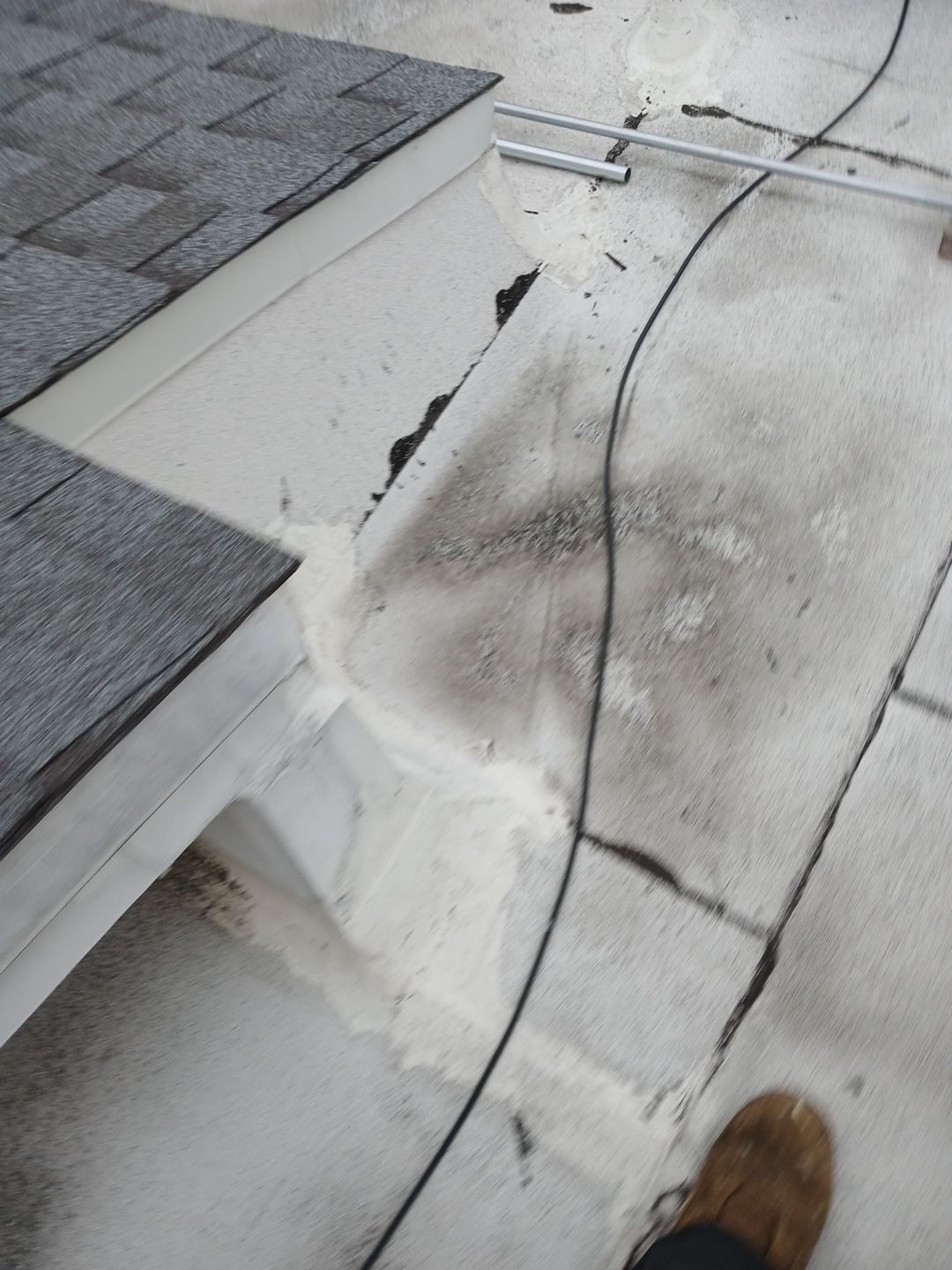
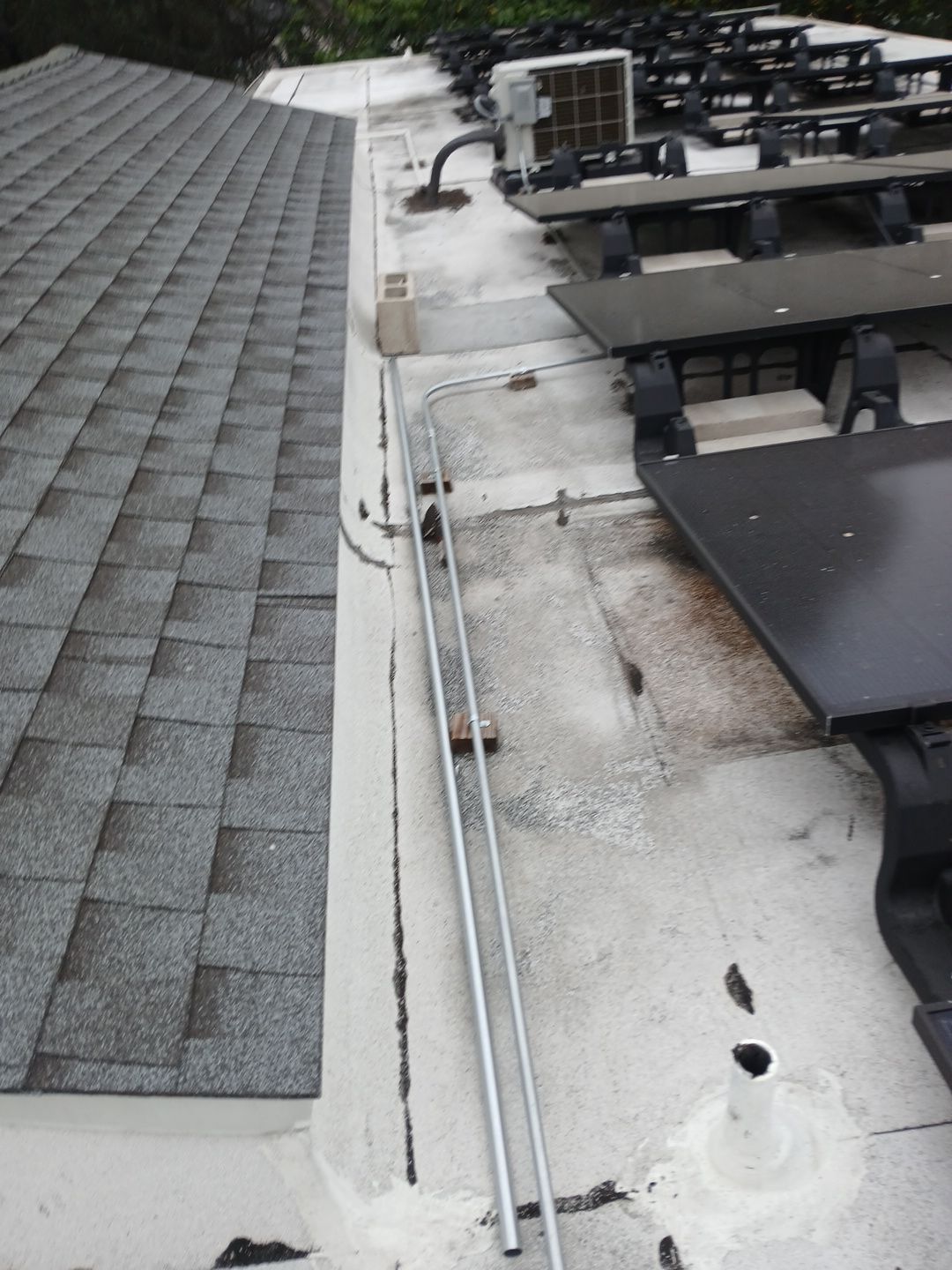
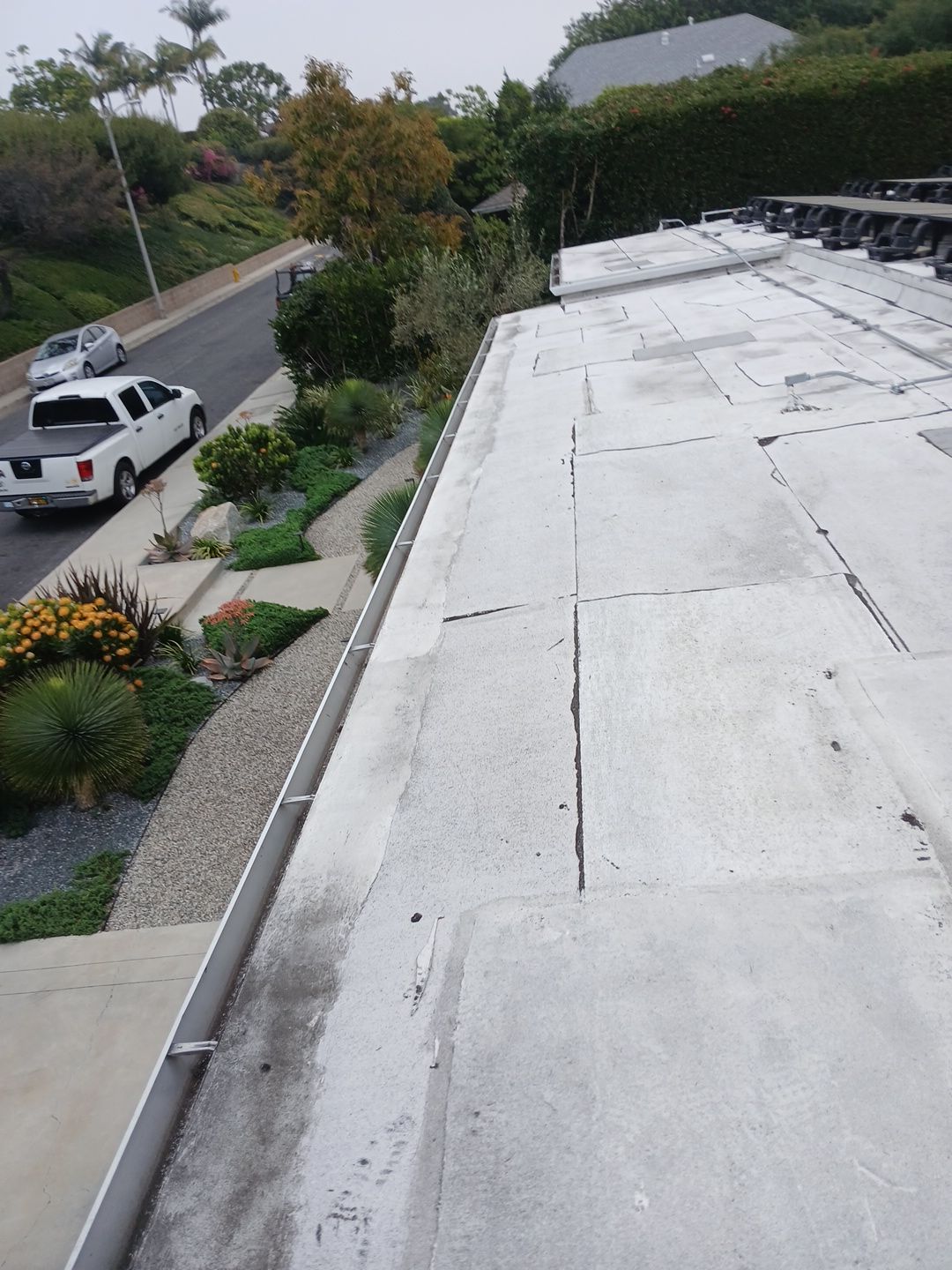
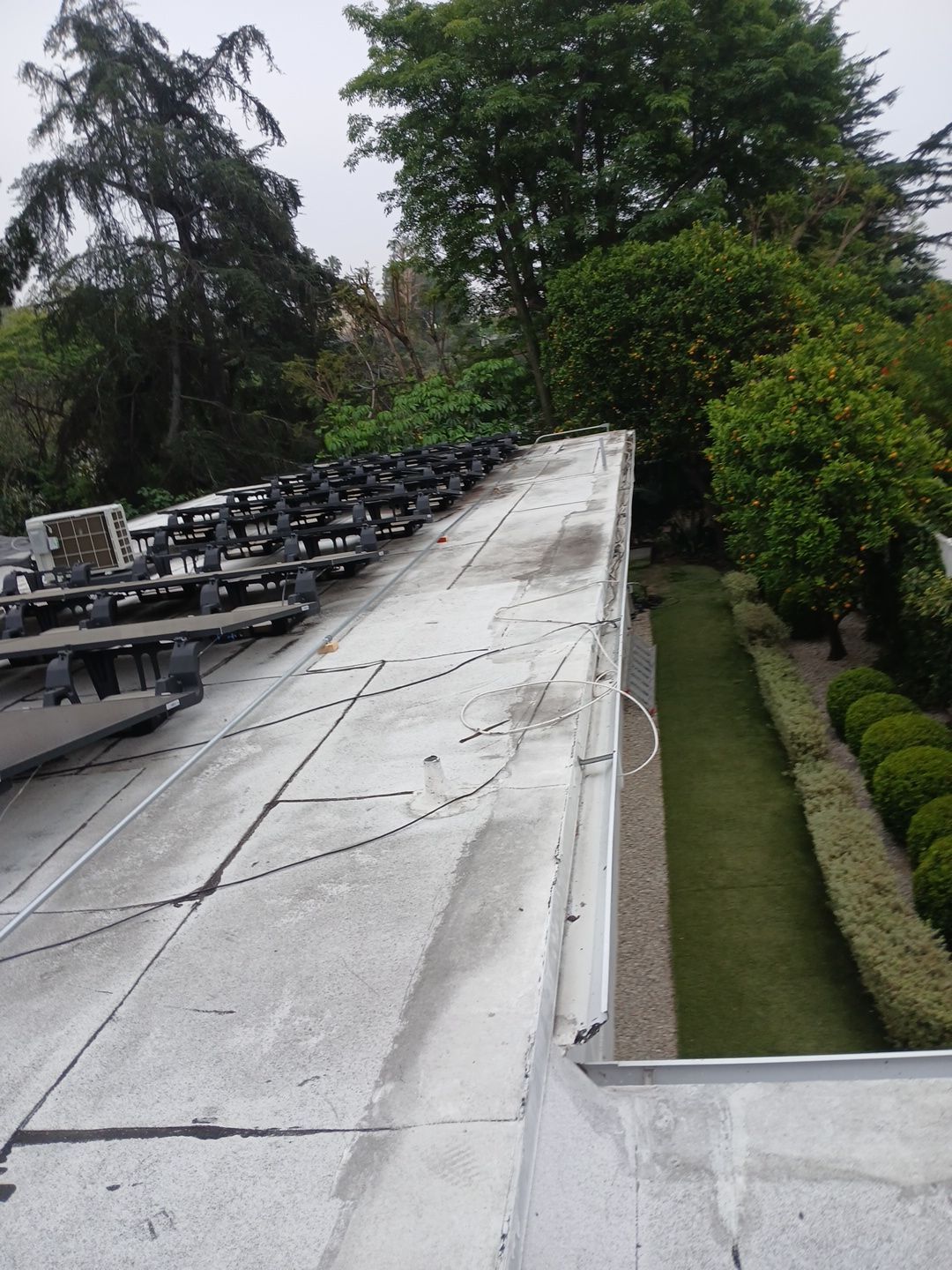
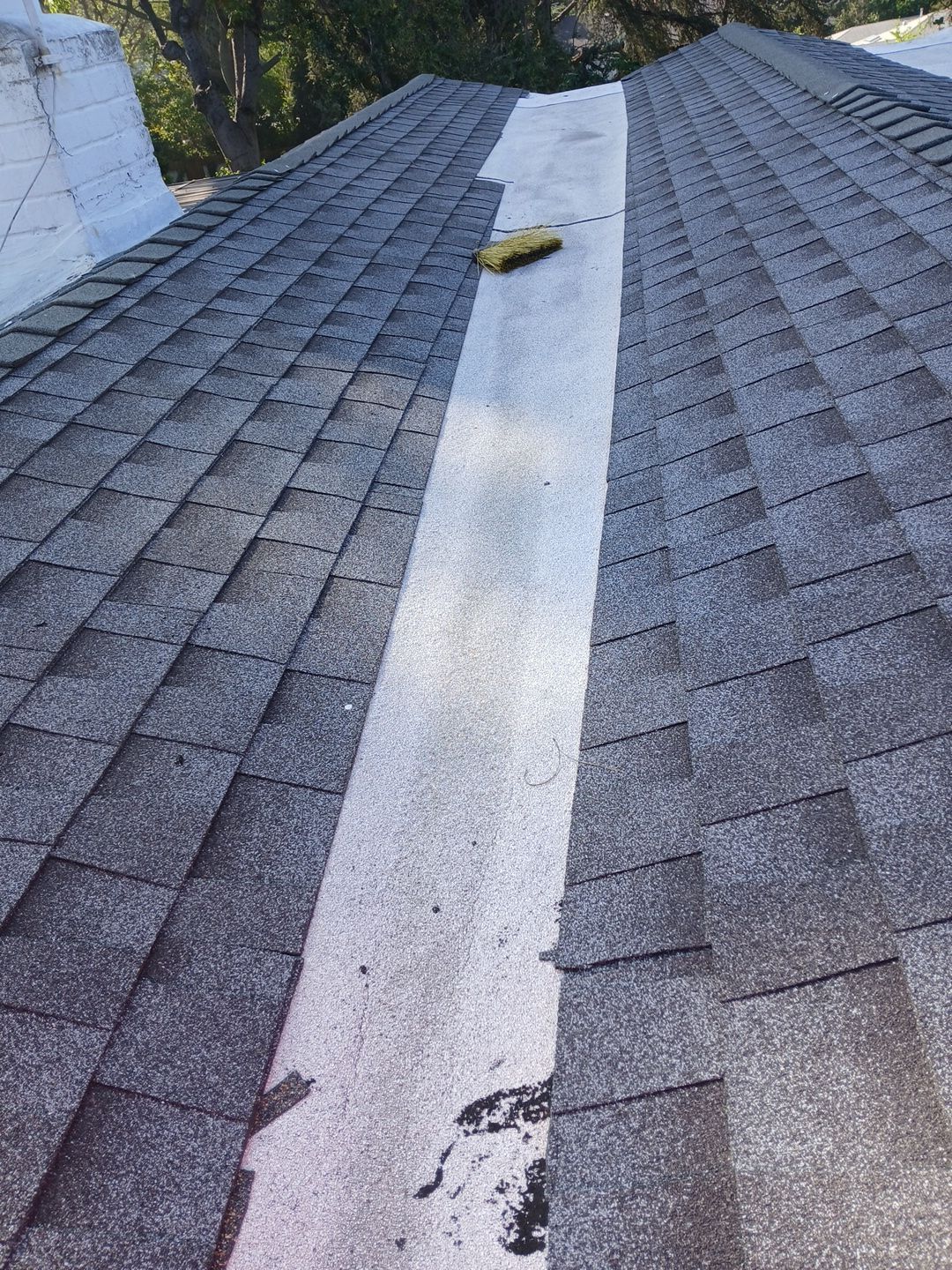
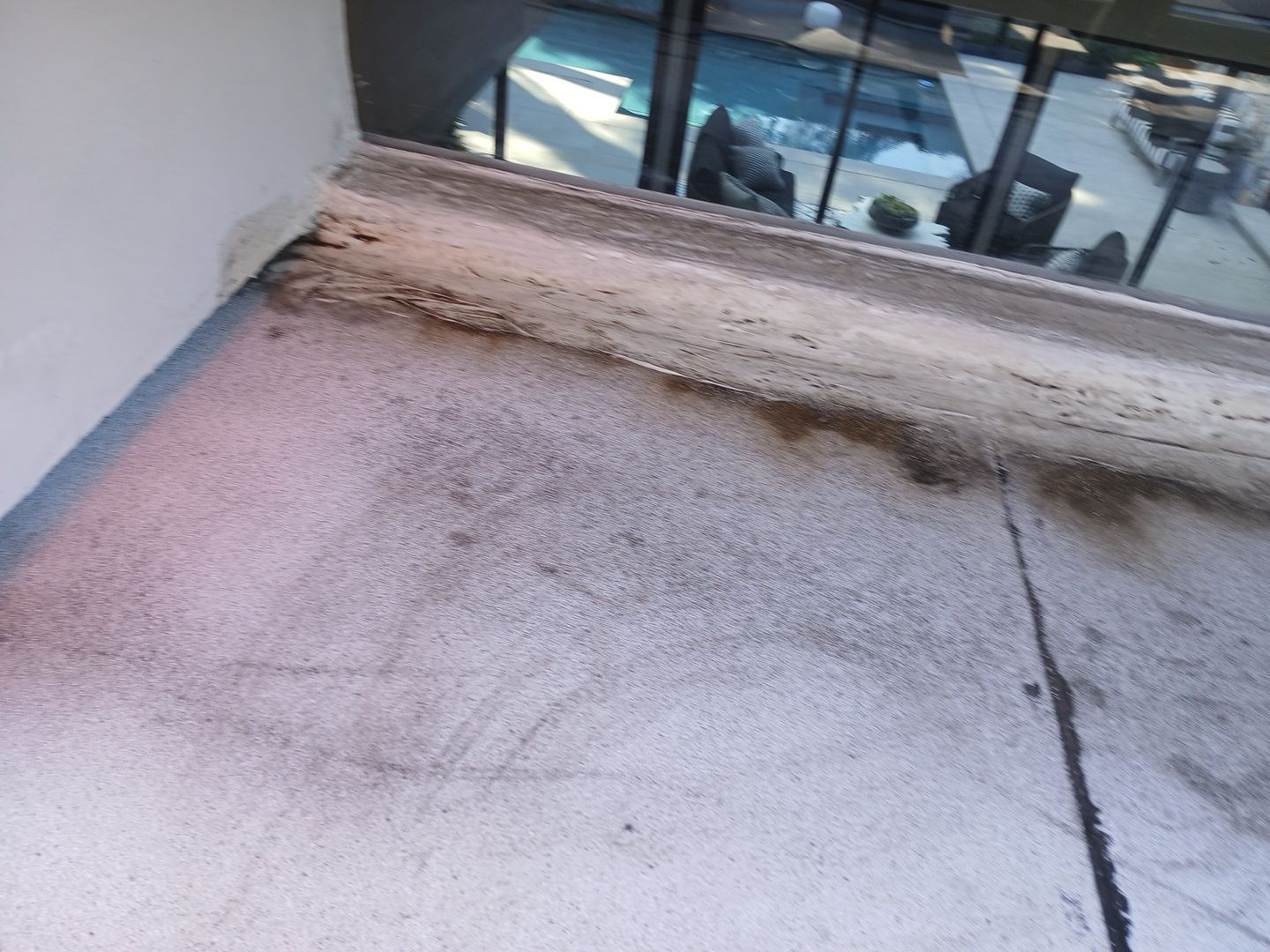
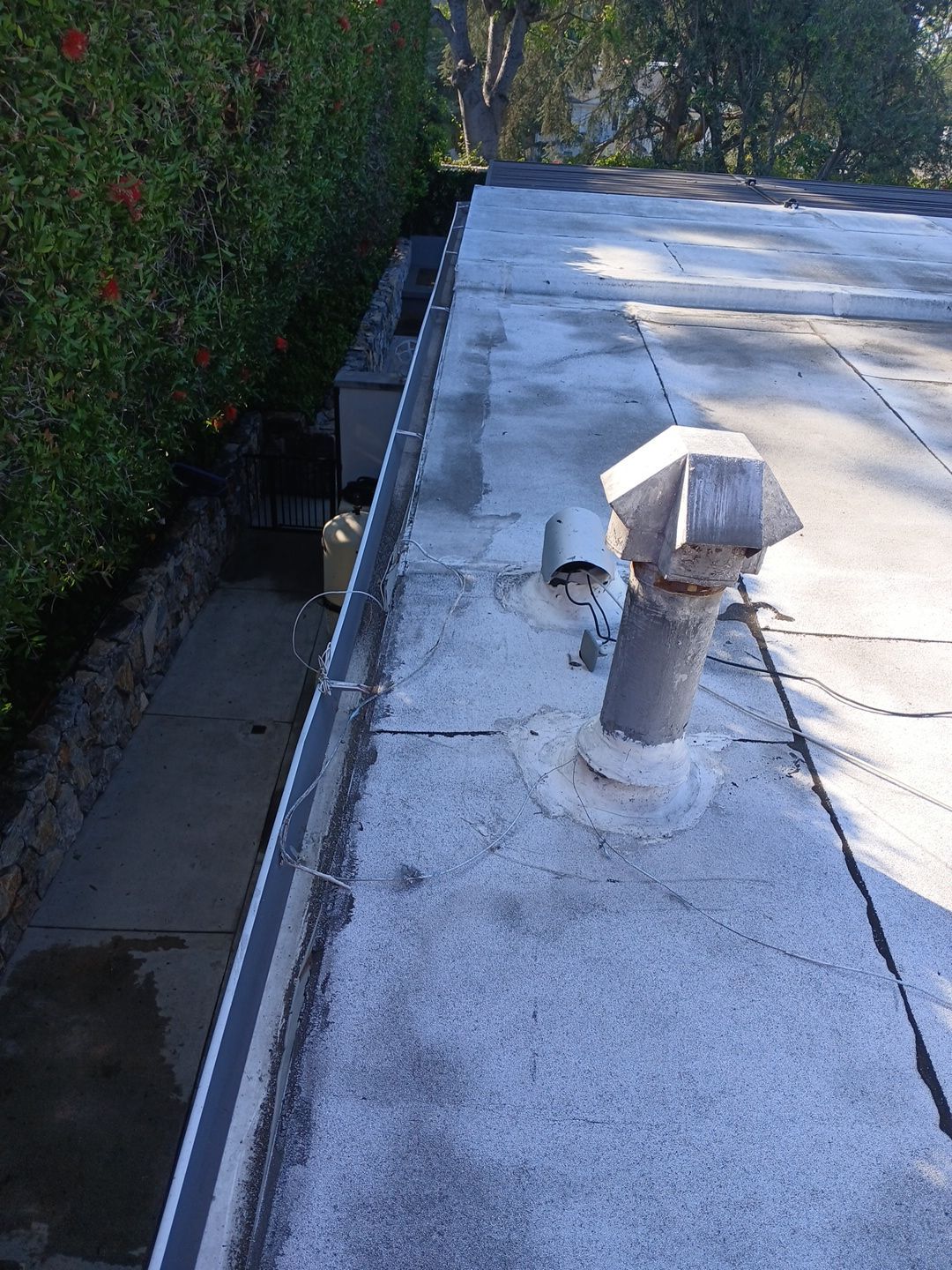
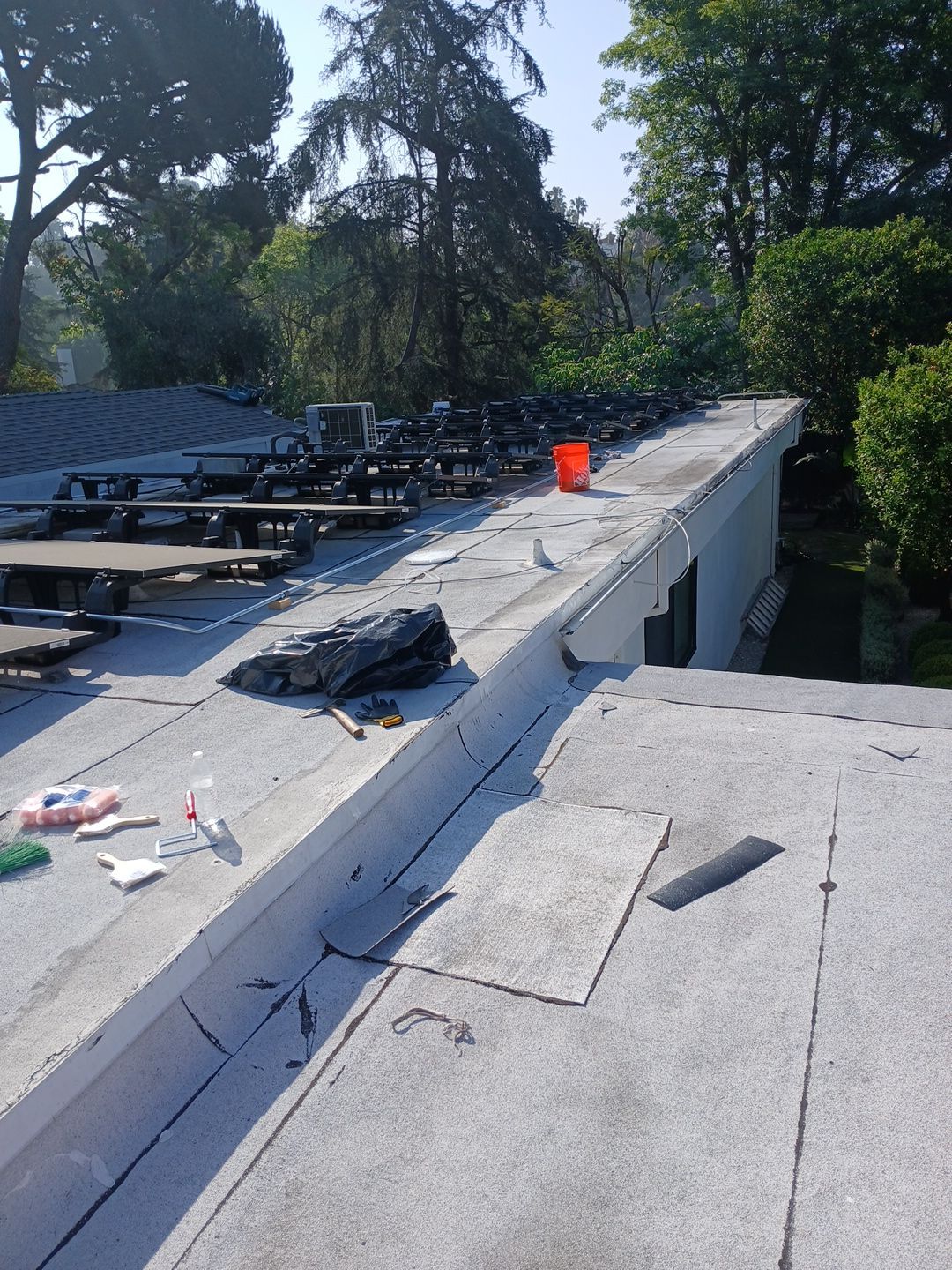
Photos from the site show significant cracking and open splits in the existing torch down membrane, dark moisture staining in low-lying areas, a deteriorated wood nailer along one parapet edge, failed sealant around roof penetrations including vent pipes and a drain assembly, and sections of the flat roof that had lost their granule surface coating. The sloped asphalt shingle sections adjacent to the flat areas also showed evidence of water tracking and past repairs at the valleys and ridge lines. These conditions indicated the existing membrane had reached the end of its serviceable life in the affected areas and required systematic repair before further water intrusion could damage the structure below.
Project Gallery
Surface Preparation and Crack Repair
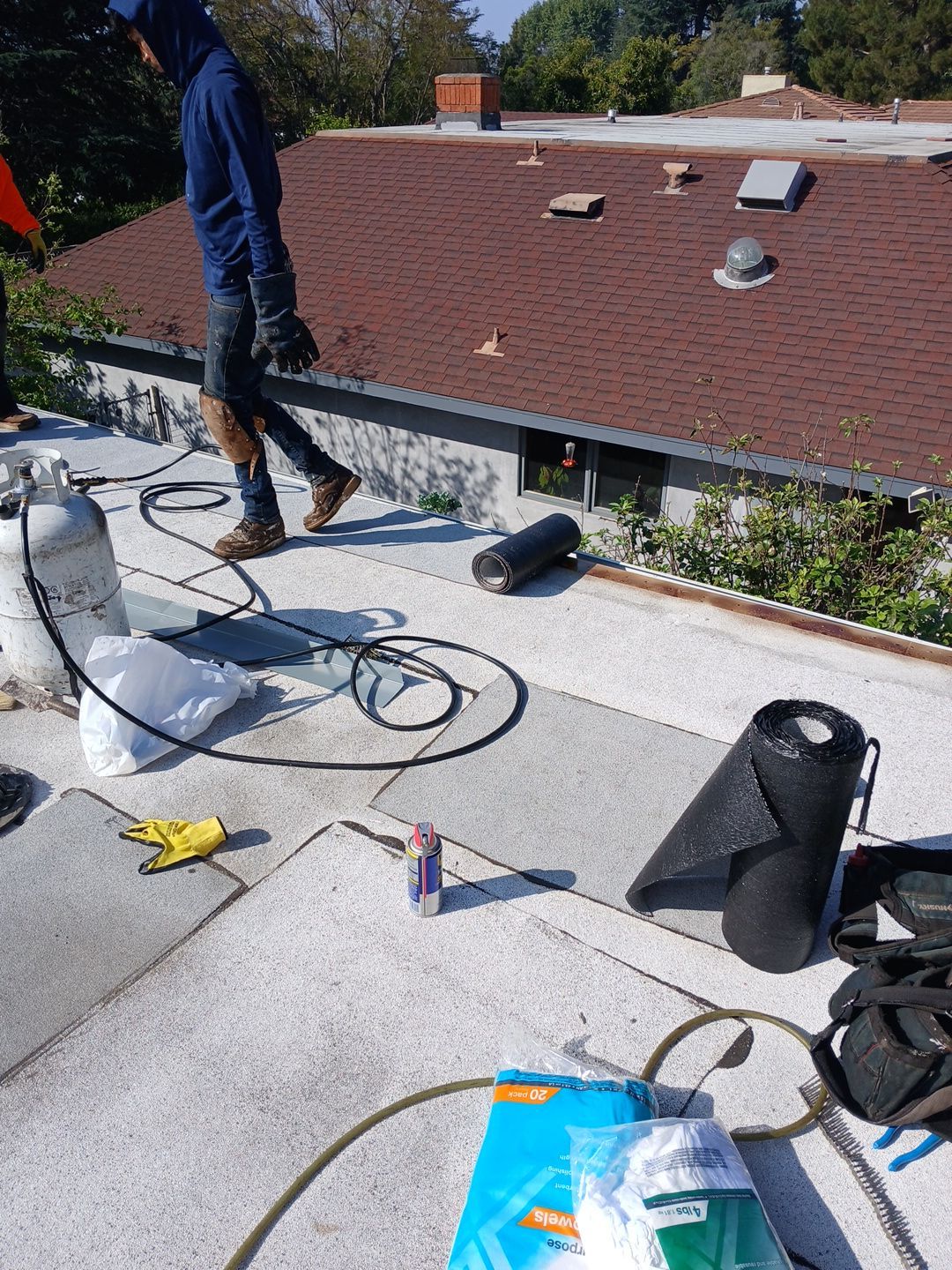
Before any new material was applied, the crew cleaned the existing membrane surface using stiff-bristle brushes and a garden hose, removing loose granules, debris, and contamination from all work areas. Open cracks and seam separations in the existing torch down membrane were documented across multiple sections of the flat roof, with some splits wide enough to allow direct water entry. A roofing sealer was applied with a brush into the cracked areas as a preliminary step, and a wire brush tool visible in the photos was used to prepare edges and penetration collars. The deteriorated wood nailer along one parapet edge was also identified as a source of membrane pull-away and was addressed during this phase.
Torch-Applied Modified Bitumen Membrane Installation
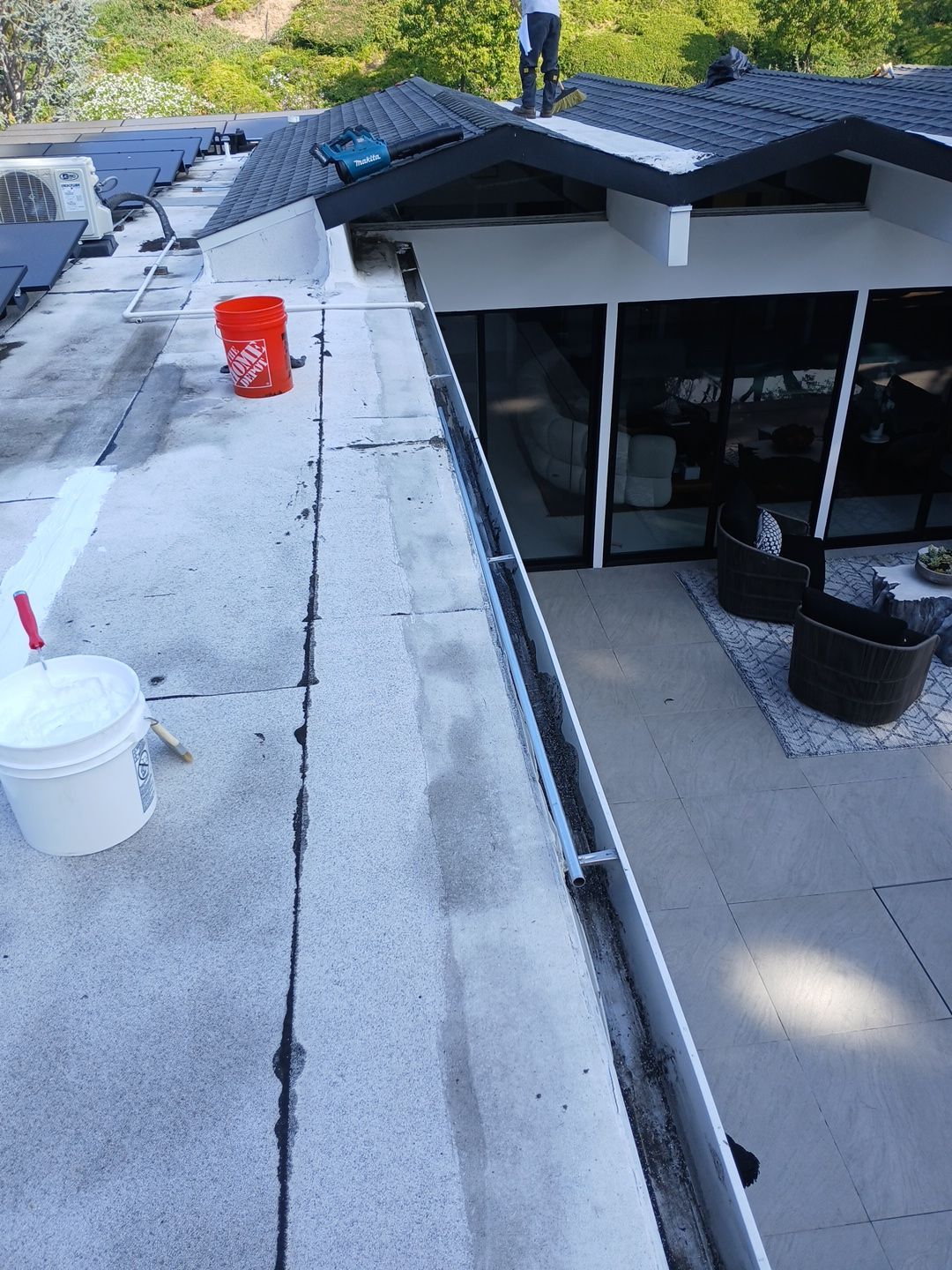
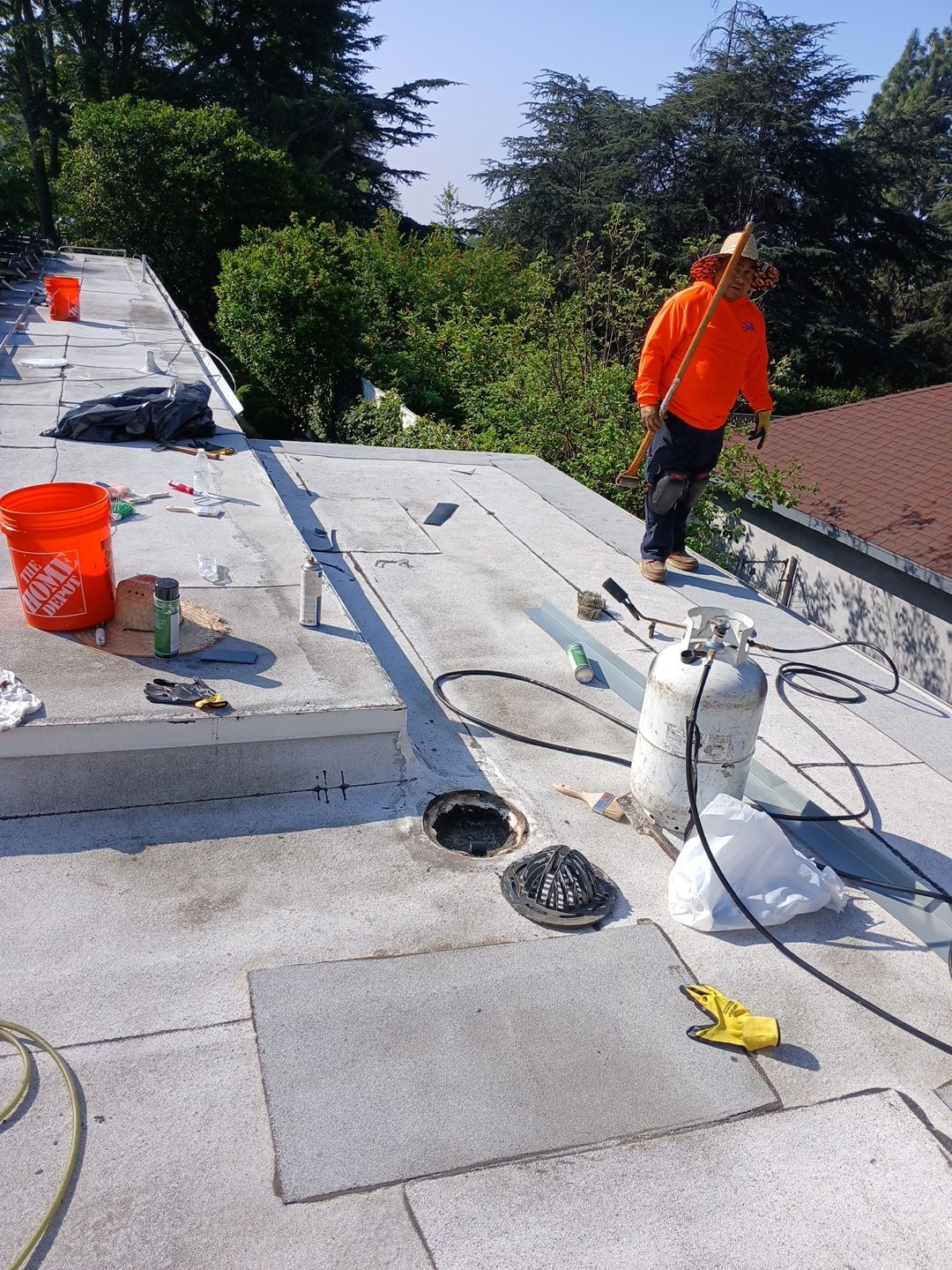
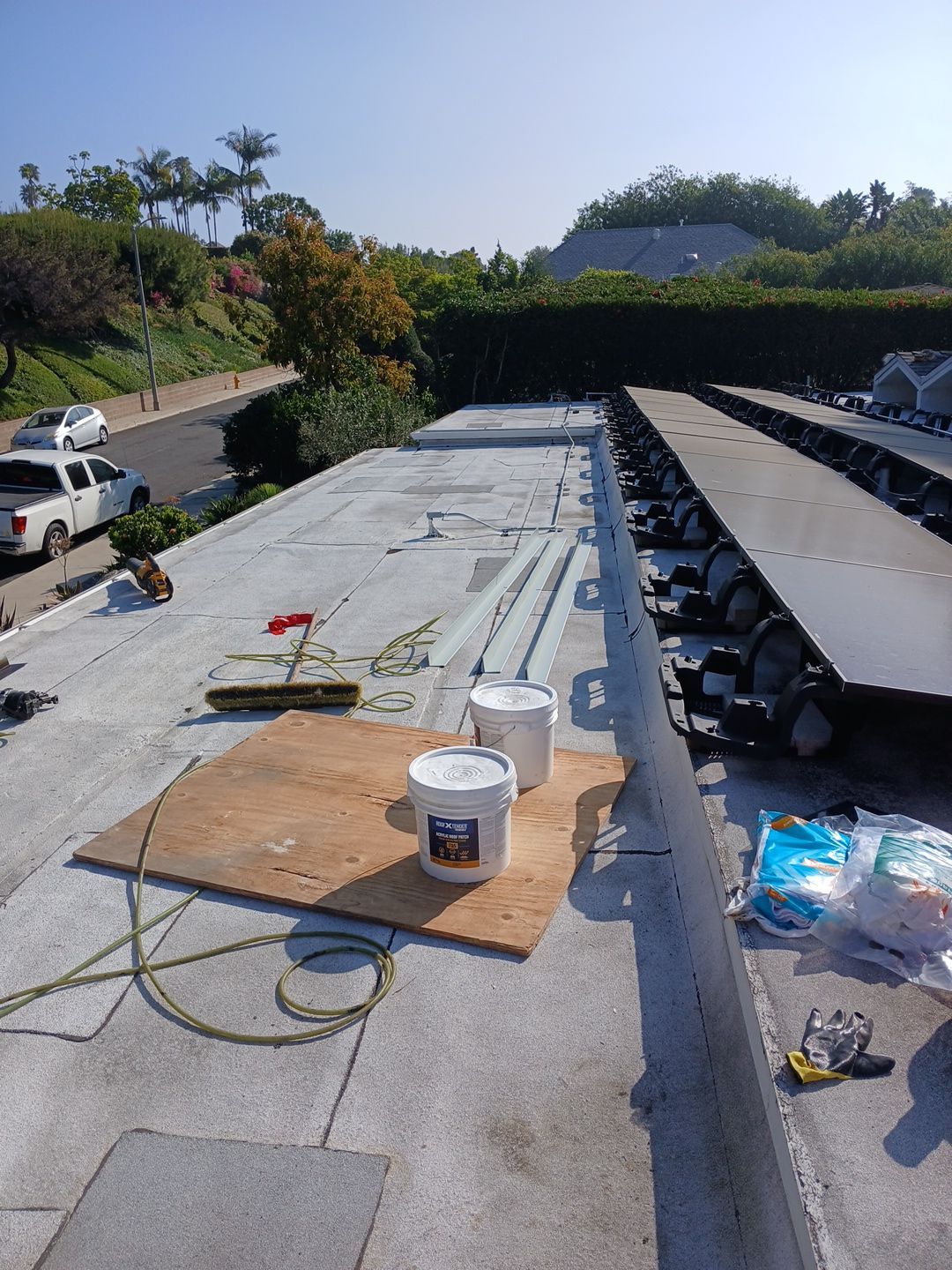
The repair work centered on torch-applied modified bitumen membrane, with rolls of the material visible staged on the roof surface alongside a propane tank and torch assembly. Workers heat-welded the new membrane sections into place, bonding them to the existing substrate and overlapping existing material at the edges to create a continuous waterproof layer. A white roof coating material — visible in buckets labeled with a roof coating product — was used to coat sections of the repaired flat roof surface, improving reflectivity and surface protection. The crew used a plywood board as a working pad to distribute weight and protect the freshly applied membrane while moving across the surface.
Penetration and Transition Flashing Work
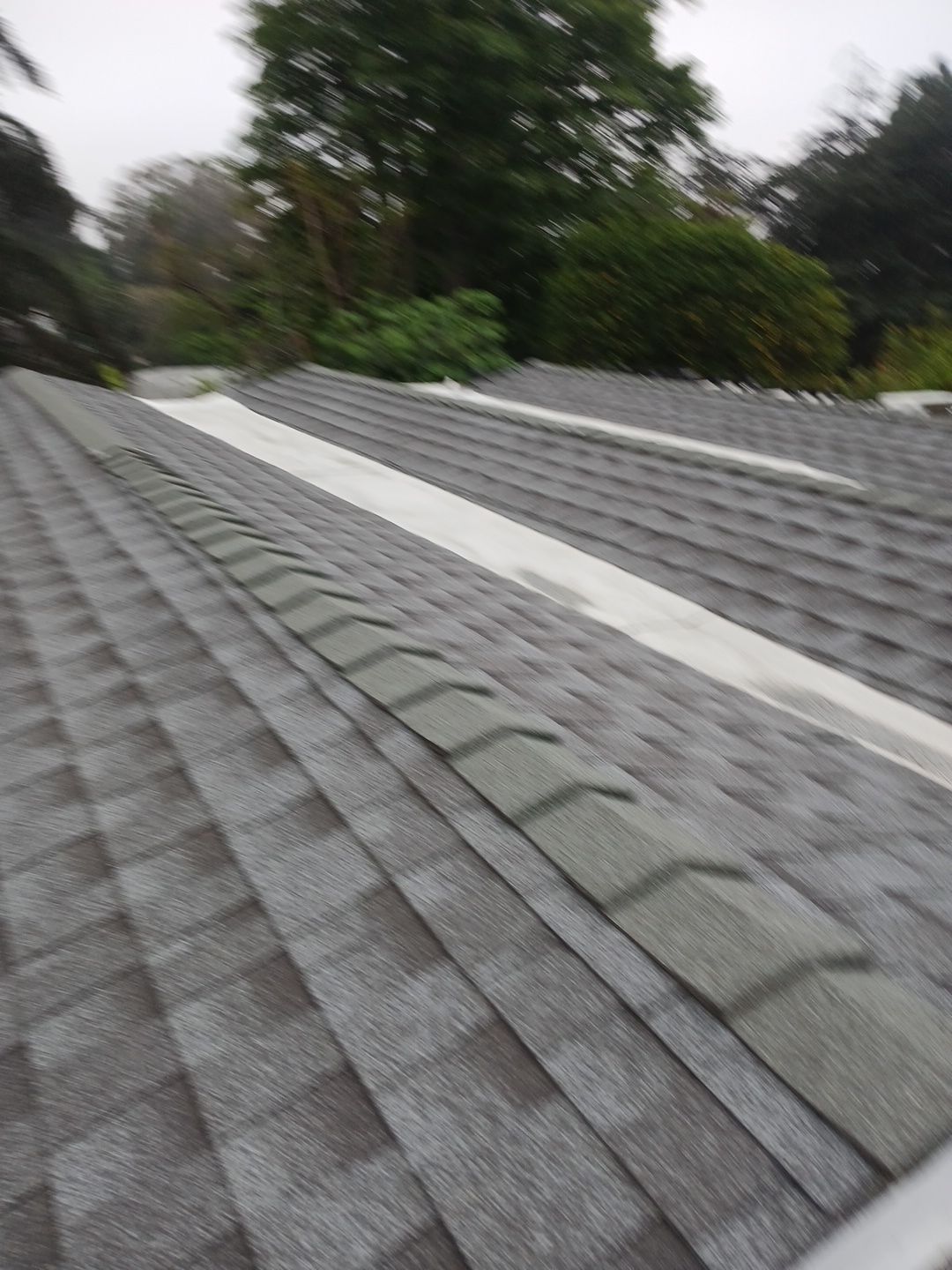
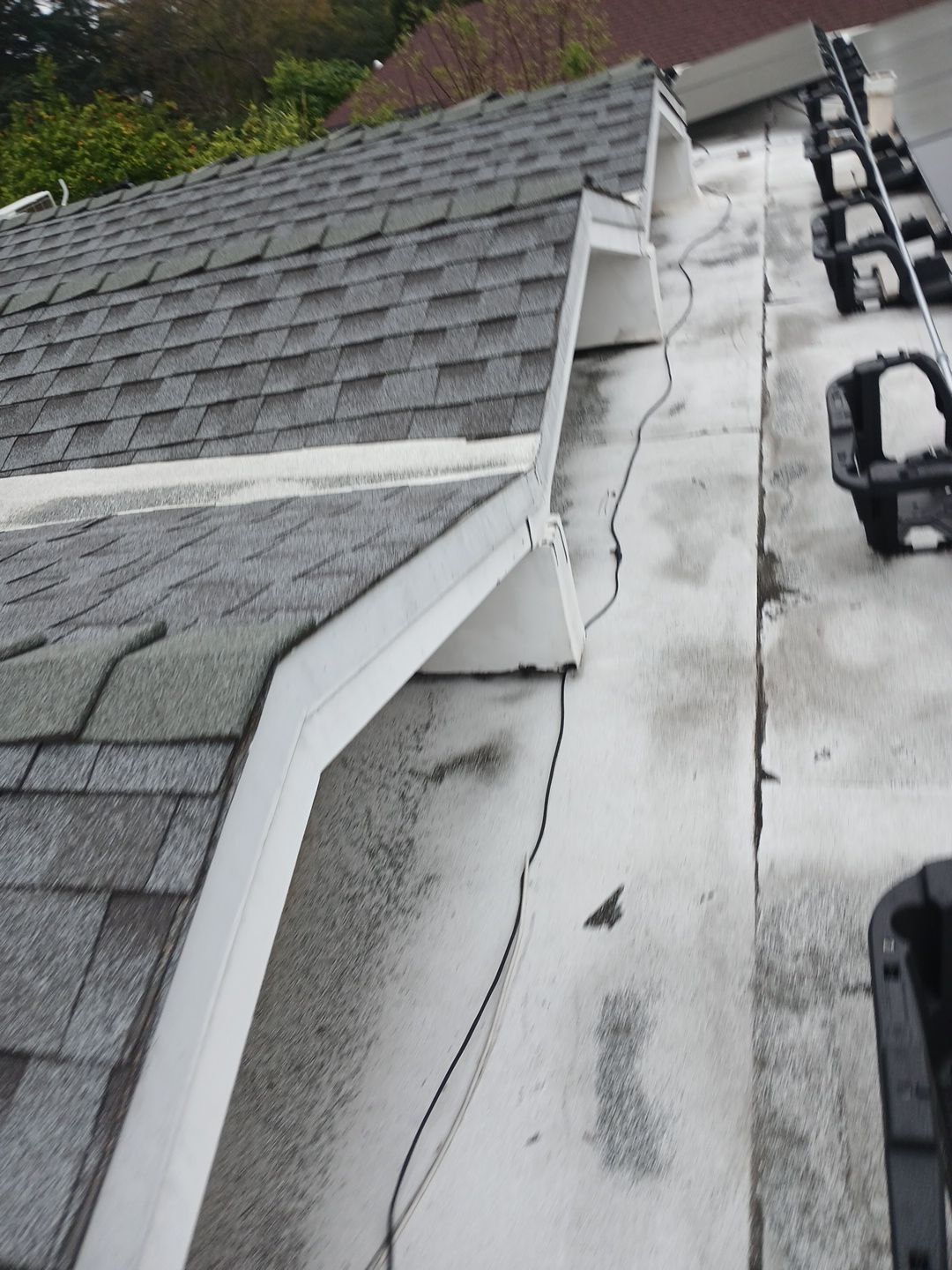
Several roof penetrations required individual attention, including a metal vent cap and a drain assembly that showed deteriorated sealant and exposed base material around their collars. New membrane material was cut and torch-applied around these penetrations to restore a watertight seal at each one. At the transitions between the flat roof sections and the adjacent sloped asphalt shingle areas, the crew installed and sealed metal edge trim and ensured the membrane lapped properly under and over the adjoining materials. Sections of the shingle ridge and valley areas also received torch-applied strip patches to seal open joints where water had previously been tracking.
Final Coating and Solar Panel Area Integration
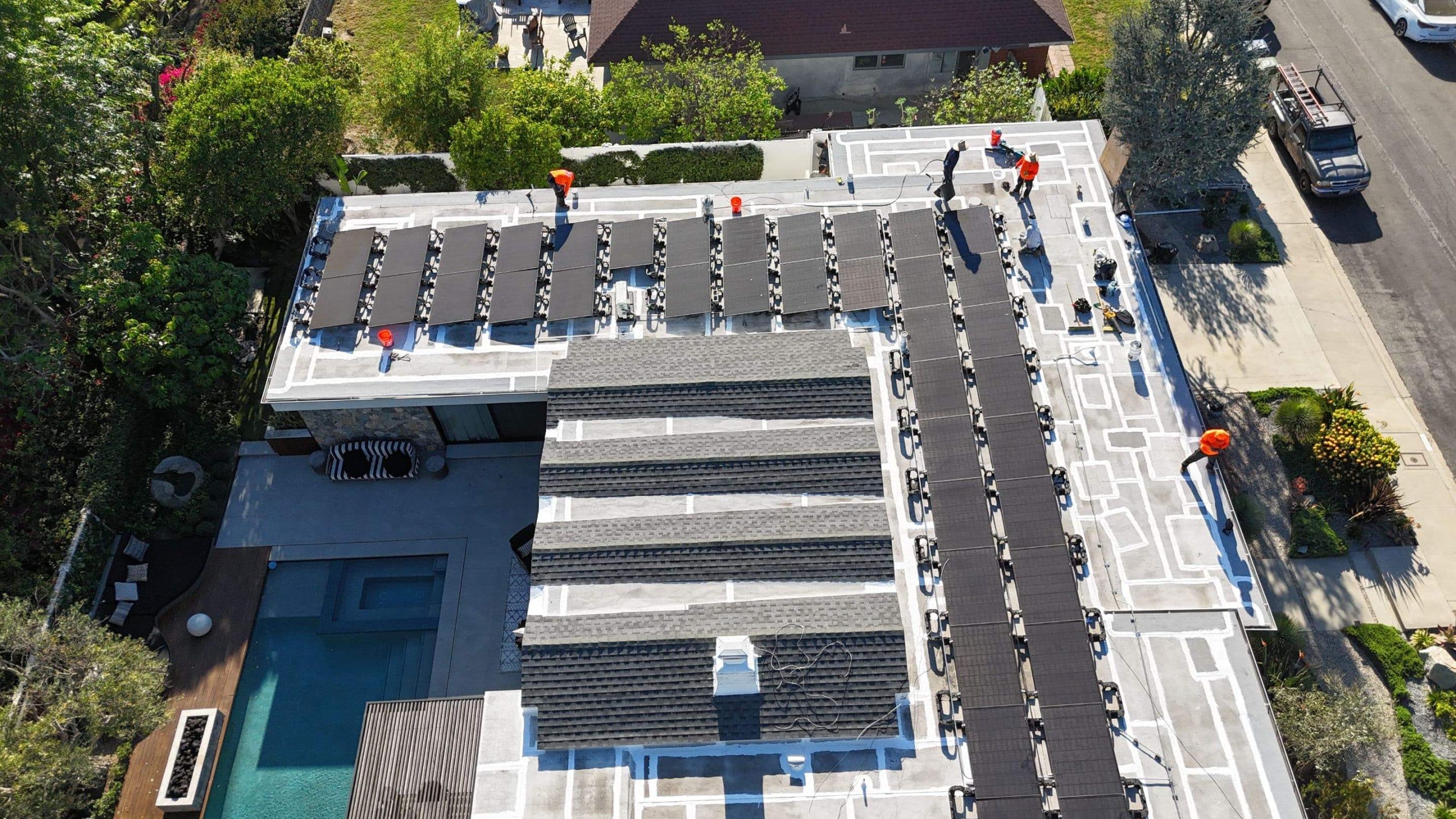
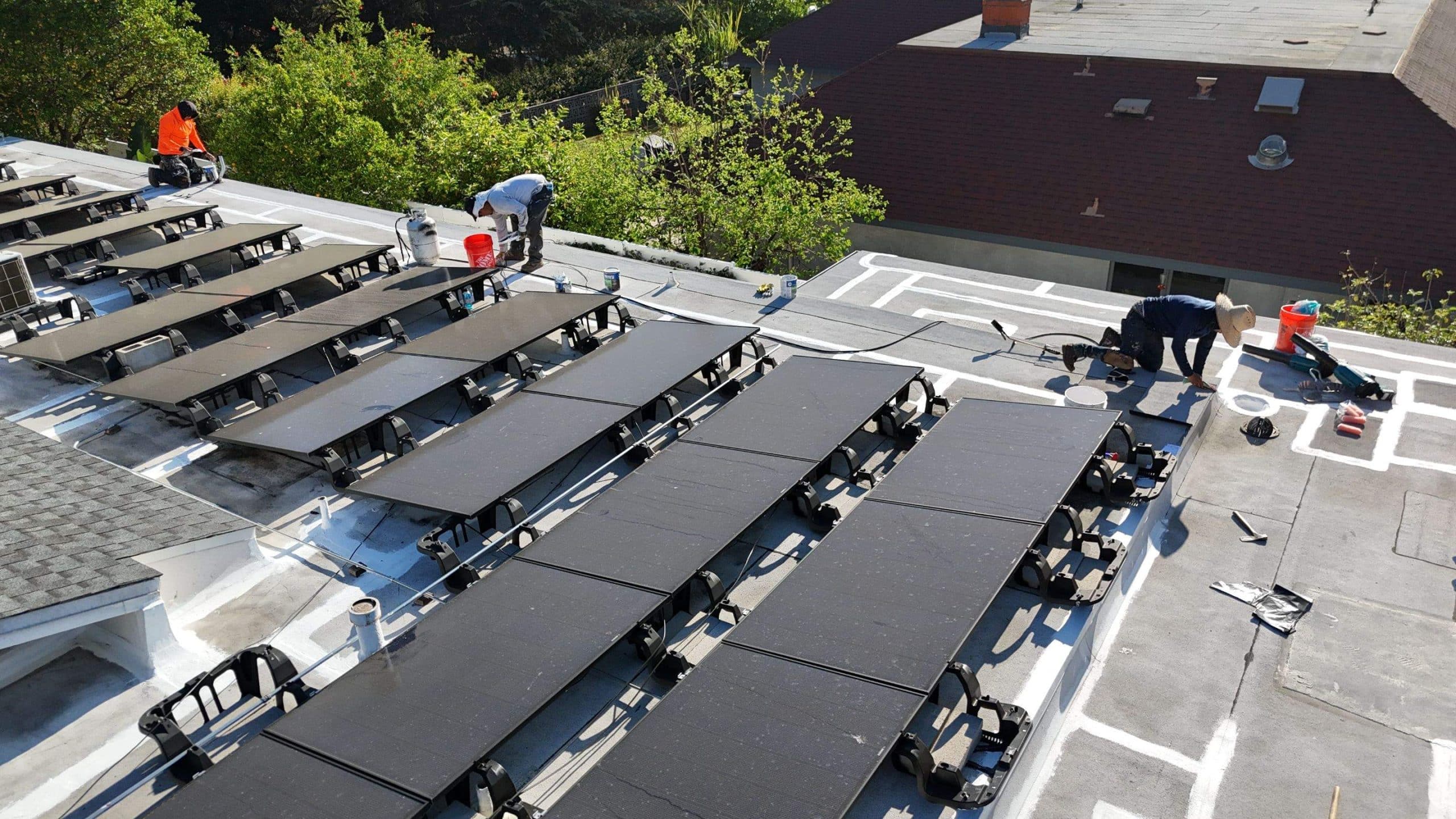
The property features a substantial solar panel array mounted on ballasted racking across the flat roof sections, and the repair work was coordinated around the existing panel layout. Workers applied white roof coating in a grid-like pattern across the unobstructed membrane areas, which is visible in the aerial photograph showing the layout of coated zones between racking rows. The final aerial image shows the full scope of the completed flat roof with coating applied, solar panels repositioned and secured in their racks, and crew members completing final detail work at the perimeter. The sloped shingle sections surrounding the flat areas were left intact with only the transition and valley repairs addressed.
Project Details
Roofing in Los Angeles, CA
Los Angeles experiences a Mediterranean climate with long dry summers, intense UV exposure, and periodic heavy winter rains that can quickly reveal any weakness in a flat roof membrane. Flat and low-slope roofs are common on mid-century modern and contemporary residential construction throughout the city, and torch down modified bitumen is a widely used system for these applications because it bonds directly to the substrate and handles ponding water better than many alternatives. The combination of seasonal drought, sun degradation, and concentrated winter rainfall means flat roof membranes in the Los Angeles area typically require inspection and maintenance on a regular cycle to prevent seam failures and crack-related leaks.
Our Service Area: Los Angeles, CA
Frequently Asked Questions
Get a Flat Roof Inspection in Los Angeles
If your flat or low-slope roof is showing cracks, seam separations, or water stains after rain, Roof Replacement Inc serves homeowners throughout Los Angeles and the surrounding communities. Contact us to schedule an on-site inspection and get an honest assessment of what your roof actually needs.